

SOUTHWEST
Bonita Beach Park
fishing guide
Bonita Beach Park serves the Gulf shoreline at the south end of Hickory Island. Its parking and amenities are closed for storm-repair construction under the current county notice. Pedestrian beach access remains a different question, and marked swimming areas are excluded from fishing.
Explore the guide ↓Read the repair notice before setting out
For Bonita Beach Park, use the county-listed address of 27954 Hickory Boulevard. The county's current notice closes parking and amenities from September 8, 2026, for construction related to Hurricane Ian repairs. Do not assume the ordinary park facilities are operating.
The county directs pedestrian beach users toward Bonita Beach Access 1 and notes the LeeTran ULTRA service as an arrival option. Check both the route and the current transit details before leaving. A transport listing does not guarantee the timing of your return.
Access 1 also has a separately announced parking closure scheduled for November 1, 2026. That date is later than this guide's October check. Recheck the notice for the date of your own trip instead of treating one alternate lot as permanently available.
Keep fishing out of marked swimming areas
The county specifically prohibits fishing in marked swimming areas. Read the signs and buoys before choosing a place to cast. An empty bathing section does not become an angling zone simply because nobody is in it at that moment.
Ask the site manager about the allowed fishing position if construction has changed signs or access routes. Stay clear of workers, equipment and closed sections. Do not pass a barricade to reach an apparently quiet piece of beach.
Outside any exclusion, maintain a safe lane around people walking or entering the water. Retrieve when that lane closes. A sinker and exposed hook require more room than a casual beach towel.
Find feeding water by watching wave patterns
The Gulf-facing sand can support troughs and small bar gaps that change over time. Watch several wave sets from dry ground. A slight darker strip between beach and bar may be worth testing when fishing is allowed there.
Avoid using an old photograph to choose a fixed casting distance. Storms and repairs can alter the beach profile. Let the present wave break and wash position tell you where the first useful water lies.
Whiting may feed near the wash, while pompano can range across a broader strip of surf habitat. Neither requires an uncontrolled maximum-distance cast as a starting point. Try a neat close presentation before adding distance.
Bring a small supply of prepared natural bait
Shrimp pieces, purchased sand flea bait and strip bait are useful compact surf options. Prepare the offering so that the hook point remains clear. Large bait bundles invite tangles and may be less suitable for small feeding fish.
Keep the bait box closed when birds approach. Do not feed them scraps or scatter unused bait near the pedestrian route. A few gulls can quickly bring more birds into the casting area.
Compare how the bait returns from each cast. An untouched offering suggests a different response than a stripped hook. Adjust the position or bait size thoughtfully rather than changing the whole outfit after every quiet minute.
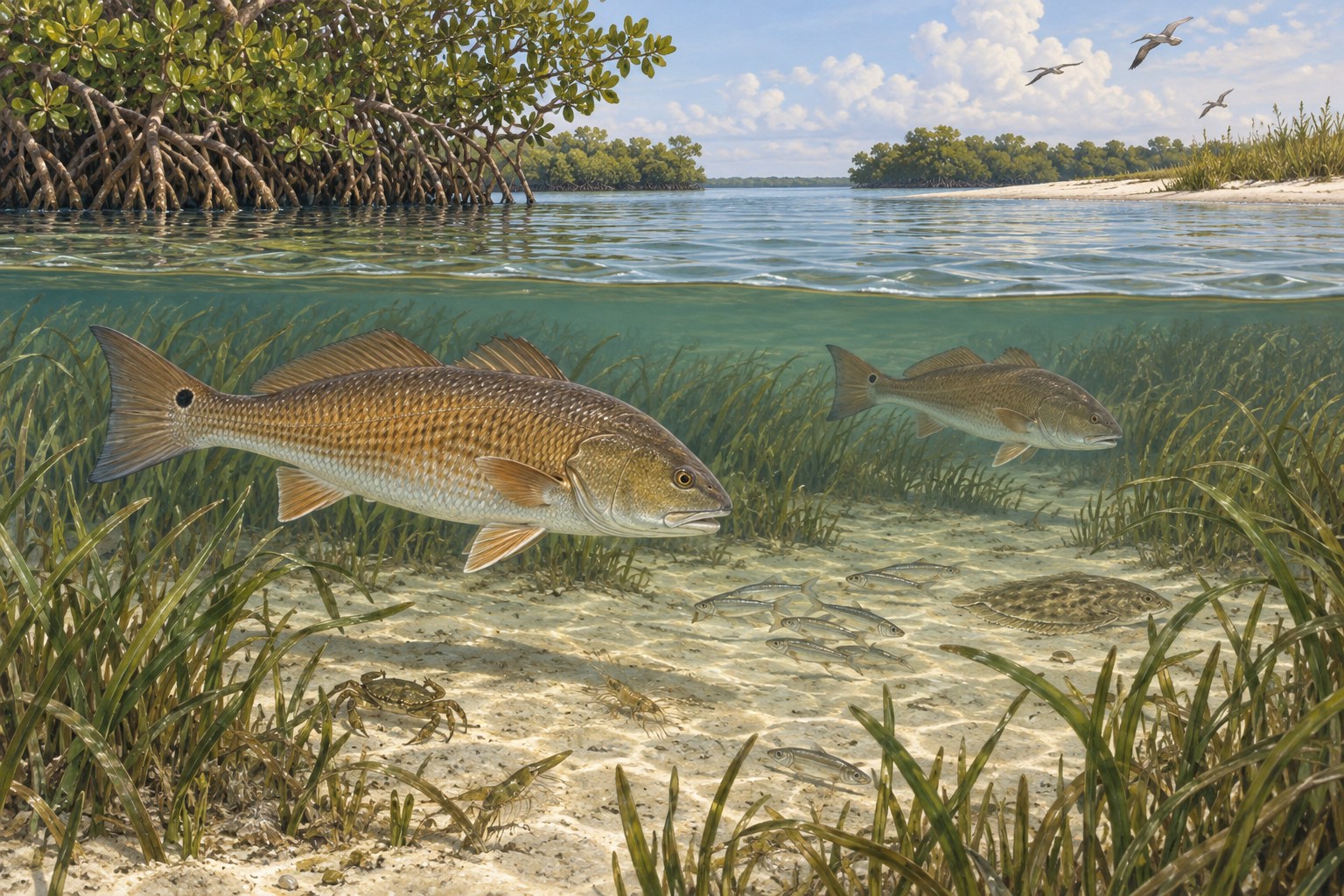
Consider lures when baitfish move along the beach
Warm periods can bring regional snook activity close to the Gulf edge. A small baitfish lure lets you search a clear allowed section without planting several rods. Keep the retrieve away from bathing water and people standing in the wash.
Cast ahead of prey movement and retrieve at a speed that keeps the lure swimming. If it repeatedly digs into sand, change the rod angle or reduce weight. Do not chase a fish through the marked swim boundary.
Prepare for release before hooking a fish. Suitable leader, accessible pliers and wet hands help reduce handling time. Current Gulf snook rules need their own check, even when you intend mainly to practice lure fishing.
Carry what the construction route can support
A long or altered walk favors a restrained kit. One rod, a compact rig box and a small sealed bait container are easier to manage around temporary entry arrangements. Bring drinking water because closed amenities cannot be relied on to supply it.
Check where you can lawfully park or meet transport and how far the walk actually is. Do not unload in a closed lot or block a work entrance. Leave enough energy and water for the return journey.
The table separates the shoreline fishing choices from arrival planning. Treat any current site restriction as the deciding factor.
| Decision | Starting choice | Important limit |
|---|---|---|
| Arrival during repair work | Verified pedestrian route or current transit option | Park parking and amenities are closed by notice |
| Small surf fish | Compact shrimp or purchased sand flea bait | Stay outside marked swimming areas |
| Warm shoreline lure fishing | Small soft plastic and leader | Maintain a clear allowed casting lane |
| Changing water level | Reposition gear on open dry sand | Do not enter construction or dune closures |
Keep water movement separate from access permission
Rising water can cover the first trough while reducing the dry sand available for gear. Wind-driven wash may push farther than the tide forecast suggests. Move bags before the water reaches them, and keep the remaining pedestrian route open.
Falling water can reveal bars and leave bait farther from the nearest feeding edge. Reassess casting distance without wading into unknown depressions. A visible sand patch does not prove that a route around it is safe.
A favorable tide cannot reopen a construction gate or remove a swimming exclusion. Pick a day with both manageable conditions and verified access. That combination is more useful than chasing a tide time alone.
Keep a family outing independent of the fishing result
Bonita's beach setting can suit a shared visit, but closed park amenities change the practical details. Know where lawful restrooms and shelter are available before bringing children. Do not rely on an old amenity list during the repair period.
If swimmers want the same section you hoped to fish, pack the tackle and use the beach for its other permitted activities. Choose another authorized fishing position only when everyone can reach it comfortably. Avoid moving children around closed works to preserve a rod location.
Watch wind, heat and lightning throughout the visit. End the beach session before a storm makes the return route difficult. A transport plan should include a way to leave sooner than expected.
Finish with accurate harvest decisions and clean sand
Check the saltwater license requirements and current limits for each species you may keep. Seasonal fish activity does not determine an open harvest season. Measure fish with the correct method rather than judging length beside a rod grip.
Protect dunes, nesting areas and posted vegetation closures. Fishing gear should remain in the open permitted area, with no line stretched across a wildlife route. Remove all hook packets and cut leader from the sand.
Keep a dated access check with your trip plan. Construction can end, extend or change entry arrangements. A new county notice should guide the next visit rather than a memory of how the park worked before repairs.
Common questions
Is Bonita Beach Park parking open?
The current county notice closes parking and amenities from September 8, 2026, for repair construction. Check for later changes before visiting.
Can I fish in the marked swimming area if it is empty?
No. Lee County prohibits fishing in the marked swimming areas. Choose a separately allowed clear position.
Is Bonita Beach Access 1 a permanent parking fallback?
Do not assume so. A separate parking closure is scheduled for November 1, 2026, and access notices need a current check.
What should I bring while amenities are closed?
Use a compact rod kit and bring your own water. Arrange lawful arrival, restroom needs and the return before leaving home.
Prepare for your visit
Check local tides and weather. Read more about snook, florida pompano, whiting. Check current FWC saltwater fishing rules.