
FLORIDA KEYS & EVERGLADES
Cannon Beach
fishing guide
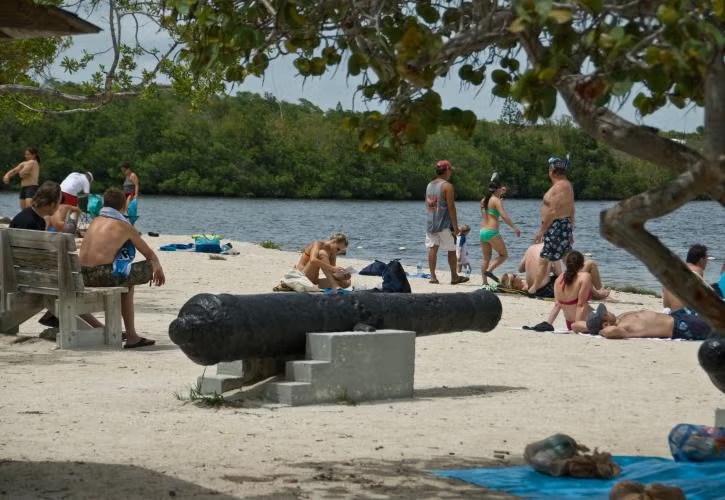
Cannon Beach is the main snorkeling beach at John Pennekamp Coral Reef State Park. Fishing uses three separate authorized shore areas, whose current locations should be confirmed at the ranger station.
Explore the guide ↓Begin with the park's current access information
Cannon Beach is within John Pennekamp Coral Reef State Park on Key Largo. It is the park's primary snorkeling beach rather than a generic open surf-fishing access. The official page reviewed for this guide carried a July 22, 2026 notice that construction could limit some facilities and services.
Ask which visitor areas and routes are currently usable before unloading. The ranger station is also the right place to obtain directions to the park's allowed shore-fishing positions. A construction notice does not mean the whole park is closed, but a normal facility list does not guarantee every listed service is available today.
Use the three allowed fishing areas, not the snorkel beach
The park's official experiences page states that saltwater shore fishing is allowed in three areas and directs visitors to the ranger stations for their locations. That is a specific boundary, not permission to cast from every beach, dock or boardwalk.
Cannon Beach's designated swimming and snorkeling space must remain free of fishing tackle. Do not cast toward snorkelers, shipwreck artifacts or water used by a tour departure. If staff identify a separate open fishing position, inspect its casting and landing room. If the allowed area is unavailable, keep the angling plan for another verified destination rather than substituting Cannon's snorkel water.
Let snorkeling reveal the food web without taking it apart
Cannon Beach has historical artifacts offshore that visitors can observe within the applicable swim and snorkel rules. Leave them in place and do not tie tackle to them. Fish may move between shelter and open bottom, offering a useful view of how structure affects prey.
Observe the behavior without feeding fish or collecting animals. A small school pressed near cover differs from one moving freely through open water. That contrast can teach an angler why a lure's route matters at a legal fishing location. It is not a reason to bring hooks into the viewing area or disturb historic material.
Understand Largo Sound as a living shallow system
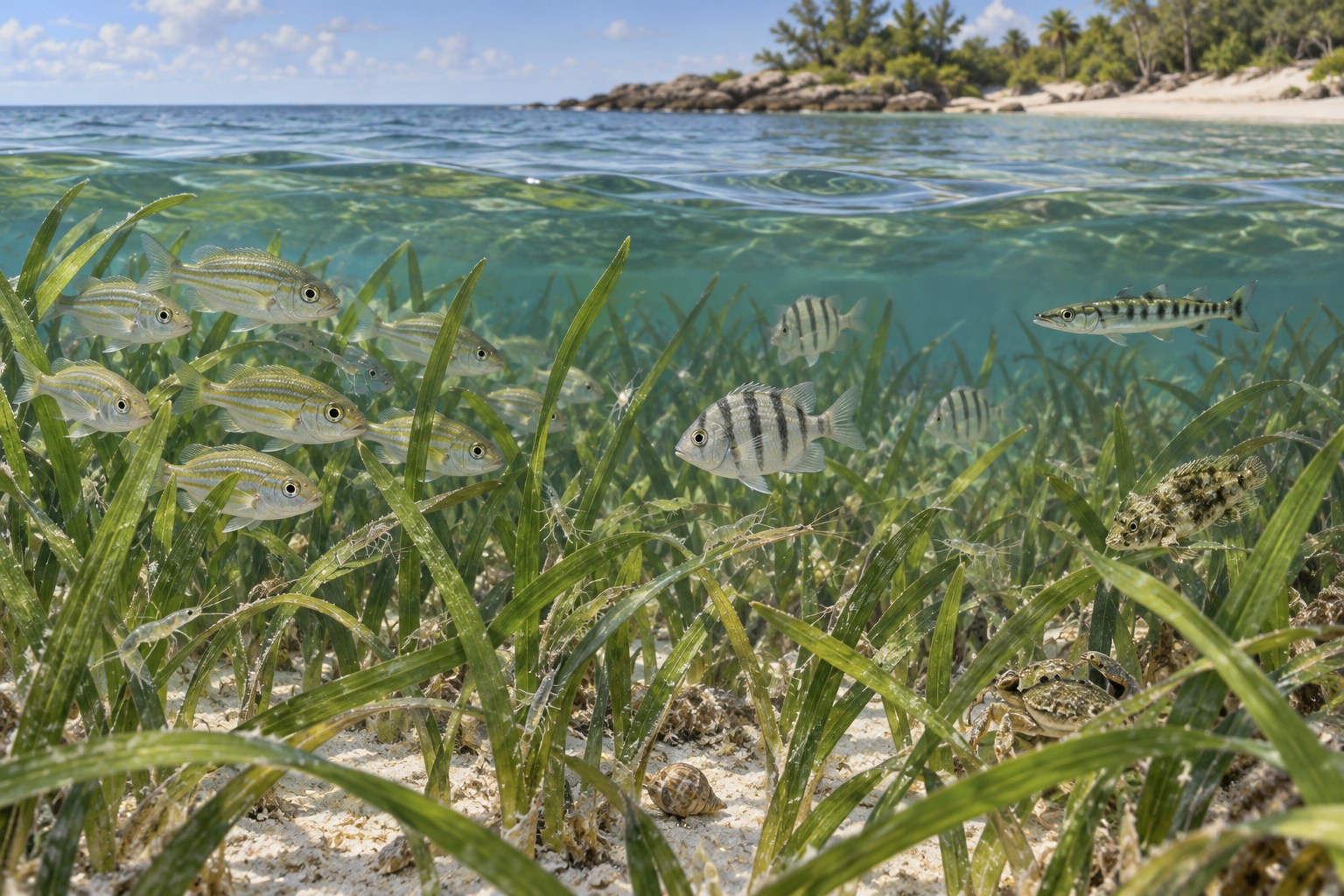
The park combines mangrove shoreline, seagrass habitat and open water routes. Roots and plants provide shelter for small fish and crustaceans. Predators can use nearby margins to find food. A fish-habitat guide should recognize that nursery function before recommending any tackle.
From an approved viewing or fishing position, notice clean sand beside darker vegetation. Look for actual prey movement rather than assuming every dark patch holds a large fish. Do not tear grass to recover a snag or walk through mangrove roots to shorten a route. Keeping this habitat intact supports the fish found in the wider park waters.
Use small natural food only at the approved shore position
At an authorized fishing area, a small shrimp can provide a practical start for suitable coastal fish such as mangrove snapper around recoverable edges. Keep the hook clear and choose weight based on the actual depth and flow. A heavy rig is not automatically necessary because the water is part of a large marine park.
Present the bait beside structure rather than dropping it into a crevice. Check the leader for wear after each rough retrieve. Know where a fish can be supported and released without blocking visitors. Current species identification and harvest rules determine retention. Do not treat a colorful reef fish as legal bait or a souvenir merely because it took a shrimp.
Carry a controlled shore outfit and a release plan
A medium spinning outfit, spare leader and a small selection of natural-bait hooks or light jigs can suit ordinary approved shoreline work. The choice depends on what the ranger-designated area actually allows and how much safe landing space it provides.
Pack pliers, a measuring tool and a container for used line. Keep bait away from swim towels and children. Secure hooks during any walk back through the day-use area. A landing net can help where appropriate, but it must not justify climbing into a prohibited or unsafe position. If you cannot land or release a fish responsibly, do not cast from that location.
| Part of the visit | Useful action | Boundary |
|---|---|---|
| Cannon Beach | Observe or snorkel under park rules | No hooks in occupied swim water |
| Ranger-approved shore | Small controlled bait trial | Stay within the identified area |
| Boat route | Check current protected-zone map | No automatic permission from ramp entry |
Check protected zones before expanding the trip
Pennekamp allows boating and some boat-based fishing, with protected areas in park and sanctuary water. A boat-ramp ticket does not establish a legal fishing destination. Consult the current map and rules before choosing a route, including any no-fishing or no-entry zones.
Keep away from tour docks and swimming water, and give displayed dive flags the required space. Do not anchor on coral or run a propeller through shallow plants. Some protected areas prohibit fishing even when release is intended. A marine park can offer fishing while still excluding it from specific habitats that deserve greater protection.
Let wind and visibility shape the visitor plan
Cannon's shore setting does not usually resemble an open Atlantic surf beach. Wind can still stir sediment, reduce visibility and affect a small craft's return. Decide whether the day suits observation, an approved shore session or neither rather than forcing one activity into poor conditions.
Warm weather brings heat and possible thunderstorms. Carry drinking water and leave exposed areas when thunder develops. Tide level can change how much shallow cover is visible, but it does not remove the three-area shore-fishing limit. A calm-looking sound is still shared with boats and other visitors, so keep attention on the whole surroundings.
Make a first visit an accurate lesson in boundaries
Spend time observing natural movement from the allowed beach routes, then apply those ideas only in a confirmed fishing area. Compare the bait and depth you use with the cover actually present. A small carefully attended trial teaches more than a rushed attempt to cast from several unverified shore edges.
Review license needs, species rules and handling before the visit. Return all rubbish and leave historical material undisturbed. Record which area staff directed you to and whether construction affected the route. That distinction prevents future advice from confusing Cannon Beach's snorkeling appeal with a fishing permission that belongs somewhere else in the park.
Common questions
Can I fish directly in Cannon Beach snorkeling water?
Do not cast in designated swim or snorkel space. The park allows shore fishing at three separate areas, with directions from the ranger station.
Where are the allowed fishing positions?
Ask the ranger station for the current three shore-fishing areas and any access changes.
Does boat launching allow fishing anywhere in the park?
No. Protected park and sanctuary areas can restrict fishing, access and anchoring.
Can I collect the historic objects offshore?
No. Observe artifacts in place and leave them undisturbed.
Prepare for your visit
Check local tides and weather. Read more about mangrove snapper. Check current FWC saltwater fishing rules.