
FLORIDA KEYS & EVERGLADES
Coco Plum Beach
fishing guide
Coco Plum is the natural Marathon Atlantic-side beach beside wetland habitat. Use it to understand shallow-water food routes, and confirm the current fishing boundary before taking out tackle.
Explore the guide ↓Follow the city route to the natural beach
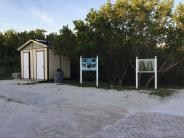
Coco Plum Beach is on the Atlantic side of Marathon. The city's directions take visitors south on Coco Plum Drive, with the entrance on the right after about 1.4 miles. This public beach is separate from similarly named private lodging and marina properties.
Marathon lists hours from 7:30 a.m. until dusk, a covered pavilion and restrooms. It also warns that there are no RV or bus parking spaces. Check signs and current access condition before unloading. Do not assume that a nearby private dock or canal is part of the beach just because it shares the Coco Plum name.
Confirm whether and where a shore cast is allowed
The city's beach description identifies natural shoreline, adjacent wetlands and turtle nesting. It does not provide a blanket fishing authorization for every part of the beach. Ask the city or follow explicit current signs before choosing a casting position.
Keep hooks out of swimming space and do not enter sensitive wetland or nesting areas to gain access. If fishing permission is not clear, use Coco Plum for observation and choose a separately approved angling location. A quiet weekday or a catch-and-release plan does not answer the permission question. The useful sequence is access first, safe position second and tackle third.
Read a beach that is not an open surf runway
The Keys' shallow coastal shore can combine sand, submerged plants, wrack and irregular bottom. It differs from the long steep surf troughs of many mainland Atlantic beaches. Expect the local depth and vegetation to influence any authorized presentation more than casting distance alone.
Observe water color and small fish movement from the permitted shore route. Dark areas may be plants, depth or simply glare. Compare several clues before naming a feeding lane. The natural shore also changes with wind-driven weed and water level. A photograph of clean sand on another day should not be treated as a promise of identical footing or conditions today.
Understand why small crustaceans matter
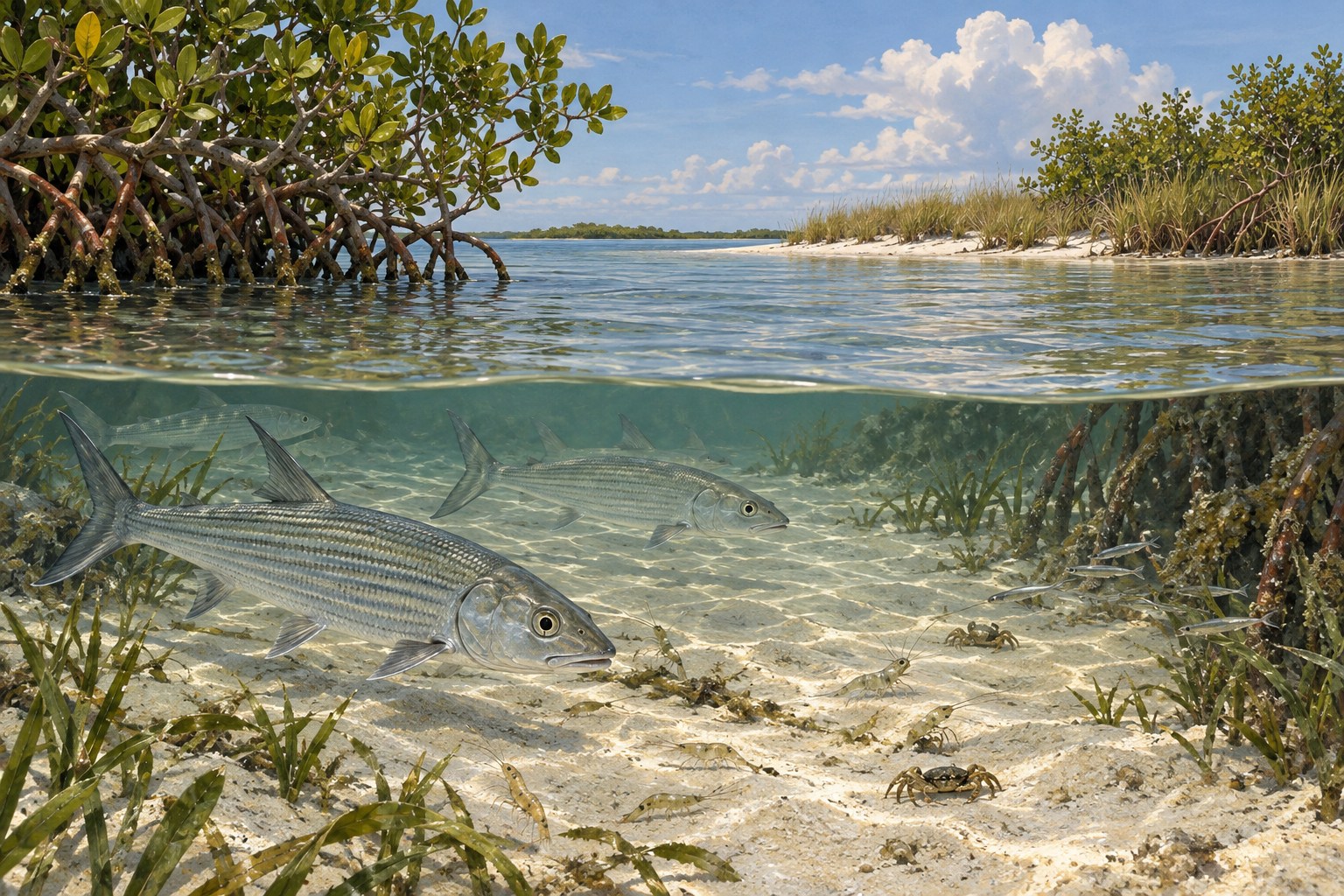
Bonefish and other shallow-water feeders look for crabs, shrimp and similar prey in suitable Keys flats habitat. A sand gap among vegetation can offer a route where food is easier to find. These are ecological possibilities in the wider coast, not guaranteed Coco Plum catches.
Where a separate approved fishing site offers that habitat, a small shrimp imitation can suggest the right food. Keep the presentation light enough to avoid plowing into plants. Place it ahead of a feeding route and use restrained movement. At Coco Plum, the habitat lesson remains useful even if the day's local boundary allows viewing only.
Distinguish a baitfish hunter from a bottom feeder
Barracuda and jacks hunt small fish and may respond to a different presentation from a crustacean-feeding flats species. Notice whether prey is scattering repeatedly or resting near cover. A brief splash by itself is not a reliable reason to expect a predator within reach.
At a legal location elsewhere or a specifically approved Coco Plum position, a compact baitfish imitation can test visible activity. Keep the retrieve lane clear of people and wildlife. Use pliers around sharp teeth and inspect the leader. Do not attract fish into a swimming area with food or bait to create a casting opportunity.
Choose gear only after the approved water is known
If shore fishing is confirmed, a medium spinning outfit with a few light lures or a small shrimp rig can suit manageable shallow water. Match weight to depth and cover rather than carrying heavy surf sinkers as a default. A rig that returns covered in plants needs a shallower route or lighter weight.
Pack pliers, a ruler and a container for cut line. Keep bait sealed away from beach towels and food. For an observation-only visit, polarized glasses and drinking water are more useful than an exposed rod. A compact kit also makes it easier to move when a beach family or a wildlife boundary occupies the space you hoped to use.
| Observation | Fishing lesson for legal water | Care needed |
|---|---|---|
| Sand next to plants | Light crustacean presentation | Avoid damaging vegetation |
| Repeated prey chase | Small baitfish imitation | Keep hooks away from swimmers |
| Turtle nesting marker | Habitat supports the wider coast | Stay outside protected ground |
Let water level affect observation without changing the rules
Low water may reveal sand margins and the pattern of submerged cover. Higher water can connect more of the shallow feeding habitat. Neither condition authorizes entering closed wetland, disturbing plants or fishing where current rules do not allow it.
Wind can push loose seaweed against the beach and change visibility quickly. A calm-looking shore can become less comfortable when an onshore breeze builds. Check for lightning and heat before planning a long visit. A short early observation period with an easy route back is a useful option when afternoon weather is uncertain.
Respect a beach where nesting is part of its purpose
Marathon identifies Coco Plum as a turtle-nesting beach. Keep clear of marked nests, avoid disturbing dunes and follow local light restrictions. A beach visit should not flatten protected habitat to create room for equipment or a preferred photograph.
Carry out bait and food scraps. Birds drawn to leftovers can encounter hooks and line, even if the fishing happened earlier elsewhere. Watch wildlife quietly without chasing or feeding it. The natural character that makes Coco Plum interesting depends on keeping wetland, shoreline and nesting ground intact rather than making every part of it serve an angling setup.
Use Coco Plum to improve a separate legal fishing day
A practical first visit can show how prey, shallow vegetation and wind interact along a Keys beach. Note the city's access arrangement, the current posted use rules and the amount of visible cover. Keep those observations separate from claims about species you never actually identified.
If a permitted fishing plan follows, check license and current harvest rules beforehand. Bonefish require catch-and-release handling under Florida rules, and sanctuary protections can apply beyond the shore. Finish with a clean beach and secured tackle. Coco Plum is valuable when its natural habitat is understood accurately, including any boundary that makes another location the better place to cast.
Common questions
Is Coco Plum Beach a private resort beach?
The city public beach is a separate place from similarly named lodging and marina properties. Use the municipal access.
What hours does Marathon list?
The city lists 7:30 a.m. until dusk. Check current signs and any temporary access notice.
Can an RV or bus park here?
The city warns that this location has no RV or bus parking spaces.
Does the city description confirm fishing everywhere?
No. Confirm current permission and the exact casting area before using tackle; otherwise treat it as a habitat observation visit.
Prepare for your visit
Check local tides and weather. Read more about permit, bonefish. Check current FWC saltwater fishing rules.