
SOUTHEAST ATLANTIC
Crandon Park
fishing guide
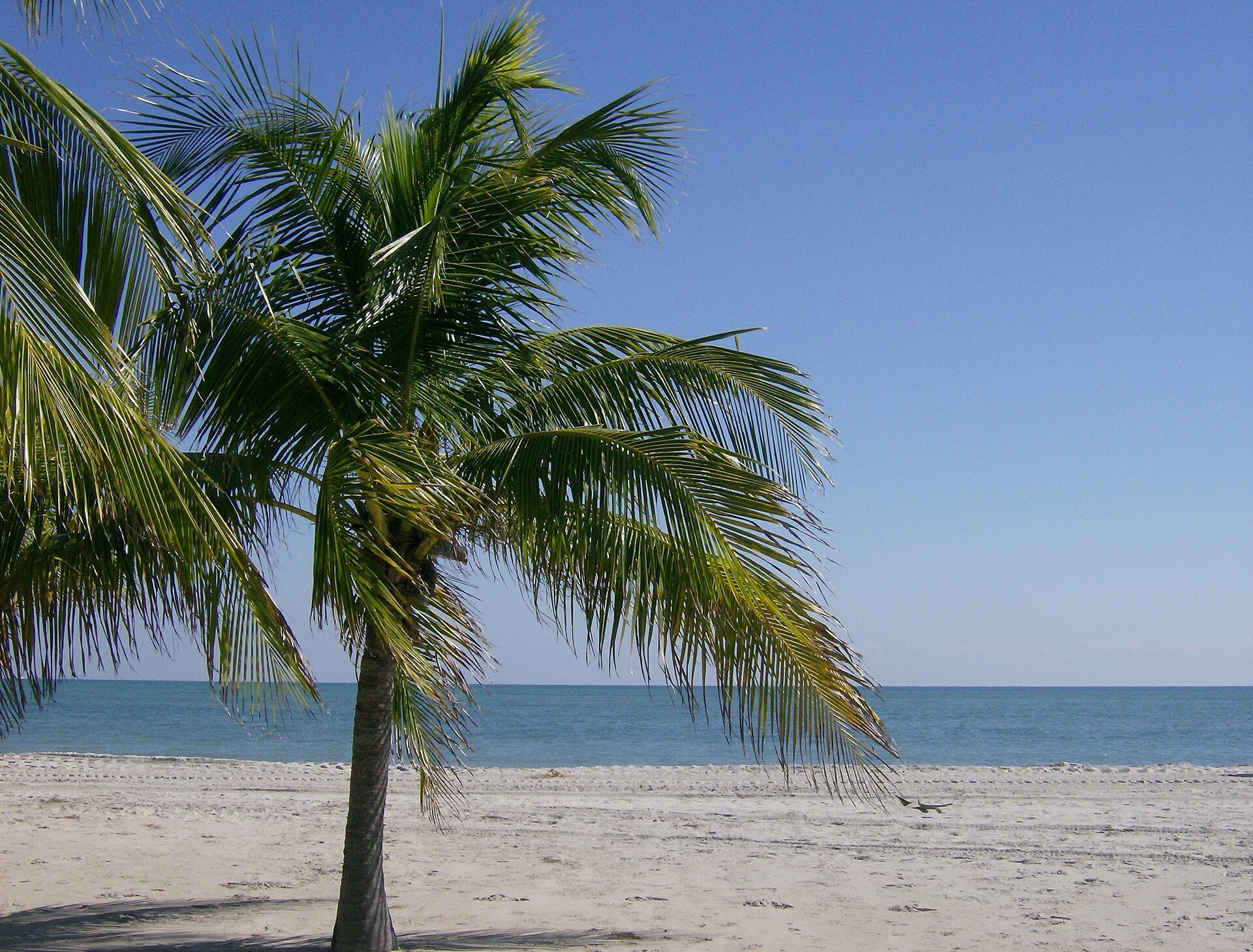
Crandon Park brings together an ocean beach, a marina and protected coastal habitat on Key Biscayne. Build a fishing trip around a confirmed permitted area or a legal boat route, rather than treating its swimming beach and preserve as open casting space.
Explore the guide ↓Start with three different waterfront settings
Crandon's name covers more than a strip of sand. The ocean beach serves swimmers and other visitors, the marina supports boating, and nearby protected habitat has separate purposes. Confirm the rules at the exact place you intend to use.
A marina launch can support a legal Biscayne Bay fishing trip, but it does not make every dock a fishing platform. Keep ramps and vessel slips clear. Check current launch arrangements before arriving with a trailer.
Bear Cut Preserve is managed for passive observation. Do not turn a nature walk into a wading or casting route. The flats habitat described here explains how fish feed in suitable authorized water, rather than authorizing fishing inside that preserve.
Ask park staff about any designated shore option. If none fits the visit, choose a lawful boat plan or leave the rod packed. Public admission alone does not settle an angling question.
Learn how sand and grass divide the bay
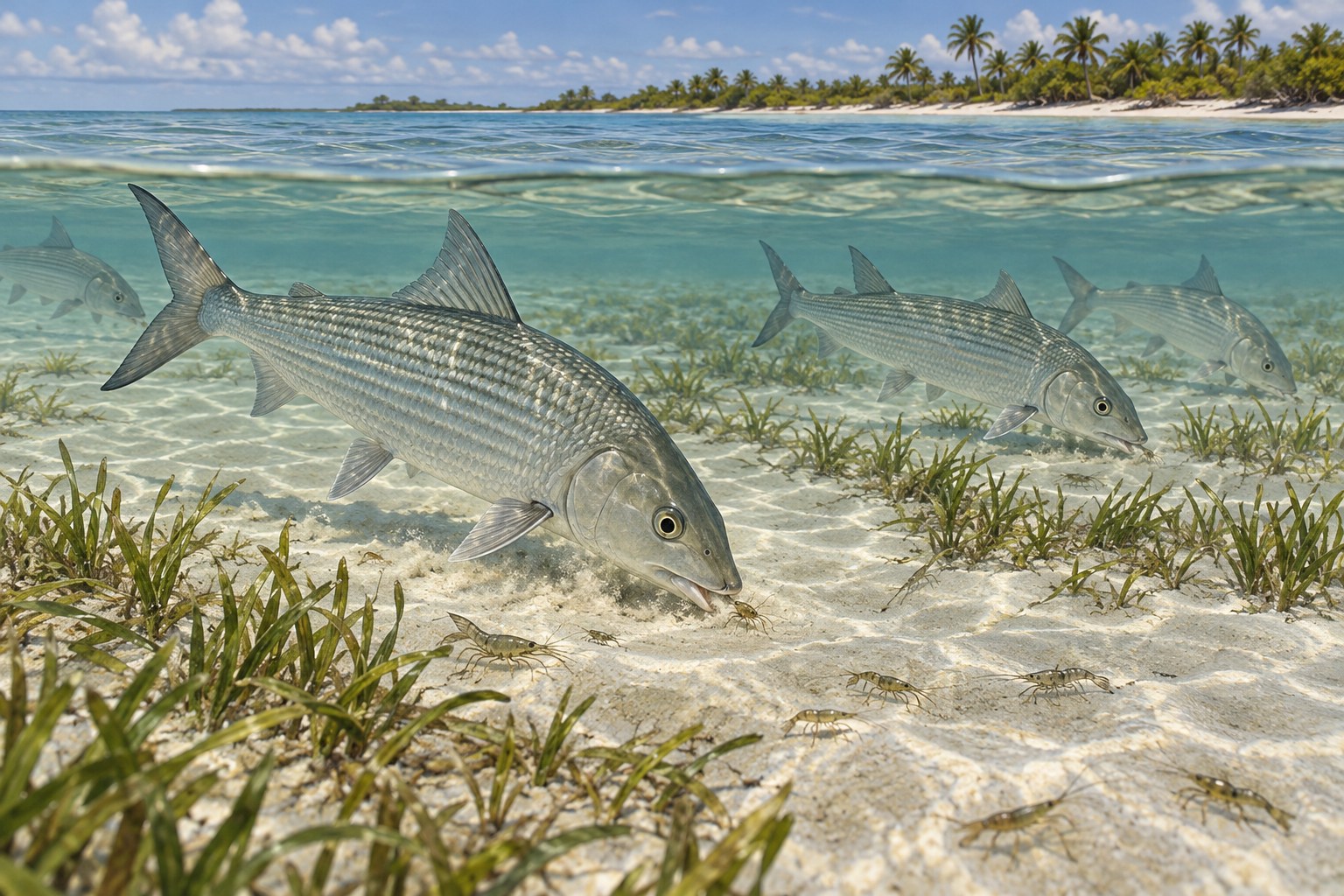
Seagrass can shelter shrimp and small fish, while neighboring sand allows a predator to search more easily. Look for the transition rather than assuming every green patch holds the same life. Water clarity and light determine how much you can actually see.
A pale sand pocket beside grass can be examined from a legal boat route without dragging an anchor through vegetation. Use a chart and watch the water ahead. A shallow-looking illustration cannot establish enough depth for your hull.
Wind can stir the bottom and hide a familiar route. Stop or turn toward a known navigable approach if visibility prevents safe travel. Fishing success is secondary to avoiding a grounding and damaged grass.
Approach a shallow-water fish quietly
Bonefish search suitable flats for small bottom prey. On an authorized route, scan for a moving shadow, a tail or a small disturbance rather than casting continuously. A pair of polarized glasses helps distinguish a fish from a dark grass clump.
A small shrimp presentation should meet the fish ahead of its direction of travel. Place it gently and allow the fish to approach. A bait splashing onto the fish is more likely to disturb it than explain where food is hiding.
Move slowly and avoid sudden pressure waves in very shallow water. When a fish changes direction, wait for a clear second chance instead of chasing it with repeated casts. The habitat illustration is a teaching view, not an invitation into restricted flats.
Try a small bait along an authorized deeper edge
Mangrove snapper can feed near suitable cover and deeper bay margins. A neat shrimp piece or small baitfish portion gives a controlled way to test open water beside that cover. Keep the hook point exposed and inspect short bites.
Choose weight from the actual drift. The aim is to follow the bait without wedging it into bottom structure. Retrieve before current carries the line toward a dock, mooring or inaccessible corner.
If soft shrimp disappears quickly, use a firmer small portion and shorten the interval between checks. A stripped hook cannot reveal much about larger fish. Change one part of the presentation at a time so the result remains understandable.
Treat permit as a careful flats project
Permit may search suitable open flats for crabs and other bottom prey. This is a sight-fishing project that depends on access, visibility and a quiet approach. It is not a promise that a park shoreline holds a waiting fish.
A crab presentation needs a clean route and enough room for a long run. Confirm current bait and species rules before preparing it. Keep line away from other boats and protect the grass when repositioning.
An inexperienced crew can learn the bottom and navigation first. A modest bay trip is more useful than forcing a difficult shallow-water target while unsure of the route.
Match the presentation to the observed habitat
Start with what is visible from a lawful position. The following choices describe general bay methods, and each still requires the appropriate access and current rules.
| Observed setting | Method worth considering | First check |
|---|---|---|
| Fish searching a clear sand pocket | Small shrimp placed ahead | Legal flats route and quiet approach |
| Recoverable deeper edge beside cover | Compact snapper bait | Line path and landing space |
| Permit visible on suitable open bottom | Careful crab presentation | Current bait rules and room to fight |
| Crowded swimming beach or preserve | Observation without hooks | Use a different authorized setting |
Prepare the launch as carefully as the tackle
Put tackle, safety equipment and the trip plan in order before occupying the ramp. Check fuel, the drain plug and the route while still in the preparation area. A congested launch is a poor place to discover missing essentials.
Carry a chart and a method of contacting help. Tell someone the expected return time. Keep a usable alternative when wind makes the original route uncomfortable.
Secure hooks before passengers move around the boat. A small organized kit allows quicker changes between a light flats presentation and a deeper bait approach without loose points underfoot.
Read wind and tide together
Incoming or outgoing water can move prey across a grass margin, but wind may change both clarity and drift. Watch a small floating reference or the bait line to understand the actual movement. A forecast is useful preparation rather than an exact picture of every corner.
A quieter wind window often makes sight fishing easier. In stirred water, a controlled bait method in a known legal deeper setting may be more realistic. Do not compensate for poor visibility by entering an unfamiliar flat.
Return before developing thunderstorms or rougher conditions remove the comfortable route home. Bay shelter can change quickly when the wind shifts.
Keep the grass and release fish in good condition
Follow current FWC licensing and harvest rules. Prepare a wet-handed release before the catch comes aboard, and keep fish supported. Bonefish and permit planning requires checking their particular protections before the trip.
Avoid propeller contact, dragging anchors and abandoned line in shallow habitat. Remove bait packaging and small tackle fragments from the boat before they can blow away. A careful return through known water completes the fishing day.
Common questions
Can I fish anywhere on Crandon's beach?
Do not assume that. Confirm a permitted angling area with park staff and keep hooks out of swimming space.
Is Bear Cut Preserve a wading fishing route?
No. Its passive-observation purpose should not be treated as permission to fish the protected flats.
Does the marina provide a boat-fishing option?
It supports boating access. Check current launch arrangements and use a legal navigable route, while keeping docks and ramps clear.
Is the bonefish illustration an exact location map?
No. It explains a general flats feeding situation and does not establish access, depth or the presence of fish.
Prepare for your visit
Check local tides and weather. Read more about mangrove snapper, permit, bonefish. Check current FWC saltwater fishing rules.