
SOUTHEAST ATLANTIC
Deerfield Beach
fishing guide
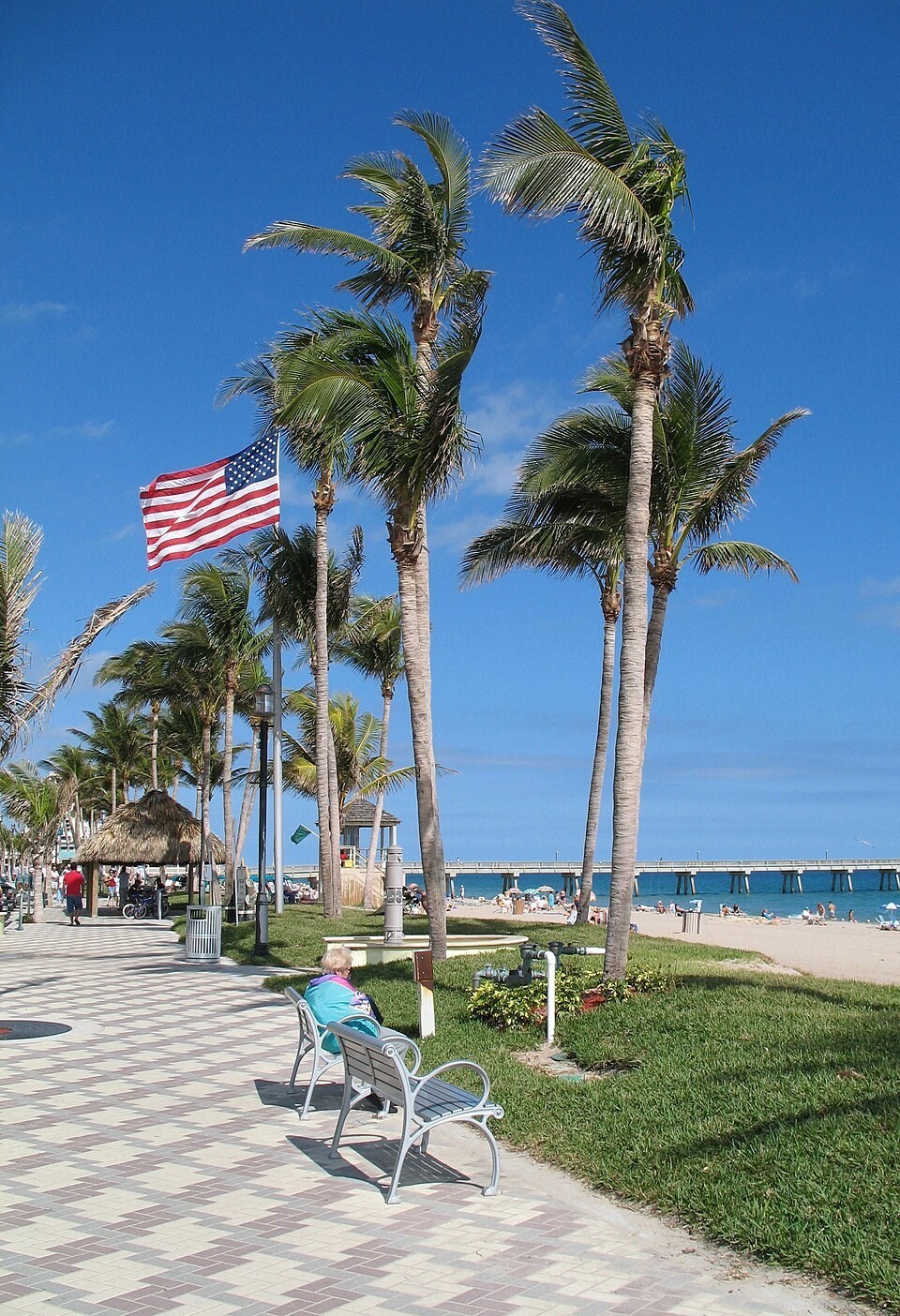
Deerfield Beach's International Fishing Pier offers a defined ocean fishing facility beside a popular public beach. Plan around pier rules, safe rail handling and the moving bait that can change a quiet session quickly.
Explore the guide ↓Start with the city's fishing facility
The International Fishing Pier extends into the Atlantic at Deerfield Beach. The city lists a daily 6 a.m.-to-11 p.m. schedule, with holiday or operational changes possible. Verify the current notice before an unusually early or late trip.
The reviewed city information gives separate fishing and sightseeing admission, including a fishing fee updated in February 2026. Check the current price and any eligibility conditions at the counter. Parking is a separate part of the budget.
Bait and rod rental services can make a first visit easier. Ask what is available and what the equipment is intended to catch. A rental arrangement does not remove the need to understand the hook, casting lane and landing method.
The beach and pier are different recreation spaces. Do not treat a pier ticket as permission to cast anywhere on the sand or through bathing water.
Choose the rail by current and room
Walk the available fishing section before spreading gear. Look at neighboring line angles and how floating material passes the pilings. A clear lane with manageable movement is a better first choice than a crowded famous corner.
Lower or cast the rig according to the current facility rules. Check the space behind the rod before making an overhead motion. Hooks and sinkers must remain controlled while people walk past.
A line drifting beneath the pier can rub structure or cross another rig. Adjust weight, cast angle or position before that happens repeatedly. A heavy sinker cannot compensate for an unsuitable lane.
Keep the walking passage clear of bags and spare rods. A fishing position should allow other visitors to move safely without stepping over tackle.
Test a simple bottom offering first
Shrimp pieces and small baitfish offerings can attract a mixed coastal catch. Keep the bait neat and the hook point available. A long tangled leader may hide the offering or carry it into a piling.
Use enough sinker to maintain contact under the local current. Check whether it returns cleanly after a short test. If weed or rough contact appears, change the presentation before setting more rods.
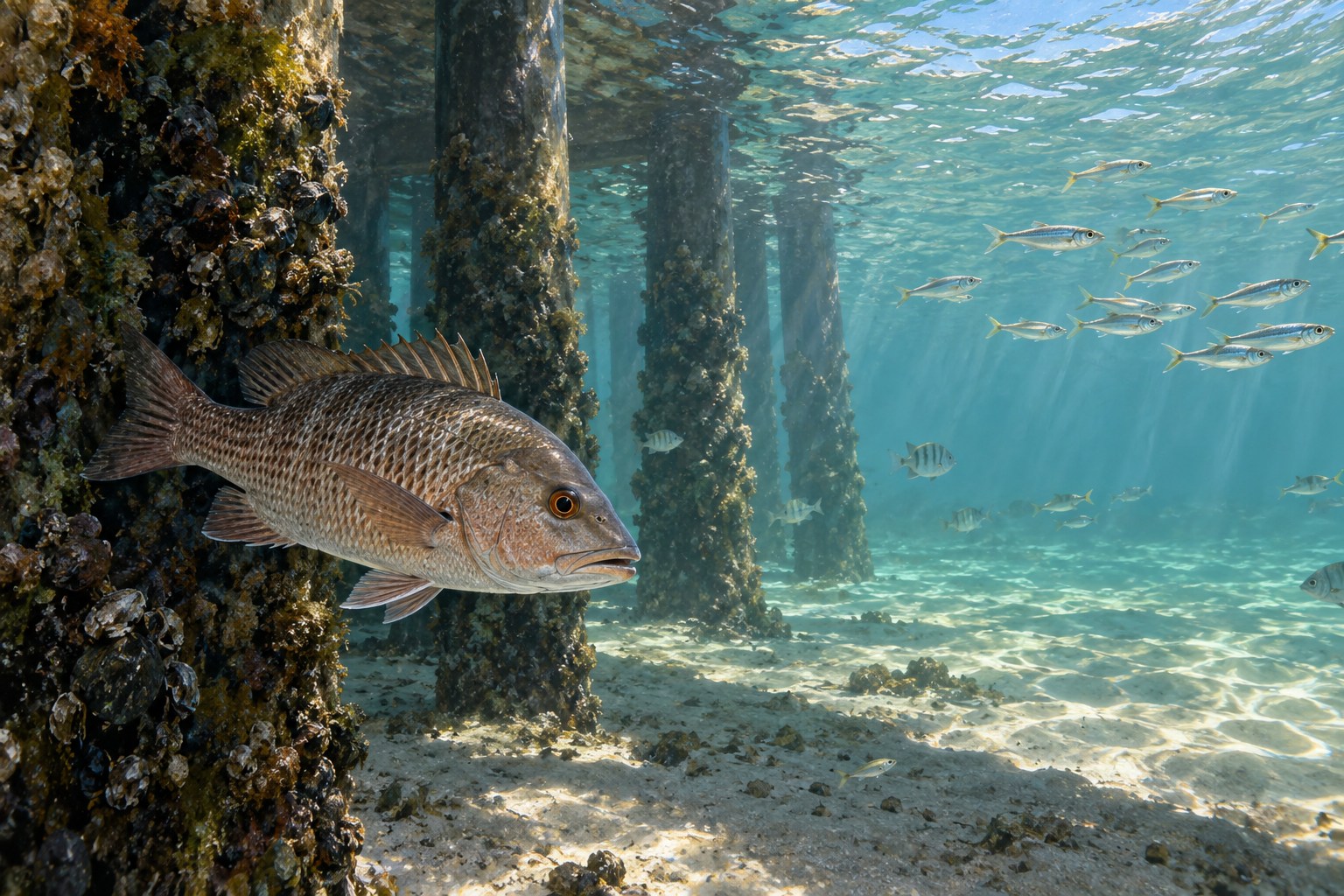
Mangrove snapper can use suitable structural feeding edges. Put a compact bait beside open water rather than inside a crack. Detecting a short bite and guiding the fish outward requires attention to one manageable rig.
Refresh bait when small fish strip it. A quiet rod over an empty hook does not show that the water is unproductive. Inspect the simplest causes before making a large tackle change.
Use a compact lure for a passing school
Spanish mackerel, bluefish and jacks may follow prey near the pier. Watch for bait scattering and repeated surface movement. Bird activity can help reveal the school, but hooks should stay clear of the birds themselves.
A small metal lure or jig can be cast into open water and retrieved under control. Use the school's edge and respect neighboring anglers' lines. Stop the cast when the usable lane becomes crowded.
Toothy species can damage leader quickly. Recheck it after a strike and keep pliers within reach. Avoid assuming that a small fish is safe to grip near the mouth.
Do not chase action beyond restricted sections or climb a rail for a better angle. A fleeting opportunity must fit the facility's rules and safe standing position.
Solve the landing problem before targeting larger fish
Snook can feed around suitable coastal structure and bait routes. A swimming lure placed beside open cover can search for them when that method is permitted. Current and pilings make tackle control important throughout the retrieve.
The height of a pier changes fish handling. Ask staff about approved landing equipment and release methods before pursuing a larger target. Lifting a fish by its leader risks injury and breakage.
Prepare the phone, pliers and measuring tool before a catch arrives. Keep any legal handling short and return release fish promptly. Never climb down the pier to solve a problem that should have been planned from the rail.
Use the small fish as information
Seeing prey near the surface helps choose lure size and depth. A small tight school may call for a compact profile rather than the largest lure in the bag. Watch how the school changes when a predator passes.
If collecting bait is part of the plan, verify the facility's permitted gear and current bait rules first. A method allowed elsewhere is not automatically acceptable at this pier. Keep unused bait and hooks away from walking visitors.
The habitat illustration explains a pier-edge feeding relationship. It does not identify a guaranteed fishing station or map the current seabed. Compare its idea with the water observed at the actual rail.
Make the first hour easy to understand
Try one presentation long enough to learn its drift and recovery. Change only the part that the result shows is failing.
| First observation | Useful response | What it teaches |
|---|---|---|
| Small bait stays clean | Give the lane time | Fish activity rather than fouling |
| Rig swings under the structure | Change angle or position | Where current carries line |
| Bait school crosses open water | Try a compact lure | Prey route and retrieve depth |
| Large fish cannot be landed safely | Reconsider the target method | Handling plan comes before a bite |
Plan an exposed ocean outing comfortably
Bring water and sun protection even when a strong breeze makes the rail feel cool. Keep valuables dry and leave the walkway open. A small kit is easier to move than a full collection of rods and coolers.
Check thunderstorms, wind and any facility notice before departure. Increasing wind can make line control difficult before the sky looks threatening. Staff instructions during changing conditions should be followed immediately.
An early or evening session can be useful when access and activity permit it. The tide is only one part of the choice. Bait movement, current strength and the available clear lane decide whether the method remains practical.
Leave with correct fish decisions and no loose line
Confirm the current licensing arrangement and FWC harvest requirements before fishing or keeping a catch. Identify unfamiliar species carefully. Release fish using the facility-approved safe method with minimal air exposure.
Collect every leader offcut and bait wrapper before leaving the rail. Note the current stage and cleanest presentation for the next trip. The beach may look unchanged while its bait and water movement differ considerably on your return.
Common questions
What hours does the city list for Deerfield's pier?
The reviewed page lists 6 a.m. to 11 p.m. daily. Check holiday, weather and operating notices before relying on that schedule.
Are fishing and sightseeing admission the same?
The city lists separate admission arrangements. Verify the current fishing price and any eligibility conditions at the counter.
Can a beginner rent equipment?
The facility lists rod rental and bait services. Confirm availability and ask staff how to use the supplied rig safely.
How do I land a large fish from the pier?
Arrange suitable permitted equipment and the release method before casting. Do not lift a large fish by the leader or climb down the outside of the structure.
Prepare for your visit
Check local tides and weather. Read more about snook, mangrove snapper, spanish mackerel. Check current FWC saltwater fishing rules.