
PANHANDLE
Dog Island
fishing guide
Dog Island is a remote barrier island offshore from Carrabelle. A fishing visit begins with boat access, landing permission and a firm return plan, not a roadside beach parking space.
Explore the guide ↓Arrange the island visit before buying extra bait
Dog Island sits offshore from Carrabelle in Franklin County. It has no road bridge connecting it to the mainland. County visitor information describes boat access and a hike for a beach visit, with no public stores or facilities to rely on once you arrive.
Arrange lawful landing and transport in advance. Much of the island contains private property, so a boat ride does not grant permission to use a yard, dock or beach route across it. Confirm the actual pickup place and time with any transport provider. A loosely assumed ferry schedule is not a reliable plan for returning after a long fishing day.
Understand the effort behind a surf session
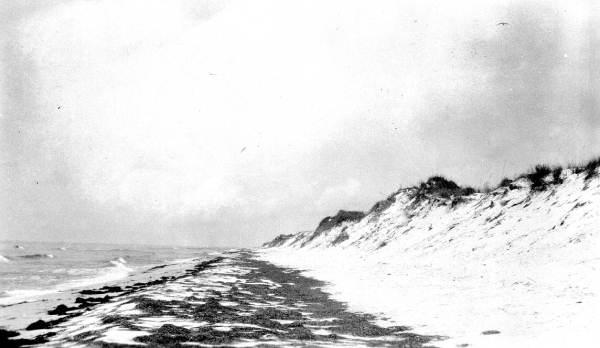
The Gulf-facing shore can offer clean sand, waves and the troughs used by small surf-feeding fish. Reaching it may involve carrying tackle from the landing. Use an established permitted route and stay out of protected dunes and bird nesting areas.
Pack only what you can carry back when tired. A cooler that seems manageable before fishing can become a major load in hot sand. Inspect the return path before wandering along the beach. Avoid treating a quiet island as an invitation to fish after your transport window or to assume emergency shelter is available nearby.
Make the sand-bottom bait easy to manage
A small piece of shrimp suits a straightforward whiting trial in a reachable Gulf trough. Keep the hook exposed and select enough weight to control the rig without excessive sideways movement. Fish closer first, because food can collect inside the first sandbar.
Small crustacean baits can also appeal to passing pompano. Watch the wave pattern for a workable lane rather than relying on a fixed casting distance. Carrying several huge rigs is less useful than having a few spare small hooks and leader. On a remote beach, a lost terminal rig should not end the whole planned session.
Treat sheltered grass flats as a separate habitat
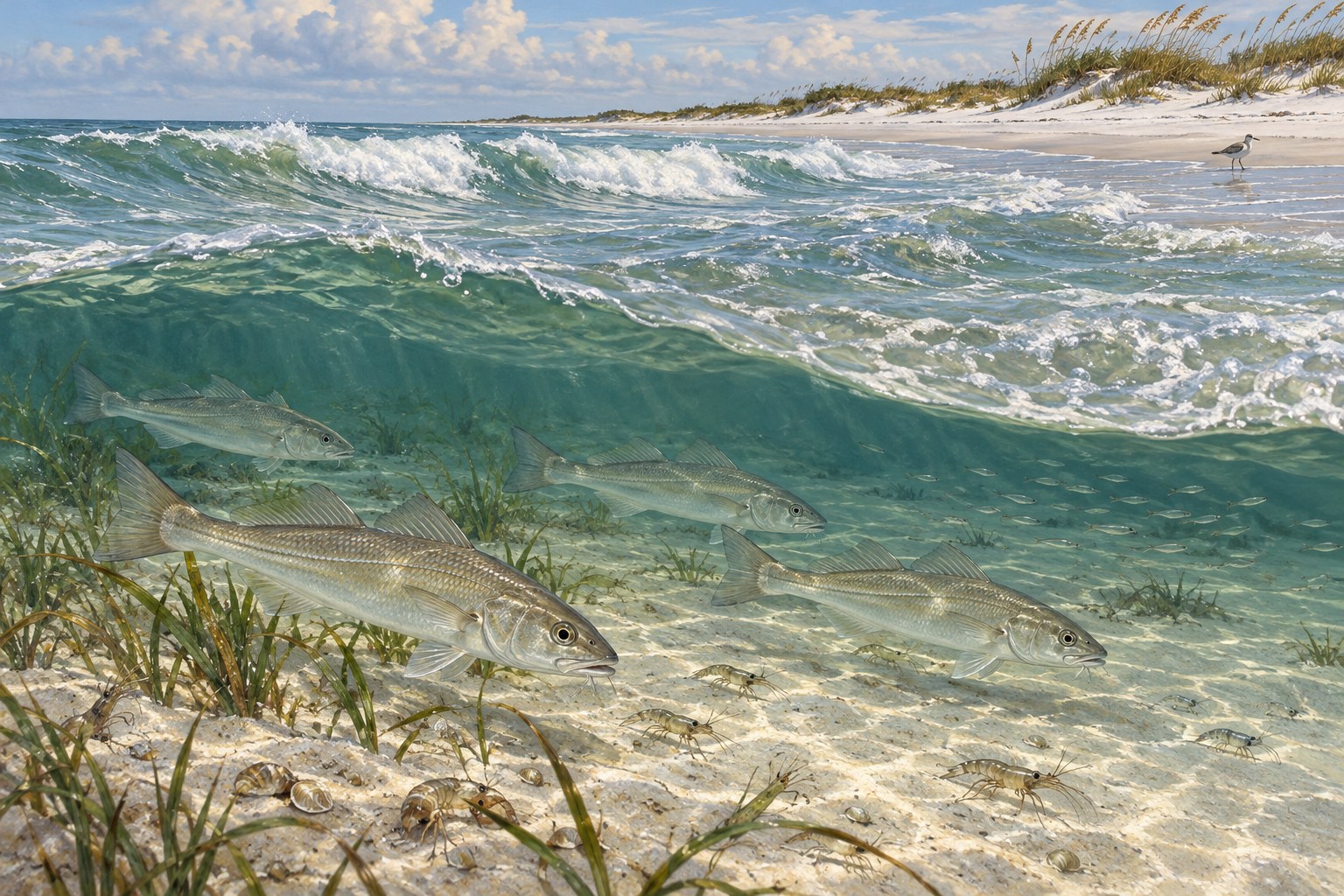
The island's bay-facing surroundings offer grass-and-sand habitat associated with redfish and spotted seatrout. Access to that water may be easier by boat than from the Gulf beach, depending on the authorized landing and shoreline. Do not cut across private land to connect the two.
With a boat, work outside the shallowest living grass. Use a paddle, pole or appropriate motor approach without digging into the bottom. A dark grass patch beside pale sand can guide a presentation, but depth must be confirmed before moving the craft through it. A beautiful flat is still vulnerable to propeller scars and repeated grounding.
Keep inshore food within the feeding lane
For trout over grass, suspend shrimp above the vegetation rather than pinning it to the bottom. Cast into a clear route and allow a natural drift. Shorten the float depth if the hook returns carrying plant material or catches every cast.
For redfish on cleaner sand edges, a compact soft plastic can be worked slowly near the bottom. Watch for a wake or small fish moving repeatedly along the bank. Approach quietly from the permitted side. Fish may leave an area after a noisy landing, so allow it to settle instead of making a string of hurried casts directly into the same disturbed patch.
Balance tackle with the things you cannot replace
Drinking water, sun protection and a communication method are more important than a third rod. Pack bait in a container that will not leak through the transport bag. Keep spare hooks and leaders in a closed box and secure the rod for the boat ride.
Bring pliers, a measuring tool, a small first-aid kit and enough waste storage to carry everything out. Check license and harvest rules before leaving the mainland. If retaining fish is part of the plan, bring suitable chilling capacity. Do not assume the island has ice, a cleaning table or a public trash container waiting for you.
| Trip choice | Fishing method | Transport consideration |
|---|---|---|
| Authorized Gulf beach walk | Small shrimp surf rig | Carry tackle both ways |
| Permitted bay-water trip | Float or light soft plastic | Avoid grounding on grass |
| Wildlife observation | No fishing gear needed | Respect the agreed landing route |
Evaluate the return weather before leaving the mainland
Wind can make the crossing less comfortable or less safe as the day progresses. A sheltered arrival does not prove a sheltered pickup later. Look at the wind direction, expected storms and marine forecast for the entire period away from the mainland.
Wear a life jacket in the boat and share the route with someone who is not on the trip. Agree on what happens if weather changes the pickup. A beach phone signal is not guaranteed to solve a missed connection. Never enter a pass or swim toward the transport boat to recover equipment or shorten a wait.
Leave remote habitat as quiet as you found it
Stay well away from nesting birds and do not walk through marked areas. A quiet beach can be busy wildlife habitat even without many human visitors. Repeatedly forcing birds to fly costs them feeding and resting time.
Keep lights, food and bait waste controlled. Avoid collecting historical material exposed by erosion or storms. Leave objects in place and report a significant find through the proper channels. Remote does not mean unregulated, and a low crowd level is no reason to ignore posted access, fire, camping or habitat protections.
Choose one manageable activity for the first visit
For a first Dog Island outing, pick either an authorized surf walk or a carefully planned bay-water session. Trying both may turn a relaxed trip into a long carry with a rushed return. Set a firm pack-up time that includes the walk back to the landing.
Record transport details, the approved landing and which water you actually fished. Keep catch claims separate from what you only hoped to find. A good island session ends with everyone and every piece of tackle back on the mainland. That reliable plan matters more than adding one last distant cast before the pickup boat arrives.
Common questions
Can I drive to Dog Island?
No. There is no mainland road bridge. Arrange lawful boat access and a confirmed return.
Are stores and public restrooms available?
County visitor information warns there are no public facilities or stores to depend on for a beach outing. Bring the needed supplies.
May I cross any property after landing?
No. Confirm landing and route permission, because private property is part of the island.
What should I fish on a first visit?
Choose one authorized setting, such as a Gulf sand-trough session or a separate legal bay plan, rather than trying to cover the island.
Prepare for your visit
Check local tides and weather. Read more about florida pompano, whiting, permit. Check current FWC saltwater fishing rules.