
SPACE / TREASURE COAST
Fort Pierce Inlet
fishing guide
Fort Pierce Inlet fishing guide with state park access, snook and flounder methods, current control, launch planning and surf alternatives.
Explore the guide ↓Start with the state park’s north-side setting
Fort Pierce Inlet State Park provides public access on the north side of the inlet, where Atlantic beach and moving inlet water meet. The variety creates fishing possibilities, but it also requires a clear choice of position and method.
Snook, redfish, flounder, trout and bluefish are among the fish associated with the park’s fishing setting. Their availability depends on habitat and conditions. A sandy beach lane is a different target area from current beside structure.
Use designated public routes and remain on safe surfaces. Strong water at an inlet is not an invitation to wade farther or climb onto wet rock for a better cast.
Confirm the entrance and the activity
The park’s main address is 905 Shorewinds Drive. Standard state park hours are 8 a.m. to sunset, subject to current notices. Check fees and any temporary access change before leaving home.
The park states that there are no lifeguards. Keep that in mind when choosing a shore position and supervising children. A fishing visit should not depend on entering unfamiliar water.
Tucker Cove provides a separate launch setting associated with the park, with its own access and fee considerations. Confirm the exact arrangement before bringing a kayak or canoe. Main-entrance admission should not be assumed to answer every launch question.
Spearfishing is not permitted in the park. Choose a lawful rod-and-line plan and read local signs for other activity boundaries.
Find the edge of the flow
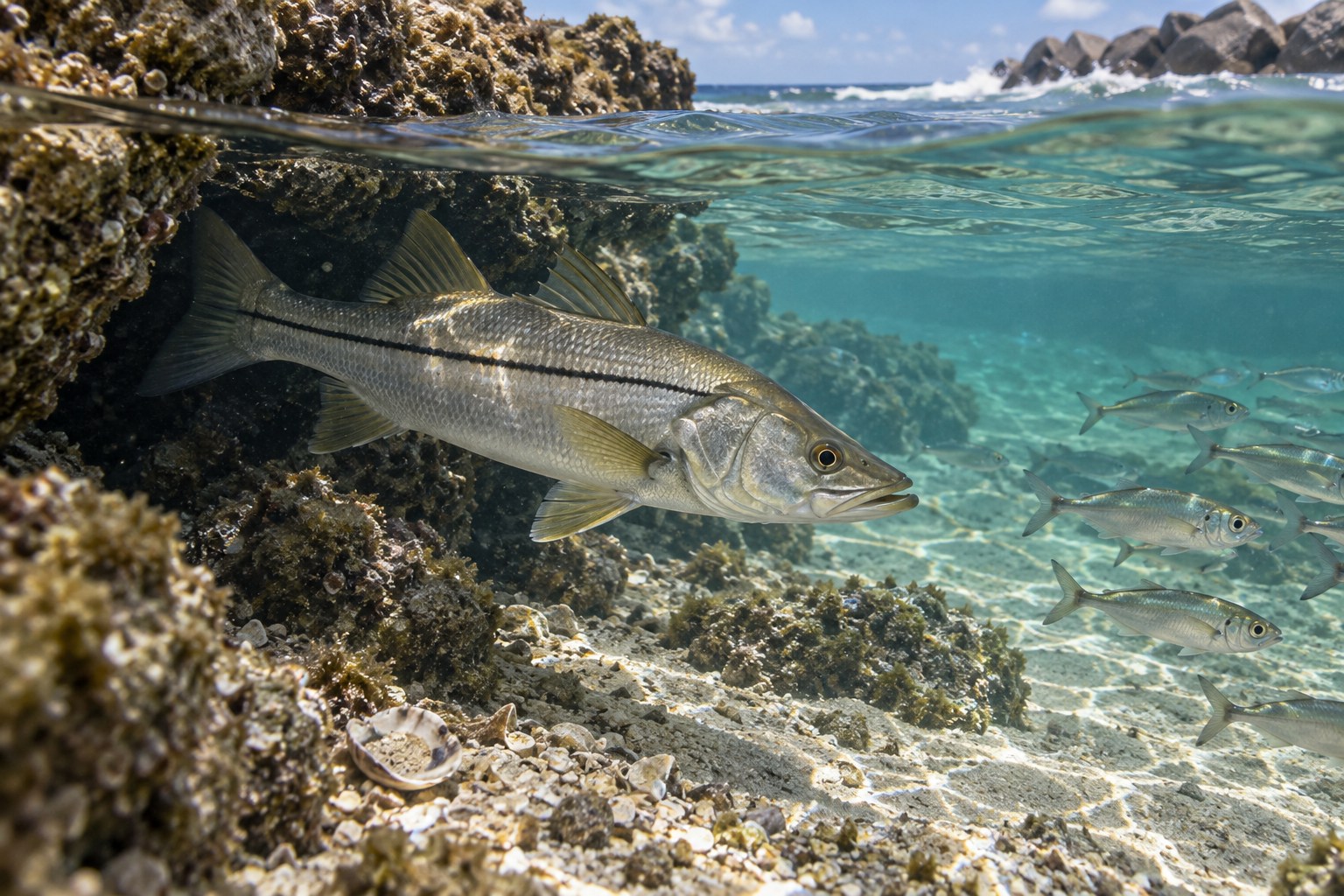
Look for a seam where fast water passes a slower pocket. A controlled bait or lure can remain useful along that boundary. Casting into the main force of the current may simply sweep the presentation away.
Use tackle that can handle abrasion and guide a fish away from cover. Keep the drag functional rather than locked completely. A sudden surge needs some controlled give.
Live bait can be presented naturally when the drift is manageable. A swimming lure offers another way to cover the seam. Adjust weight only enough to reach the intended layer without forcing the rig into rock.
Snook harvest rules need a current regional check. Plan a careful release unless you have verified that retaining the particular fish is legal.
Let habitat narrow the target list
| Habitat clue | Possible target | Method to begin with |
|---|---|---|
| Current seam near cover | Snook or redfish | Controlled bait or swimming lure |
| Sand beside reduced flow | Flounder | Slow jig near the bottom |
| Open estuary lane with bait | Spotted seatrout | Light swimming plastic |
| Surface bait chase | Bluefish | Compact moving lure with suitable leader |
| Beach trough away from inlet force | Whiting or passing pompano | Small surf bait over sand |
Only use a method where the access, casting space and landing route suit it. An attractive feature beyond a barrier is not part of the available fishing area.
Slow down over a clean sand edge
Flounder can wait close to the bottom for passing prey. A small jig worked along sand near a current break can test that kind of water. Use deliberate lifts and controlled settling rather than racing above the feeding layer.
Keep enough tension to distinguish contact. If the lure repeatedly catches rough ground, choose a cleaner lane or alter the angle. Constant snagging does not provide useful coverage.
A bait dragged far beyond control is difficult to fish effectively. Shorten the presentation when current strengthens. The target area may be small, so precise placement is more useful than a long uncontrolled sweep.
Check current flounder rules before retaining a fish. Seasonal restrictions can apply even when another species is the main target.
Use the surf as a separate option
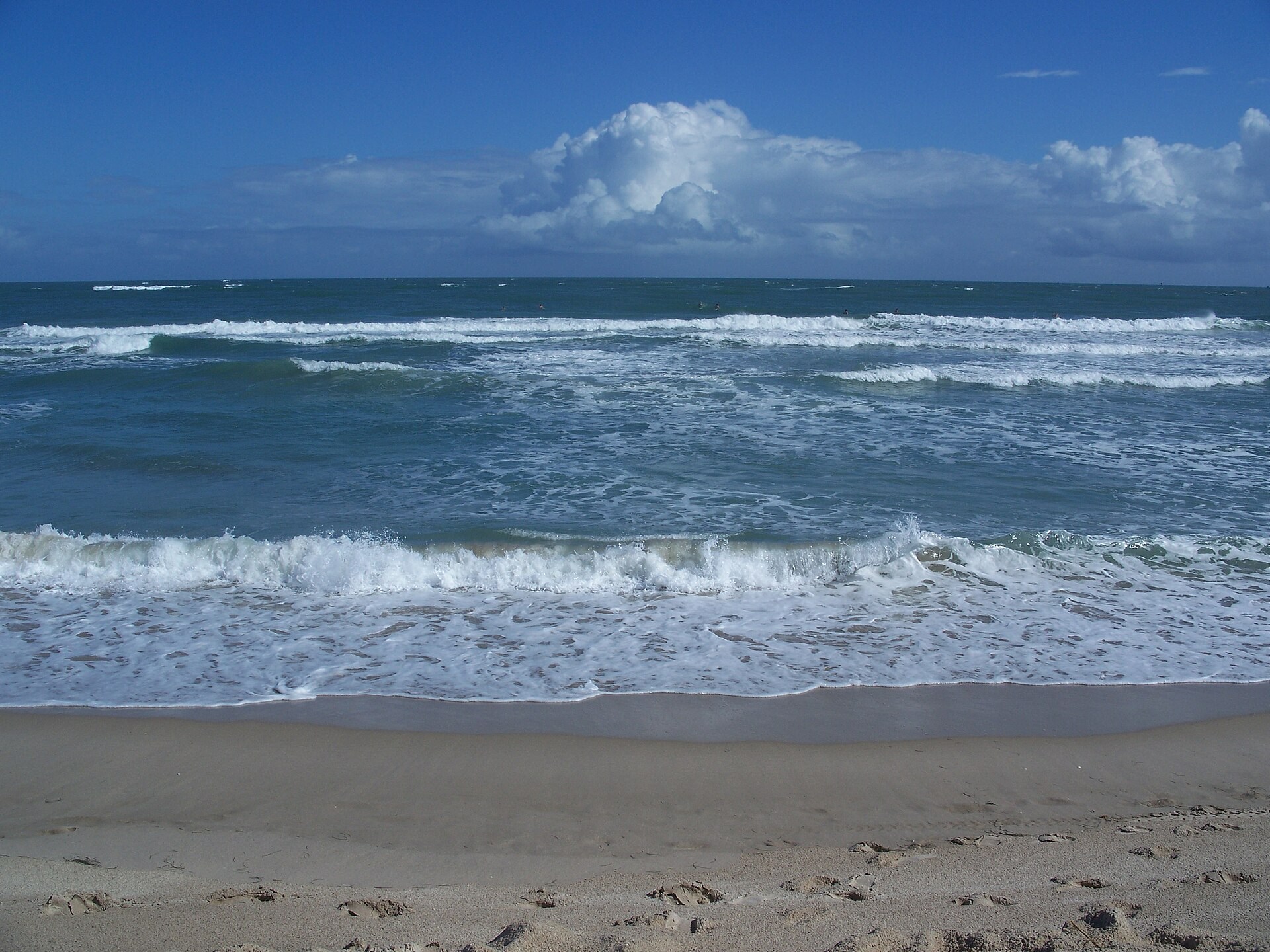
Where fishing is allowed and swimming activity is absent, the ocean beach can provide a simpler small-bait session. Watch the first bar and the deeper strip inside it. Begin with a moderate cast into that trough.
A short shrimp piece can interest whiting. Keep the hook point exposed and inspect the bait after small taps. If the first lane is quiet, test another distance without changing the entire rig.
Pompano may take a compact bait held above sand. Use appropriate bait and check any gathering rules before collecting it. Keep weight within the rod’s rating.
Do not move toward inlet current to gain depth. Stay in a safe shore position, particularly without lifeguards present.
Choose the landing place before the cast
Look at the shoreline or platform and decide how a fish could be brought to hand. A suitable net may be needed. Do not plan to lift a heavy catch by a leader or climb down a difficult surface.
Keep pliers and a ruler accessible. Support the fish’s body and minimize time on hot ground. A photograph should fit within a short handling routine.
Use caution around teeth and spines. A smaller fish can still cause an injury if it is handled casually while the hook remains in place.
If the position cannot support a safe landing, choose another target or move. The quality of a fishing spot includes the finish, not just the bite.
A cove launch does not make the inlet a beginner route
Launching into a sheltered area and traveling through an inlet are different decisions. Do not assume a kayak suitable for a quiet cove is suitable for the main channel, surf or strong current.
Keep a first route short, authorized and within your experience. Consider wind on the return, wear a life jacket and keep communication equipment reachable. Tell someone where you plan to go.
Watch for wakes and navigation traffic. Stow sharp tackle while moving and prioritize control of the craft when conditions require attention.
Avoid grounding in shallow habitat or stepping into unknown mud. Turn around while the route remains comfortably usable.
Watch the combination of wind and current
Inlet water can become rough when wind pushes against the flow. Review marine conditions as well as the general forecast. A calm parking area may hide much stronger exposure near the water.
Use the local tide and weather page for planning, then inspect the actual seam or beach lane. Tide height alone does not describe presentation control.
Leave promptly when thunder approaches. Keep a clear return route and enough time to exit before the park closes. A late bite does not extend park hours.
For a north-Hutchinson-Island surf alternative, compare Avalon State Park, including its important underwater-hazard note.
Use current rules and leave a clean position
Verify the applicable license and species rules through FWC’s recreational saltwater information. Park admission is separate from fishing requirements and does not remove local activity restrictions.
Keep legal retained fish chilled. Release others with wet hands and proper body support. Avoid dragging a fish across rock or dry sand for a photograph.
Carry out clipped leader and damaged hooks. If a rig keeps snagging, change the method before more tackle is left in the habitat. A cleaner presentation is better fishing as well as better stewardship.
Note the current stage and casting angle that remained manageable. Those details are more useful on a return trip than a general claim that the inlet was good or bad.
Build confidence with a short presentation
A first inlet session does not need a long cast. Place a simple rig in manageable water and observe how quickly it moves, how often it touches bottom and where it begins to approach an obstruction. Retrieve while the route is still clear.
Once that lane is understood, change only one part of the presentation. A little more depth, a different angle or a slightly longer drift can test another possibility. Making all three changes together makes the result harder to interpret.
Test the reel’s drag before fishing. It should release line smoothly under controlled pressure, matched to the outfit and target. Do not wrap line around fingers or lock the reel completely in an attempt to prevent every run.
Keep a spare leader ready and check it after contact with rough surfaces. Worn line is especially important at an inlet because a hooked fish may reach cover quickly.
If the manageable water disappears as the current builds, wait rather than forcing the method. Learning when an outfit stops being suitable is a useful part of learning the location. The safest and most informative first visit may include more observation than casting during the strongest flow.
Put the plan into practice
Have a replacement leader ready before beginning a session near abrasive structure. If the line feels rough after a retrieve, replace the damaged length rather than trusting it through another fight. Keep discarded pieces contained so wind cannot carry them into the inlet.
Fort Pierce Inlet fishing questions
Is this the north-side park?
Yes. This guide focuses on Fort Pierce Inlet State Park at Shorewinds Drive, not every public access around the inlet.
Are lifeguards provided?
The park states that lifeguards are not present. Keep the fishing plan conservative and avoid entering uncertain water.
Can I spearfish in the park?
No. The park’s activity rules prohibit spearfishing.
Can I assume Tucker Cove is covered by the main entrance plan?
No. Confirm its separate launch access and fee arrangement before arriving with a craft.