
FLORIDA KEYS & EVERGLADES
Fort Zachary Taylor
fishing guide
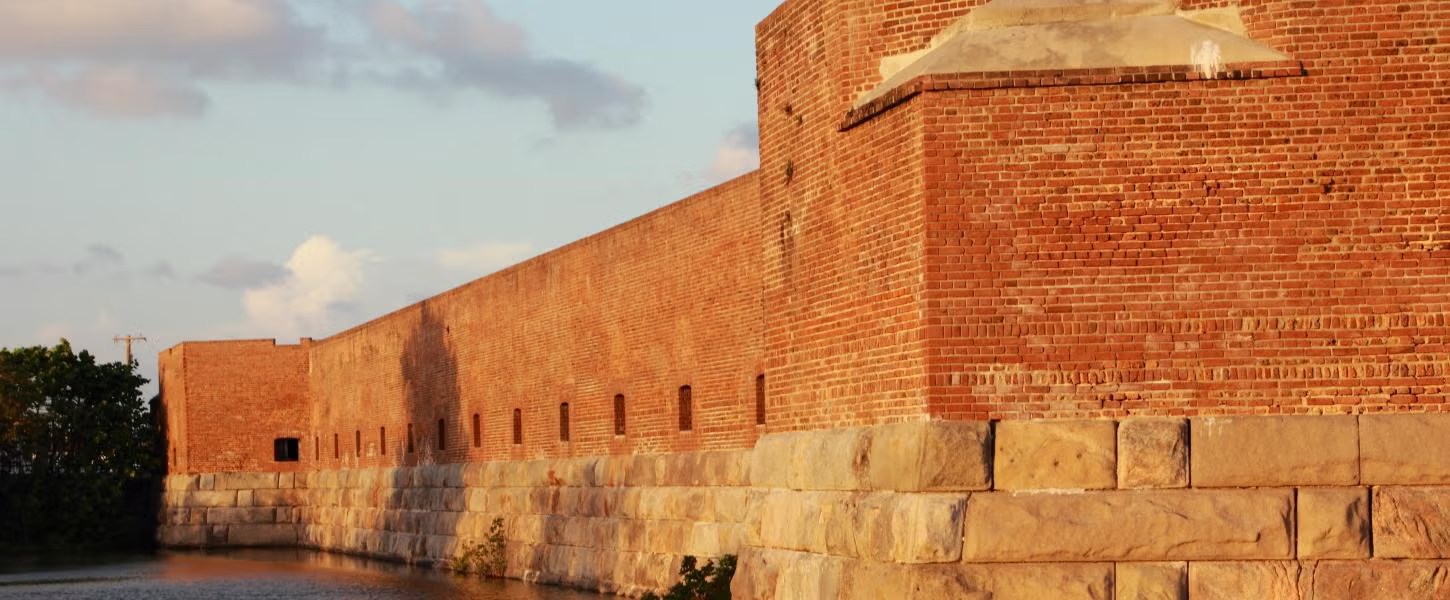
Fort Zachary Taylor combines a historic fort, a busy beach and water beside Key West’s shipping channel. Its approved fishing area is on the west side. Keep the fishing session separate from swimming space and changing boat traffic.
Explore the guide ↓Reach the park with a specific activity in mind
Fort Zachary Taylor Historic State Park is at 601 Howard England Way in Key West. The park normally opens at 8 a.m. and closes at sundown, while the fort has an earlier closing time. Check current notices before relying on a particular facility or section of shoreline.
Ask at entry where the west-side fishing area is currently open and how to reach it. The park's visitor service information identifies fishing along the Key West Shipping Channel. That is a different use from the popular swimming beach. Carry gear securely through shared routes and plan enough time to pack up before the park closes. A sunset photograph should not delay the departure.
Separate the channel edge from the swimming beach
The west side faces channel water used by boats, while beach visitors use their own recreation areas. Learn the boundary before choosing a casting angle. A view of fish from a swimming area does not turn that area into an available fishing position.
Choose stable authorized ground with room for the rod, line and other visitors. Do not climb slick shoreline rocks or use a restricted platform to gain casting distance. If a passing vessel or swimmer enters the line's path, retrieve early. A modest accessible position often provides a better session than an exposed spot that makes every cast and landing difficult.
Read moving water without chasing the strongest flow
A shipping channel can carry prey past its margins and provide depth close to shallower habitat. The most turbulent patch is not necessarily the best place for a shore angler. Look for an accessible edge where bait can move naturally without being pulled beyond control.
Boat wakes can arrive after the vessel has passed. Keep tackle above the reach of unexpected wash and stay back from slippery edges. A tide forecast describes broad water movement, not every local swirl. Watch several minutes before rigging. If the line would sweep into boat traffic or require excessive weight, choose a safer part of the approved area or shorten the session.
Choose fish that fit the available position
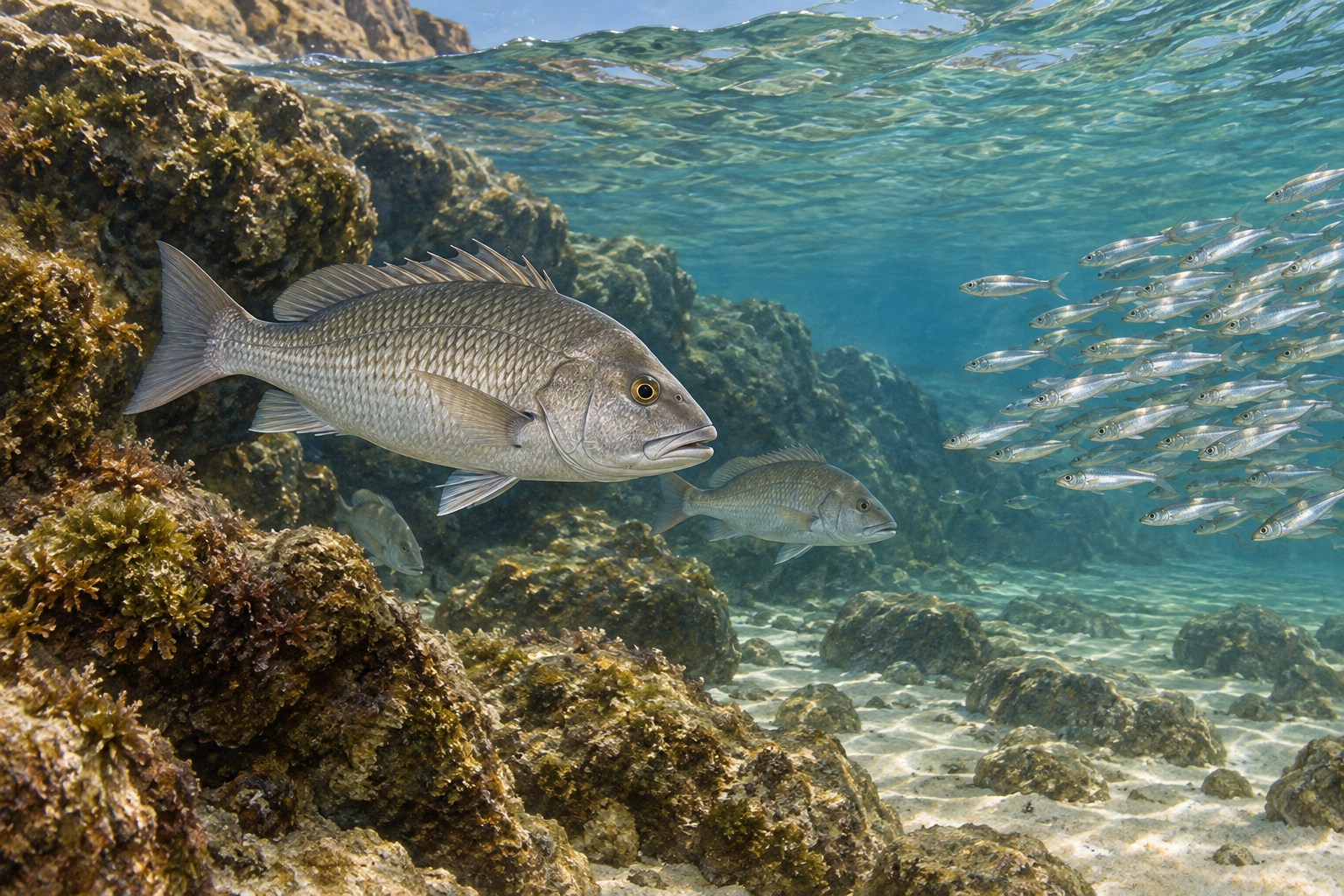
Snapper and jacks are reasonable habitat-based possibilities around deeper Keys edges and structure. Barracuda may hunt nearby baitfish. These are potential targets rather than a guaranteed species list for this bank. Match the plan to what is visible and to the landing space you can use safely.
Small baitfish gathered near an edge can suggest an active feeding route. Sudden surface movement might justify a few careful lure casts, but a distant splash should not tempt a cast across a navigation lane. Avoid targeting fish whose size would overwhelm the position. If an unexpected large catch arrives, concentrate on safe control and the relevant handling rules instead of trying to bring it onto a busy walkway.
Use modest bait where the current allows control
A small legally obtained shrimp or piece of baitfish can investigate a near-bottom feeding lane. Use only enough weight to keep the presentation where intended. Too much lead can wedge into rough bottom, while too little may carry the line into a conflict area.
Check the bait frequently for fouling and reset when it leaves the useful lane. A smaller offering can reduce unwanted tangles and suit modest snapper better than a large bait. Keep hands away from teeth and hooks during landing. Identify a fish before retaining it, and check current size, season and bag rules. Prepare to release the catch if the identification or regulation remains uncertain.
Cover the open margin with a controlled retrieve
A compact baitfish imitation offers a way to explore an allowed open edge without holding a bait in place. Start with short casts and watch how current changes the lure's path. Keep the retrieve high enough to avoid repeatedly snagging hard bottom or scraping living habitat.
A spoon or soft lure can be useful when baitfish move near the surface. Choose a size that the outfit can cast accurately in the actual wind. Pause or change pace when a fish follows, but keep control near the shoreline. Do not sweep the rod across another visitor's space to extend the retrieve. Replace a damaged leader before the next cast rather than risking loose tackle in the water.
| Approach | Presentation | Practical limit |
|---|---|---|
| Near-bottom edge | Small shrimp or baitfish piece | Current must remain controllable |
| Open surface lane | Compact baitfish lure | Keep clear of navigation |
| Busy or rough waterfront | Observation and fort visit | Do not force a casting position |
Prepare for abrasion and a simple release
Channel-side fishing calls for a smooth drag, a sound leader and enough rod control for the expected fish. Inspect knots and line for damage before reaching the water. Keep spare rigs minimal so they can be changed without scattering sharp items on the ground.
Pliers, a line cutter and suitable landing assistance should be within reach. Know where a modest catch can be handled safely before it bites. Avoid lifting fish by the leader from a height or dragging them over rough edges. Keep a release close to the water and make any photograph quick. If a position offers no workable landing method, it is not improved by a stronger rod alone.
Use wind, shade and tides together
Warm water can support active feeding, but Key West heat can make an exposed bank tiring. A comfortable morning window may be more useful than a longer midday wait. Summer storms require an early decision to leave open ground; the rod should be packed before thunder becomes an immediate problem.
Cooler-season fronts can bring gusty wind and rough channel water. Select the day with a manageable casting direction and stable access rather than assuming one season is always best. Observe whether the tide moves bait past the approved bank. Water color, boat activity and wakes can change the result even during a favorite tide stage. Keep the session short enough to finish safely within opening hours.
Pair a focused fishing stop with the park visit
The fort and beach give a group several reasons to visit even if angling is slow. Arrange a meeting point and keep the fishing gear in the fishing area. Non-anglers should not have to cross a baited line to reach their own activity.
Bring water, sun protection and footwear suited to the public routes. Store bait securely and remove scraps, line and packaging when leaving. Note the wind, current and safe casting angles that actually worked. Those details improve a return visit more than an exaggerated catch expectation. A useful outing ends with the park clean, the swim space clear and the group ready to leave before closing.
Common questions
Which side of Fort Zachary Taylor is identified for fishing?
The park visitor service describes the west side along Key West Shipping Channel. Confirm the currently open boundary with staff.
Can I cast from the swimming beach?
Use the authorized fishing area instead. A beach used for swimming is not the same space as the channel-side fishing area.
What matters besides the tide?
Watch wind, vessel traffic, delayed wakes, footing and the safe landing route. These can limit a shore session.
Is fishing the only reason to visit?
No. The historic fort, beach and coastal setting make a varied visit possible even when fishing conditions are unsuitable.
Prepare for your visit
Check local tides and weather. Check current FWC saltwater fishing rules.