
PANHANDLE
Gulf Place
fishing guide
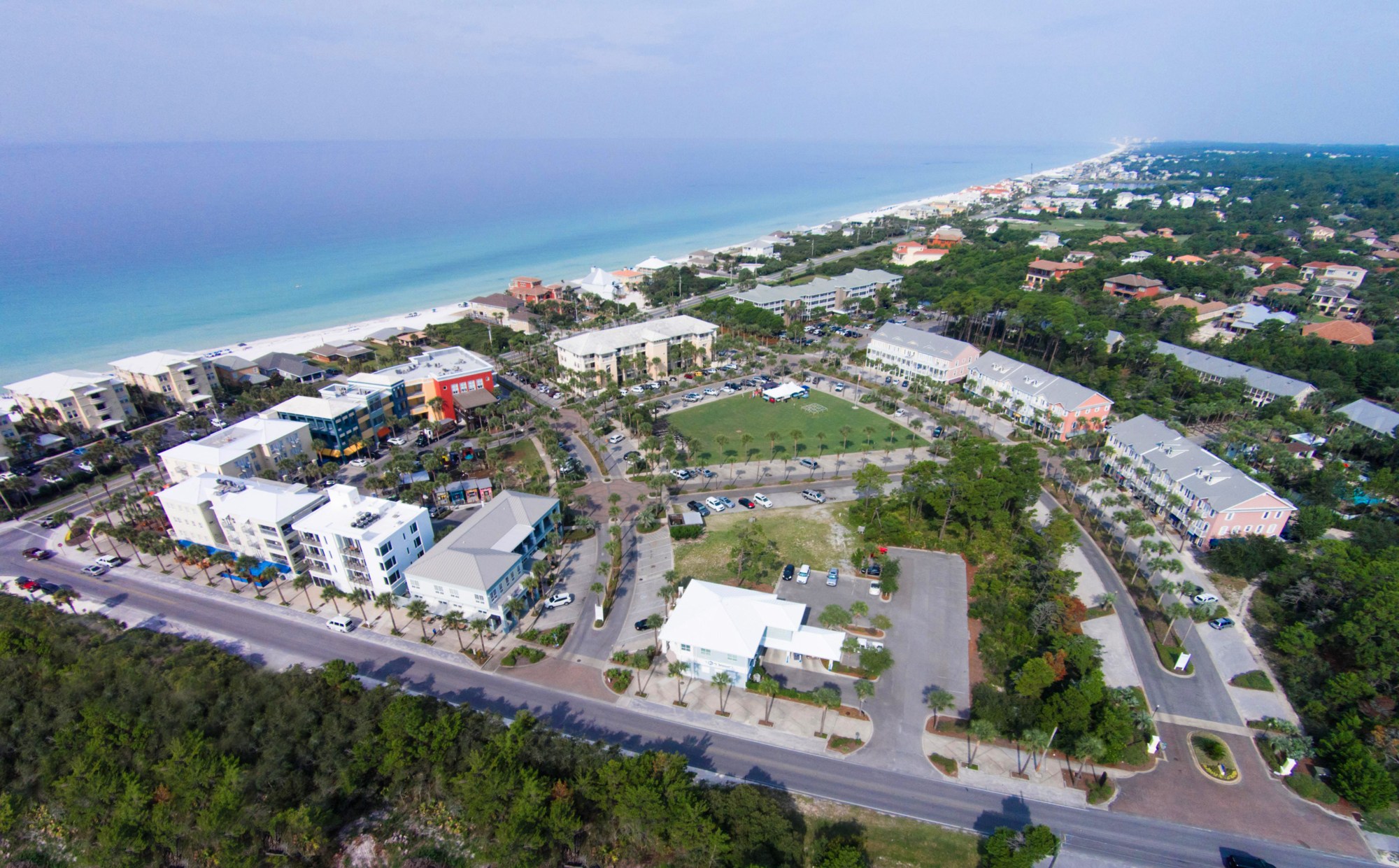
Gulf Place is a convenient 30A base beside Ed Walline Regional Beach Access. Its shops and nearby facilities can support a mixed beach day. For fishing, focus on a small safe lane in the Gulf surf and keep the public crossing clear.
Explore the guide ↓Use the named public access beside Gulf Place
Visit South Walton directs beach visitors at Gulf Place to Ed Walline Regional Beach Access. It lists parking, restrooms and bike racks, with seasonal lifeguard proximity. The public crossing is the practical starting point for a Gulf visit. A shop parking space or a nearby rental route should not be assumed to carry the same access rights.
Read the current signs for parking, beach use and any temporary restriction. The public coast is shared with swimmers and families, so inspect the water lane before bringing down several outfits. Keep the crossing and its approaches free of bags, bait containers and dangling hooks while you decide where fishing is practical.
Choose an arrival plan that fits the tackle
County tourism describes an Ed Walline Express connection from the 393 Park and Ride. Routes and operating hours can change, so confirm the service for the day. A shared tram journey is easier with a compact kit and secured rods than with an oversized cart and loose sinkers.
If arriving by car, use a lawful available space and leave room for pedestrians. If cycling, secure long tackle so it cannot swing into people on the path. Do not force a crowded or unsafe travel arrangement just to carry extra rods. A single attended outfit can make an enjoyable and useful first surf test.
Look for a feeding lane close to shore
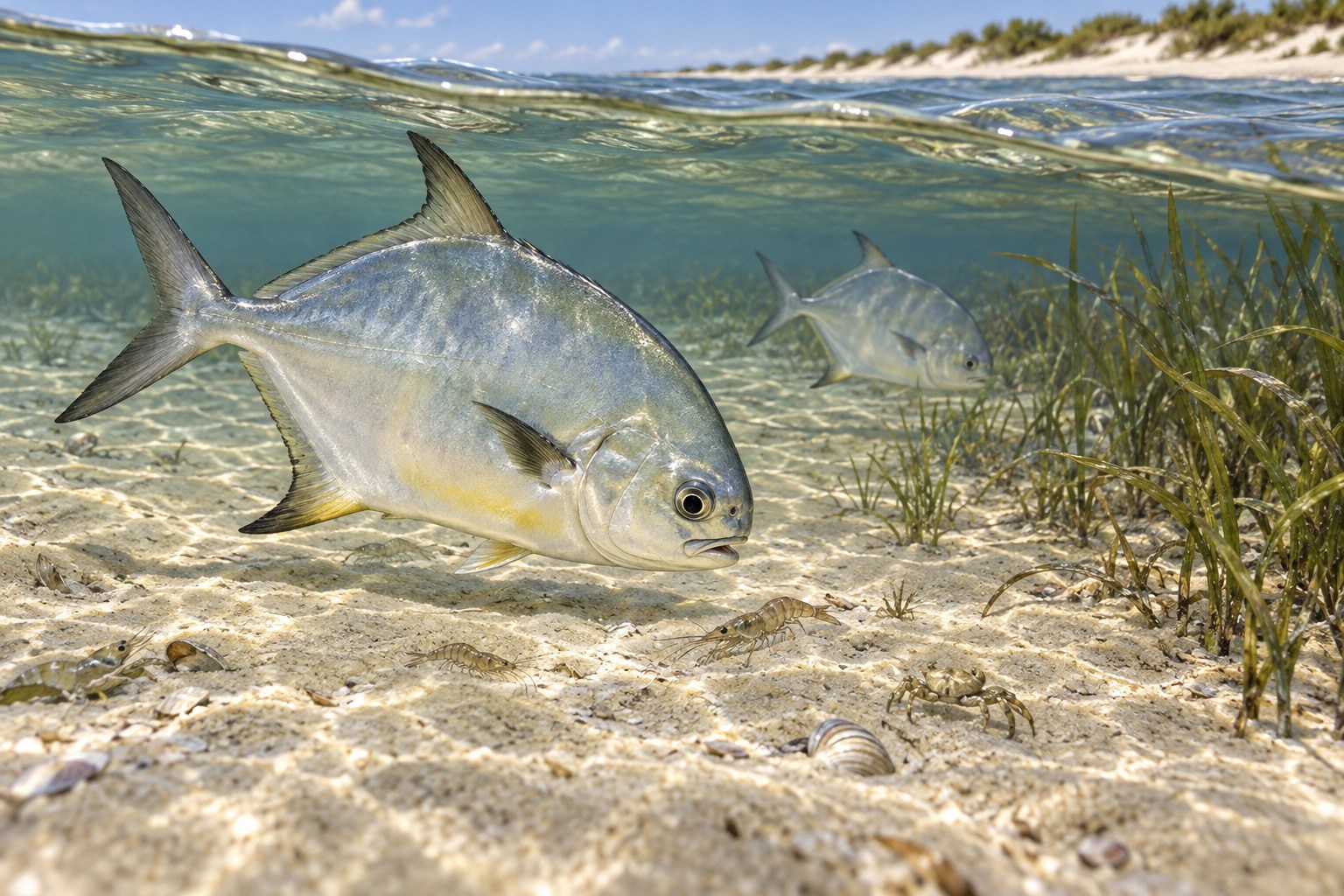
The first trough can be a better starting point than the farthest water. Watch where several successive waves break over shallow sand and soften into a neighboring depression. Small crustaceans can collect along that change. Test an observable lane with a controlled cast, then use the result to select the next distance.
A smooth gap through a bar may carry strong outgoing flow. Treat it as a feature to view from stable sand, not an invitation to walk farther offshore. Color differences also need interpretation: clouds, floating weed and disturbed sand can imitate depth. Wave behavior provides an extra clue before the bait reaches the water.
Use small bait for pompano and whiting
A little fresh shrimp is a flexible surf offering. Sand fleas or a prepared bait strip provide alternatives when targeting passing pompano. Use a tidy offering that leaves the hook ready to engage. A hook covered with a large soft bundle may return empty or fail to engage a fish even when the rod registers a bite.
Keep the bulk bait supply in a cooled container. Bring out only enough for the next few casts. Retrieve at intervals to inspect whether the offering remains useful. If small feeders remove it quickly, shorten the portion or use a tougher alternative before deciding that the casting range is unproductive.
Switch to a lure when prey and space agree
Small baitfish fleeing through an empty lane can justify a compact spoon or swimming lure. Ladyfish, bluefish and mackerel are possible passing predators along this coast, but no visible splash guarantees one of them. Observe repeated movement and match the lure to the prey size you actually see.
A lure plan requires clear room behind each cast and along the entire retrieve. Keep hooks under control when a breaker lifts them near shore. Stop when swimmers approach from the side. The opportunity to follow fish never overrides the need to keep public beach water safe for people already using it.
Match sinker and rod to the amount of wash
A modest outfit can work in gentle surf if it holds the chosen bait lane. Select weight inside the rod's rated casting range. First remove excess slack and inspect line bow when the rig moves sideways. More lead may help mild drift, but it cannot create a clear lane in water occupied by visitors.
Store spare leaders in a pouch and put damaged tackle in a closed container. Keep measuring and hook-removal tools reachable without opening a large box in the sand. A focused kit is useful at a busy regional access. The following checks connect what you see with a sensible change.
| What changes | Response | Limit to respect |
|---|---|---|
| The beach becomes busier | Retrieve early and reduce the spread | No lines in swimming activity |
| Bottom rig moves sideways | Review weight and line tension | Rod casting rating and safe lane |
| Bait strips quickly | Use a compact tougher offering | Keep hooks clear and bait cool |
| Visible prey enters an open lane | Try a small moving lure | Every cast and retrieve must remain clear |
Allow the fishing window to be shorter than the beach day
A mixed group can enjoy Gulf Place without making every hour a fishing hour. Agree on a clear fishing period and a meeting point. The shore may become more crowded as the morning progresses. End the rod session when safe space changes, then use the rest of the visit for a picnic or town walk.
Spring and fall can bring interest in pompano movement on the Panhandle. Hot months require extra water and lightning awareness, while fronts can alter cooler-season surf quickly. Tide predictions help organize time, but flags, waves and visible movement decide whether the rig is usable during that window.
Use services without placing tackle in shared spaces
Listed restrooms and bike racks make the public access convenient, but they are not tackle workbenches. Keep bait knives, hooks and fish waste away from common surfaces. Confirm beach-wheelchair arrangements ahead of time if assistance is needed. Accessible amenities do not guarantee that every sandy fishing position is easy to reach.
Stay on the designated crossing and out of dune plants and wildlife enclosures. Keep the walkway and emergency routes open. A small setup can move easily without dragging through protected terrain. Put bait away when birds approach rather than letting a flock gather around hooks and a landing fish.
Leave with the right catch and no loose line
Use current size, season and bag rules for the species you can confidently identify. Pompano and similar fish can confuse beginners. Measure correctly and release anything uncertain promptly. Keep the fish supported with wet hands during hook removal, and avoid dragging it across hot dry sand for a photograph.
Collect worn leaders, hook packets and every personal item before the return to Gulf Place. Check beside the rod holder for scraps that wind has pushed into footprints. The regional access stays useful when fishing occupies only the room it can safely share and leaves the next beach visitor an unobstructed route.
Common questions
Which public beach access is beside Gulf Place?
Visit South Walton identifies Ed Walline Regional Beach Access as the nearby public entry.
Is there a transport alternative to the beach lot?
County tourism describes the Ed Walline Express from the 393 Park and Ride. Confirm the current route, hours and practical tackle load.
What makes a useful first surf cast here?
A clear nearshore trough, a small bait and enough room away from swimmers provide a sensible starting combination.
Can I continue fishing as the swimming crowd grows?
Only while the whole line and casting area remain clear. Retrieve and pause when people approach your lane.
Prepare for your visit
Check local tides and weather. Read more about florida pompano. Check current FWC saltwater fishing rules.