
PANHANDLE
Indian Pass
fishing guide
Indian Pass combines a Gulf beach, a working tidal pass and nearby protected island habitat. Choose your access and water type before choosing your bait.
Explore the guide ↓Understand which Indian Pass water you mean
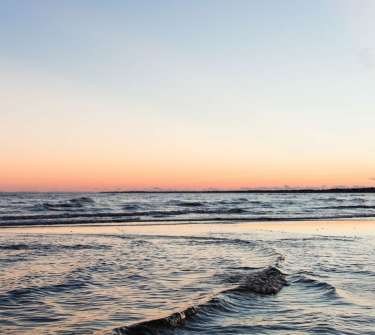
Indian Pass lies southeast of Port St. Joe, where mainland beach and tidal water meet the St. Vincent Island area. The beach, launch surroundings and pass itself are not interchangeable fishing positions. A broad sandy shore can offer a simple surf session while the nearby channel demands much more caution.
Use a recognized public beach access or an authorized launch. Do not treat every space beside a road, private campground or dock as public fishing land. Ask about current parking and posted restrictions before unloading. For a first visit, separate the shore plan from any boating plan rather than assuming one access solves both.
Watch the pass without stepping into it
Water squeezed through a pass can move fast even when adjacent Gulf waves look small. An outgoing flow meeting wind or swell can produce standing waves and confused water. A sand edge that looks firm can end abruptly beside a channel.
Fish from a stable legal bank with room to land a catch. Keep children away from the channel margin, and never swim after a floating bait bucket or rod. A visible current seam may concentrate food, but it is not worth an unsafe landing position. If the line sweeps out of control, move to a quieter beach lane or end the attempt.
Use the Gulf sand for a simpler first catch
Whiting are a realistic starting target in sandy surf water. Thread a little shrimp onto a small hook and cast to a trough you can hold with modest weight. The closest fish may be inside the first bar. Give that water a fair test before trying to gain more distance.
Pompano are possible traveling visitors along the Gulf beach. Small shellfish-style baits suit their feeding habits. Look for a manageable wave pattern with some water moving over clean sand. Do not confuse a long list of regional species with a promise that all are present within casting distance on the same day.
Work a redfish presentation along a recoverable edge
Redfish search shorelines, sandy channels and shell margins for crabs, shrimp and small fish. A natural shrimp or a compact soft plastic can offer a useful starting presentation from a permitted bank or legal boat position. Aim beside cover instead of burying the bait in the roughest material.
Let the current carry food naturally through the chosen lane. Add only enough weight to guide the offering rather than anchor it in a dangerous snag. Redfish can pull strongly near a channel. Use a smooth drag and identify a safe landing place beforehand. Current regulations determine whether a caught fish may be kept.
Treat nearby grass habitat as a separate boat trip
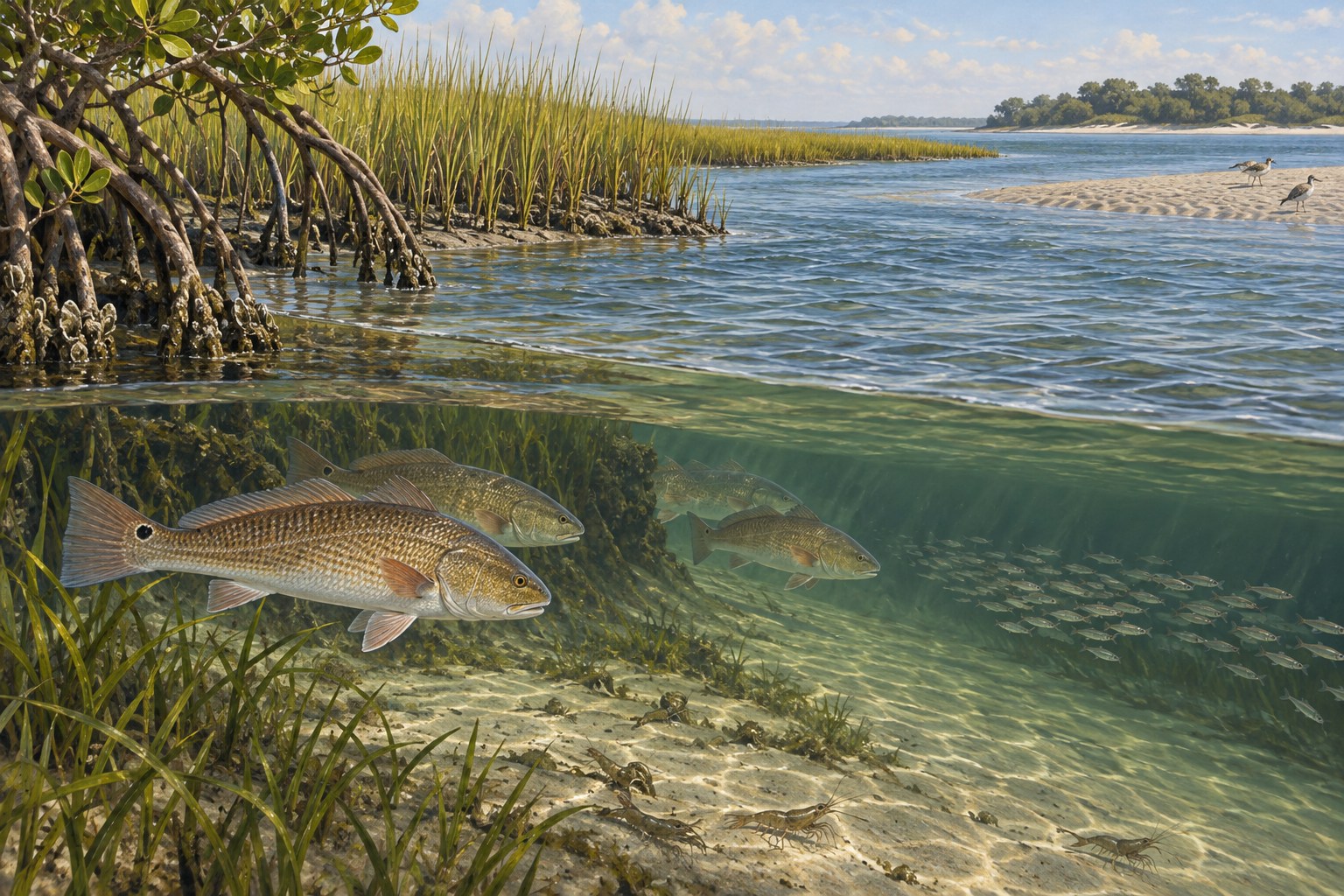
Sheltered water around the wider Indian Pass area can provide grass-and-sand habitat for spotted seatrout. It is not all reachable from the public Gulf beach. A boat or kayak expands the water available, but also adds navigation, access and weather responsibilities.
Present shrimp under a float above submerged vegetation, or swim a light soft plastic along its cleaner margin. A heavier lure often collects grass rather than reaching more fish. Look for bait movement and changes in bottom color from an appropriate distance. Do not cut across shallow living grass with a propeller or drag a paddle through it.
Choose tackle for the intended water, not the biggest story
A surf rod with a rated casting weight suits an attended bottom rig on the beach. A medium inshore spinning rod makes more sense for light jigs and shrimp in calmer water. Neither outfit makes the pass a safe place to wade.
Keep a few alternate sinkers and abrasion-resistant leader material handy. Shell, sand movement and fish teeth can weaken a leader without an obvious break. Inspect it by sight and touch after retrieves. Carry pliers, a measuring device and a wet-hand landing plan. Do not use a heavy offshore rig simply because large fish sometimes pass through this region.
| Water choice | Useful approach | Main limit |
|---|---|---|
| Gulf beach trough | Small shrimp bottom rig | Swimmers and surf |
| Legal channel bank | Current-guided shrimp | Stable landing and flow |
| Open bay grass edge | Shrimp float or light jig | Navigation and seagrass protection |
Plan around wind as carefully as water level
Spring and fall can offer comfortable temperatures and opportunities for coastal fish moving with bait. Summer heat favors an early, short session with shelter planned for storms. A cold front can change both fish position and the quality of the exposed shore.
A tide chart gives expected water level near a station. Local channel current may not peak at the printed high or low tide time. Observe the actual drift of foam and suspended material before selecting a presentation. If wind pushes against the current, be especially conservative about boat travel near the pass entrance.
Know where protected St. Vincent habitat begins
St. Vincent Island is a national wildlife refuge, not an extension of a mainland beach parking lot. Boat access, refuge opening conditions and designated-use rules need a separate check. Closed nesting areas remain closed even if the sand beyond them appears empty.
An island landing must respect sensitive dunes and posted routes. Do not assume an overnight stay, campfire or vehicle access is available. Carry out all waste and avoid disturbing wildlife to gain a casting position. From the mainland, enjoy the island view without presenting it as proof of an approved route to a distant beach.
Leave time for a controlled return
Start with one public access and one water type. A compact bait session on the Gulf side is easier to assess than a rushed trip through beach, pass and bay in one afternoon. Keep spare drinking water and a dry place for your phone.
For a boating visit, share the destination and return time with someone ashore. Check fuel, life jackets and weather before leaving the ramp. Record the launch condition and the direction of the pass flow when you return. Those details make the next Indian Pass trip more useful than an unverified claim that one tide always produces fish.
Common questions
Is Indian Pass suitable for a casual swim while fishing?
The tidal channel can have strong flow and sudden depth. Keep a fishing plan separate from swimming and avoid entering the pass.
Can I reach St. Vincent Island by road?
No road joins the island to this beach. A separate legal boat-access and refuge-use plan is required.
What is an easy beach bait here?
Small pieces of shrimp on a controlled surf rig are a useful way to test sandy water for whiting.
Are seatrout found in the open Gulf surf?
The wider region has seatrout habitat, especially grass-and-sand bay water. That habitat may require a separate permitted boat or shore access.
Prepare for your visit
Check local tides and weather. Read more about florida pompano, whiting, permit. Check current FWC saltwater fishing rules.