
SOUTHEAST ATLANTIC
Oceanfront Park Beach
fishing guide
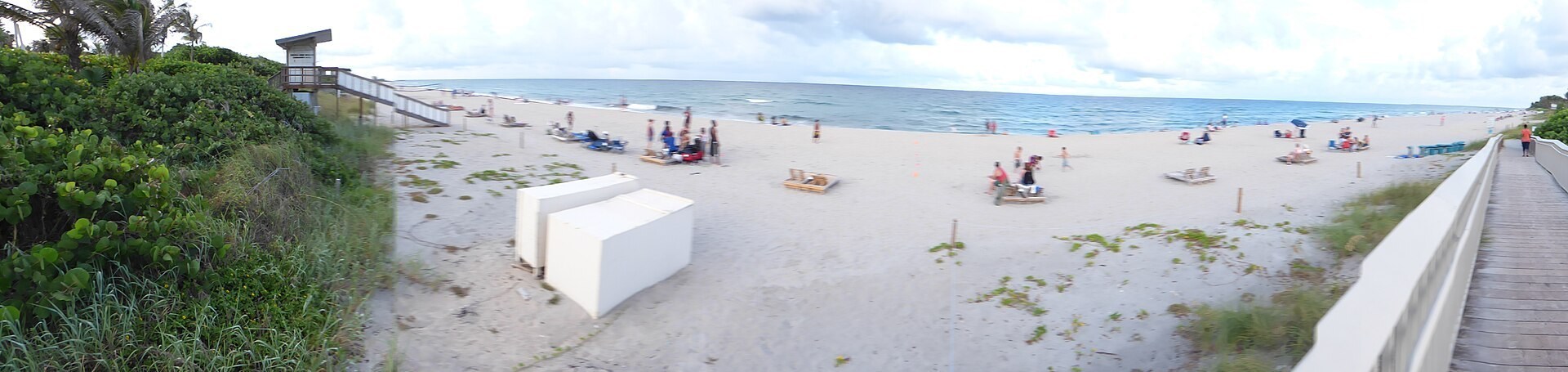
Oceanfront Park Beach is Boynton Beach's ocean recreation park in Ocean Ridge. Its guarded beach and designated water-sport areas require checking the actual fishing permission before selecting a surf method.
Explore the guide ↓Find Boynton's ocean park in Ocean Ridge
Oceanfront Park Beach is at 6415 North Ocean Boulevard in Ocean Ridge and is operated by the City of Boynton Beach. That combination can confuse a first-time visitor looking for the correct park information. Use the city's Oceanfront Park guidance for the facility.
The city lists sunrise-to-9 p.m. access and staffed lifeguard hours. Fees and parking arrangements should be checked before visiting. The opening schedule is not itself a statement that fishing is allowed throughout the beach.
Surfing and skimboarding have designated ends of the beach. Those water-sport sections should not be interpreted as automatic angling areas. Ask Beach Headquarters about the current fishing location and timing.
If no suitable fishing section is available, keep the rods packed and enjoy the beach or choose a separately permitted nearby facility. Ocean Inlet Park has a different inlet-fishing arrangement.
Build the fishing plan around an approved lane
A useful beach-fishing lane must be both permitted and clear of people. The line travels through air and water, so a gap on the sand alone is insufficient. Look at swimming, board use and the space behind the rod before setting up.
Keep one rod under direct attention. Multiple holders can turn a small approved opening into an obstacle for other visitors. Stop when beach use changes rather than expecting the first gap to remain empty all afternoon.
Do not cast over bathers toward deeper water. A long line can still cross the swimming space and place the hook where people move. When permission is unclear, ask instead of relying on another visitor's activity.
Understand what a sand trough offers small fish
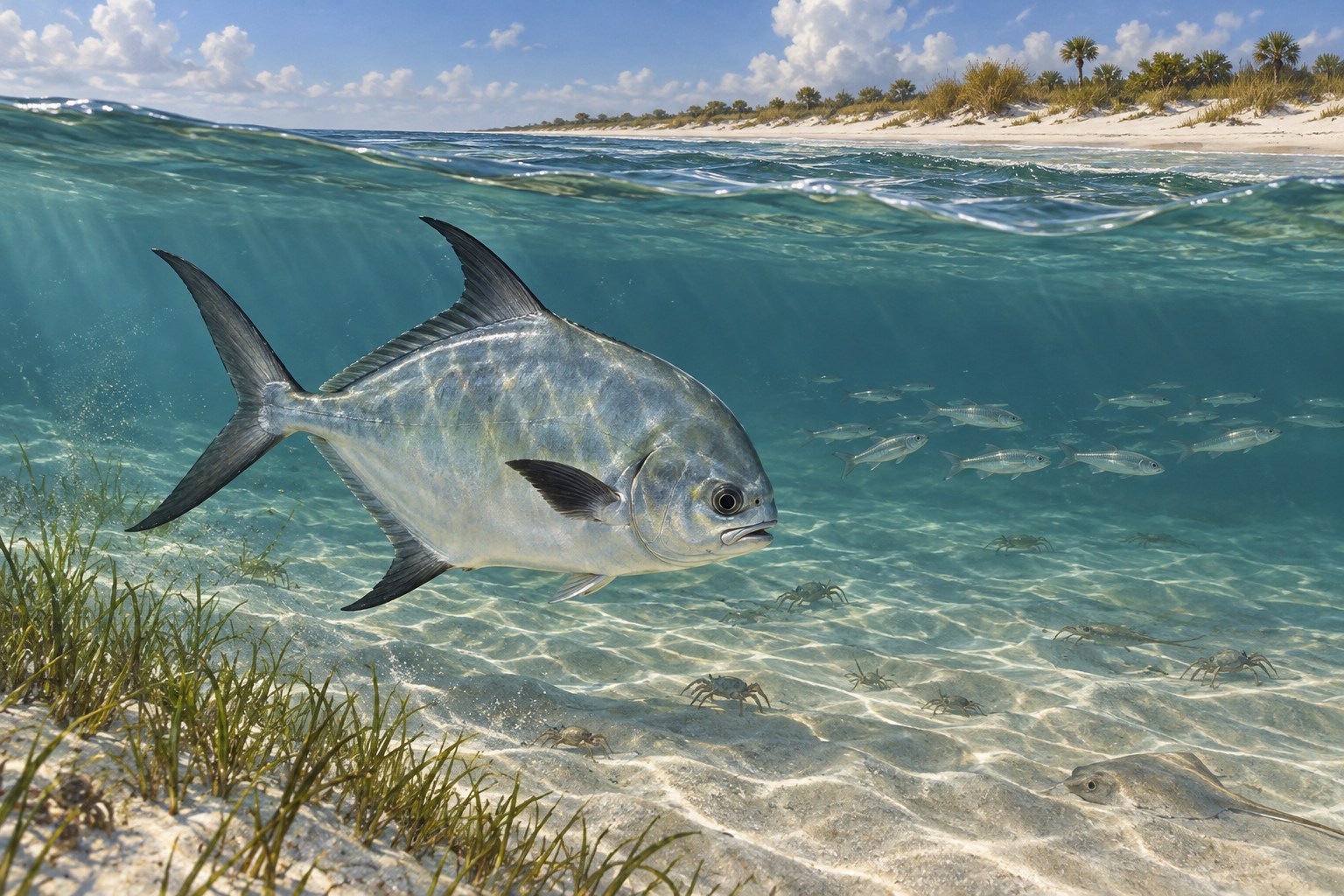
Breaking waves stir small prey from sand and carry it along the shore. A trough inside a bar can collect that movement. Whiting and pompano may use suitable sections when the conditions and season fit.
The important feature is a clean lane where the bait can be presented and recovered. A dark patch might indicate depth, but it can also be shadow or stirred material. Watch several sets and compare what the rig brings back.
Begin with a nearby cast rather than maximum range. If the sinker holds and the bait remains clean, give that water a fair test. A farther placement is worthwhile when it reaches a different useful lane.
The habitat illustration describes this general surf relationship. It does not establish current beach depths or authorize a position within the guarded area.
Use a neat surf bait that survives the waves
A small shrimp piece is easy to carry for a short session. Prepared strip bait can remain on the hook when soft offerings are quickly stripped. Sand fleas are another natural-prey option when available through lawful collection or purchase.
A short leader above a steady sinker helps keep the bait from lying buried in sand. Leave the hook point exposed and untwist the rig after a spinning retrieve. One carefully managed hook can be more useful than several fouled ones.
Check the bait after a missed bite or an extended quiet interval. An empty hook can remain settled and look convincing from the chair. Replace washed-out material before blaming the location.
Choose sinker weight for the current you observe. A rolling rig needs prompt retrieval before it reaches another person's space. Extra weight is not a solution when the available lane has become unsafe.
Permit can search suitable coastal bottom for crustaceans, but that habitat connection is different from promising a beach catch. The illustration explains the fish's relationship with prey. Any actual permit plan needs current rules, verified angling access and enough clear water for supported handling.
Try a shoreline lure only where movement is allowed
Snook can cruise suitable South Florida beach water, often following small bait. A swimming plug or soft plastic can search a clear approved lane. Keep the method separate from a family swimming session.
Look for the fish's direction and place the lure ahead of it. Retrieve high enough to stay off the sand, then adjust speed if the fish follows without taking it. A short quiet pass may be more effective than a splashy long cast.
Jacks or other predators can also appear when bait gathers. Their presence is possible, not guaranteed by the park's name or a seasonal calendar. Use visible prey and feeding signs to decide whether switching methods makes sense.
Let wind and crowding decide when to fish
An early authorized window may provide easier observation and less crowding. Check the actual rules before assuming that dawn or evening fishing is allowed. General opening hours cannot replace that confirmation.
Onshore wind can increase waves and bring floating vegetation through the trough. When weed makes every presentation unusable, a shorter visit may be the better choice. Look at the weather risk as well as fishing prospects.
Cooler-season surf opportunities and warmer beach-snook patterns are broad clues. Local water temperature, fronts and bait can shift them. Record the real conditions rather than expecting a particular month to deliver a fish.
Choose the inlet alternative for a different method
Ocean Inlet Park is a nearby option with designated inlet and jetty fishing access. Its narrow tidal channel requires more attention to current, rock and boat movement. A surf rod on a sandy beach is not automatically suited to every inlet drift.
Check the marina closure and current entrance arrangement in the separate inlet guide. Do not assume every facility shown in an older park description is operating. Choose the alternative because its actual access and conditions fit the trip.
A change of location should include a fresh landing and release plan. Avoid taking tackle to a high edge where a caught fish cannot be handled responsibly.
Choose the outing that fits the day's space
The easiest trip is one with a clear purpose. Decide whether the day is primarily swimming, a short approved surf lesson or an inlet session, and pack accordingly.
| Main purpose | Practical plan | Important limit |
|---|---|---|
| Family swimming day | Keep sharp tackle packed | Guarded water is not a fishing lane |
| Permitted short surf session | One small bait rig and light bag | Confirm fishing timing and section |
| Beach predator search | Small lure in clear approved water | Do not cross board or swimmer routes |
| Nearby inlet fishing | Separate current and landing setup | Check closure and access notices |
Keep the beach visit clean and repeatable
Bring water, sun protection and a secure container for used leaders. Keep tools away from picnic food and children's equipment. Rinse only where allowed and leave common facilities clear.
Use current FWC guidance for licensing and harvest decisions. Release fish promptly with wet hands and support, and remove every hook from the sand. A note about the permitted section and workable tide makes the next outing easier to plan.
Common questions
Why is Boynton's Oceanfront Park in Ocean Ridge?
The park is geographically in Ocean Ridge but operated by the City of Boynton Beach. Use the city's facility guidance for access details.
Can I fish in the surfing or skimboarding section?
Do not assume those designated water-sport areas permit angling. Confirm the fishing boundary and timing with Beach Headquarters.
What if the beach has no available fishing space?
Leave the rods packed or choose a separately permitted facility. Nearby Ocean Inlet Park offers a different style of fishing with its own access rules.
Does a small surf rig suit a family visit?
It can suit a short approved lesson when the lane is clear. Keep hooks secured and separate the fishing activity from swimming and play.
Prepare for your visit
Check local tides and weather. Read more about snook, florida pompano, whiting. Check current FWC saltwater fishing rules.