
SOUTHEAST ATLANTIC
Peanut Island Park
fishing guide
Peanut Island is a boat-access park beside Lake Worth Inlet. Fishing is one part of an island visit that also includes busy swimming water, boat traffic and a return trip that must be planned before leaving shore.
Explore the guide ↓Arrange a reliable way to reach and leave the island
Peanut Island Park is an island in the Lake Worth Lagoon near Lake Worth Inlet. The county describes boat access rather than a road entrance. A visit requires your own suitable vessel or a separately arranged transport service.
Confirm departure, pickup and final return arrangements before boarding. Do not assume that a ride operating earlier in the day will remain available whenever fishing ends. Transport availability and park access are different questions.
The general park schedule is sunrise to sunset, while reserved camping has separate arrangements. A casual fishing visitor should not treat camping access as permission to remain after day-use hours. Make reservations and verify the rules if an overnight stay is the purpose.
The JFK bunker is listed as closed. Do not build a family plan around entering it because an older tourism article describes a tour. Fishing, beaches and other available park activities should fit the current visit.
Look for a small bait path beside a legal edge
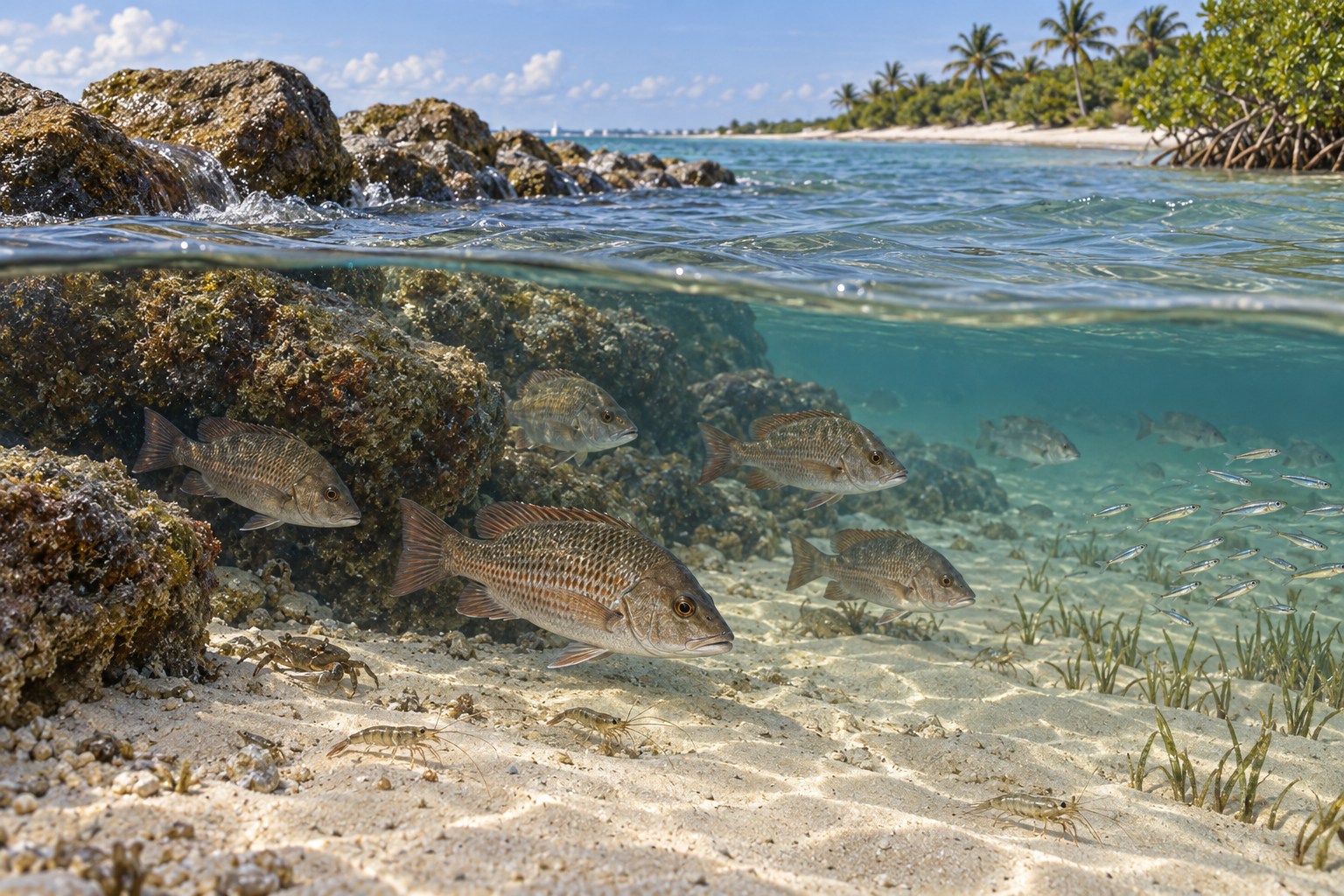
The lagoon and nearby inlet move small fish and crustaceans between sheltered and open water. An approved shore edge may hold a slow pocket next to a faster stream. Watch bait movement before selecting a weight.
Mangrove snapper can use suitable structure and coastal cover. A small shrimp piece or compact baitfish offering gives a manageable first test. Keep it beside recoverable open water instead of leaving the hook inside rough cover.
A line that disappears beneath an edge can snag or become difficult to follow. Shorten the drift when that happens. A neat presentation watched closely can be more useful than a large bait soaking out of sight.
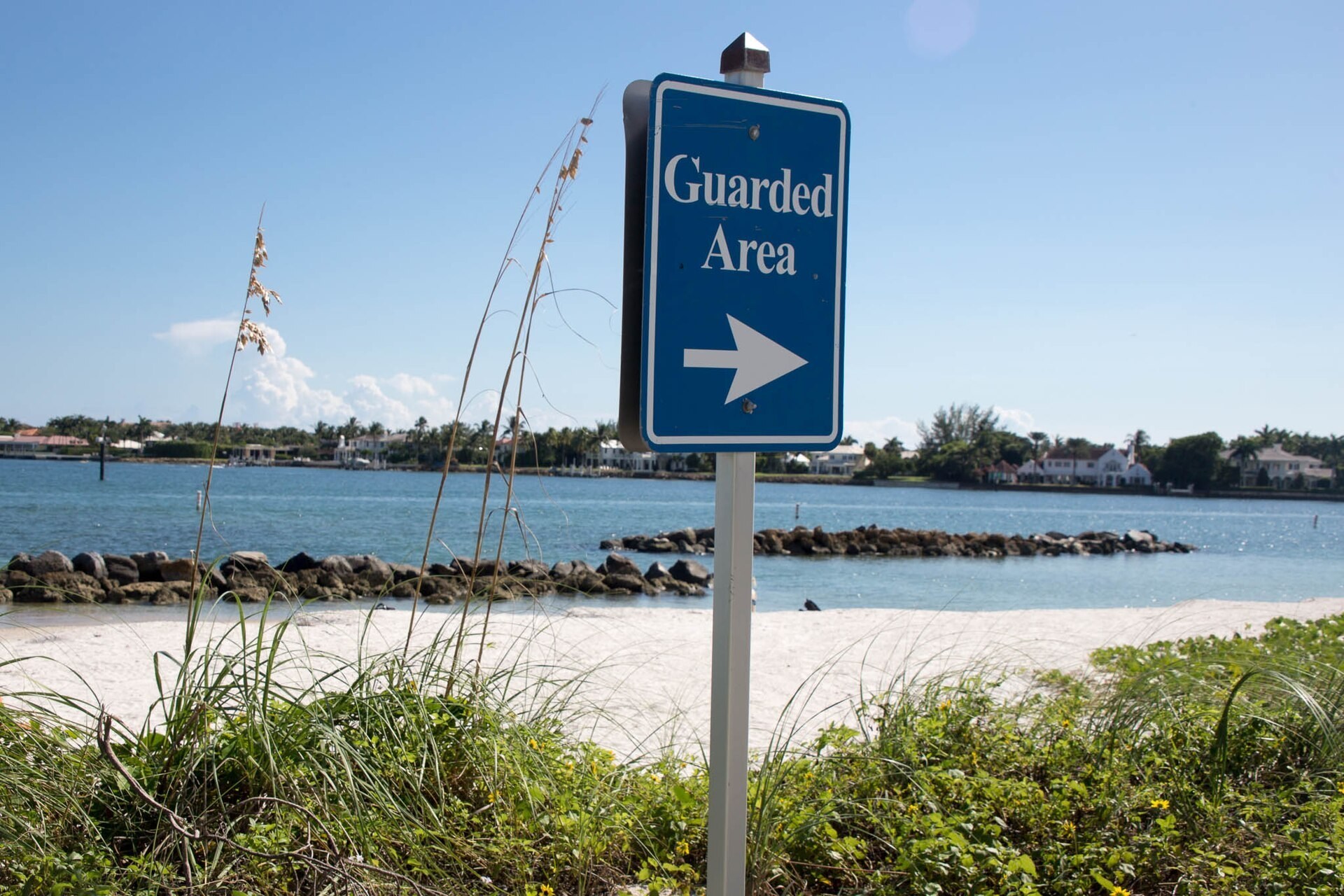
Do not interpret visible tropical fish in a swimming area as permission to angle there. Observation can be the right activity where hooks are prohibited or impractical.
Search open water for passing predators
Snook and jacks may follow bait through suitable lagoon edges. A small swimming lure can cover a permitted lane without creating an extensive bait station. Watch for actual prey rather than assuming the nearby inlet guarantees feeding.
Cast at an angle that keeps the retrieve outside boat traffic. A lure carried quickly by the current may need a different starting point to remain in the lane. Do not leave a long loop of line across other visitors' space.
If a fish is hooked near rough cover, use steady pressure toward a safe landing area. Prepare that area before casting. A boat-access outing still requires shore-side fish handling that avoids dragging a catch across rock.
When fishing from your own boat, comply with its permitted routes and anchoring rules. The island guide does not establish unrestricted access to every shallow grass or swimming cove.
Use the tide for both fishing and travel planning
A moving tide can carry prey along an edge, but the strongest flow may be difficult for light tackle. Observe the local seam and keep the rig recoverable. Tide predictions do not show every current around the island.
For paddlers, wind and flow also affect the return journey. Conditions that made the outward trip easy may work against the return. Plan for the entire route and leave reserve time rather than using every available minute to fish.
Stay out of navigation lanes and do not chase a hooked fish into inlet current. A short distance on a map can hide exposure to boat wakes and stronger water. Use appropriate boating or paddling safety equipment throughout the trip.
If the weather window is uncertain, choose a land-access fishing facility instead. The benefit of island scenery is reduced when the return plan becomes unreliable.
Pack what cannot be fetched from the car
Bring drinking water, sun protection and essential tackle in a manageable dry bag. A spare leader and pliers are useful, but a large collection of rods creates more to carry and protect. Remember that the car is on the other side of a boat ride.
Check which park facilities are available for the day and pack accordingly. Do not assume a concession will provide every forgotten item. Keep medication, a phone and transport information secure.
Contain bait and any retained legal catch so odors and leaks do not affect transport passengers. A properly arranged cooler should fit the return journey without blocking a walkway or boarding area.
Choose the kind of island visit you can manage
A swimming visit, fishing visit and camping stay create different equipment needs. Decide which activity is the main purpose and avoid allowing one to interfere with another.
| Visit plan | Prepare before boarding | Fishing limit |
|---|---|---|
| Short day-use fishing | Confirmed ride home and simple tackle | Use approved clear shoreline |
| Family swimming trip | Food, water and guarded-area plan | Keep hooks out of bathing water |
| Own-boat visit | Safe route and legal landing arrangement | Keep vessel approaches clear |
| Reserved camping stay | Current reservation and overnight rules | Do not assume all water is open to fishing |
Respect the island's wildlife and day-use rules
The county prohibits balloons and limits alcohol to the applicable reserved camping arrangement. Follow the posted park rules rather than applying the rules of a nearby marina. Keep discarded food and bait secured against birds.
Retrieve line offcuts from paths and edges before they blow into the lagoon. An island is not a place to leave a snagging problem for the next tide to remove. Change a method that regularly loses hooks.
The habitat illustration explains a lagoon feeding relationship. It does not show an authorized channel, island depth chart or a specific fishing station.
End early enough for a calm departure
Pack the rod before the return time becomes urgent. Check the fishing area for hooks and identify every retained catch against current FWC guidance. Release unwanted fish while the handling equipment is still ready.
Leave time for the path to the landing, boarding and any weather adjustment. A successful island outing finishes with everyone and all equipment back on shore, not with a last cast that misses the ride.
Common questions
Can I drive to Peanut Island?
No. The park is reached by boat. Arrange a suitable outward trip and a dependable return before visiting.
Does the island's swimming water also allow fishing?
Keep hooks outside guarded swimming and snorkel activity, and confirm the designated fishing areas. Seeing fish is not proof that angling is permitted there.
Can I stay late because camping is available?
Day-use and reserved camping arrangements are separate. An ordinary fishing visitor should follow the applicable day schedule and transport plan.
Is the JFK bunker part of the current visit?
The county lists it as closed. Do not rely on older descriptions that advertise access or tours.
Prepare for your visit
Check local tides and weather. Read more about snook, mangrove snapper, permit. Check current FWC saltwater fishing rules.