

SOUTHEAST ATLANTIC
Riviera Beach Park
fishing guide
Riviera Beach's municipal ocean park on Singer Island is a busy public beach setting. A useful fishing visit begins by confirming the permitted section and choosing a clear surf lane rather than treating the whole waterfront as an angling area.
Explore the guide ↓Choose the municipal beach route deliberately
Riviera Beach's municipal ocean access is on Singer Island. The surrounding area includes shops, restaurants and heavily used public beach space. Check the city's current parking and beach information for the entrance you choose.
Ocean Reef Park is a separate county facility farther along the island. Phil Foster Park faces lagoon water near the Blue Heron Bridge, and Peanut Island requires boat access. These are different settings with different rules, not alternate names for the same beach.
The municipal beach's public access does not establish unrestricted fishing. Ask the lifeguards or managing staff where and when an angling lane is available. If none is suitable, choose a clearly permitted separate facility.
Use established crossings and keep tackle secured while walking through the commercial and recreation area. Do not carry a dangling baited hook past people headed to the water.
Read the open beach before deciding on distance
Singer Island's Atlantic surf can move prey along troughs inside the sandbars. Observe the wave pattern to identify a clean lower lane. A longer cast is useful only when it reaches a different suitable area.
Begin with a short controlled test from an approved position. Check whether the sinker holds, rolls or gathers weed. What returns on the hook helps explain the bottom and drift better than guessing from water color alone.
Sandbars and floating material can change quickly after wind or storms. A successful position from another week may no longer provide the same presentation. Rediscover the lane on each visit.
Do not wade toward the bar to make up casting distance. Unknown depth and shorebreak can turn a simple surf session into a water-safety problem.
Keep the first bait plan small and easy to check
Pompano and whiting are possible targets over suitable clean regional sand. Small shrimp portions, sand fleas or durable prepared baits can be fished near the bottom. Keep the point clear and the leader free of twists.
A short dropper and holding sinker offer a simple arrangement. For a beginner, one hook makes tangles easier to understand and pack away. More bait on the hook is not always more attractive to a small feeding fish.
Refresh bait after a missed bite or long quiet period. Tiny fish can leave an empty hook without a dramatic rod movement. Check those basics before changing the entire setup.
A rig drifting toward bathers should be retrieved immediately. Current, space and permission need to fit together; a good bait cannot solve an unsafe lane.
Follow prey signs for a shoreline lure session
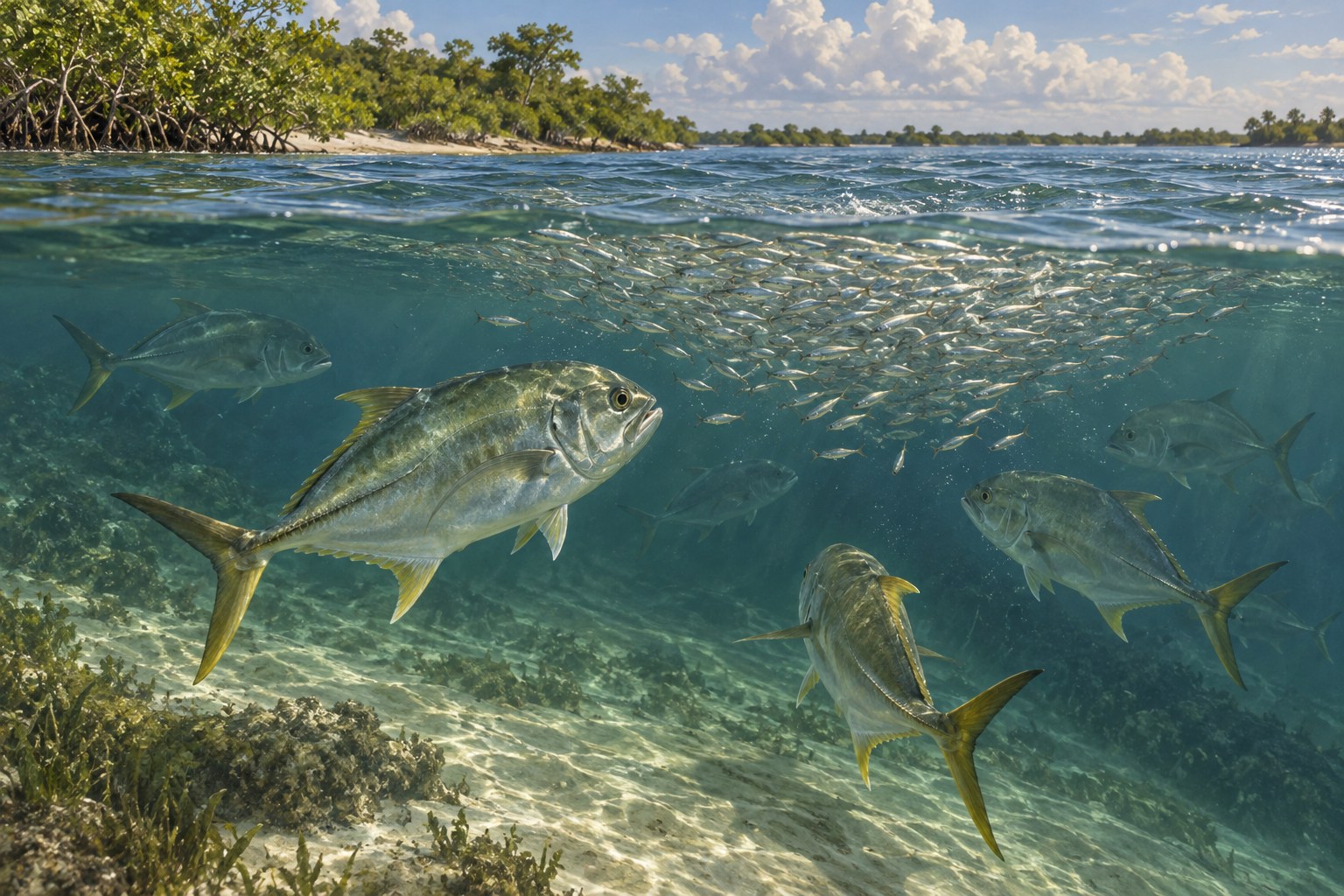
Snook can use warm coastal beach edges, while jacks and mackerel may appear with moving bait. Their presence should be treated as a possibility supported by observations. Look for small fish gathering or scattering before switching methods.
A small plug or soft plastic can travel above the sand through a clear permitted lane. A compact metal lure can reach a passing school when there is enough room. Keep the retrieve away from swimmers and birds.
Cast ahead of a cruising fish rather than directly onto it. Adjust speed if it follows, and avoid chasing it across restricted or crowded water. A short careful pass may be more useful than many rushed casts.
Use pliers and inspect leaders after toothy strikes or bottom contact. Prepare to release a fish without dragging it across the dry sand.
Choose lagoon access for a different fishing problem
Phil Foster Park offers a designated fishing pier near tidal lagoon water. It also contains swimming and snorkeling uses that must remain separate from hooks. Its pier schedule should be checked independently of its ramps.
Peanut Island offers another lagoon park visit, but getting there and back requires a boat arrangement. Do not add it casually to a short municipal beach trip without transport and timing. The island's swimming areas are not open bait stations.
These alternatives can be useful when ocean surf is unsuitable, but they bring current, structural snags and vessel routes. Change tackle and the landing plan to suit the new setting. Calm-looking inland water still needs observation.
Match the destination to the outing
The Singer Island area gives several coastal experiences within a relatively small region. Choose one that fits legal access and the gear available instead of trying to fish every waterfront.
| Destination type | Fishing focus | First question |
|---|---|---|
| Municipal ocean beach | Approved surf lane | Where and when may I cast? |
| Ocean Reef county park | Sand and open hard-bottom margins | Where does guarded water end? |
| Phil Foster fishing pier | Controlled lagoon bait presentation | Which pier sections and hours apply? |
| Peanut Island visit | Boat-access shore opportunity | How will everyone return on time? |
Choose a comfortable window without assuming permission
A quiet early beach can make bait observation easier. Confirm that the chosen time also fits the local fishing rules and access schedule. Empty sand does not remove restrictions.
Onshore wind may increase surf and push weed into the trough. Warm water or a promising tide cannot compensate for repeated fouling or unsafe waves. Shorten the visit when conditions stop supporting a controlled presentation.
Check thunderstorms before paying for a long parking stay. A nearby sheltered-looking street does not make an exposed ocean session safe during lightning. Have a practical return route and use it early.
Keep a small footprint in a busy beach area
Use a compact bag and keep spare rigs closed. Leave the beach crossing and pedestrian route clear of rods or coolers. People should not need to step around exposed hooks to reach public facilities.
Bring drinking water and sun protection rather than assuming nearby businesses will be available whenever needed. Secure keys and a phone against an unexpected wave. Separate tackle tools from picnic food.
A family lesson should focus on one supervised cast and a quick bait check. If the permitted lane becomes crowded, finish the fishing part of the day and keep enjoying the beach without hooks.
Finish with accurate identification and a clean beach
Use current FWC guidance before harvest and verify the species when a catch is unfamiliar. Release unwanted fish supported with wet hands. Keep photographs brief and close to the water.
Collect the tackle pieces around the rod holder and note the actual entrance, tide and bait lane used. The next trip will be easier when the destination and method are recorded precisely rather than simply labeled Singer Island.
Common questions
Is Riviera Beach Park the same as Ocean Reef Park?
No. This guide concerns municipal ocean access. Ocean Reef is a separate county park, and Phil Foster has a different lagoon setting.
Can I fish anywhere on the municipal beach?
Ask municipal staff which angling section and time apply. Public beach access does not establish unrestricted angling throughout the waterfront.
Which nearby alternative has a designated fishing pier?
Phil Foster Park lists a fishing pier with its own schedule. Keep fishing separate from its swimming and diving areas.
Can I add Peanut Island without planning transport?
No. It is reached by boat, and the return arrangement is part of the visit. Check the island's separate access and activity rules.
Prepare for your visit
Check local tides and weather. Read more about snook, florida pompano, whiting. Check current FWC saltwater fishing rules.