
PANHANDLE
St. Andrews State Park
fishing guide
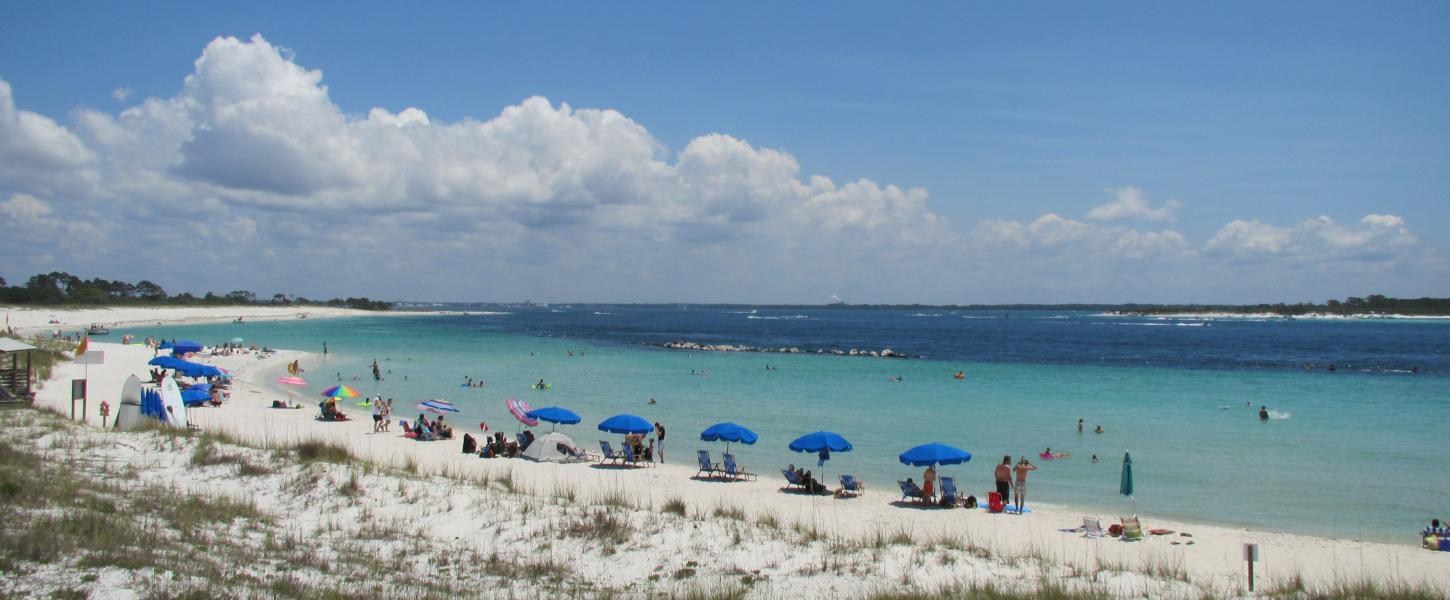
St. Andrews State Park offers Gulf surf, jetty and Grand Lagoon fishing opportunities in one coastal setting. Each needs different tackle and a specific safe position. Confirm reopening first, then choose one designated option instead of treating the whole park shoreline alike.
Explore the guide ↓Check reopening at the correct park entrance
The official St. Andrews State Park page showed a storm closure notice when reviewed October 11, 2026. Confirm reopening at 850-708-6100 before driving. The entrance is listed at 4607 State Park Lane, with a normal daytime schedule. Usual hours do not establish that a temporary closure has ended.
Ask which fishing facilities and routes are available when the park reopens. A pier, boat ramp or beach section can have its own condition after weather or maintenance. The park's general fishing activity list is not a guarantee that every facility is usable today. Keep a separate confirmed lawful alternative in the plan.
Separate the beach, structure and lagoon
The park's activity information describes surf fishing, jetty and pier opportunities, with a boat ramp and fishing pier at Grand Lagoon. These settings create different tasks. A beach rig holds bait in waves, a structure presentation must avoid snags and other users, and a lagoon approach must account for cover and moving vessels.
Choose one primary destination for the first visit. Ask staff about permitted positions and current signs rather than climbing whichever rock gives a view of deeper water. Swimming and snorkeling areas need separation from hooks. A busy public park offers variety, but that variety works best when the route and method are specific.
Use a small bait to test the Gulf sand
Whiting and seasonal pompano interest provide a practical beach starting point. Look for the trough beside a shallow bar through repeated wave patterns. Shrimp pieces, sand fleas and compact strip bait offer different tests. Leave the hook point available and begin at a distance you can place accurately.
A longer cast only helps when it reaches a different useful lane. Use weight within the rod's safe range and inspect the bait periodically. Wave motion can hide small taps or wash the offering away. A bar gap can carry strong return flow, so keep the cast and landing on firm land rather than following it into the surf.
Treat the jetty as a footing and current problem first
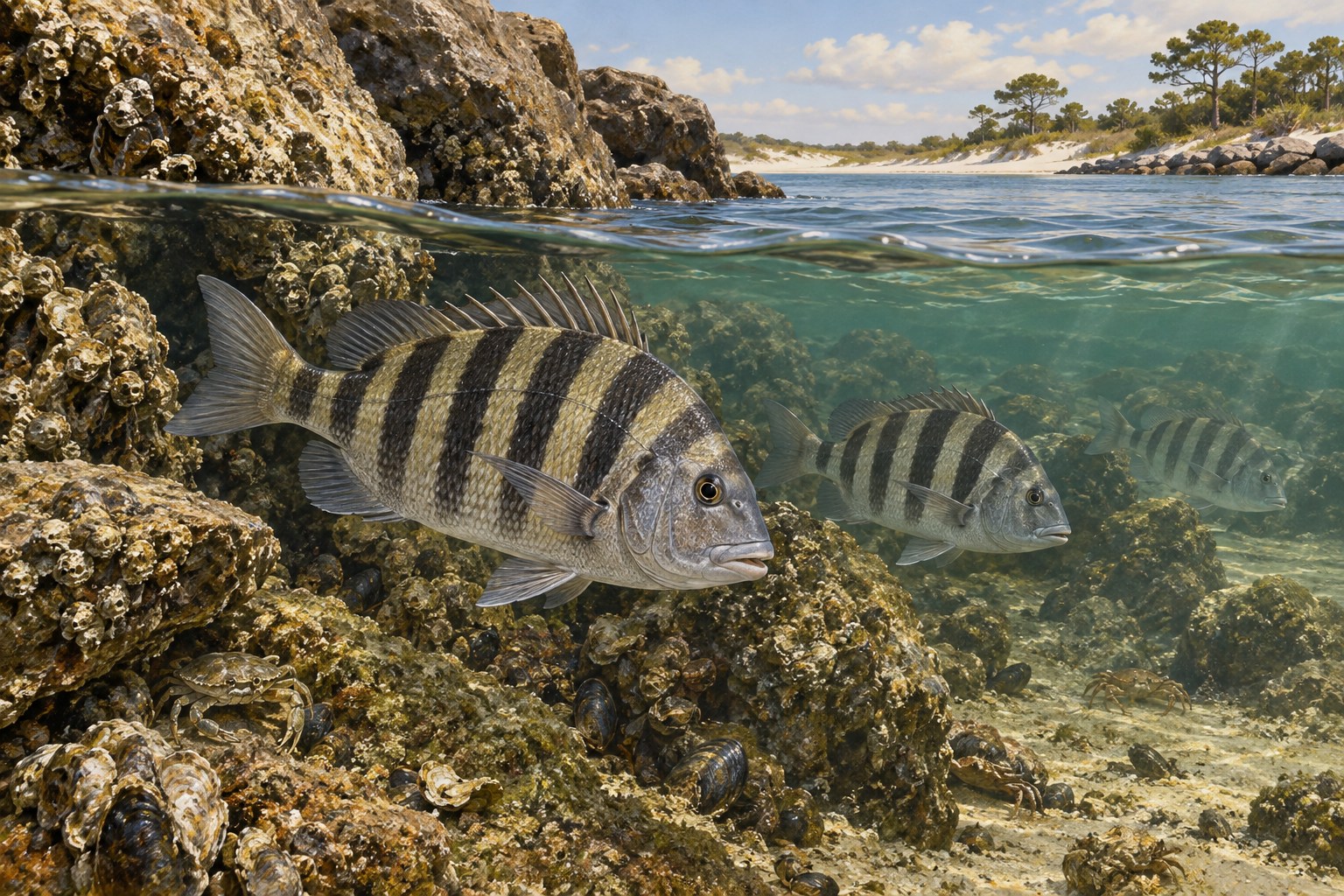
The jetty area can concentrate prey and moving water, but rocks introduce slippery surfaces, gaps and strong currents. Do not climb wet or exposed stones to gain distance. Follow the park's designated access and current instructions. A stable legal position is more important than reaching the end of a structure shown in a fishing photograph.
A baitfish-shaped lure may test visible prey when ample clear casting space exists. A bottom bait near structure can snag quickly, so keep the presentation recoverable and avoid unattended heavy tension. Do not try to free tackle by entering water beside the rocks. Strong current and rough footing can make a tempting position unsuitable for a beginner.
Use a gentler method at the approved lagoon position
Grand Lagoon's designated fishing pier and ramp offer a different coastal setting. Ask staff which parts are open and whether casting directions or equipment are restricted. Keep lines away from launch lanes and passing vessels. A boat ramp is primarily a passage route, not an empty place to spread rods.
At a suitable approved margin, shrimp suspended above cover or a small soft plastic along clean sand can test inshore fish possibilities. Redfish, spotted seatrout and flounder are among the park's listed catches across its broader opportunities. Do not assume each species occurs at every pier position. Observe prey and bottom conditions before deciding the method.
Match tackle to one main fishing environment
A beach holding weight needs an outfit designed to cast it safely. A light lagoon presentation may require much less weight. Structure fishing adds leader abrasion and a more complicated landing. Pack for the selected task rather than hauling every outfit through the park. Inspect knots and replace damaged leader after contact with rough material.
Carry pliers, a measure and a secure container for tackle waste. Ask about a suitable landing method before targeting a fish too large to control at a pier or rocky edge. The following comparisons help choose the practical first method without claiming a guaranteed fish from any park position.
| Setting | Starting idea | Main limit |
|---|---|---|
| Gulf trough | Short shrimp bait on a lightly weighted surf rig | Surf flags and clear swimming space |
| Approved stable jetty position | Small lure near visible prey | Footing, current and snag recovery |
| Open lagoon fishing pier | Staff-approved inshore presentation | Boat passage and facility rules |
| Boat or paddle plan | Designated open ramp or launch | Weather and a safe return route |
Keep seasonal expectations tied to current conditions
Spring and fall can bring coastal fish movement, including surf pompano interest. Warm periods may produce visible baitfish activity but also heat, storms and busy recreation areas. Winter fronts can change clarity and wind suddenly. The park's broad species list is an opportunity guide, not a promise that every named fish is a shore target on one visit.
Tide predictions can help with scheduling, while actual current at a pass, pier or beach may differ. Watch the water and the line after casting. Do not declare one universal best tide for the whole park. If current or waves exceed a safe controlled presentation, choose another open designated setting or end the fishing session.
Keep fishing separate from a difficult water crossing
Shell Island is a separate boat-access outing, not a wading extension of the mainland beach. Park transport and current reopening need their own checks. Do not attempt a casual swim or inexperienced paddle across a busy pass to find fishing space. Moving vessels and current can make that route very different from a calm shore corner.
Use a flotation device for any approved boating plan and locate the return landing before exploring farther. Leave time for weather changes and facility closing. Shore visitors should also keep an easy exit route before lightning or stronger wind reaches the park. A convenient campground or concession does not remove those coastal hazards.
Keep park wildlife safe and catches correctly handled
Stay on designated paths, avoid dunes and nesting areas, and keep casts away from feeding birds. Secure bait rather than letting wildlife gather around hooks. A landed fish can draw spectators, so prepare a controlled unhooking space beforehand. Prompt supported handling helps the catch and keeps exposed tackle away from other visitors.
Identify the fish and use current species rules for size, seasons and numbers before retaining it. Release promptly when uncertain, and collect every leader scrap or packet after the session. St. Andrews' range of settings becomes easier to enjoy when each trip has a confirmed route, one suitable method and a careful safe finish.
Common questions
Is St. Andrews State Park confirmed open?
Its official page still displayed a storm closure when checked October 11, 2026. Confirm reopening before a visit.
Does the park list more than one fishing environment?
Yes. Its activity page describes surf, jetty and pier fishing, including a fishing pier and boat ramp on Grand Lagoon.
Is the jetty automatically a good beginner position?
No. Check the designated route, footing and current. Slippery rocks or exposed water can make a position unsuitable.
Can I cross the pass casually to fish Shell Island?
Treat Shell Island as a separate planned boat-access trip. Do not use an improvised swim or inexperienced paddle through busy current.
Prepare for your visit
Check local tides and weather. Read more about florida pompano, whiting, permit. Check current FWC saltwater fishing rules.