
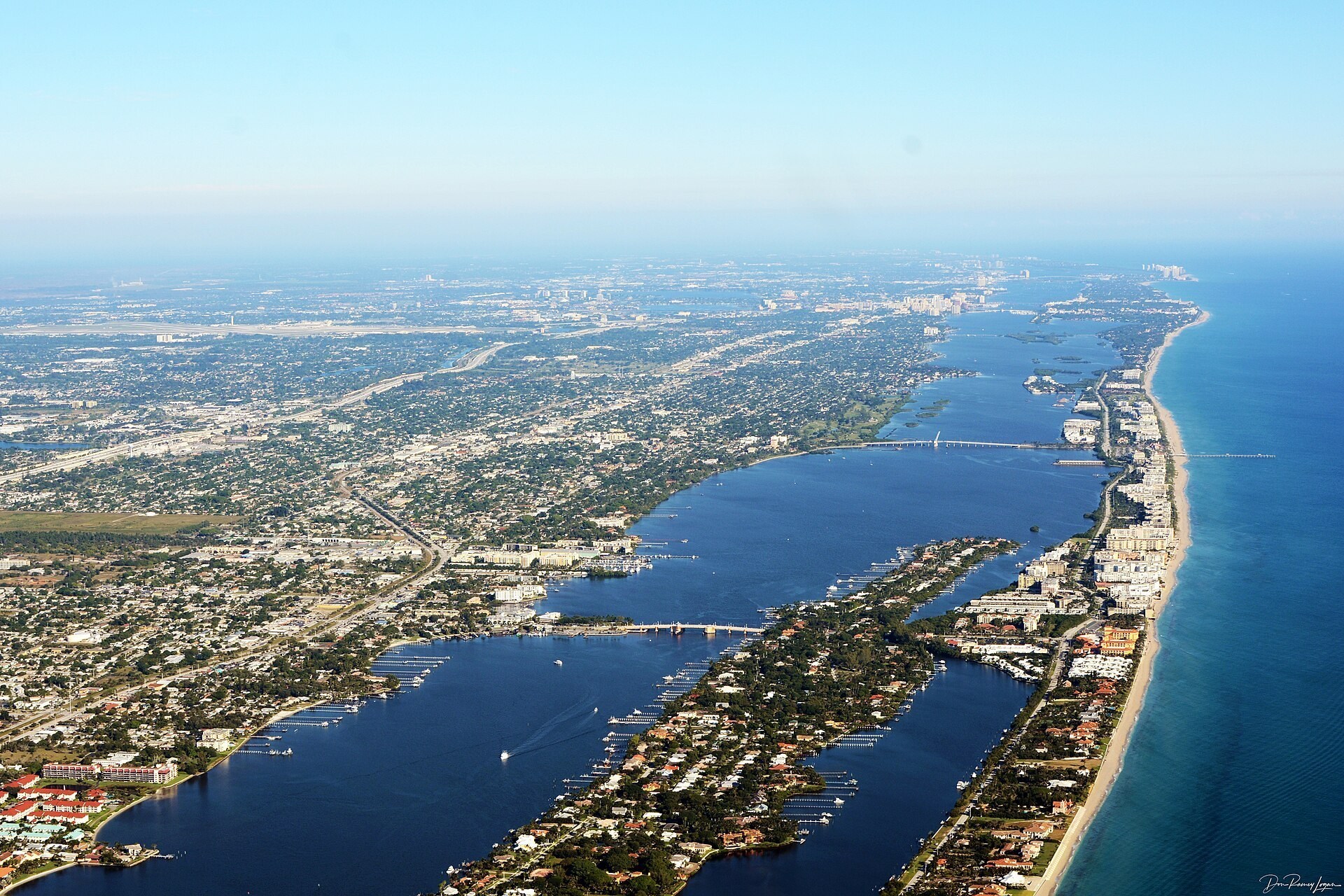
SOUTHEAST ATLANTIC
Lantana Municipal Beach
fishing guide
Lantana Municipal Beach provides Atlantic access, while the town's Sportsman's Park pier offers a separate Intracoastal fishing option. Choose the right water and confirm the beach fishing boundary before carrying a rod onto the sand.
Explore the guide ↓Decide whether this is a beach day or a pier day
Lantana has an ocean beach and a town fishing pier in different settings. The beach faces Atlantic waves. Sportsman's Park places anglers beside Intracoastal water at 320 East Ocean Avenue. Their methods and access arrangements should not be combined into one assumed fishing area.
The town's beach information establishes public recreation access, but it does not establish unrestricted angling throughout the swimming beach. Ask the beach staff where and when a hook can be used. Choose the town pier when you want a clearly identified fishing facility.
Lantana's Lyman Kayak Park is another waterfront place with a different purpose. Its observation dock should not be treated as a fishing dock. A view of water is not enough evidence to set up rods.
Check parking arrangements at the entrance you actually use. Permits and vehicle spaces can differ between the ocean lot and the pier-side town facilities.
Keep the surf plan outside the bathing area
If staff confirms an available fishing section, look for a clear sandy lane away from bathers. Do not attempt to solve a crowd problem by casting farther out over people. The whole route of the line needs to stay clear.
Keep a rod holder near you and visible from the walking path. A sinker and baited hook should not be left swinging at knee height. Children can help watch the rod without walking into the casting area.
Beach conditions can change while you are fishing. Move or stop when swimmers arrive, the wind shifts or weed begins carrying the rig sideways. Permission to begin does not remove the need to keep checking the space.
Test the sand with a small offering
Whiting and pompano feed on suitable beach sand along this coast. A small shrimp piece or sand-flea-style bait offers a practical starting test. Use enough material to stay on the hook without burying its point.
Find the inside trough by watching where waves break and reform. Put the first bait into that nearer lane and allow it time to settle. A farther cast is useful only if it reaches cleaner or more promising water.
A short dropper rig holds bait slightly above the bottom. Use a sinker that remains reasonably steady under the actual current. Inspect the leader if shell fragments or rough bottom begin damaging it.
When bites are slight, reduce the bait size before adding more tackle. A clean hook and a fresh presentation may solve a problem that extra beads or weight will not.
Look for baitfish along the beach edge
Snook and jacks can patrol suitable nearshore water where small fish gather. A compact swimming lure lets you search a permitted stretch without carrying a large bait station. Work it across a clear lane and above the sand.
Observe the bait before choosing speed. Fish holding near a quiet edge may respond differently from predators chasing a fast school. A lure that repeatedly plows the bottom needs a higher retrieve or a different swimming design.
Do not follow a feeding school into guarded water. If its route becomes crowded, put the rod down and watch. Seeing how fish move can still improve a future trip.
Use a leader appropriate to the fish and surroundings. Check it after contact with shells and after each catch, rather than waiting for a break to show that it was worn.
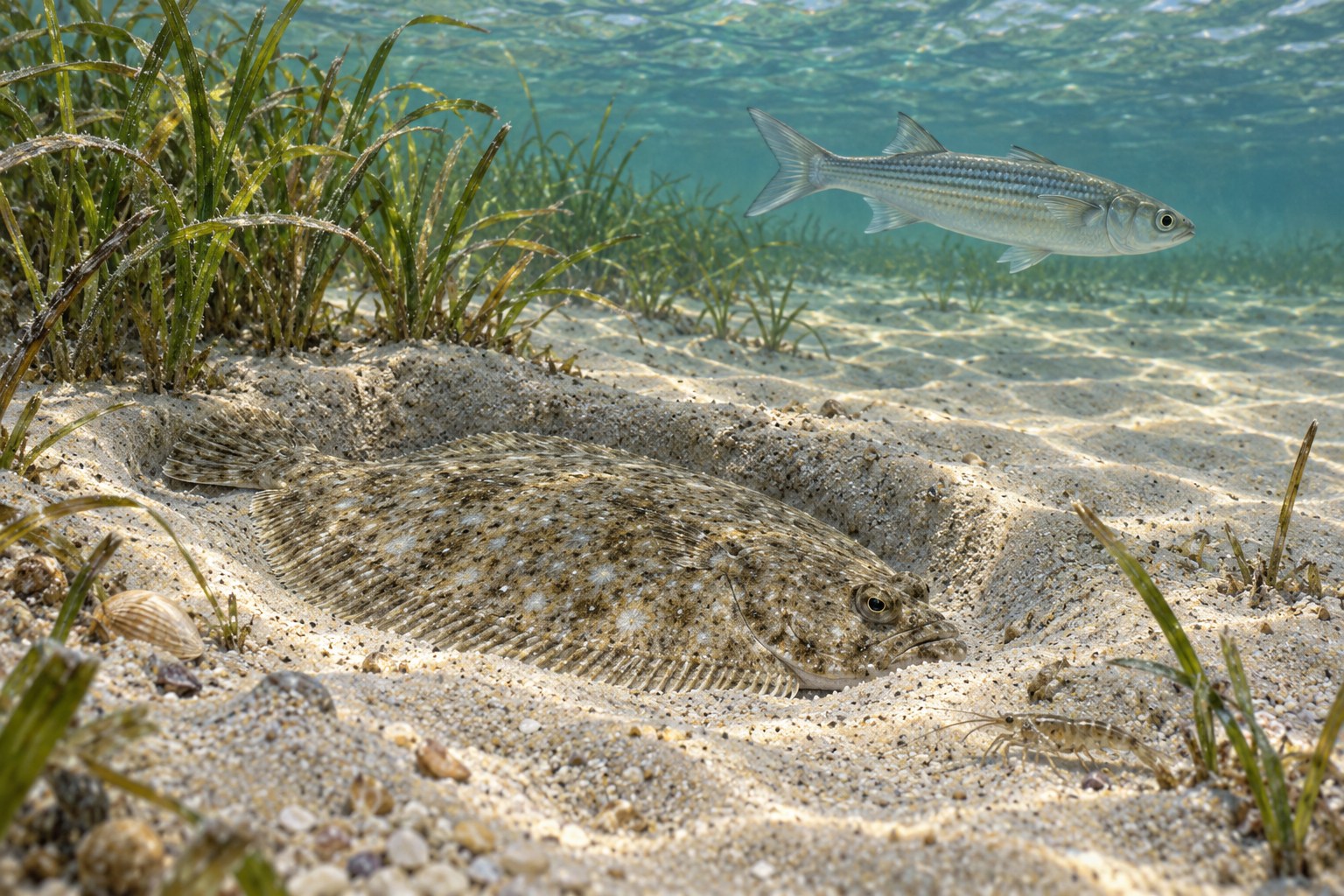
Flounder can rest on suitable open bottom beside a bay feeding route. At an authorized recoverable position, a small bait can be moved slowly enough to stay close to that bottom. Keep the hook out of snagged cover and verify current flounder rules before retaining a catch.
Use Sportsman's Park for the Intracoastal alternative
The town identifies Sportsman's Park as a fishing pier with around-the-clock access and fish-cleaning stations. Verify the current notices and parking rules before relying on an evening visit. The beach's opening arrangements do not control this separate facility.
Intracoastal fishing is more about tidal movement, passing bait and structural edges than surf bars. Watch how water moves past the pier before lowering a bait. Keep the presentation from drifting beneath someone else's rod.
Small shrimp and baitfish offerings can test suitable cover for mangrove snapper and other inshore fish. A neat bait placed in open water beside an edge is more manageable than one dropped into a snaggy gap.
Boat wakes can interrupt an otherwise calm session. Secure loose items and step back when needed. Keep fishing line out of routes used by vessels and other visitors.
Carry the tackle for the water you choose
A surf sinker selected for Atlantic waves may be excessive beneath a sheltered pier. A very light pier rig may be swept along the beach without holding. Let the selected Lantana access point decide which outfit is useful.
Limit the first session to one method and one rod you can control. Add a second presentation only when there is safe space and a clear reason for comparing it.
| Plan | Starting presentation | Main check |
|---|---|---|
| Approved beach trough | Compact shrimp bait on a surf rig | Swimming boundary and sideways drift |
| Clear beach baitfish lane | Small plug or soft plastic | People entering the cast path |
| Town fishing pier | Small bait beside manageable current | Piling snags and neighboring lines |
| Observation or kayak dock | Use it for its intended activity | No assumption of fishing permission |
Fit the tide into a realistic outing
An Intracoastal flow may continue moving after a published high or low tide time. Look at the current beside the pier rather than treating the prediction as an exact switch. A manageable moving stage is more useful than the strongest possible flow.
The surf depends on wind and waves as well as tide. A cloudy or breezy morning can produce very different bait conditions from the previous day. Record the setting with the catch so the note remains meaningful.
Check lightning risk before deciding on an evening or early session. Have a clear return route and stop before approaching weather makes the exposed shoreline uncomfortable.
Keep the fishing part of the visit simple
A family beach visit does not need to become a full fishing expedition. Choose a short approved session, keep spare hooks packed and let children handle equipment only with supervision. If the beach is busy, the better plan may be a separate pier visit.
Bring drinking water and enough shade protection for the waiting time. A baited rod can keep attention fixed on the water while sun exposure builds unnoticed. Keep food and tackle in separate containers.
At a cleaning station, follow the facility's waste rules and leave the surface clean. Do not dispose of hooks, plastic or unwanted line with fish scraps.
Identify a catch before using the cooler
A mixed inshore catch can include fish with different regulations. Check identification, current harvest rules and license requirements before keeping one. The linked FWC guidance is the place to verify those details.
Use wet hands for release fish and support them close to the water. Keep measuring and photography quick. Finish by collecting the line pieces and bait packaging that can be overlooked around a pier or beach chair.
Common questions
Where is the clearly identified fishing pier in Lantana?
Sportsman's Park at 320 East Ocean Avenue provides the town fishing pier. Check its latest access and parking information before visiting.
Can I fish from the Lyman Kayak Park observation dock?
Do not treat that observation facility as a fishing dock. Use an area specifically permitted for angling.
Is fishing allowed across the entire municipal beach?
Public beach access does not establish unrestricted fishing. Confirm the permitted section and timing with beach staff, and keep clear of bathing areas.
Should I use the same rig at the ocean and town pier?
Usually the conditions call for different weight and presentation. Match the setup to surf waves or sheltered tidal water rather than carrying one rig everywhere.
Prepare for your visit
Check local tides and weather. Read more about snook, florida pompano, whiting. Check current FWC saltwater fishing rules.