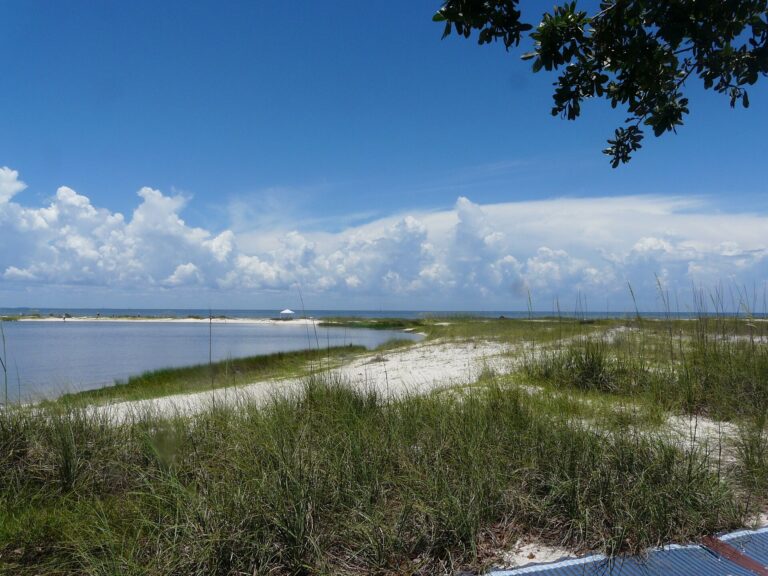
Alligator Point Fishing Guide
Look for food along a marsh turn or oyster edge. Plan Bald Point access and a short route with enough water to get home comfortably.
Read the fishing guide
HOOKCURRENT FLORIDA FISHING
Find a place to fish. Learn what bites, which bait to bring and where to begin.
Look for food along a marsh turn or oyster edge. Plan Bald Point access and a short route with enough water to get home comfortably.
Read the fishing guide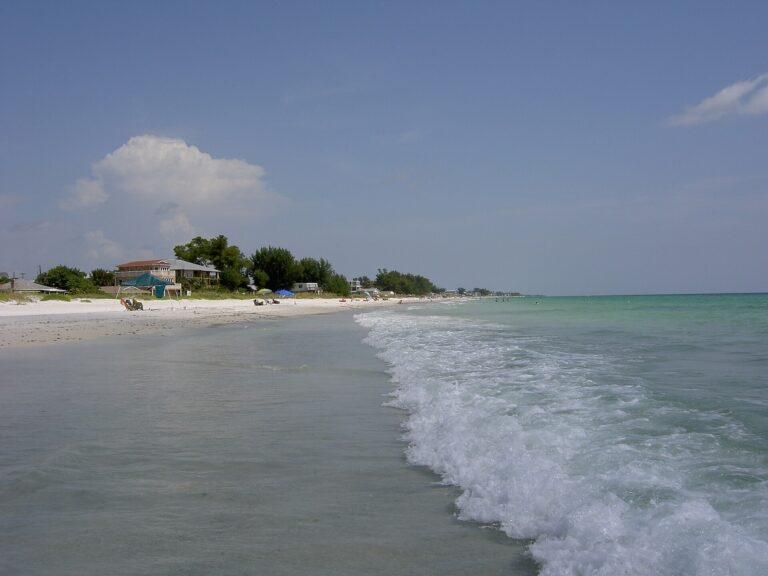
Understand the island’s Gulf and bay choices, plan around pier rebuilding and learn simple methods for its northern beaches and inshore edges.
Read the fishing guide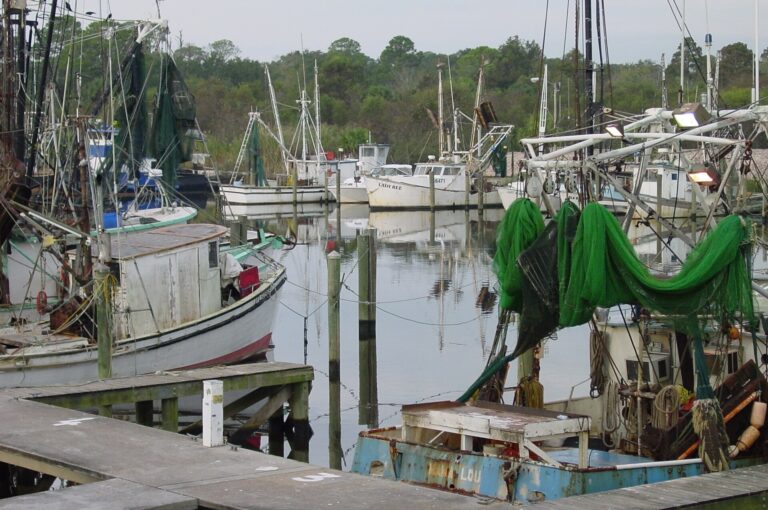
Follow the river into a working bay. Learn how fresh water, oyster habitat and sheltered shorelines shape your fishing choices.
Read the fishing guide
Learn to read shallow flats, choose neighborhood ramps carefully and consider Bahia Honda as a separate managed shore option.
Read the fishing guide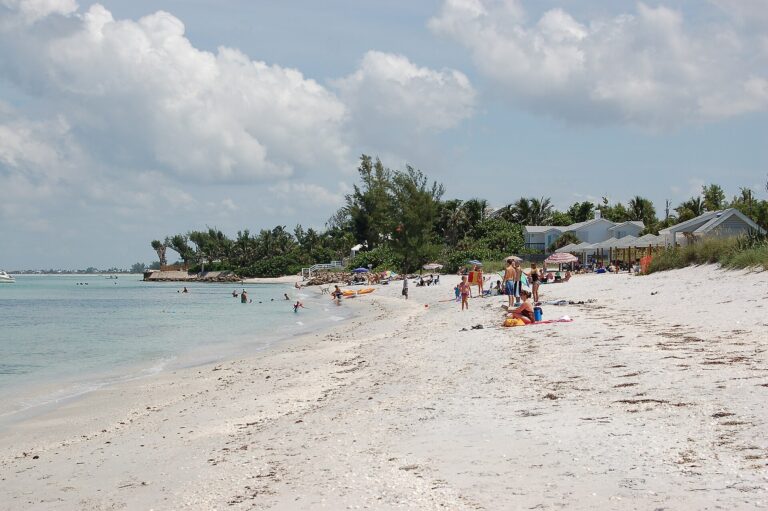
Choose between a modest beach visit and a properly equipped pass trip. Understand why tarpon fishing needs its own plan.
Read the fishing guide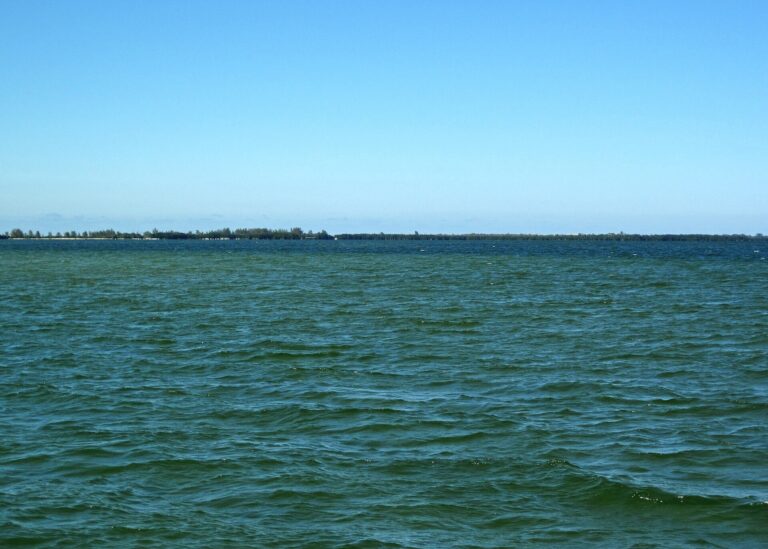
Use Lavender Landing as a starting point for a modest route. Search grass pockets and island edges without damaging shallow habitat.
Read the fishing guide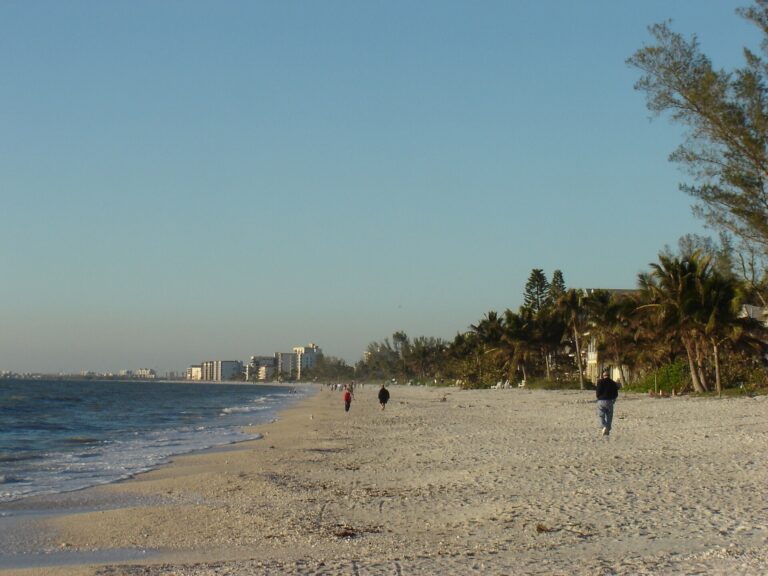
Start with the first trough and let bait activity guide the next cast. Keep public entrances and bay-launch plans separate.
Read the fishing guide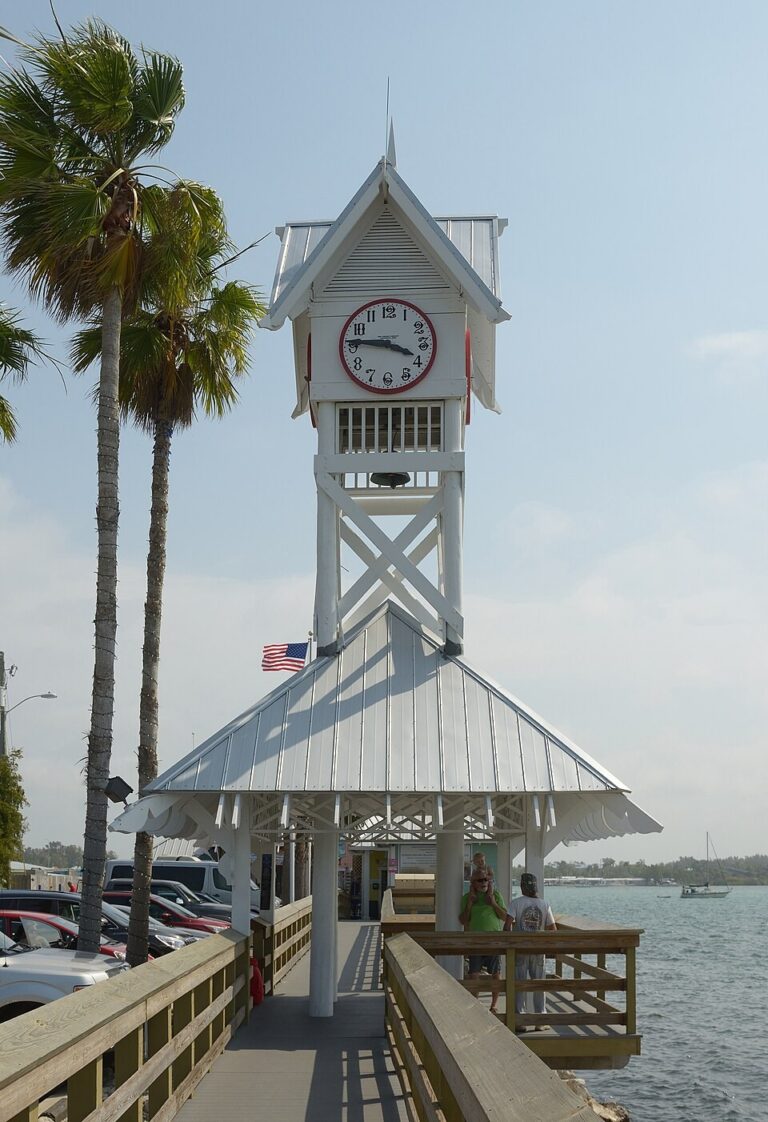
Work pier cover, search Gulf troughs or study the pass from safe access. Each setting gets its own bait and trip plan.
Read the fishing guide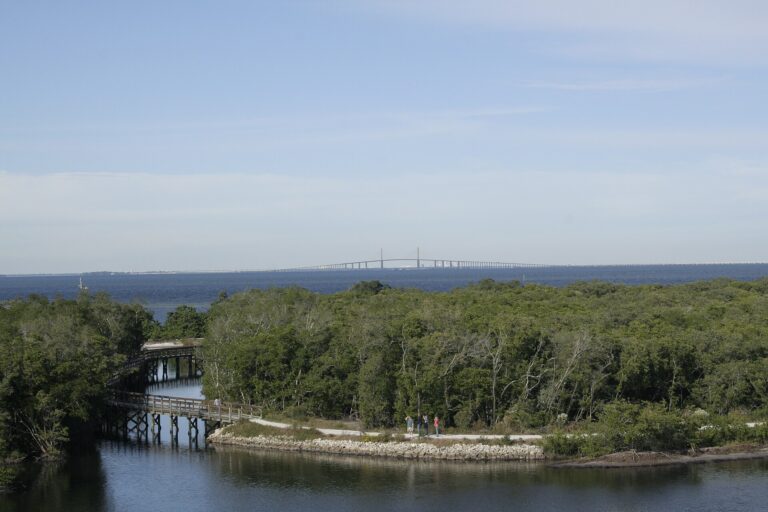
Follow the Manatee River’s coastal habitat, learn Robinson Preserve’s tidal edges and plan around nearby access limitations.
Read the fishing guide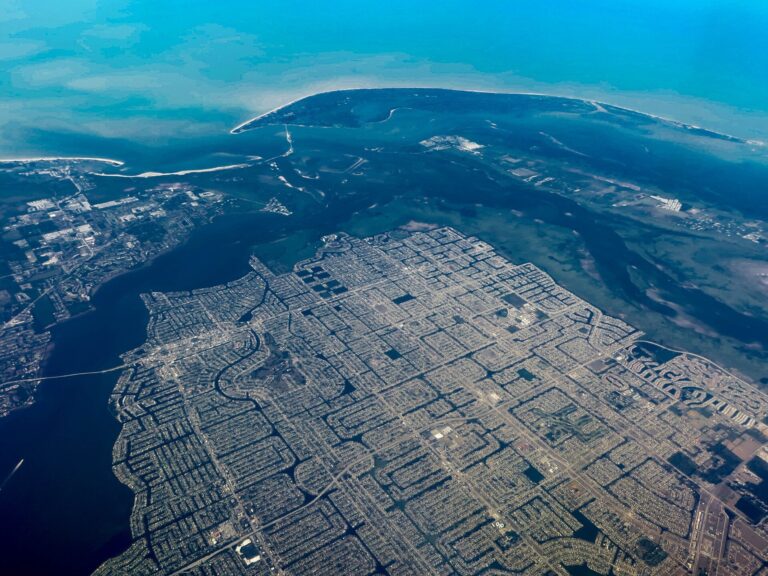
Distinguish private canals from public fishing access. Learn how seawalls, shade and river connections influence fish location.
Read the fishing guide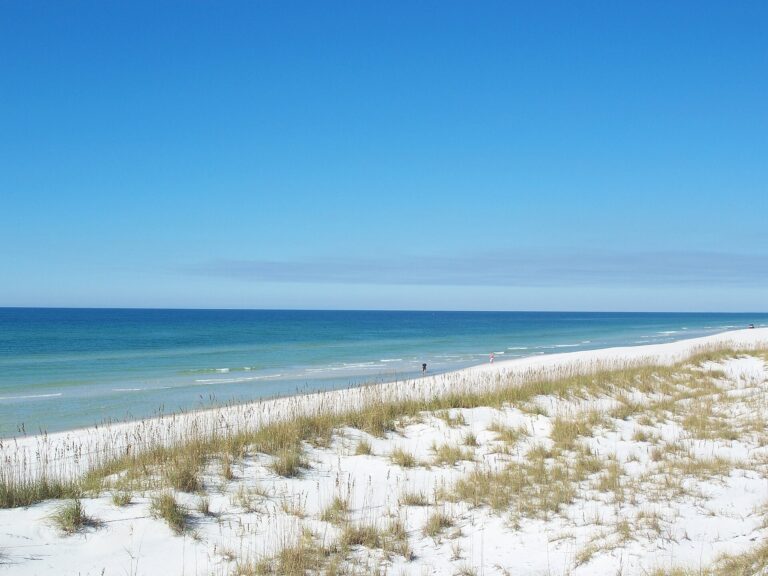
Choose the wave-washed beach or the grassy bay. Understand how the two sides of Cape San Blas change your bait, tackle and route.
Read the fishing guide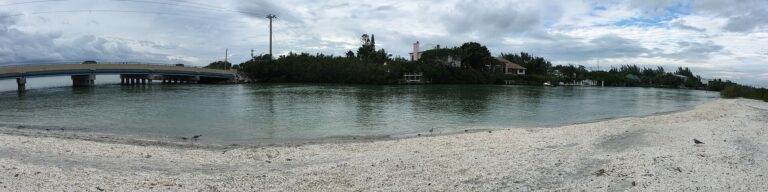
Work beach bait lanes and understand pass hazards. Plan public parking before exploring this narrow island on foot.
Read the fishing guide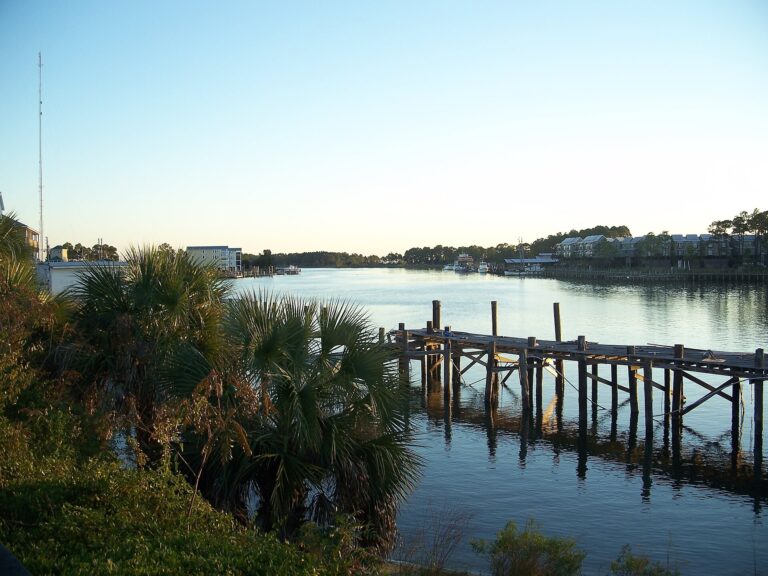
Follow the river toward St. George Sound. Learn to read changing water, choose public access and fish a useful edge close to town.
Read the fishing guide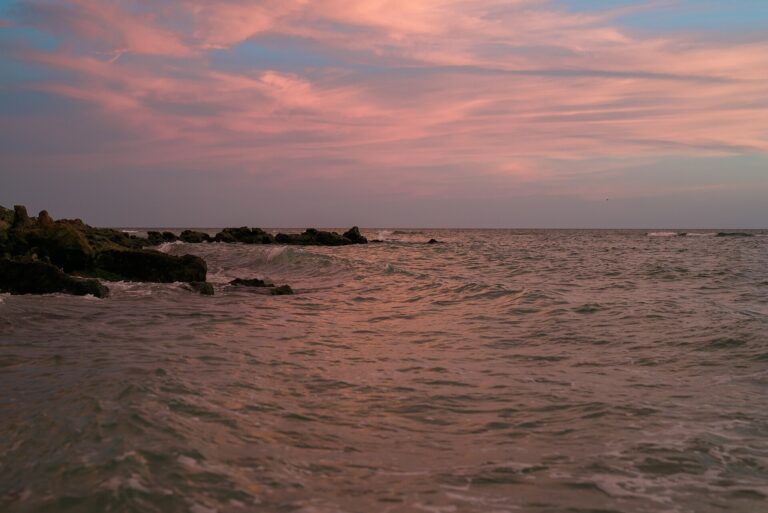
Explore sand, limestone and nearby deeper water, with a walking-access plan that accounts for the closed vehicle facilities.
Read the fishing guide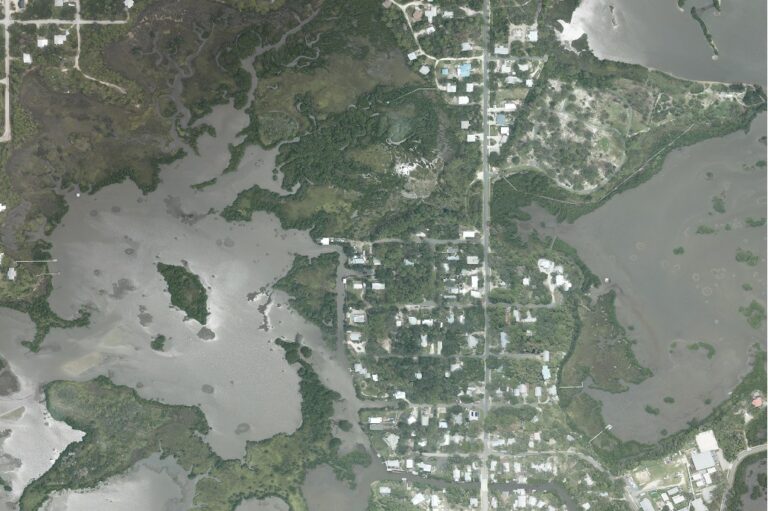
Small creeks, sharp oyster bars and miles of shallow water. Build a careful route through this quiet island coast.
Read the fishing guide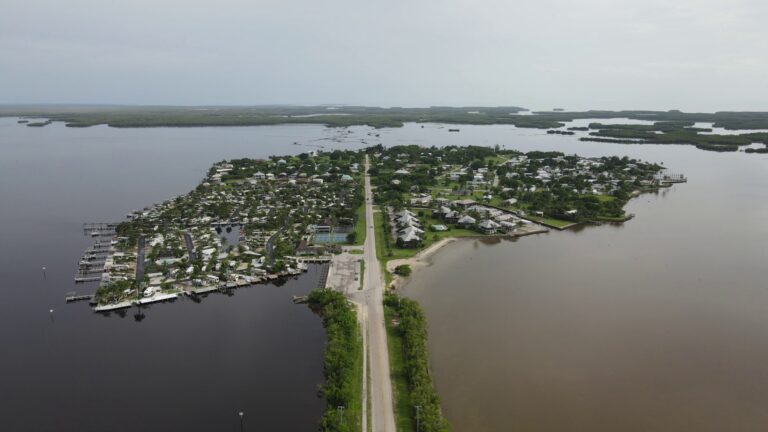
Fish beside oyster bars from known depth, arrange launch permission and choose a short route through the island waterways.
Read the fishing guide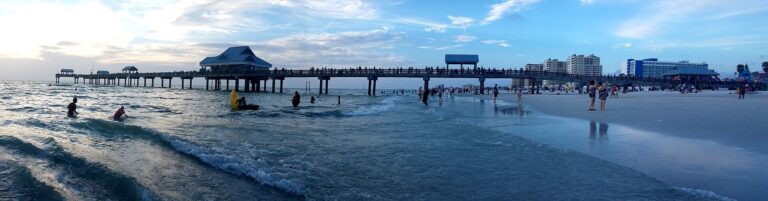
Choose a pier rail or a quiet, permitted beach stretch. Learn small-bait methods, beach snook tactics and how to fish around a busy shore.
Read the fishing guide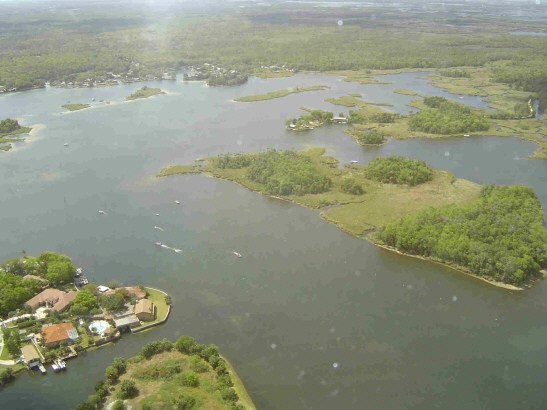
Find designated shore fishing and understand the wider estuary. Keep fishing plans separate from protected springs and manatee areas.
Read the fishing guide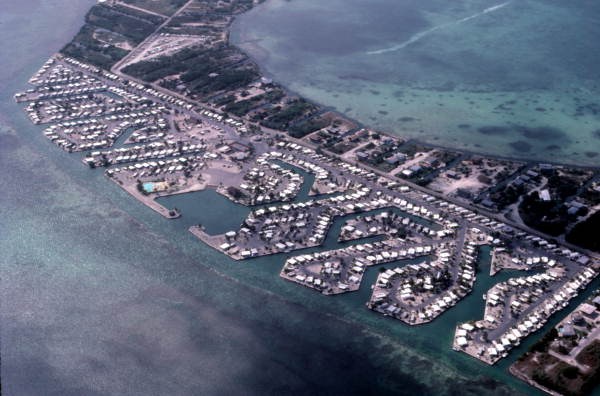
Check Blimp Road status before towing, then choose a modest backcountry route or a properly prepared legal reef trip.
Read the fishing guide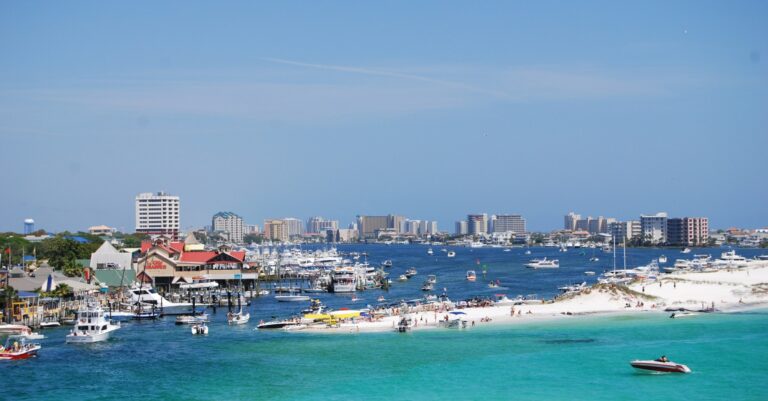
From the first beach cast to a day on the bay. Learn where to go, what to catch and how to get started.
Read the fishing guide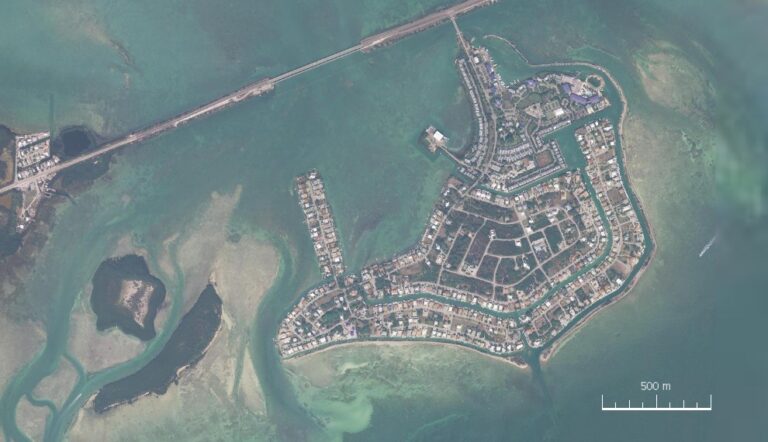
Arrange private launch access before exploring channel edges, or choose a separate nearby public or state park outing.
Read the fishing guide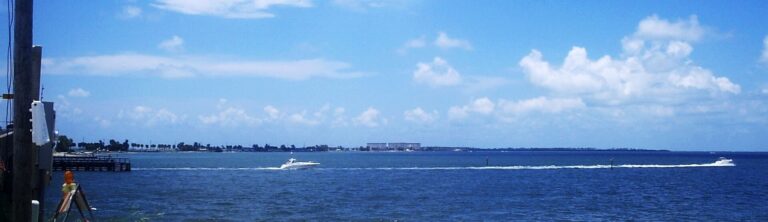
Find the edge between shallow grass and deeper water. Plan around shared causeway space, current launch rules and available services.
Read the fishing guide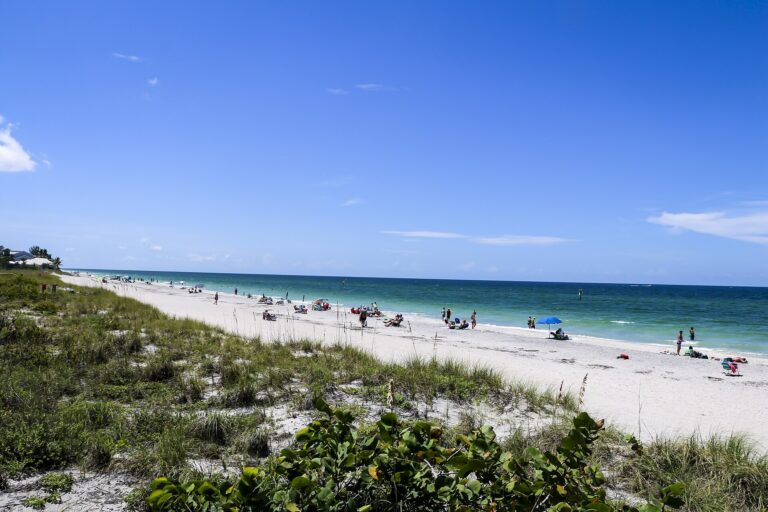
Build a manageable beach trip, compare nearshore bait lanes and keep closed pier facilities out of the plan.
Read the fishing guide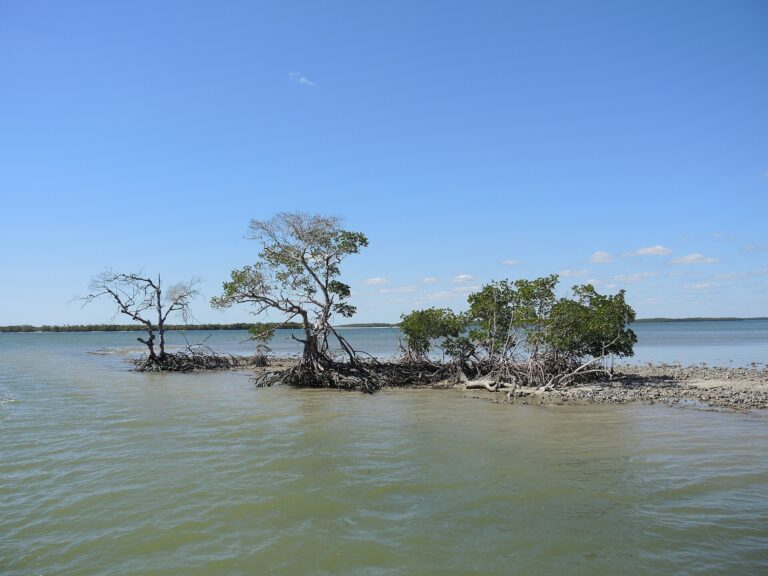
Plan from the new visitor center, read tidal river bends and keep navigation and national park requirements part of the fishing day.
Read the fishing guide