
NORTHEAST ATLANTIC
Gamble Rogers State Recreation Area
fishing guide
Gamble Rogers fishing guide with beachside closure details, Intracoastal options, redfish and trout methods, and launch planning.
Explore the guide ↓Two shorelines require two different plans
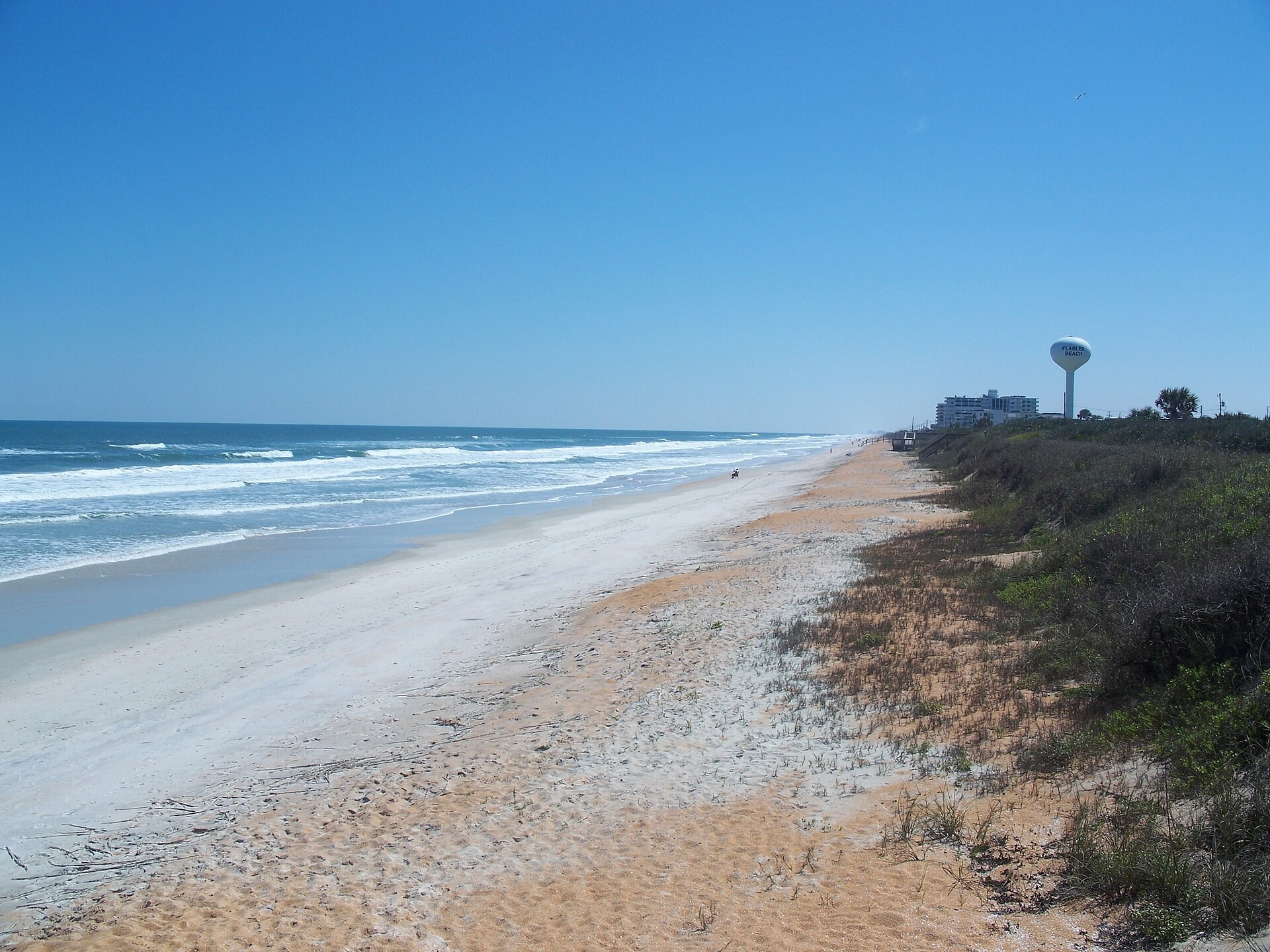
Gamble Rogers Memorial State Recreation Area at Flagler Beach has an Atlantic side and an Intracoastal side. That creates two very different fishing settings within a small area. Surf baits belong on the ocean beach, while the western water calls for estuary methods and attention to boat traffic.
The first decision is access. At the October 2026 review, the park still displayed a notice dated June 23, 2026 closing the beachside campground, day-use parking and restroom for improvements. Do not plan an ocean-side visit around older descriptions of those facilities.
An earlier notice about a beach ramp reopening does not cancel that later closure. Confirm with the park which entrances and facilities are available on your travel date. The recreation area is at 3100 South Ocean Shore Boulevard, and its published phone number is 386-517-2086.
Begin with the western water if access permits
The Intracoastal side offers a sheltered-looking setting compared with the open ocean. Sheltered does not mean still. Tidal movement, wind and passing boats can all affect a small craft or a shoreline presentation.
Ask park staff about the current boat-launch arrangement and any work affecting the west side. Do not assume the beach closure also closes every western facility, or that the western entrance gives permission to enter the closed beach area.
Where fishing is permitted, look for an edge that combines shallow feeding water with a nearby deeper route. Redfish can patrol these boundaries, while spotted seatrout may hold where prey gathers in open water beside cover.
Keep launch lanes clear. A ramp or dock used for getting boats into the water is not automatically a place to spread out fishing equipment. Use only areas where the activity is allowed and where it will not obstruct other visitors.
Let the edge guide a redfish presentation
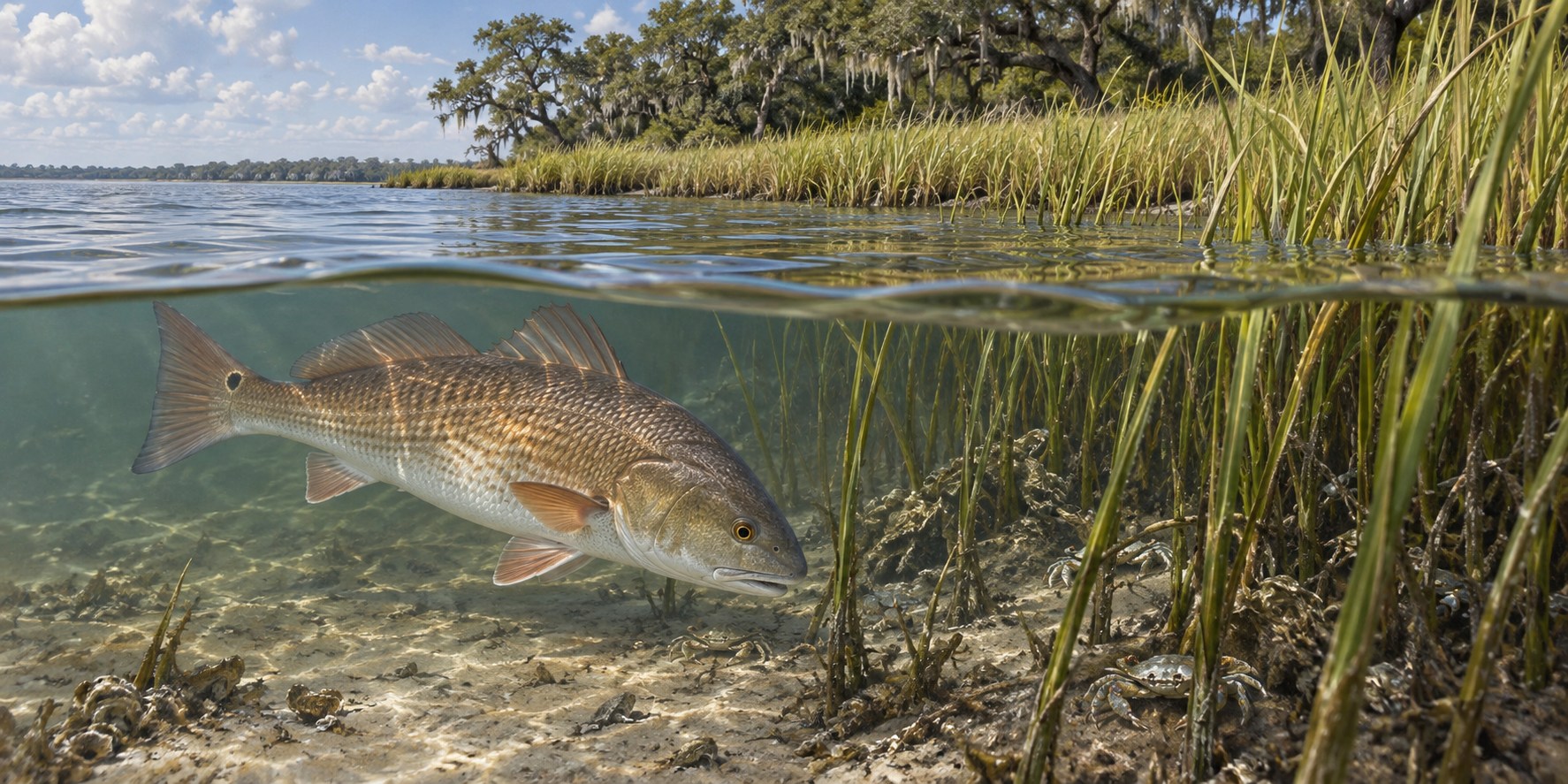
Look along the boundary between vegetation and open water. A small bend, drain or patch of shell can interrupt an otherwise straight edge and concentrate prey. Cast beside that feature rather than directly into the thickest cover.
A weedless soft plastic lets you work close to vegetation with fewer snags. Retrieve slowly enough to stay within the useful strip of water. If the lure repeatedly catches plants, change its path instead of pulling harder through the same obstruction.
Live shrimp can also be effective when current carries it naturally along an edge. Use a light presentation that remains manageable. Too much weight pins the bait down, while too little may leave it drifting far from the target.
Approach quietly in shallow water. A wake, dropped tackle box or repeated paddle knock can disturb the area before the first good cast. Give the shoreline a little space and use that distance to make a calmer presentation.
Different fish use different parts of the water
| Fish | Place to examine | Method worth trying |
|---|---|---|
| Redfish | Vegetation boundary, drain or shell margin | Shrimp or weedless soft plastic along the edge |
| Spotted seatrout | Open lane beside cover with small bait | Swimming lure or shrimp suspended above bottom |
| Flounder | Sand beside a current break | Slow jig kept near the lower water |
| Whiting | Atlantic sand trough when beach access is open | Small shrimp piece on a bottom rig |
The table separates habitats rather than predicting a catch. Ocean fish should not be assumed to occur at the same rate in the Intracoastal water. Choose tackle for the side you can legally reach.
Flounder and other regulated species can have seasonal restrictions. Learning how to catch a fish does not establish that it may be kept on the day of the visit.
Keep a trout bait above the clutter
Spotted seatrout often feed within reach of small prey moving past cover. A shrimp under a float can hold the bait where it remains visible. Adjust the depth to the actual water rather than leaving the float at a fixed position all day.
If the bait drags along the bottom, shorten the hanging distance or move to a clearer lane. If it rides too high above the feeding area, lower it gradually. Small adjustments help identify the productive layer.
A light swimming lure covers more water when you need to search. Try a steady retrieve across a depth change, then a slower pass. Do not add speed automatically just because the first cast is quiet.
Handle seatrout gently, with wet hands and support beneath the body. Avoid squeezing the fish or leaving it on a hot surface while arranging a photograph.
Plan a short paddle with an easy return
For a first visit, stay within a route that is easy to recognize and return from. Wind can strengthen after launch, and the way back may require paddling against both wind and current. A short straight-line distance can still become demanding.
Wear a properly fitted life jacket and keep communication equipment attached or within reach. Store hooks so a sudden movement does not send them into clothing or hands. Carry drinking water where it will remain accessible.
Watch for wakes before they arrive. Turn attention to controlling the craft rather than continuing a retrieve through unstable water. Give larger vessels room and stay outside navigation routes when a safe alternative exists.
Do not run a motor through water too shallow for it. Propeller damage harms habitat and can strand the boat. If an edge is too shallow to approach safely, fish it from a suitable distance or choose another area.
What to do when beach access returns
After an official reopening, the Atlantic side can support a separate surf-fishing outing. Start by inspecting the current beach shape and the designated access. Construction and storms may have changed both since older photographs were taken.
Whiting are a practical target in a sandy nearshore trough. A compact shrimp bait and a sinker within the rod’s rating are enough to begin. Try the inside lane before making a maximum-distance cast.
Keep well away from swimming groups. A hook below the surface can be difficult for others to see, and an unattended line can drift. Choose a clear stretch and remain beside the rod.
If the beachside facilities remain closed, use a different open public access rather than crossing barriers. The Flagler Beach fishing guide offers nearby planning context, including its own pier closure.
Use the weather to choose between plans
An easterly wind can make the surf difficult while the western water appears calmer. That does not guarantee the Intracoastal side is safe for a kayak. Check the wind direction against the full route, including exposed sections and the return journey.
Summer calls for a short heat-aware schedule and a firm response to thunder. Cooler seasons can offer comfortable fishing, but fronts may change water clarity and make a slow presentation more useful.
Compare local weather and tide predictions before deciding on a start time. Tidal timing inside the waterway may differ from the nearby beach, so watch the actual flow when you arrive.
The park’s usual daytime schedule is not permission to enter a closed section. Temporary notices take priority over a general hours listing.
Pack for the side that is open
An estuary kit can stay small: shrimp hooks, a float, soft plastics, a few suitable jig weights and spare leader. A surf outfit needs different sinkers and often a longer rod. Bringing every item for both sides can make a simple outing unnecessarily cumbersome.
Carry pliers, a measuring device and a container for broken line. Keep a legal catch cool promptly, and return unwanted fish with minimal handling. Avoid leaving bait scraps near a launch or picnic area.
Review FWC saltwater licensing and harvest guidance before fishing. Park entry, camping or launching arrangements do not replace those requirements.
End with enough time to retrieve the craft, clean up and leave through the correct entrance. A last-minute rush is especially unhelpful when temporary construction changes the usual route.
Keep the two bait systems separate
A float that helps shrimp remain above estuary cover is not the same tool as a surf sinker that resists waves. Store those rigs separately and choose after confirming which side is available. That prevents a closure-related change of plan from turning into an unsuitable presentation. If only one setting fits the day’s access, concentrate on learning it well rather than carrying equipment for a second setting you cannot use.
Gamble Rogers fishing questions
Is the beachside day-use area available?
The notice checked in October 2026 listed the beachside campground, parking and restroom as closed for improvements. Contact the park for a confirmed change before traveling.
Are the ocean and Intracoastal methods interchangeable?
They need different presentations. Surf rigs suit sandy ocean troughs, while lighter edge-fishing methods are useful in the western estuary water.
Can a beginner try the area by kayak?
Only with appropriate experience, equipment and current access confirmation. Keep the route short and account for wind, tidal movement and boat wakes.
What is a useful estuary bait?
Live shrimp offers several options. It can drift beside an edge or hang below a float, depending on the depth and bottom cover.