
NORTHEAST ATLANTIC
River to Sea Preserve
fishing guide
River to Sea Preserve fishing guide comparing Atlantic sand and Matanzas water, with access notices, coquina tactics and bait advice.
Explore the guide ↓Choose the ocean or the Matanzas side
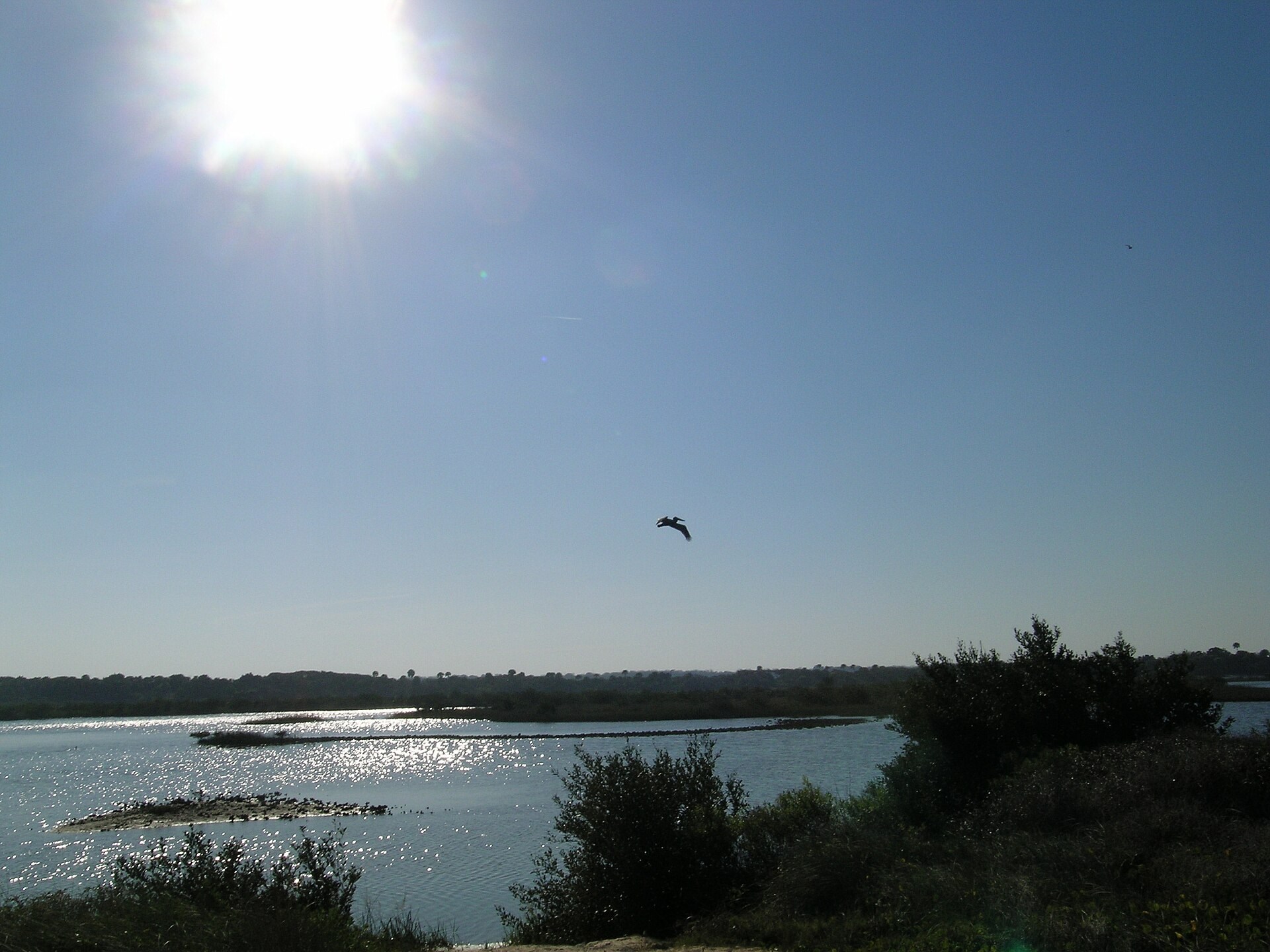
River to Sea Preserve near Marineland stretches across two different coastal settings. The Atlantic beach faces open waves, while the western side reaches toward the Matanzas River. A good fishing visit starts by choosing one of those settings and using the correct public entrance.
The preserve’s listed address is 9805 North Ocean Shore Boulevard. A1A separates parts of the property, so do not assume a parking place gives a direct walking route to every facility. Use designated crossings and marked trails.
This is a natural coastal area, not a purpose-built fishing pier. Shoreline shape, exposed rock, tidal movement and posted access limits matter more than the place name on a map. Arrive ready to observe and adjust.
Check the current water and access notices
At the October 2026 research review, the county’s preserve page displayed a water-quality advisory dated August 3, 2026. The page did not establish that the advisory had been lifted. Check the latest county and health notices before choosing an activity that involves water contact.
An old advisory should not be treated as proof that a problem continues forever, but neither should it be ignored without a current update. Ask the managing office when the published information is unclear. Choose another destination if the conditions cannot be established for the activity you plan.
Stay within open public areas and respect any temporary closure around a launch, trail or beach crossing. A photo of a clear day tells you nothing about today’s water quality or access status.
Facilities on the river and ocean sides serve different purposes. Confirm where launching and shoreline fishing are permitted rather than treating every open bank as an access point.
Rock changes the way you should fish
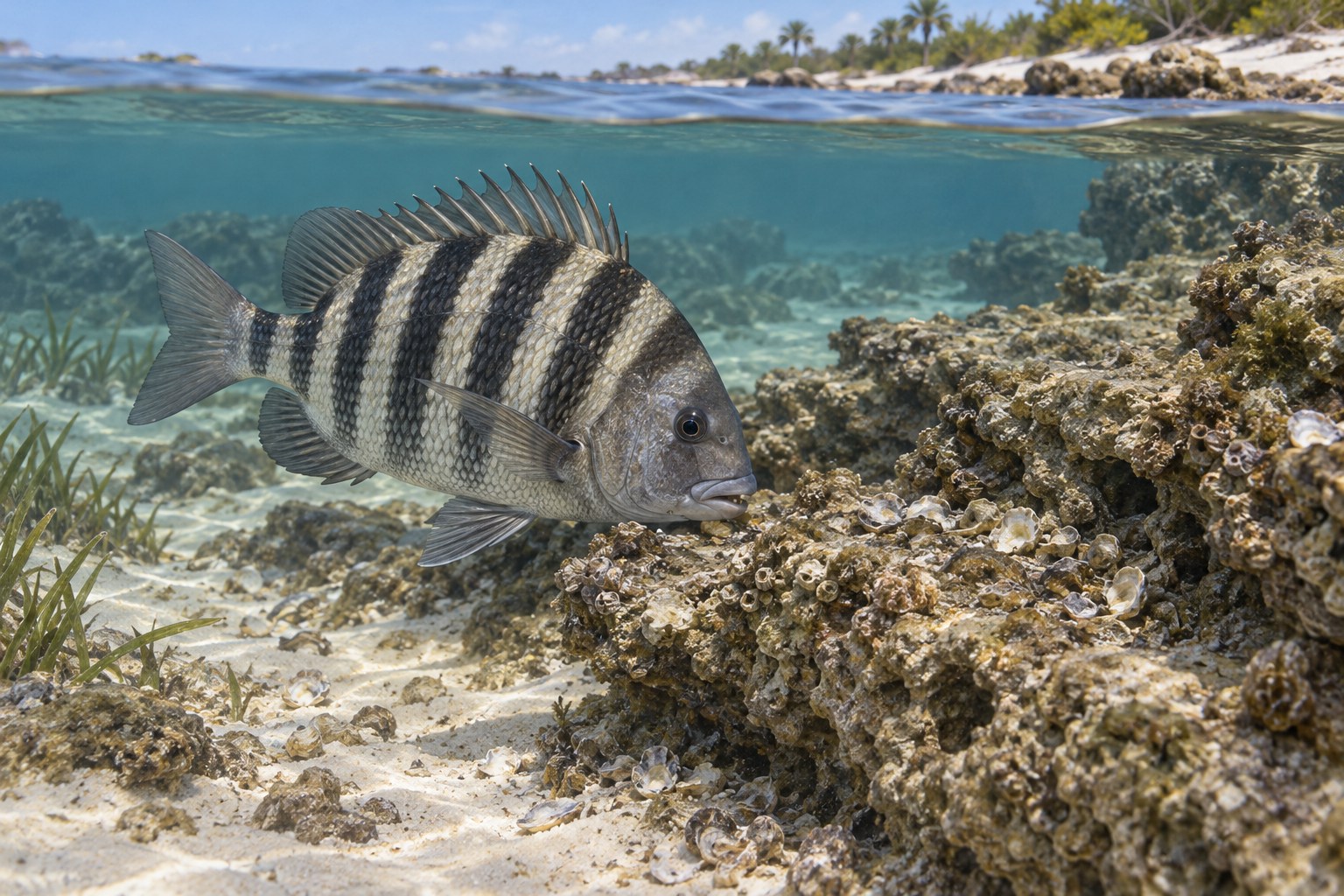
Coquina and other hard patches create a different problem from a smooth sandy beach. They can attract small marine life, but they also snag hooks, abrade leader and make footing unreliable. Look for a safe dry-sand position with an open presentation beside the structure.
Do not climb onto wet rock to shorten a cast. Waves can cover a surface that looked dry moments earlier. The safest fishing lane may be the sand next to the hard bottom rather than the top of it.
Sheepshead may feed close to structure where small crustaceans are available. A compact bait such as shrimp can be presented near that edge when local fishing and bait rules allow. Keep the rig simple enough to feel a light bite.
Retrieve with control when the bait drifts toward a snag. Pulling hard across rough bottom can cut the leader or wedge the sinker. Recast at a better angle before the rig becomes trapped.
Separate the main fishing choices
| Setting | Likely approach | Main concern |
|---|---|---|
| Open sand on the Atlantic side | Small bottom bait for whiting or passing pompano | Surf, swimmers and shifting troughs |
| Sand beside exposed hard bottom | Carefully placed crustacean bait | Snags and unsafe rock footing |
| Permitted Matanzas shoreline | Light lure or shrimp near a depth change | Current and limited bank access |
| Authorized paddling route | Quiet edge fishing from a suitable craft | Wind, wakes and the return tide |
Redfish, spotted seatrout and flounder are estuary possibilities where suitable habitat is reachable. They should not be promised from every trail endpoint or launch. The legal place to stand determines which water you can actually fish.
A short trip focused on one setting will usually teach more than a rushed attempt to cover both sides of the preserve.
Find sand that lets the bait work
On the ocean side, watch several sets of waves before casting. Search for a sandy trough inside the first bar, with enough movement to carry food but not so much that the sinker immediately sweeps away.
Use a short piece of shrimp for whiting. Keep the hook point clear and retrieve occasionally to confirm the bait remains. Small fish may remove soft pieces without producing a strong rod-tip signal.
Pompano fishing calls for a similar attention to clean water and sand lanes. A compact dropper rig can suspend bait above the bottom. Sand fleas or small shrimp pieces are options where bait collection and use are permitted.
Move away from exposed rock if the aim is a simple surf session. A sand-only lane reduces snags and makes it easier to interpret bites. Do not compensate for unsuitable bottom by continually adding heavier tackle.
Use the river’s movement without fighting it
On the Matanzas side, a small change in current can reveal a feeding route. Watch for prey carried around a point or along the edge of shallower water. A lure presented across that route may stay useful longer than one thrown into the strongest flow.
Begin with a light swimming soft plastic or live shrimp. Keep the presentation above rough bottom when necessary. If it repeatedly catches cover, alter the retrieve depth or move the casting angle.
Flounder can use sandy areas beside a current break. Work a small jig slowly enough to remain near the lower water, but avoid dragging blindly across unknown obstructions. A deliberate lift and settle can help distinguish contact from a bite.
Land-based reach is limited. Do not step through marsh plants, enter soft mud or cross a private boundary to reach a more attractive piece of river. A modest legal casting lane is the usable fishing area.
A launch is the beginning of the safety plan
Confirm the launch is open and suitable for your craft before carrying it to the water. A paddling access should not be assumed to accommodate a trailer or powered boat. Check the posted arrangement at the exact entrance.
Plan the return while still on shore. Tide and wind may combine differently later in the outing, and an easy outward trip can conceal a difficult paddle home. Keep a first route short enough to reverse promptly.
Wear a life jacket and carry a means of communication that remains accessible if the craft overturns. Keep spare hooks covered. Watch for boat wakes and give navigation traffic a wide, predictable margin.
Wildlife viewing is part of this landscape. Keep distance from animals and avoid blocking their movement. Do not approach a resting bird group just to reach a casting position.
Build a flexible half-day visit
Begin by checking the current notices, wind and available entrance. Once on site, inspect the water before unpacking all the equipment. Decide whether the ocean sand or a permitted river option is actually workable.
Spend the first part of the session learning one lane. Note the cast distance, bait condition and current direction. If the presentation keeps snagging or sweeping away, change location before sacrificing more rigs.
Leave time for a careful exit. Beach crossings and launch retrieval take longer when carrying wet gear. End early enough to avoid rushing through a closing gate or approaching storm.
Compare conditions using HookCurrent’s tide and weather page. For another northern Flagler County beach plan, the Beverly Beach guide describes a more straightforward sandy access.
Protect the fish and the shoreline
Bring pliers and a ruler where they can be reached quickly. If releasing a fish, keep handling brief and support its body. Do not place it on hot rock or dry sand while searching for a camera.
Carry broken line and damaged tackle out in a closed container. Rough bottom can produce frequent breakoffs, so reconsider the method if gear is being lost repeatedly. A less snag-prone lane is better for both the angler and the habitat.
Use FWC’s current saltwater regulations for licensing and harvest decisions. The preserve’s own access rules and any water-quality restrictions must also be followed.
Keep a few notes after the trip: which side was accessible, what the current did and where the bait remained fishable. Those details make a return visit more useful than a simple count of fish caught.
Make rough-bottom contact a reason to inspect
After a retrieve beside coquina, run a cautious visual check along the leader and inspect the hook point. Abrasion may show as whitening or roughness. Replace worn material instead of waiting for it to fail under a fish. A simple rig also leaves fewer places to catch the hard edge, making the presentation easier to control from shore.
River to Sea Preserve fishing questions
Can I fish both sides from the same entrance?
Do not assume so. The preserve has ocean and river settings separated by A1A. Use the designated route and confirm the activity allowed at each access.
Is the water-quality advisory still active?
The page reviewed in October showed an August advisory without a confirmed resolution. Check the latest managing-agency notice before planning water contact.
Should I stand on the coquina to fish?
No catch justifies unstable footing beside waves. Use a safe legal position and present the bait toward reachable water.
Which approach is simplest for a newcomer?
A small shrimp bait in an open sandy surf lane is easier to manage than a rig cast into rock. Choose it only when beach access and conditions are suitable.