
NORTHEAST ATLANTIC
Flagler Beach
fishing guide
Flagler Beach surf fishing guide with the pier reconstruction notice, whiting and pompano rigs, bait choices and sandbar advice.
Explore the guide ↓Fish the beach with a plan for the sand
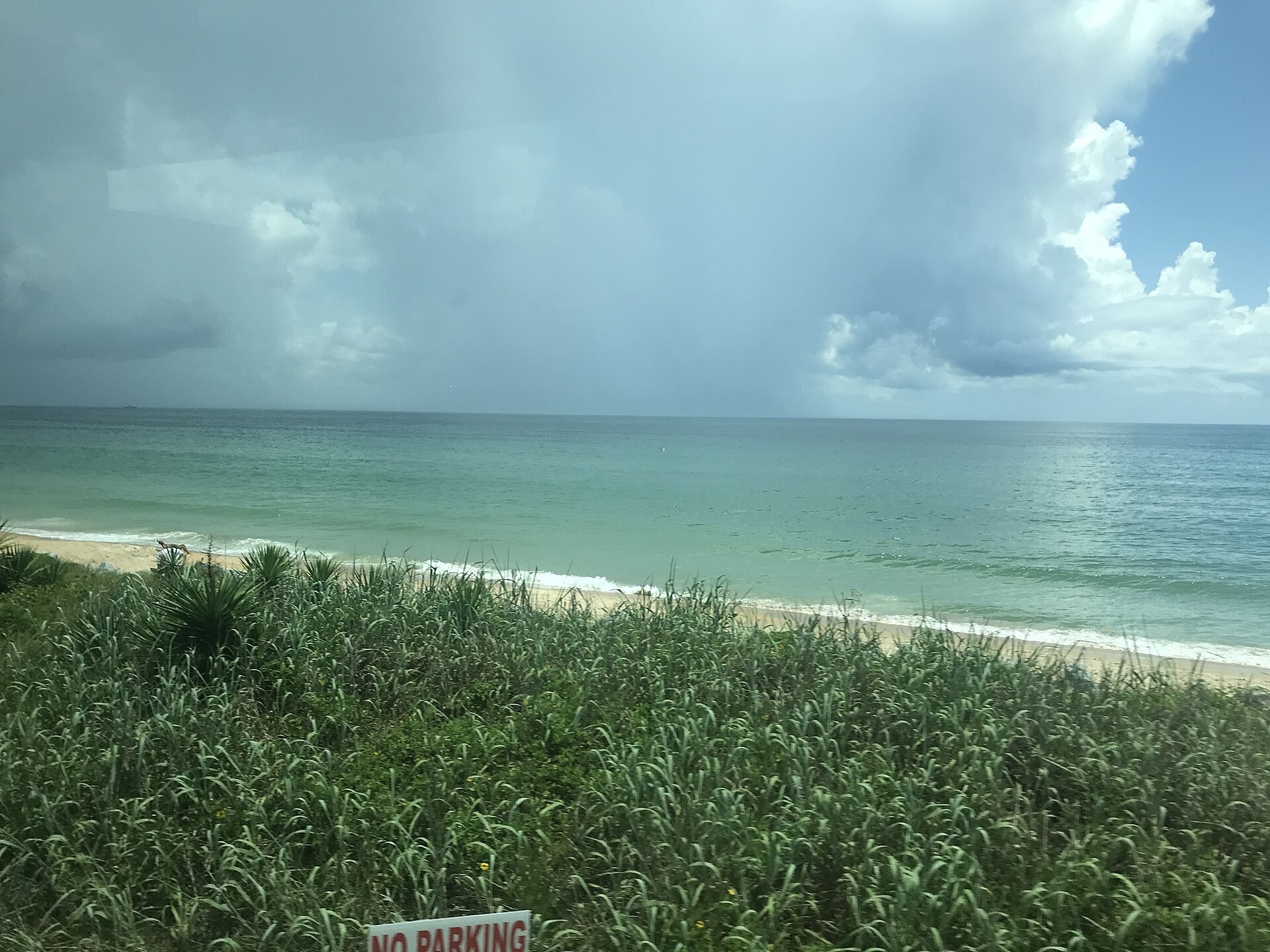
Flagler Beach offers an open Atlantic shoreline where the best fishing lesson often begins before the first cast. Watch the breakers, find a strip of deeper water and choose a stretch with room to manage a rod. Whiting and pompano are useful surf targets, while bluefish may follow bait along the coast.
The town’s pier is a familiar landmark, but it is not an available fishing platform during its reconstruction. The city lists a January 2027 completion target. That is a construction goal, not a guaranteed opening date. This guide was reviewed in October 2026, when the pier remained closed.
Build your outing around a legal, open beach access. Avoid the work area and follow temporary barriers. A photograph of the old pier, or a fishing report written before construction, does not establish current access.
Choose an entrance before carrying the rods
Use a marked public crossing and check the signs at that entrance. Parking, dune protection and construction boundaries can differ along the shoreline. Do not use a private staircase or climb over a dune because the water looks closer.
A short carry is valuable when bringing bait, drinking water and a cooler. Keep the load small enough to move if bathers arrive or waves reach the equipment. An overloaded beach cart is difficult to pull through loose sand.
Beach work can alter the shape of the nearshore sand. After nourishment or a storm, yesterday’s trough may be shallower, deeper or farther offshore. Read the actual water instead of casting toward a remembered position.
For a nearby public beach park north of town, see the Beverly Beach and Varn Park guide. Its access details should be checked separately from those around the Flagler pier.
Find the first useful trough
A sandbar often makes waves break along a repeated line. Between that bar and the beach, a darker or smoother strip can indicate a trough. Small fish use these lanes to search for food stirred by the surf.
Start with a moderate cast into the inside lane. There is little benefit in throwing past fish feeding a few yards from shore. If the bait remains untouched, try another distance before changing everything on the rig.
Look for a stretch where the water moves but the sinker does not sweep rapidly sideways. Some movement brings food within reach of fish. Too much movement makes the bait difficult to present and can cross neighboring lines.
A break in the sandbar may carry a strong outward current. It can be interesting from dry sand, but it is not an invitation to wade into the gap. Keep both feet on a safe beach and let the cast reach the water.
Pick a target that fits the conditions
| Fish | Useful situation | Starting approach |
|---|---|---|
| Whiting | Manageable surf over a sandy inside trough | Small piece of fresh shrimp close to bottom |
| Florida pompano | Clean moving water and a defined sand lane | Sand flea or compact shrimp bait on a dropper rig |
| Black drum | Bottom feeding near shell or a deeper pocket | Shrimp presented steadily on the bottom |
| Bluefish | Visible bait and active surface feeding | Compact lure retrieved through open water |
| Spanish mackerel | Clearer water with small bait schools | Small metal lure matched to the prey |
These are possibilities, not a promise that every fish is present each month. Water temperature, bait and weather can shift the mix. A quiet day for pompano may still offer a worthwhile whiting session.
Identify a fish carefully before keeping it. Young fish and fast-moving catches can be confusing, especially when several species feed in the same wash.
Keep bottom baits simple
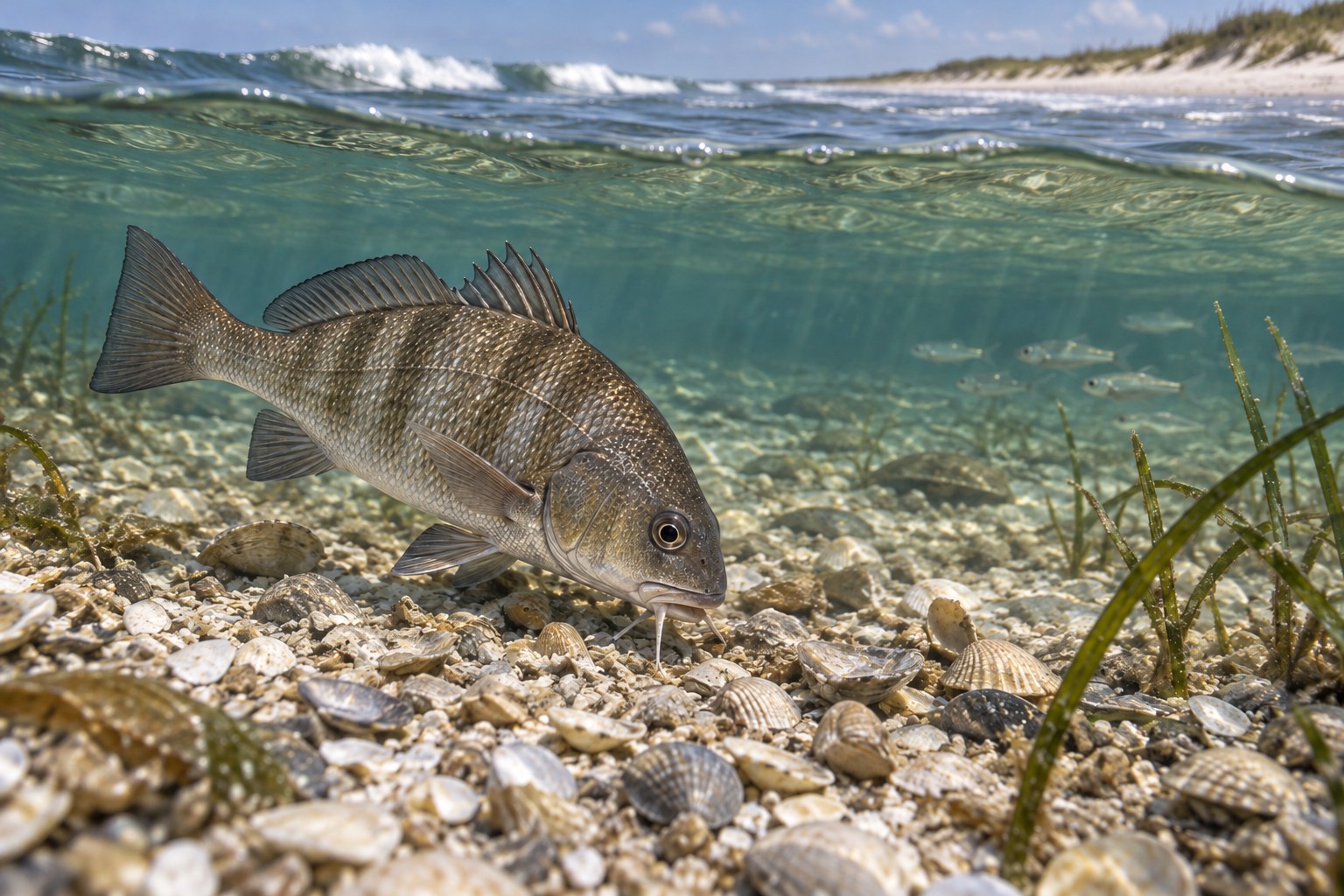
A short shrimp bait is easier for a small bottom-feeding fish to take than a long strip that folds around the hook. Leave the point exposed and replace a bait that has been picked apart. Fresh bait and a clean presentation often matter more than a crowded rig.
Choose a sinker that holds reasonably well without exceeding the rod’s casting rating. If the required weight feels uncomfortable or unsafe to cast, the surf may be unsuitable for that outfit. A heavier sinker cannot solve every rough-water problem.
Black drum may give a less dramatic first signal than a fast-swimming predator. Pick up the rod, take in slack and apply controlled pressure. With a circle hook, let the line tighten rather than making an abrupt overhead strike.
Check the leader after contact with shell or after landing a fish. Rough sections deserve replacement before the next cast. A few inches of damaged line can undermine otherwise suitable tackle.
Adjust a pompano rig one step at a time
A basic dropper rig holds a small bait just above the sand. Keep the hooks and bait compact. Oversized pieces can spin in the wash and hide the point.
Sand fleas are a familiar choice where bait collection is permitted. Small shrimp pieces and suitable prepared baits are alternatives. Carry more than one option, but begin with a manageable comparison rather than changing all the baits after every cast.
Cast one rig nearer and another farther only when local space allows both to remain under control. If the close bait gets attention, bring the second presentation into a similar lane. Distance is information you can use.
When grass accumulates on the line, retrieve it promptly. The added drag pulls the sinker out of place and makes small bites difficult to see. Persistent weed can make a shorter session the better decision.
Use tide and season as clues
Changing water can open feeding lanes along a sandbar. A rising tide may bring fish closer to shore, while falling water can concentrate movement through lower sections. The best stage depends on the shape of the beach that day.
Cooler months and the spring and fall transitions can provide comfortable surf-fishing conditions. Strong fronts may also make the coast rough or dirty. Do not choose a date from the calendar without looking at the marine forecast.
Summer mornings can offer less heat and fewer beach users. Thunderstorms still require a quick retreat. A rod should be packed away well before lightning is overhead.
Check tides, wind and the weather forecast together. A predicted tide height does not describe wave size or the force of the current across the sand.
Switch to a lure only when the water supports it
If small bait scatters and predators strike near the surface, a compact spoon or metal lure lets you respond quickly. Cast beyond the activity when possible and retrieve through its edge. Throwing directly onto a school may scatter the bait before the lure starts moving.
Use a leader appropriate for sharp teeth when bluefish are likely. Keep pliers ready and avoid placing fingers near the mouth. Check the lure connection after every hard strike.
Stop casting when swimmers move into the lane. An active bite does not give a fishing line priority over people in the water. Pick a different stretch or wait for a clear, safe opening.
A practical first visit
Arrive with one surf outfit, spare leaders, two bait choices and a rod holder. Spend the opening minutes watching the waves and deciding where the equipment can remain above the wash. Make the first few casts at different distances.
After a bite, note where the rig landed and whether the bait was intact. Those observations are more useful than immediately adding another rod. If nothing changes after several careful presentations, move a modest distance along an open stretch.
Keep a ruler, wet-hand towel and dehooking tool within reach. Release unwanted fish promptly and carry out every piece of line. Before leaving, check the sand around the rod holder for hooks or bait packaging.
For harvest and licensing decisions, consult FWC’s recreational saltwater fishing rules. Beach access permission and fishing permission are separate matters.
Make the first cast a rig check
Before committing to a long soak, retrieve and inspect the hook, leader and bait. A clean rig can test the trough; a tangled one cannot. If the leader wraps during the cast, use a smoother motion and reduce loose bait that catches the air. This small check is especially useful when learning a new surf outfit. Once the rig arrives cleanly, spend more attention on distance and the movement of the water.
Flagler Beach fishing questions
Can I fish from Flagler Beach Pier now?
The pier was closed for reconstruction at the October 2026 review. The city’s target was January 2027, but visitors must confirm an actual reopening before planning to use it.
Do I need to cast past the first sandbar?
No. Whiting and other feeding fish can use the nearer trough. Try the inside water before assuming a longer cast is better.
What bait should a beginner bring?
Fresh shrimp cut into small pieces is a flexible starting choice. Add sand fleas or another compact bait if pompano are the main target.
What makes a beach session unworkable?
Heavy surf, lightning, constant weed or crowded swimming water can prevent safe fishing. Change the plan instead of forcing the tackle into unsuitable conditions.