
NORTHEAST ATLANTIC
Apollo Beach at Canaveral National Seashore
fishing guide
Apollo Beach at Canaveral fishing guide with the northern entrance, park restrictions, surf bait and a separate Mosquito Lagoon plan.
Explore the guide ↓This is the Apollo Beach south of New Smyrna
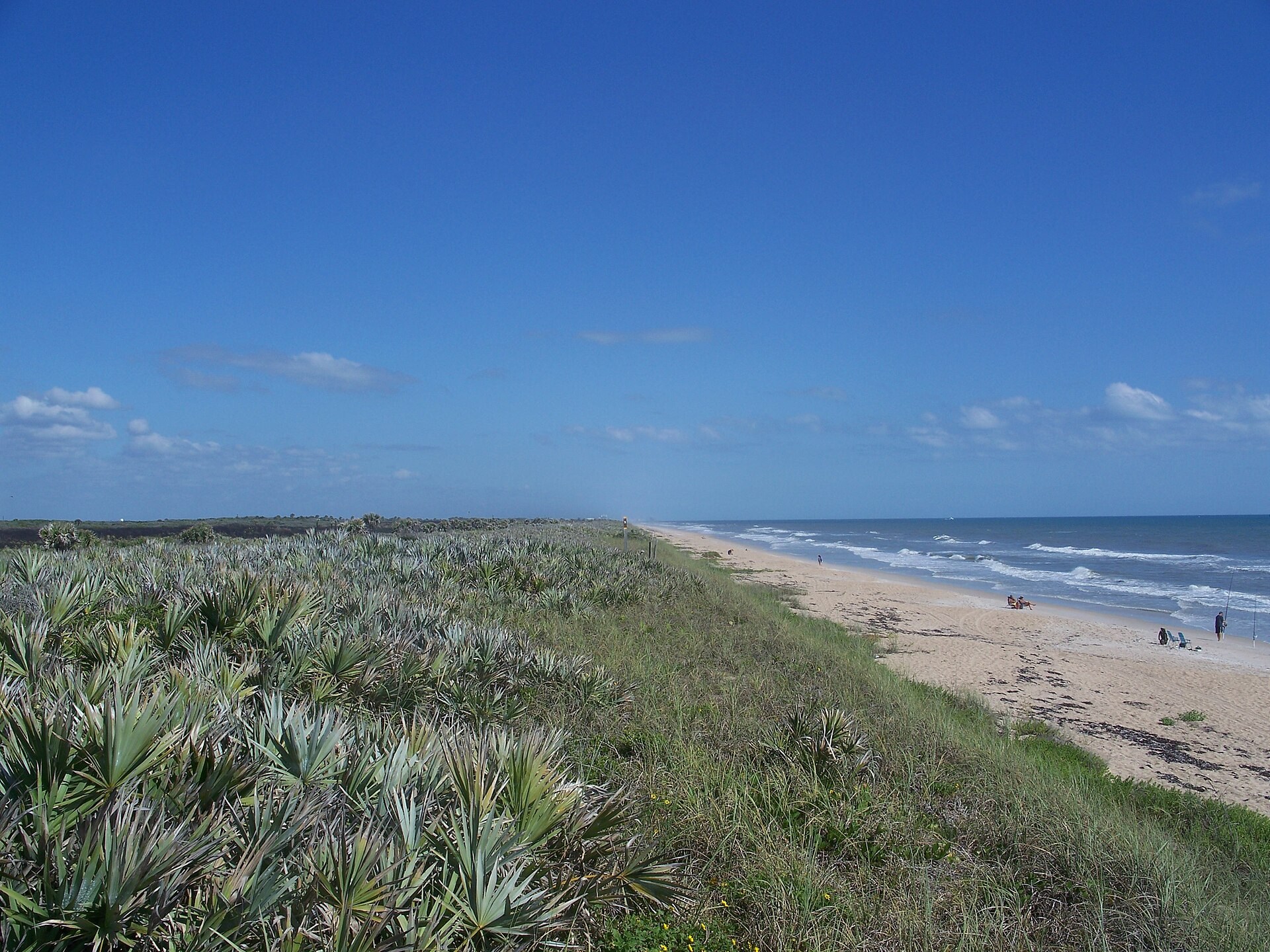
Apollo Beach in Canaveral National Seashore is the Atlantic destination reached from the New Smyrna Beach side of the park. It is not the community named Apollo Beach on Tampa Bay. Check that distinction before setting navigation or making a fishing plan.
The main appeal is a comparatively natural coastal setting with ocean sand and nearby Mosquito Lagoon habitat. The ocean and lagoon are different fishing environments, and public access does not extend to every piece of shoreline.
For a first outing, an open ocean access and a simple surf rig can keep the plan manageable. Whiting and passing pompano are more practical starting targets than a complicated attempt to cover both sides of the seashore in one visit.
Use the northern entrance and current park hours
Apollo is reached from the north. Playalinda Beach uses the southern entrance near Titusville, and there is no public through-road connecting the two beach access systems. Do not plan to drive along the seashore from one to the other.
The 2026 park rules reviewed for this guide specify closure from 6 p.m. to 6 a.m. Check the current entrance schedule and alerts before travel because temporary operations can alter access. Fishing does not authorize remaining after the park closes.
The national seashore uses cashless fee collection. Have an accepted payment method or applicable pass ready, and understand what it covers. An entrance pass is not a fishing license.
Use open designated lots and crossings. Nesting protection, storm damage or other management needs may close particular sections. A parking space shown on a map is not proof that it is available that day.
Keep fishing outside restricted activity areas
National Park Service guidance excludes fishing from designated swimming, surfing and boat-dock areas. It also prohibits fishing from road bridges and within 200 feet of watersports floats. Read the local signs so the casting position fits the exact setting.
Those restrictions matter even on a quiet day. An empty dock remains a dock, and a designated activity area does not become unrestricted because few visitors are present.
Stay on established access routes and keep off dunes. Do not enter a closed nesting area to reach a promising trough. Wildlife protection is part of the seashore’s purpose.
Leave plants, shells and habitat features where park rules require. Bait gathering is a separate activity that should be checked rather than assumed to be allowed everywhere.
Read the beach from the dry sand
Watch a series of waves to locate the first bar. The deeper strip inside it may carry feeding fish along the coast. A short or moderate cast into that lane is a useful first test.
Use a small shrimp piece for whiting and check it after light taps. If it disappears repeatedly, reduce the bait size or use a firmer piece. A quiet rod does not always mean the bait is still present.
Pompano may travel through clean surf over sand. A compact dropper rig with suitable small bait keeps the presentation above the bottom. Try another distance only after learning what the first lane is doing.
A gap in the breakers may be an outward-flowing channel. Fish from a safe shore position instead of wading into it. Natural beaches can have strong currents without obvious surface drama.
The lagoon requires its own access plan
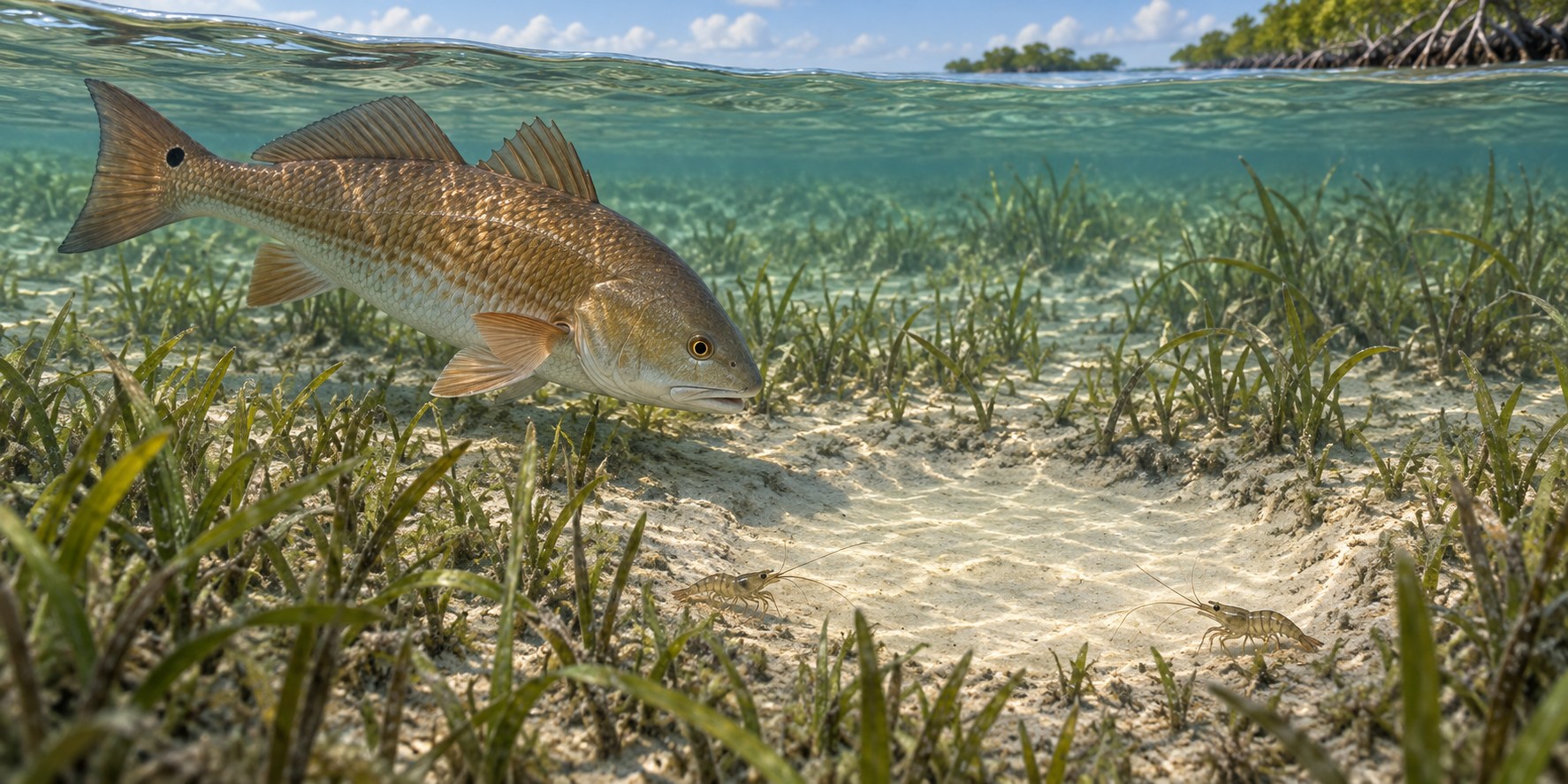
Mosquito Lagoon habitat can interest anglers looking for redfish and spotted seatrout. That does not make every ocean parking lot a lagoon launch. Confirm the authorized access, permitted craft and route before carrying a boat or kayak.
Look for a boundary between shallow feeding cover and open water. A redfish may move along that edge, while trout can feed in adjacent water where small prey gathers. Present a lure along the route rather than splashing directly into the thickest habitat.
Keep the approach quiet and avoid grounding a motor in vegetation. Shallow habitat is easily damaged, and a boat stuck on the bottom creates a problem for both visitor and environment.
A lagoon trip needs navigation, weather and a return-time margin. Do not add it casually at the end of an ocean session when daylight and park hours are already limited.
Choose equipment for one water type
| Plan | Core tackle | Key observation |
|---|---|---|
| Whiting from the beach | Simple bottom rig and compact shrimp bait | Where the inside trough holds water |
| Pompano in clean surf | Small dropper rig and suitable bait | Which casting distance receives attention |
| Authorized lagoon edge fishing | Light soft plastic or shrimp presentation | Prey and a reachable depth boundary |
| Small-craft lagoon visit | Fishing gear plus full paddling safety equipment | Wind, route depth and the return window |
Keep spare tackle limited to what the plan needs. A long walk through sand is easier with a compact load, and fewer loose hooks reduce problems during transport.
Make the bait easy to find and take
Fresh compact bait generally stays cleaner on a small hook than a long dangling piece. Leave the point exposed and avoid twisting the leader while attaching it. Check the rig after each cast until you know it lands without tangling.
Choose a surf weight within the rod’s rating. If the current demands more than the outfit can cast comfortably, conditions may be unsuitable. Do not use force to overcome a tackle limit.
In the lagoon, a lightly weighted presentation may be more useful than the surf rig. The aim is to work beside cover without burying the hook in it. Adjust the angle before adding excessive weight.
Use the first bites as information. Repeat the successful depth or distance, then make small changes if needed. This is more effective learning than replacing bait, weight and location at the same time.
Prepare for a less developed shoreline
Bring the drinking water, food and basic supplies needed for the full visit. Do not rely on finding a shop beside the chosen beach crossing. Keep enough room in the plan for the walk back with wet equipment.
Sun, insects and changing weather can shorten a trip. Pack suitable protection without leaving containers or wrappers behind. A lightweight kit makes an early exit easier when the forecast changes.
Tell someone where you intend to fish, especially when visiting a quieter section. Carry a charged phone, but do not make a safety plan that depends entirely on constant reception.
Watch for birds and other wildlife before casting. Feeding activity may indicate bait, but a flock on the water is not a safe target for a lure.
Leave a generous margin before closing
Set a pack-up time before the session begins. The return includes walking, loading and leaving through the entrance, not just reeling in the last bait. Do not let a late bite erase that margin.
Summer mornings can reduce heat, while cooler months may offer comfortable surf-fishing days between fronts. Strong wind and rough waves can make either season unsuitable. Evaluate the actual marine conditions.
Check tides and weather for the area. For a nearby developed park with a lagoon-side fishing pier, compare Bethune Beach rather than assuming every seashore access has similar facilities.
Follow both park and fishing requirements
Use FWC’s current saltwater rules for licensing and harvest information. National seashore restrictions also apply, including the places where fishing is excluded.
Keep a ruler and dehooking tool ready. Support released fish with wet hands and avoid extended time on hot sand. Chill a legal retained catch promptly.
Collect all line and damaged tackle before leaving. A natural beach can hide a hook easily, so inspect the exact area around the rod holder and bait container. Leave the access as clean as it was when you arrived.
Choose a load you can carry back when tired
A natural beach outing often ends with wet equipment, leftover bait and a cooler that is no lighter than when it arrived. Pack for the return, not just the first walk from the vehicle. One rod, a few prepared rigs and essential handling tools can cover a focused surf session.
Keep the hook secured before lifting the rod for transport. Put used leaders into a closed container rather than a loose pocket. If the wind strengthens, loose tackle can become difficult to control while walking.
Set a personal turnaround time earlier than the park deadline. That margin covers a slow walk, a tangled rig or a crowded exit without creating pressure to rush through the final cleanup.
Apollo Beach at Canaveral fishing questions
Is this the Apollo Beach near Tampa?
No. This guide covers the Atlantic beach entrance of Canaveral National Seashore south of New Smyrna Beach.
Can I drive through to Playalinda?
No public road connects the two seashore beach entrance systems. Playalinda requires a separate approach from the Titusville side.
Can I fish from a park boat dock?
Park guidance excludes boat-dock areas and certain other activity zones. Use a permitted fishing position and read local signs.
Can I stay late if the fishing improves?
No. Follow the current park closing time and allow enough time to pack and exit.