
SPACE / TREASURE COAST
Cape Canaveral
fishing guide
Cape Canaveral fishing guide comparing Cherie Down surf, Jetty Park rules and nearshore opportunities, with bait and access details.
Explore the guide ↓Separate the public beach from the working port
Cape Canaveral fishing can mean an ordinary surf session, a designated pier visit or a boat trip into nearshore water. Those are different activities with different access rules. The presence of a harbor does not make every waterfront edge open to anglers.
For a shore-based first visit, choose an established public beach such as Cherie Down Park or verify the current fishing-pier arrangement at Jetty Park. Do not wander into port operations, secured areas or restricted shoreline looking for a casting position.
Whiting and pompano are practical sand targets. The broader coastal water can also hold passing predators, including mackerel and cobia in suitable circumstances. Offshore possibilities should not be presented as routine catches from a public beach.
Use Cherie Down Park for a beach plan
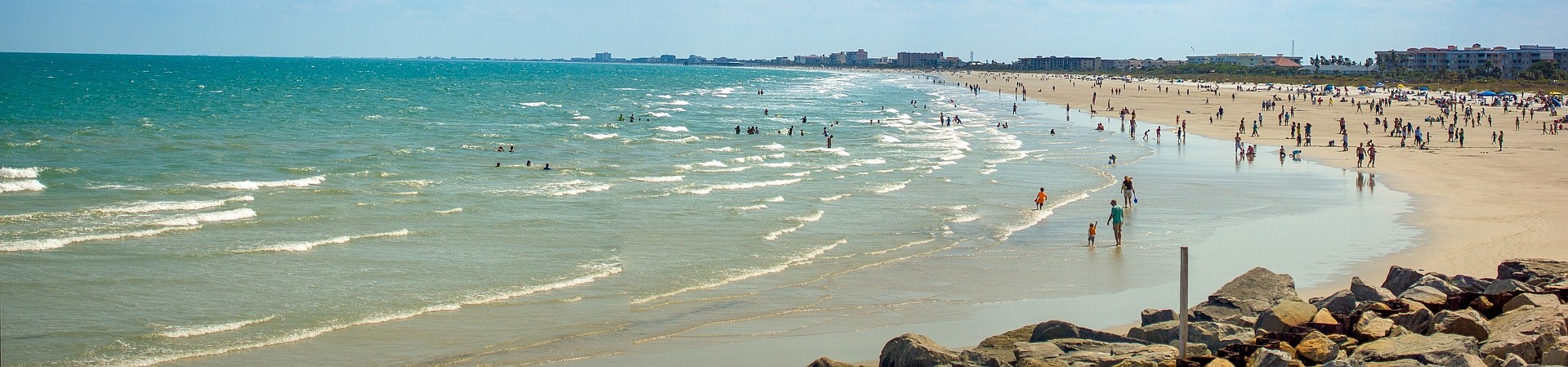
The Space Coast tourism office lists Cherie Down Park at 8330 Ridgewood Avenue. It describes public beach access with restrooms, outdoor showers and picnic facilities. Check the current park signs and access conditions on arrival.
The beach supports several kinds of recreation, including swimming and surfing. Choose a clear fishing stretch away from those activities. A convenient entrance is not necessarily the best place to cast if people are already in the water.
Use the designated dune crossing and keep equipment off the vegetation. Carry a load you can move without difficulty if the fishing space changes. A single rod and compact bait kit are enough to begin learning the surf.
Do not assume the park is an authorized boat launch. Launching a craft and fishing from the sand are separate activities that require their own access confirmation.
Jetty Park has its own fishing restrictions
Port Canaveral’s rules effective October 1, 2026 prohibit fishing from Jetty Park’s beach, shoreline and rocks. For a visit there, plan around the permitted fishing pier and confirm the current arrangement with staff. Do not apply Cherie Down’s beach setting to a different park.
The port rules also restrict fishing methods. A rod-and-line plan is the appropriate starting point, and a cast net or trap should not be assumed to be permitted. Check the full current rules before bringing specialized equipment.
Harbor traffic needs unobstructed navigation space. Keep lines within the permitted fishing area and follow staff directions. A large vessel passing nearby is a reason to pay attention, not to cast into its route.
The separate Jetty Park guide explains that facility in more detail.
Understand the nearshore cobia opportunity
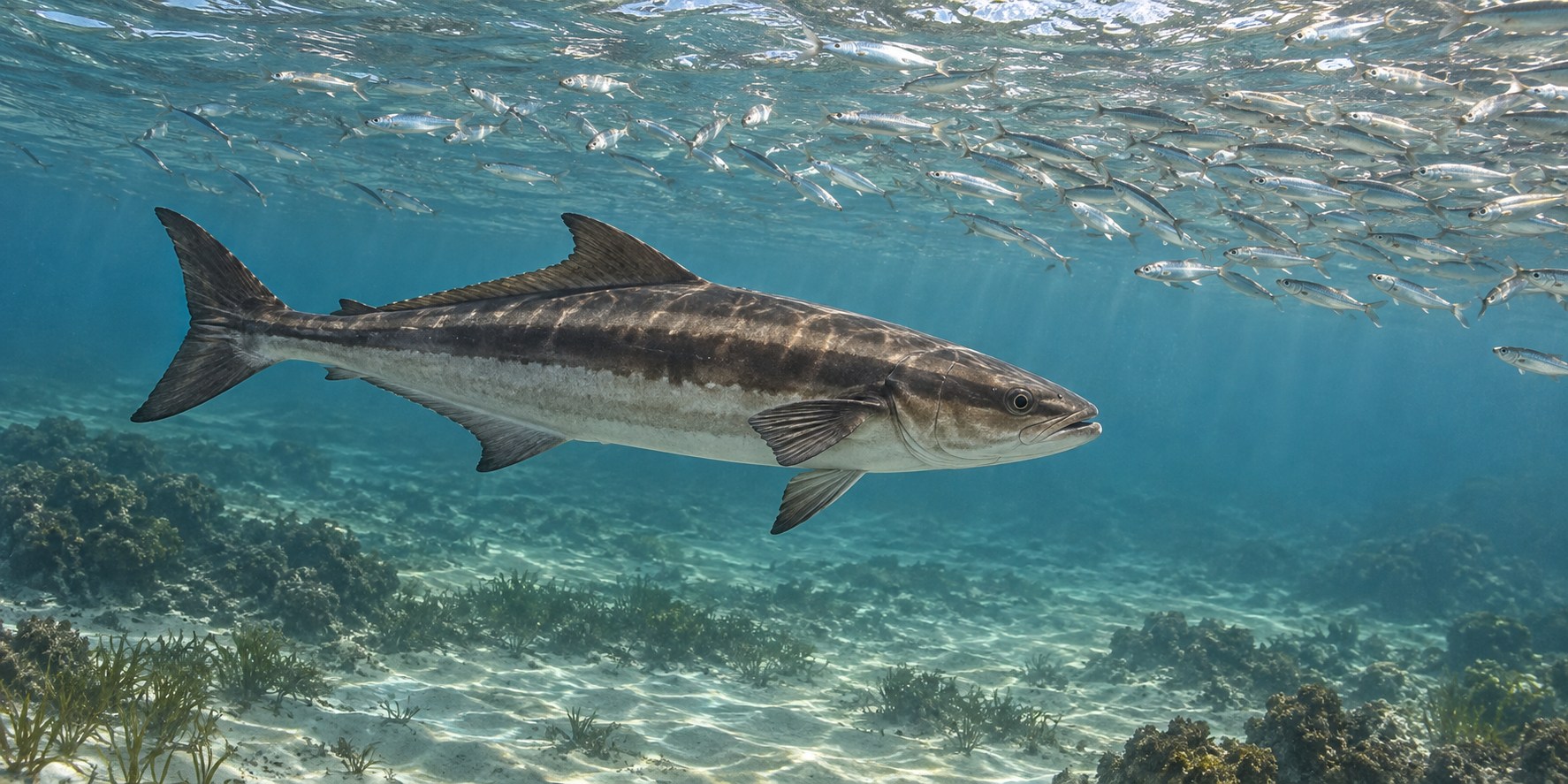
Cobia are strong fish associated with nearshore and inshore waters, including areas around structure. They feed on prey such as crabs and small fish. Their appearance can be seasonal and unpredictable, so a trip should not depend on a promised sighting.
From a properly equipped boat, anglers may look for suitable structure or visible fish while maintaining safe navigation. A live bait or lure should be placed within reach without landing directly on the fish. Boat control and a clear deck matter during the fight.
This is a different level of preparation from a light surf outing. Tackle, landing equipment and crew readiness must suit a powerful fish. Do not improvise a large-fish plan after a chance encounter from an unsuitable position.
Check current cobia identification and harvest requirements before targeting them. A nearby fish with a similar shape should not be identified solely from a distant silhouette.
Use the beach to learn a simple pattern
Watch the waves for a repeated breaking line that marks a bar. A trough inside it can bring feeding fish close to shore. Start with a modest cast into that lane instead of treating distance as the main goal.
For whiting, thread a short piece of shrimp onto a small hook and leave the point exposed. Retrieve after light taps to see whether the bait remains. If small fish strip it quickly, use a firmer piece or check more often.
For pompano, a compact bait on a dropper rig can stay above the sand. Sand fleas may be useful where collection is allowed, with small shrimp or prepared bait as alternatives. Keep the presentation neat enough that it does not spin.
Choose a sinker within the rod’s rating. If waves and current demand more weight than the outfit can manage, the conditions are wrong for that tackle.
Match expectations to the access
| Plan | Reasonable focus | Important limitation |
|---|---|---|
| Public beach surf fishing | Whiting and passing pompano over sand | Keep clear of swimmers and use permitted access |
| Jetty Park fishing pier | Fish reachable from the designated platform | Separate port rules govern methods and location |
| Nearshore boat fishing | Mobile predators and suitable structure | Requires marine planning and capable equipment |
| Working harbor shoreline | No assumed fishing access | Security and operational boundaries apply |
A location name covers more water than any one visitor can fish. Narrowing the plan prevents disappointment and keeps the article’s possibilities from being mistaken for promises.
Watch bait before changing tactics
If small fish begin scattering near the beach, a compact lure may become useful. Cast through a clear lane beside the activity and retrieve at a speed that resembles fleeing prey. Avoid throwing into birds or swimming groups.
Bluefish and mackerel require attention to teeth and leader wear. Use suitable tackle and keep pliers accessible. Inspect the connection after a strike even if no fish is landed.
When the activity moves beyond safe reach, return to the original plan. Do not wade farther into surf or cross a restricted boundary to follow it. Mobile bait schools can pass quickly.
A quiet surface does not mean the bottom is empty. Continue checking a well-placed small bait if conditions remain suitable.
Plan for ocean exposure and busy travel days
Onshore wind can increase surf and make a beach presentation difficult. Nearshore boating requires an even broader assessment of waves, wind and the safe return route. A city forecast alone does not describe offshore conditions.
Launch activity and major visitor events can affect traffic and access in the Cape area. Check the route and allow extra time without assuming a specific beach will be closed. Restrictions depend on the event and responsible agency.
Summer heat calls for drinking water and a short route back to shelter. Thunder should end the fishing well before rain arrives overhead. Exposed sand and piers offer no suitable lightning protection.
Review the tide and weather outlook and compare it with conditions at the chosen entrance.
Carry a kit that fits the first goal
For the sand, bring one suitable outfit, a few holding weights, small hooks, leader and two bait choices. Add a rod holder, pliers and a ruler. That is enough to investigate the trough without dragging a full tackle collection across the beach.
For a pier, add a landing tool appropriate for the height and keep the walking route clear. For a boat trip, safety equipment and vessel readiness come before adding specialized lures.
Check licensing and harvest rules using FWC’s recreational saltwater information. A park’s license arrangement, if any, applies only as stated and should not be assumed to cover other locations.
Remove every clipped line and hook before leaving. Keep bait waste contained so birds do not gather around a busy casting area.
Know what a nearshore boat plan adds
A boat trip introduces decisions that do not exist in a simple park visit. Fuel range, communications, navigation, weather and a safe inlet return all need attention before target species are considered. A favorable beach forecast cannot substitute for the marine conditions along the full route.
For a visitor without local boating experience, a shore session is a useful way to begin learning the coast. Watch bait movement, identify catches and learn how wind affects the water. Those observations are valuable without turning the day into an offshore attempt.
If a later trip targets a powerful fish such as cobia, prepare the landing and release equipment in advance. Keep the deck clear and decide who controls the rod and who handles the net. A fish brought close to a boat can still make a sudden movement.
The same separation applies to regulations. A shore license arrangement at one facility does not describe a private boat outing, and state-water guidance may not answer every offshore question. Check the rules that match the actual route and species before departure.
Put the plan into practice
After each retrieve, look for weeds wrapped around the leader. A bait hidden inside vegetation can explain a quiet spell even when the chosen distance seems promising.
Cape Canaveral fishing questions
Where is a straightforward beach access?
Cherie Down Park on Ridgewood Avenue is a public beach option with visitor facilities. Read current signs and fish away from swimming and surfing activity.
Can I fish Jetty Park’s beach?
The port’s October 2026 rules prohibit beach, shoreline and rock fishing there. Use the permitted pier arrangement and confirm details with staff.
Are cobia a normal beginner surf target?
No. They are included as part of the broader nearshore fishery. A dedicated attempt requires suitable access, tackle and handling preparation.
Does the whole harbor allow shore fishing?
No. Working and secured port areas have boundaries. Only use explicitly permitted public fishing access.