
SOUTHWEST
Lowdermilk Park
fishing guide
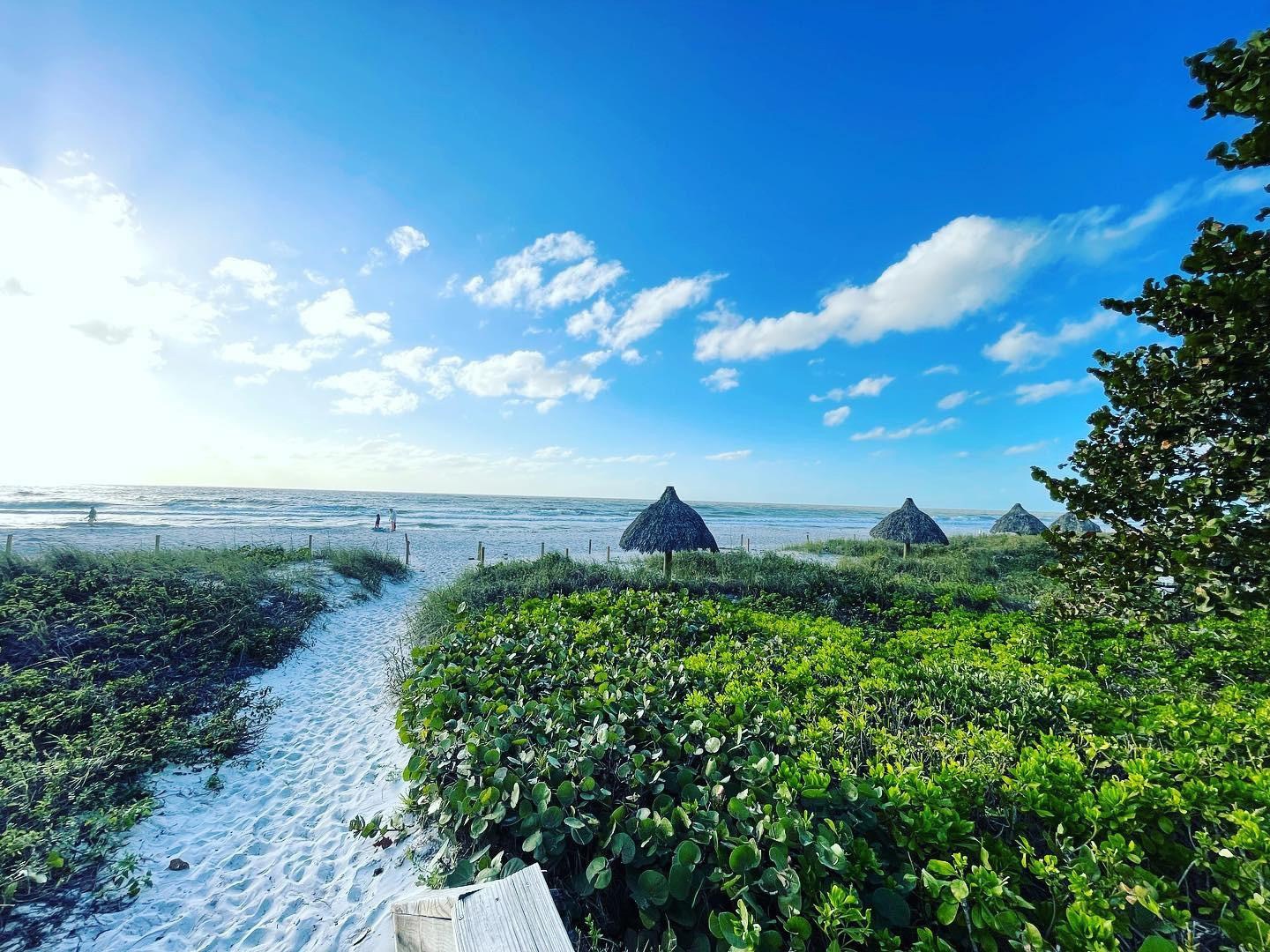
Lowdermilk Park is a developed Naples beach used by families, swimmers and visitors enjoying the Gulf. Its facilities make a shore visit convenient, but fishing needs a confirmed clear section. Plan around public use before choosing a surf bait or beach lure.
Explore the guide ↓Use the City of Naples park information
Lowdermilk Park is on Gulf Shore Boulevard North in Naples. The city lists beach access, an accessible mat, restrooms, showers and recreation facilities. These are useful for a beach visit but do not establish fishing permission across every part of the shore.
The current city page lists park hours of 5 a.m. to 11 p.m. Vehicles must leave by the closing time. Older brochures may show different schedules, so use the present instructions and confirm if construction or a temporary notice affects access.
Parking requires a valid beach permit or pay-by-space payment under city procedures. Verify which spaces are available to your vehicle. Ask park staff or the city about allowed angling positions before setting a rod beside a busy swimming area.
Find nearby sand features without wading
Observe where waves break, where foam returns and where the water stays darker between sets. An inner trough can be within a short cast. That makes the bait easier to renew and keeps the line easier to monitor around other visitors.
Test one clean sand distance at a time. If a short cast produces bites, there is little reason to immediately add distance. A cast beyond the visible bar may land in water that is less useful or harder to control.
Remain on stable dry sand instead of entering a bar opening. A gap can concentrate outward flow even on an otherwise calm-looking beach. Fishing does not require following that current with your feet.
Try a small shrimp offering for surf feeders
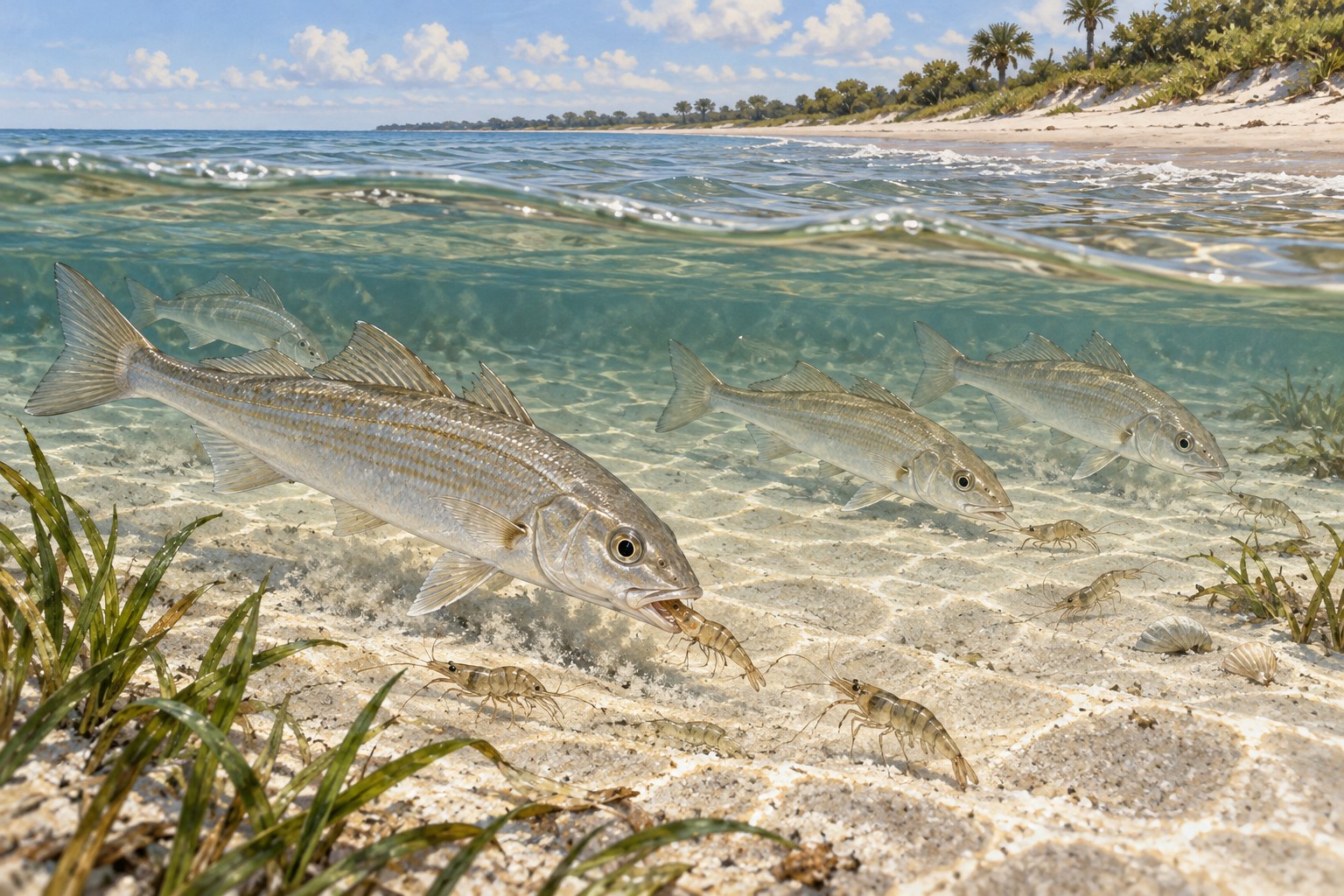
Whiting and pompano can use Gulf surf where clean sand and prey conditions suit them. A compact shrimp piece, purchased sand flea or strip bait is a practical first offering. Bring bait prepared so it stays separate from picnic food and shared facilities.
Use a hook that leaves its point available after baiting. A small float on a dropper may lift the offering above sand. Too much bait can obscure the hook and add an unnecessary tangle in gentle surf.
After a faint repeated tap, retrieve and inspect the rig. Small fish often remove bait without a powerful pull. Refresh the offering and compare the same distance before deciding the whole section lacks fish.
Use a lure only with a clear landing lane
A small paddle-tail can search for coastal predators when prey is visible and the beach allows angling. Snook, jacks and ladyfish are regional possibilities in suitable water. Choose the intended fish and keep the presentation within your equipment's limits.
Retrieve above the bottom with a light enough jig for the current. A steady pace is a useful first test. Add one short pause when fish follow, rather than violently jerking the lure across the occupied wash.
A spoon can cover surface prey activity, but exposed hooks require careful control. Stop the retrieve before the lure reaches people and secure it while moving. If beach use grows too dense, a lure search is no longer appropriate.
Keep gear compact beside city facilities
A medium spinning outfit covers modest bait and lure presentations in manageable water. Match sinker size to the rod rating rather than using heavier lead simply to force a long cast. Strong surf may require postponing the session.
Bring a measuring board, pliers, spare leader and a closed waste pouch. Use a secure bait container and keep tackle away from bare feet. Accessibility mats and walkways must remain available for the visitors who depend on them.
Choose a simple first rig from the table when the fishing section is permitted and clear. These are general starting methods, not promises about the day's catch.
| Permitted clear water | Useful start | Public-space check |
|---|---|---|
| Inner sand trough | Small shrimp rig | No swimmers crossing the line |
| Visible prey along beach | Light paddle-tail | Clear landing and backcast |
| Fast surface feeding | Compact spoon | Hooks stop before occupied wash |
| Growing side drift | Reposition or reel in | No claim to neighboring beach space |
Notice when the line leaves its safe lane
Sideways current and crosswind can move a surf rig along the beach. Watch the line angle after the cast. A rod tip bending in steady wind may not be a fish bite, and an unattended drifting rig can reach other people.
Tide changes may move the inner trough or reduce dry space for gear. Shift the bag and fishing position before the wash reaches them. Keep a clear route back to the park facilities rather than walking through landscaped private space.
If a safe lane cannot be maintained, reel in instead of adding another rod or heavier tackle. The actual water and visitor movement decide the session. A favorable tide on a forecast does not override those conditions.
Use weather and crowd levels to limit the outing
Cool-season fronts can bring useful regional surf activity but also rougher Gulf waves. Warm-season prey may support a snook search, with heat and summer storms limiting comfort. Choose the day's target after observing actual bait and water conditions.
A short planned session can fit a family beach visit better than a full day of unattended rods. Set a clear stop time and keep your kit easy to pack. Fishing should not interfere with the public use that makes Lowdermilk popular.
Take drinking water and sun coverage even when facilities are nearby. End the session early for thunder and return to an appropriate enclosed shelter. An open beach pavilion should not be the entire lightning plan.
Finish with lawful fish and a clear shore
Confirm the Florida saltwater license requirement for your circumstances. Identify each retained fish and check current size, bag and season rules. Do not use an old local catch photograph as today's regulation reference.
Give turtle nests and shorebirds room and avoid trampling dune plants. Support released fish with wet hands and keep them off dry sand when possible. A quick photograph should not become prolonged handling on a hot city beach.
Collect every hook, clipped leader and bait wrapper before returning to the car. Do not wash bait residue into shared showers or leave it near picnic tables. A clean fishing visit leaves the city facilities ready for everyone else.
Common questions
Does Lowdermilk Park list an allowed fishing position?
The city page describes a developed beach park. Confirm the current fishing boundary with staff or signs before casting.
What parking information should I use?
Use the current City of Naples permit or pay-by-space instructions for the exact space.
Is a long cast always better on this beach?
No. Nearby sandy troughs may hold feeding fish and allow better line control.
When should I stop fishing at a shared beach?
Stop when swimmers enter the lane, drift cannot be controlled or weather makes the session unsafe.
Prepare for your visit
Check local tides and weather. Read more about snook, florida pompano, whiting. Check current FWC saltwater fishing rules.