
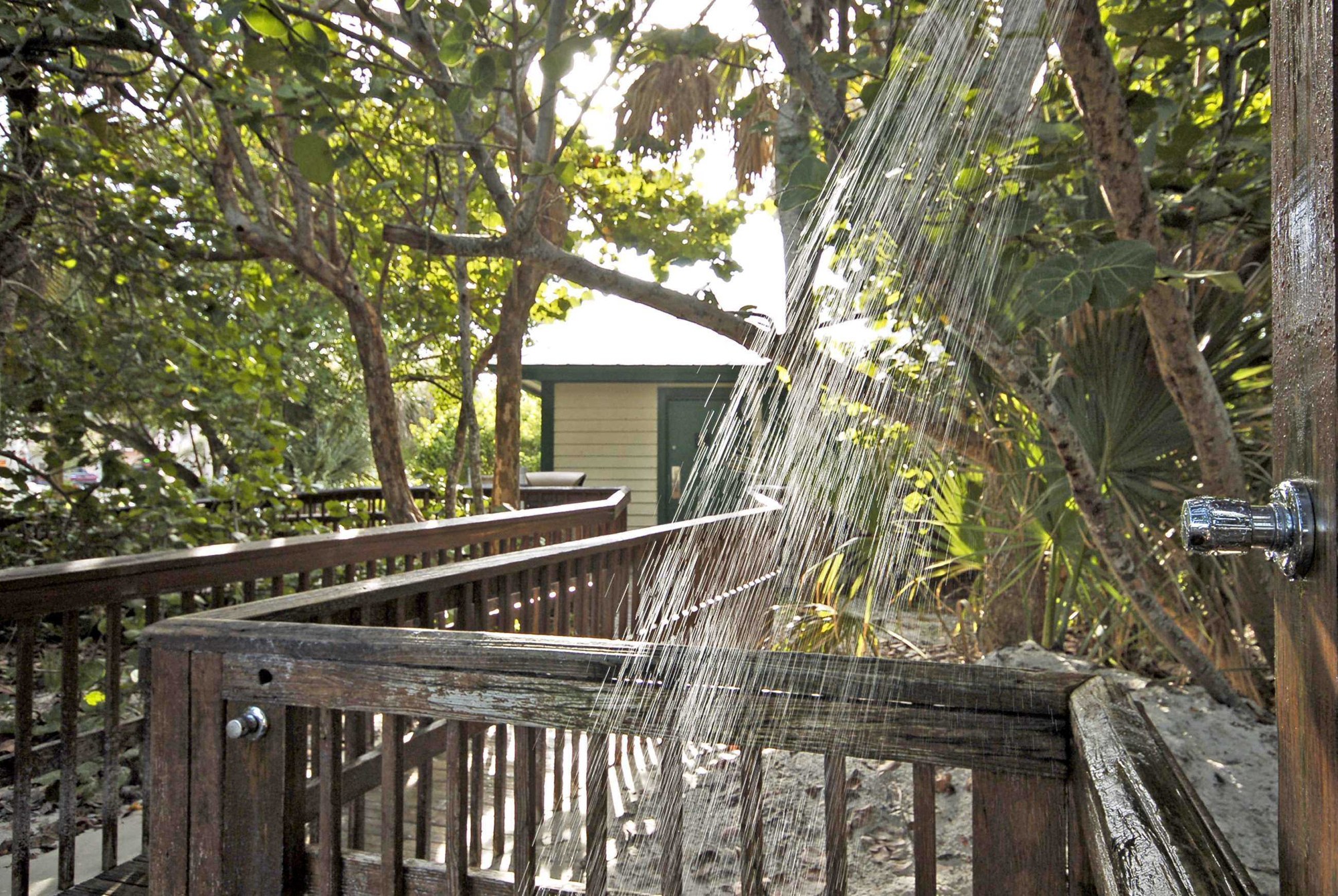
SOUTHWEST
North Gulfshore Beach Access
fishing guide
North Gulfshore Beach Access uses short public walkways near Seagate in Naples. It is distinct from the long Clam Pass boardwalk. With parking listed as the main amenity, bring a compact kit and confirm an open beach section before planning a fishing session.
Explore the guide ↓Use the right North Naples walkway
Collier County describes access at the ends of Seagate Drive and North Gulfshore Boulevard, between beachfront condominiums. A county lot sits at the Seagate end. This is a separate entry from Clam Pass Park and its long boardwalk and tram.
The county lists 38 parking spaces, a normal dawn-to-dusk schedule and $10 parking without a qualifying resident permit. Parking is the stated main amenity. Do not assume the access supplies restrooms, bait, food or a place to refill water.
Follow the public walkway and current beach signs. Neighboring condominium grounds and private beach facilities do not create additional public routes. Ask Collier County Parks if an allowed fishing section is not obvious when you reach the shore.
Keep the small entry useful for everyone
A narrow walkway can serve many visitors even when the beach appears spacious. Rig away from the path and keep hooks covered while passing others. Leave an obvious route for people carrying chairs, carts or accessibility equipment.
Before casting, check the water for swimmers and the dry sand for pedestrians behind the rod. A surf outfit needs more backcast room than a modest spinning lure. Select the position according to safe space, not only the nearest visible trough.
Use one attended rod when space is limited. If a line drifts into someone else's swimming route, reel it in. A public entry provides access to enjoy the beach, not a private corridor reserved by tackle.
Read the surf from a dry position
Look for a darker band inside the breaking bar and compare several wave sets. That inner water may offer a feeding path close to shore. A patch of returning foam can show where water is moving along the beach.
Test reachable sand first with a compact bait. If the rig lands in suitable depth and produces taps, repeat the distance. Changing the bait and distance simultaneously makes it harder to learn which part of the presentation mattered.
A sandbar opening can carry strong flow back offshore. Use it as something to observe rather than a place to enter. This guide keeps the shore outing on stable dry sand with a clear route to the walkway.
Keep baits small for whiting and pompano
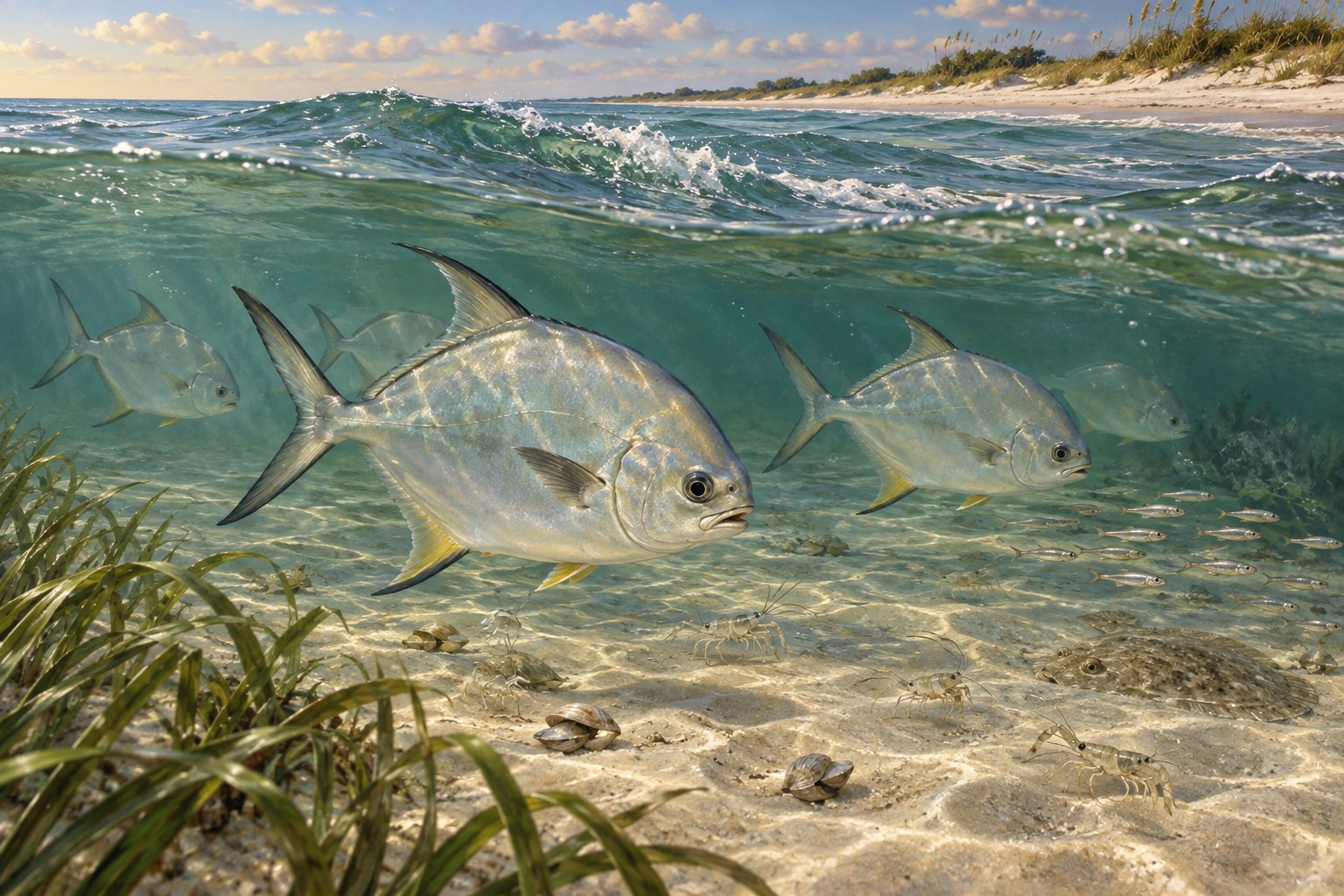
Whiting and pompano are reasonable regional targets in suitable Gulf surf. A small shrimp piece or prepared strip bait is easy to carry along a short access. Purchased sand fleas add a crustacean-shaped option without gathering animals at the beach.
Choose a hook that holds the bait securely with the point exposed. A bait ball that hides the point can turn small taps into empty retrieves. Inspect the offering and replace a soft or stripped piece before another cast.
A simple dropper rig can compare bait types without multiple rods. Keep the entire rig short enough to carry and cast safely around other visitors. More hooks do not improve the outing if they make handling awkward.
Use prey movement to choose a lure
Snook and mobile coastal predators may use the nearshore edge when conditions and bait suit them. A small paddle-tail is a useful search tool in an allowed clear lane. Retrieve above the bottom instead of dragging the jig through shells and sand.
If a fish is visible, watch its direction before casting. Put the offering ahead so it can be approached naturally. Avoid repeatedly sending a lure across the fish's back or creating splash in a crowded wash.
Jacks and ladyfish can follow a compact spoon when baitfish gather. Use pliers and control exposed hooks during release. Do not pursue fish that move into occupied or private restricted water.
Carry what the access does not provide
Take drinking water, sun protection, a ruler and pliers with the tackle. The listed parking amenity does not guarantee other services. Keep the load easy to carry if the beach position is farther from the walkway than expected.
A medium spinning outfit can cover modest lures and bait rigs in gentle water. Match any sinker to the rod's rating. If the surf cannot be controlled with a safe outfit, choose a more suitable day rather than forcing the cast.
Use the table as a first comparison when the beach section permits angling. The current signs and visitors still set the boundaries.
| Safe beach feature | Presentation | Practical limit |
|---|---|---|
| Inner trough | Small shrimp bottom bait | Clear swimming lane |
| Open cruising-fish edge | Light paddle-tail | Recover without crossing visitors |
| Surface prey | Compact spoon | Controlled hooks at landing |
| Small public walkway | Secured hook and compact load | Keep the passage unobstructed |
Notice tide and wind before the first long wait
A rising tide can bring usable depth into the inner trough while reducing the dry area available for bags. Move equipment before the wash reaches it. A falling tide can expose a bar without making it safe to cross on foot.
Crosswind can bow the line and disguise a gentle bite. Watch the rod and line together, then inspect whether the bait is still in its intended lane. Reduce slack without dragging the rig steadily through neighboring water.
If the sinker repeatedly rolls sideways, change position or stop before the line reaches people. A heavier sinker is only appropriate within the outfit's limit and where it still leaves a safe lane. Tide forecasts are planning aids, not permission to occupy unsafe water.
Fit the trip to season and the small lot
Cooler months may suit regional pompano fishing, but windy fronts can make the same beach rough. Warmer weather can encourage a beach snook search around prey. Let clear access and current water conditions decide the actual session.
The small lot can fill before you finish comparing options. Use legal parking and do not turn condominium drives or street margins into overflow spaces. Confirm closing time before planning an evening visit.
Summer heat and lightning require enough time for a safe walk back. Keep a short flexible plan and bring water even for a quick session. If swimmers occupy the useful water, enjoy the shoreline without fishing through them.
Keep the entry and neighboring land respected
Remain on public routes and obey protected nesting areas. Do not cross landscaping or use dune plants for rod supports. A short walk through private grounds is still private entry, even if the Gulf is visible beyond it.
Use current Florida saltwater license and species requirements. Measure identified catches with the proper method and release unfamiliar fish promptly. Keep released fish supported and out of dry sand as much as practical.
Pack up leader trimmings, bait wrappers and broken hooks before walking out. A sealed small waste container works better than an open bag in a crosswind. Leave the compact entry clean and unobstructed for the next visitor.
Common questions
Is North Gulfshore Beach Access the Clam Pass boardwalk?
No. It uses separate short walkways at Seagate and North Gulfshore Boulevard.
Does the access provide a full-service beach park?
The county lists parking as the main amenity. Bring water and do not assume bait or restroom service.
Can I use neighboring condominium paths?
Only with permission. Follow the public route and respect private grounds.
What is a manageable first fishing setup?
One attended modest spinning outfit with compact bait, pliers, a ruler and spare leader in an allowed clear section.
Prepare for your visit
Check local tides and weather. Read more about snook, florida pompano, whiting. Check current FWC saltwater fishing rules.