
PANHANDLE
Mashes Sands
fishing guide
Watch how water moves through this shallow bay mouth. Find a reachable drain, choose a small bait and keep a dependable return route.
Explore the guide ↓WHERE OCHLOCKONEE BAY OPENS INTO THE COAST
Watch the water leave the flats
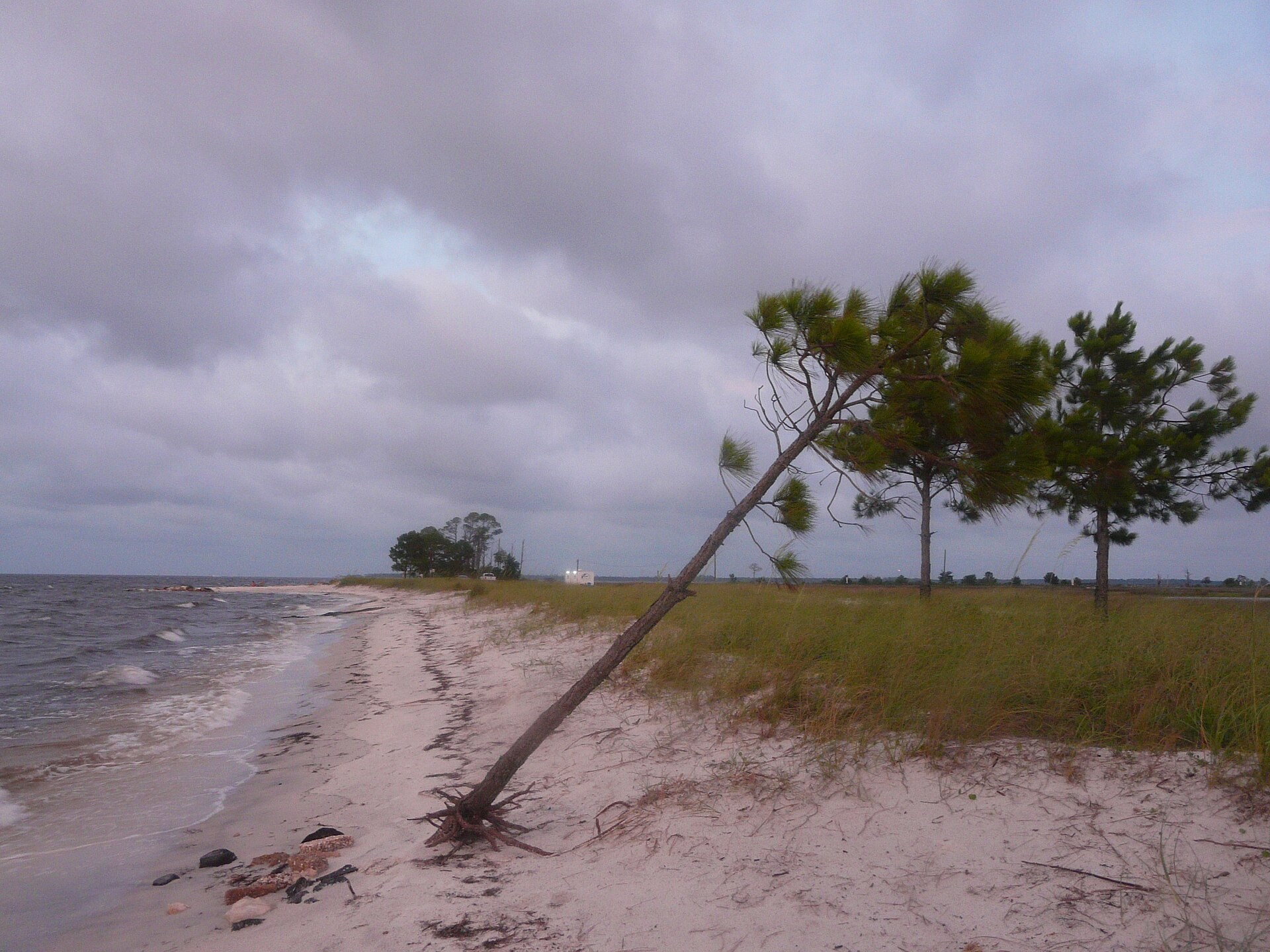
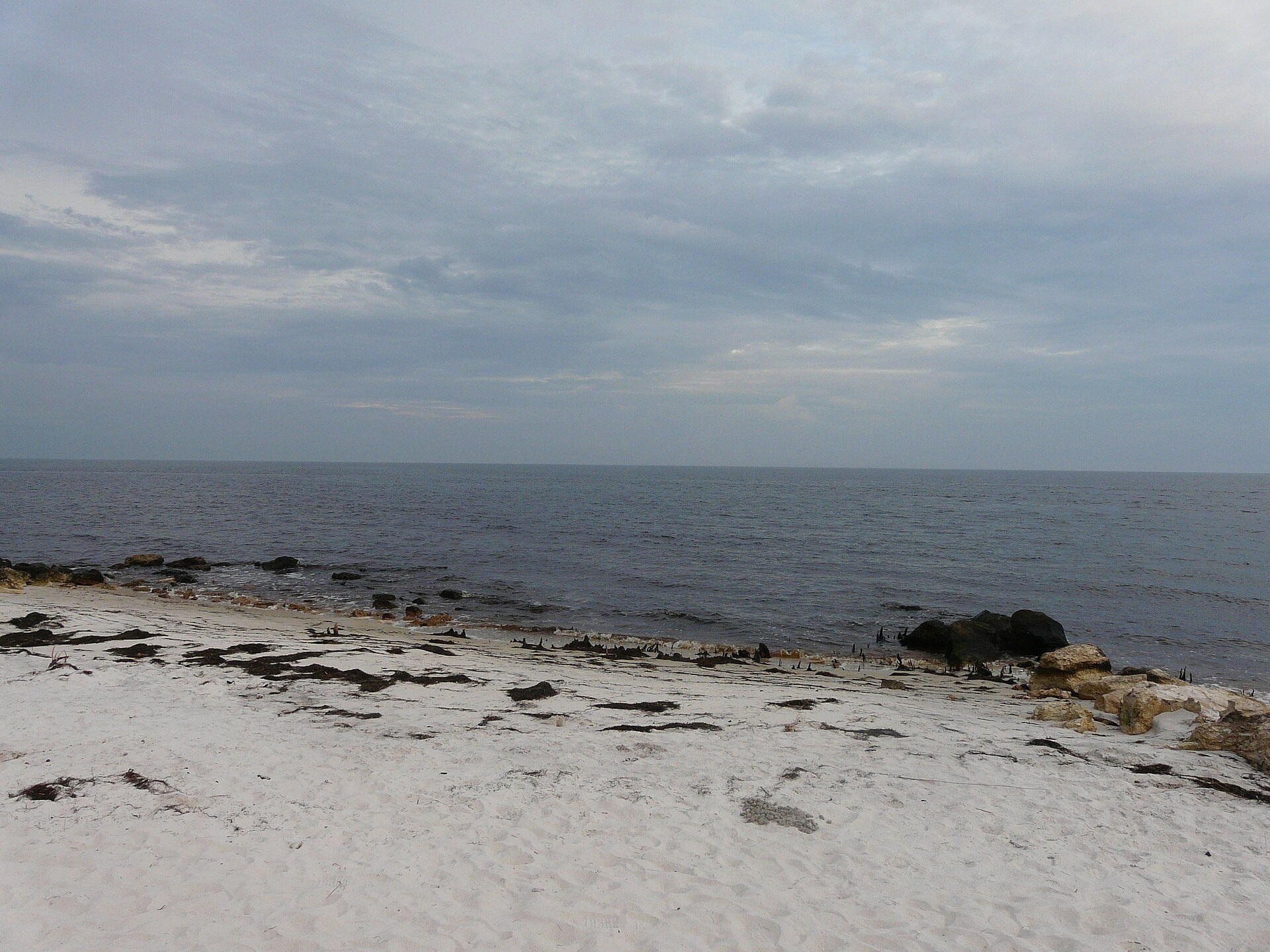
Mashes Sands is a shallow coastal setting at the mouth of Ochlockonee Bay. This is not a steep beach where deep water always sits just beyond the wash. Water level can change the amount of exposed sand dramatically.
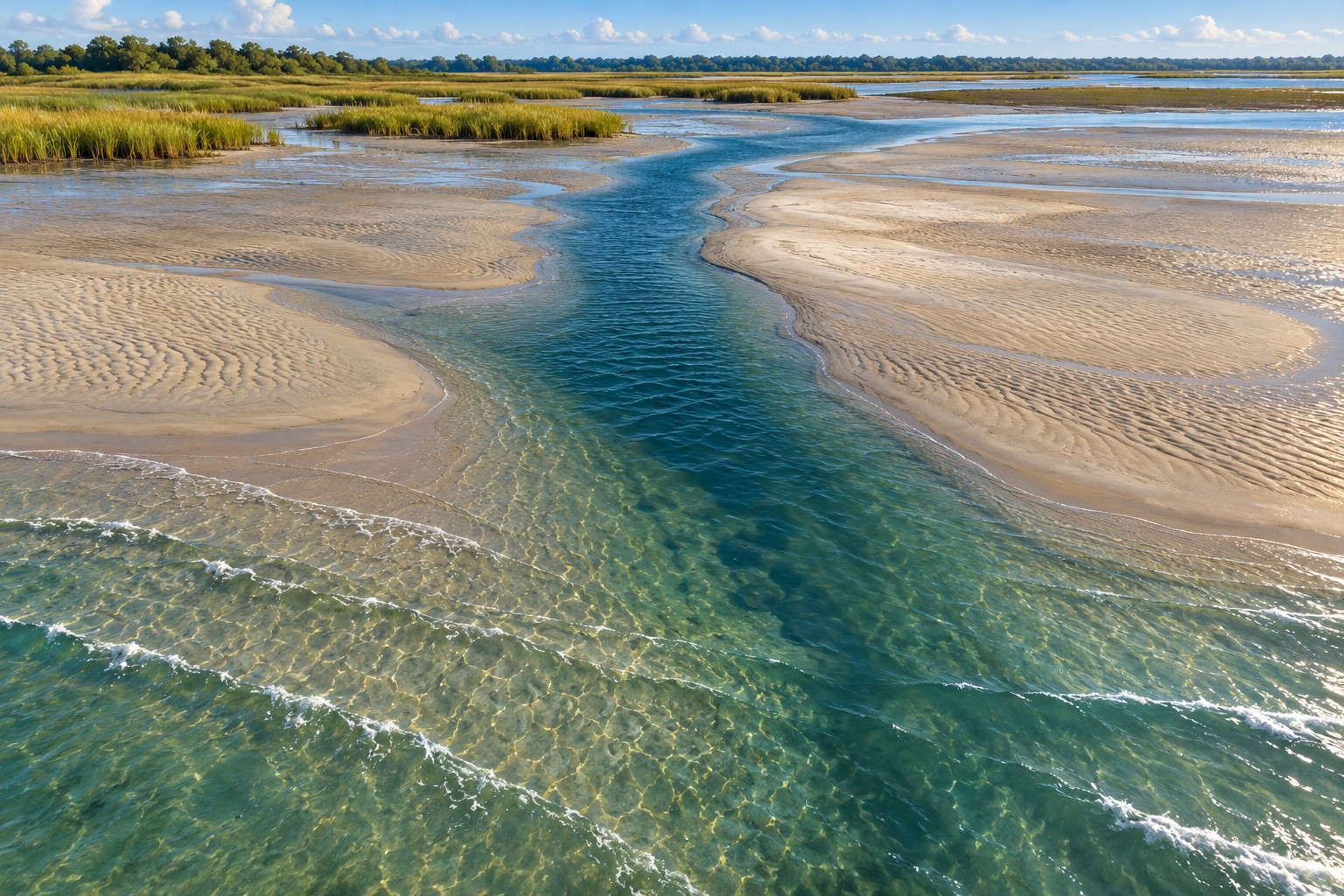
The most useful feature may be a narrow drain through a broad flat. Fish can travel along that slightly deeper route as water moves. From a legal shore position, look for a cast that reaches an edge without requiring you to walk far onto uncertain bottom.
Keep your first plan modest. A short session timed around usable water is more practical than arriving with a heavy surf outfit and expecting open-Gulf conditions.
Know what the beach does and does not provide
The county visitor listing places Mashes Sands Beach at 901 Mashes Sands Road. It describes limited amenities, including a mobile restroom and a beach-access mat. Plan for a simple visit and bring your own drinking water.
Older area guides mention a pier and nearby launching facilities. Their appearance in an old brochure is not proof that every structure is currently usable. Check the signs and current county information before making a pier or boat launch the essential part of the outing.
The photographs show Mashes Sands in 2020 and 2022. They illustrate the shore, not the present condition of its pier or other facilities. Repairs and water levels can change the practical options.
Keep vehicle access clear and remain outside swimming activity. A place that works for a fishing rod at quiet hours may be unsuitable when families gather along the water.
Read the shallow water from solid ground
Stand back and compare the surface. A darker ribbon through pale sand may mark a drain. Small ripples moving in a different direction can reveal flow. Watch long enough to distinguish a passing gust from a consistent current.
Place a cast along the edge rather than across the whole channel. A bait that moves toward the deeper ribbon can look natural. A heavy sinker dragged across several shallow ridges may spend most of its time buried or snagged.
Do not follow the retreating water farther and farther from shore. Soft mud, unexpected holes and incoming water can make the return difficult. Keep your feet on a dependable route.
Choose a target suited to the bay mouth
| Fish | Place to inspect | Method to begin with |
|---|---|---|
| Redfish | Drains, shell edges and moving-water margins | A small natural bait or slowly swimming lure |
| Spotted seatrout | Nearby grass and deeper pockets | A shrimp under a float or light soft plastic |
| Flounder | Sand beside a channel change | A low, patient retrieve |
| Black drum | Bottom-feeding edges with suitable access | A compact shrimp or crab bait |
| Whiting | Sand with enough moving water | A small shrimp piece close to the bottom |
Water clarity and available depth matter more than a long species list. Choose one target that fits the place you can actually reach. An occasional catch elsewhere in the bay does not make every species a likely beach catch.
Use enough weight to understand the bait
A light bottom rig is useful when you can feel it settle without having it sweep uncontrollably away. Start small and adjust to the flow. If the weight disappears into soft bottom, a float or a lighter presentation may be more effective.
With a shrimp beneath a float, set the depth conservatively. You want the bait above grass or mud, not dragging through it. Watch for a float that stops repeatedly at the same point, which can indicate contact with the bottom.
For lures, a small paddletail is easy to fish at different speeds. Begin with a steady swim through the deeper edge. Add pauses only if you can keep the lure out of the mud. Clean the hook after every cast that returns with debris.
Keep spare bait shaded and cool. Soft, overheated bait falls apart quickly and can turn repeated tiny taps into empty hooks.
Usable water comes before the ideal fishing hour
At Mashes Sands, a favorite dawn start is not useful if the water is far beyond safe reach. Choose a period with adequate depth at your intended position. Then consider lower light, comfortable temperature and manageable wind.
Outgoing water can concentrate food through drains, but it can also remove your boat’s route home. Incoming water can open access to edges that were previously exposed. Neither is automatically best for every method.
Compare the tides and coastal forecast with actual water at arrival. Strong wind can push the bay’s level away from the predicted pattern. Change the trip when the two do not match.
Keep paddling separate from wishful thinking
The broader Apalachee Bay coast includes routes that suit experienced paddlers. A route shown in a regional brochure may involve much more open water than a beginner expects. Do not turn a fishing stop into an unplanned long circuit.
For a first paddle, select a short allowed launch route with a known return. Wear your life jacket. Carry a way to call for help and keep the weather visible. A strong offshore breeze can make the outward trip feel deceptively easy.
Do not anchor in a narrow boat route or where current can turn the kayak sideways. If the wind makes accurate casting impossible, return while paddling is still manageable.
Seasonal adjustments
During spring, investigate warming shallows that still have a nearby escape into deeper water. Let fish activity determine retrieve speed. Quiet water after a cold night may need patience.
In summer, limit exposure to sun and have a firm storm exit plan. A simple beach visit can still involve a hot walk carrying gear. Keep the load small enough to leave quickly.
Fall can be useful for observing bait moving through the bay mouth. Fish the edges of that movement rather than casting blindly at every surface splash.
Winter often makes wind and low water the deciding factors. Pick a protected, accessible position or postpone the trip. There is no benefit in reaching a distant channel if the return is uncertain.
Finish with a clean shoreline
Bring a small container for worn leaders and hooks. Light line can disappear into marsh vegetation where birds later encounter it. Keep bait away from shorebirds and do not leave fish scraps at the access.
Support released fish and avoid laying them on hot or muddy ground. Confirm current license and harvest requirements with the Florida Fish and Wildlife Conservation Commission. If identification is uncertain, release the fish carefully.
Separate reachable fish from visible fish
You may see mullet or other activity beyond a broad shallow stretch. That does not mean you should walk toward it. The bottom may be soft, the deeper lane may be farther than it appears, and the water can change while you are away from firm ground.
Choose a target that fits the position you can safely hold. A small bait beside a reachable drain is a valid plan. Repeatedly casting toward distant splashes while ignoring nearer moving water can waste the whole session.
If the water is too low at your chosen access, use the time to observe from land. Note where drains and bars become visible. Return during a suitable water level rather than turning a fishing trip into a difficult crossing of mud and shell.
Do not mistake a habitat drawing for permission to wade along a channel. Its purpose is to explain how water and fish may use a feature, not to show safe footing or exact local depth.
A compact kit for an uncertain bottom
Carry a float rig and a light bottom option so you can respond to what is under the bait. If a sinker buries or drags mud, suspend the bait. If the float leaves it too high in a deeper lane, adjust the setting gradually.
Choose a small hook and a firm bait piece for a modest target. Large soft baits can attract repeated pecks without a useful hookup. Keep the point clear and check the bait after unexplained taps.
A few spare leaders are useful because shell can abrade line. Keep them individually stored rather than tangled around loose hooks. Bring pliers and a small net suited to your landing position.
For lures, use a straightforward retrieve until you understand the depth. A slow swim can remain above mud better than repeated bottom hops. If the lure returns dirty or fouled, solve that problem before testing another color.
Make the short session count
Spend the first ten minutes looking at water movement and access. Then fish one edge carefully. Change distance or depth only after inspecting the bait. This sequence gives you a reason for each adjustment.
End before your return becomes awkward or the weather threatens. Limited facilities mean you should carry water and have a comfortable place to take a break. A short, well-timed visit can teach more than hours spent trying to force a low-water location to work.
Before leaving, look around the access for anything dropped while tying knots. Clear line can blend into pale sand and remain a hazard after the angler has gone.
Mashes Sands questions
Is this a good place for long surf casts?
The coast is shallow and strongly affected by water level. A reachable drain with adequate depth is more useful than distance alone.
Can I rely on the pier shown in older guides?
Check its current condition first. This guide does not treat an older photograph or facility list as confirmation that it is open.
Why did the beach become so much wider?
Falling water can expose broad flats. Wind may increase that effect. Stay near a safe return route instead of following the water outward.
What is a reasonable first fishing plan?
Choose a short shore session with enough water, a small bait supply and one manageable rod. Learn the movement before planning a longer trip.