

SOUTHWEST
Englewood Beach
fishing guide
Build a manageable beach trip, compare nearshore bait lanes and keep closed pier facilities out of the plan.
Explore the guide ↓Start with the surf, then consider Lemon Bay
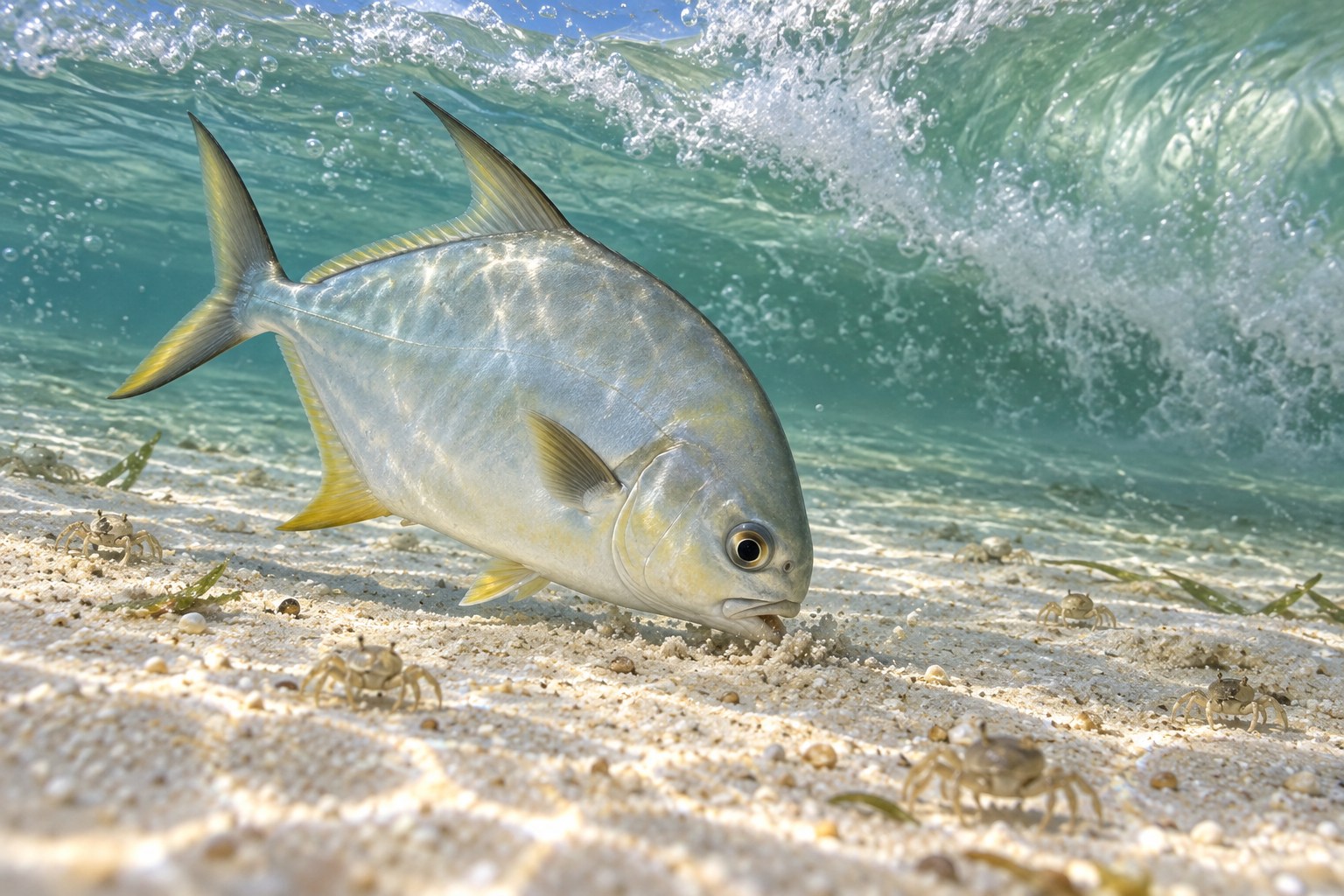
Englewood Beach is a useful place to learn how much fishable water lies close to shore. A narrow trough can carry shrimp, small crabs and baitfish along the beach. Whiting and pompano may feed there while anglers cast far beyond them. In warmer conditions, snook can use the same shallow corridor for a different reason: they are hunting the small fish.
The bay behind Manasota Key offers another style of fishing. Lemon Bay has mangroves, grass and channels where a quiet boat or kayak can reach trout, redfish and snook habitat. It is an alternative trip, not a reason to carry surf gear through a busy ramp and cast between launching boats.
Access deserves special attention. Charlotte County lists the Englewood Beach at Chadwick Park fishing pier among facilities closed for restoration. Do not build a trip around that pier. Beach access, park amenities and nearby launch sites each need their own current check.
Build your day around an available entrance
The Gulf beach
Use an open public beach entrance and read the signs before choosing a fishing position. Leave swimming areas clear, including the water into which your line will drift. A morning walk with one rod is often more practical than establishing a wide spread of bait rods on a popular family beach.
Ainger Creek and Lemon Bay launches
Ainger Creek Park and Lemon Bay Sunrise Rotary Park appear in the county’s boating access inventory. Check the particular site’s current condition, parking arrangements and launch suitability before transporting a boat. A small paddlecraft route and a powered-boat route should be planned separately.
Nearby Stump Pass
The pass area south of Englewood offers moving-water habitat, but current and vessel traffic make it more demanding than the open beach. Visit through lawful access and observe the state park’s notices. Do not walk around a barrier or attempt to cross an inlet because the water looks shallow along one edge.
How to find a feeding lane from dry sand
Watch the breakers long enough to separate a permanent feature from a single wave. A bar may show as a consistent line of white water. Behind it, a smoother dark strip can mark the trough. Try that strip at different distances along the beach instead of assuming its depth stays constant.
A little broken shell can indicate where moving water concentrates material. Fish may search the adjacent sand for food, but a hook buried in shell is not well presented. Use a compact bait and retrieve occasionally to check that it remains visible and intact.
If you see snook in the wash, stop walking at the water’s edge. Give the fish a chance to approach. Lead its travel direction with a small lure rather than making repeated casts straight at its head.
Bait choices for the beach and bay
| Fishing plan | Target | Starting choice | Adjustment |
|---|---|---|---|
| Short beach casts | Whiting | Fresh shrimp pieces | Downsize if the bait is nibbled without a hookup |
| Clean surf trough | Pompano | Sand fleas or shrimp on a small hook | Move between sand lanes before adding more rods |
| Warm shoreline walk | Snook | A slim paddletail | Cast along the fish’s path and reduce splash |
| Bay grass edge | Spotted seatrout | A light jig with a shrimp imitation | Keep the lure above grass rather than on it |
| Mangrove opening | Redfish | Live shrimp or a weedless soft lure | Let the current carry the bait past the opening |
Freshness matters with shrimp. Keep it cool and replace soft bait that falls apart during the cast. Live shrimp need an aerated container and relief from direct sun. Carrying a large bucket is not useful if the bait dies before you reach the water.
A year of changing opportunities
During the cooler season, give small surf species serious attention. Whiting and pompano can provide a satisfying trip without heavy tackle or a long walk. After a cold front, look for the first period of safe, improving conditions rather than rushing into the strongest wind.
Spring gives you more reason to carry a lure alongside the bait rig. Baitfish can gather along the shore and attract moving predators. Watch for a school traveling down the beach, then place the lure ahead of it from a clear casting position.
Summer makes early fishing especially attractive. The beach is less crowded, the walk is cooler and snook may be visible in the shallows. Afternoon storm planning belongs in the decision before you leave the car, not after thunder begins.
In fall, a change of wind can transform the water quickly. An incoming front may gather bait on one shore and make another too rough. Stay mobile within safe public access and use the fish and bait you observe to choose the next cast.
When to switch methods or go home
If waves keep carrying your sinker sideways, first check whether a modest increase in weight solves it. If the line still sweeps through other people’s space, the conditions are wrong for that position. More weight is not a substitute for a safe casting lane.
Heavy drifting grass can make bottom fishing unproductive. A lure worked above the weed may help briefly, but a continuous weed belt usually calls for a different stretch or another day. Avoid walking far from your entrance without checking whether the return route remains open.
For Lemon Bay, consider the wind across the full route. A calm creek mouth may open onto choppy water. Compare the local choices on HookCurrent’s tide and forecast page, including the expected wind when you will return.
Keep the beach outfit simple
A medium spinning rod can handle a range of small surf fish. Use a leader that suits the fish and the roughness of the bottom. Keep a few replacement leaders ready because shell, teeth and repeated casting can damage the section nearest the hook.
A small selection of sinkers lets you respond to changing wave action. Carry a spoon for surface activity and one or two soft plastics for snook. A ruler and long pliers are more useful than a large collection of nearly identical lures.
For children, choose a manageable rod and a small bait rather than an oversized surf setup. Let them hold the rod and feel the bite when conditions allow. Keep spare hooks closed away, and stop casting whenever someone walks into the space behind the rod.
A short Lemon Bay fishing circuit
From a confirmed launch, choose a nearby shoreline with a clear return route. Start outside the mangroves and make controlled casts toward openings. Fish the edge before drifting closer. A boat bumping into roots can empty the small pocket you meant to explore.
Move to a grass edge if mangrove fishing produces little activity. A shrimp under a float can keep the bait above vegetation, but set the depth to the actual water. A float rig dragging its hook through grass loses the advantage.
Keep a waypoint for the launch and note the water level. A falling tide can reveal mud and oysters across a shortcut. Return along a known channel instead of forcing the boat over a shallow route or trampling seagrass to pull it through.
Leave the fishing better than you found it
Retrieve discarded line when you can reach it safely. Pelicans and shorebirds can become tangled in loose tackle, especially around places where people clean fish or leave bait. Do not feed birds from the fishing position.
Handle small fish with wet hands and keep them away from hot sand. If a snook is to be released, prepare the camera and pliers before bringing it close. A quick photograph should not turn into a long period of handling.
Confirm the FWC license and saltwater harvest requirements for your trip. The Englewood facility and image notes include the sources behind the access cautions.
Make the beach rig easy to check
A fresh shrimp bait should remain compact enough that you can see the hook’s working point. If it twists around the leader during casting, reduce the loose material and smooth the cast. After the rig lands, take up slack gently rather than dragging the sinker a long distance. Watch whether waves repeatedly lift the line or whether it settles into a consistent rhythm. A bite that breaks that rhythm is easier to notice with a controlled setup. If you move along the beach, retrieve everything first and secure the hook for the walk. Do not carry an exposed swinging rig through families using the access path.
Englewood Beach fishing answers
Can I use the Chadwick Park fishing pier?
The county’s reviewed fishing inventory lists it as closed for restoration. Plan a permitted beach session or a separately checked launch trip instead.
Is Lemon Bay only for boat owners?
A suitable kayak can reach some areas from a legal launch, but the route must match the paddler’s ability and forecast. Private waterfront is not a substitute for public access.
What if I only have an hour?
Choose the beach, carry one rod and test a visible trough with small shrimp. Spend the time observing and fishing rather than moving between distant access points.
Can the same shrimp catch several species?
Yes. Hook size, depth and placement change which fish are most likely to take it. A shrimp on beach sand serves a different purpose from one suspended above bay grass.