
SOUTHWEST
Placida
fishing guide
Separate ramp access from the closed fishing pier, then explore how creeks, oyster edges and channels support different targets.
Explore the guide ↓Placida is a meeting place for shallow water and channels
Placida sits near the mainland end of the Boca Grande Causeway, where creeks, shallow bays and travel channels connect toward Gasparilla Sound and Charlotte Harbor. Fishing here is often about edges. A mangrove point, an oyster bar or a narrow drain can concentrate food in a much smaller area than the surrounding water suggests.
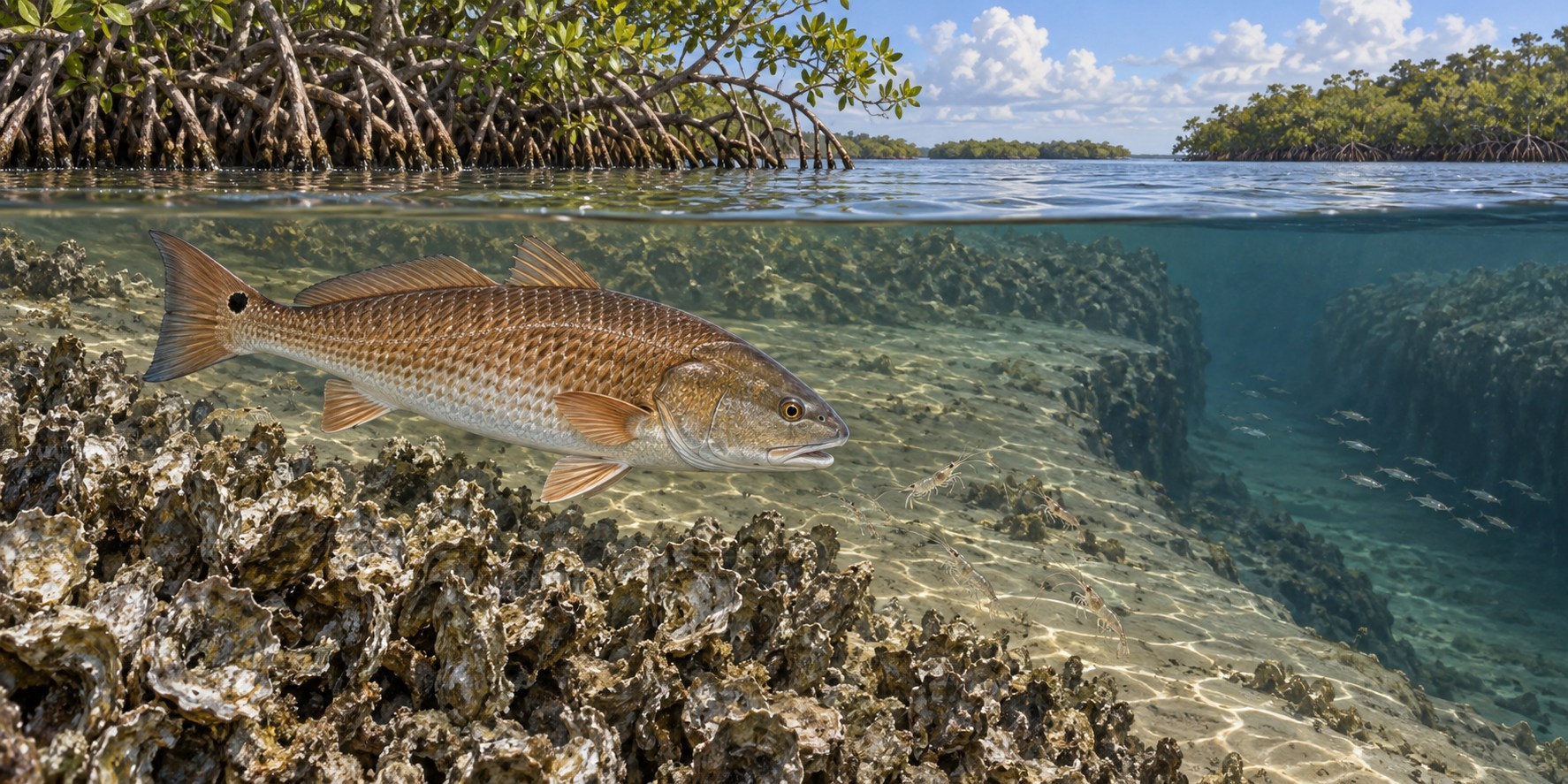
Redfish and snook are natural inshore targets. Spotted seatrout use suitable grass and nearby open pockets. Small snapper and sheepshead can work hard cover, while jacks and ladyfish may arrive with moving bait. The goal is to identify the habitat in reach of a lawful access point, not simply choose the deepest water on a chart.
The main limitation for a shore visitor is access. Placida Fishing Pier is closed for restoration. That closure should shape your plan before you bring a rod. The broader Placida area still offers boating possibilities, but a ramp, a causeway and a fishing pier are different facilities with different rules.
Separate the closed pier from the launch plan
Charlotte County identifies Placida Fishing Pier at 13120 Pier Road and lists it as closed. Do not step past construction fencing or assume an older photograph shows a usable fishing position. Restoration involves engineering and permits, so a projected date is not the same as a confirmed reopening.
Placida Park appears in the county’s boat and paddlecraft access listings. Check the park’s current project notices and the usable launch lanes before towing a boat there. Temporary work can affect parking or circulation even when water access is available.
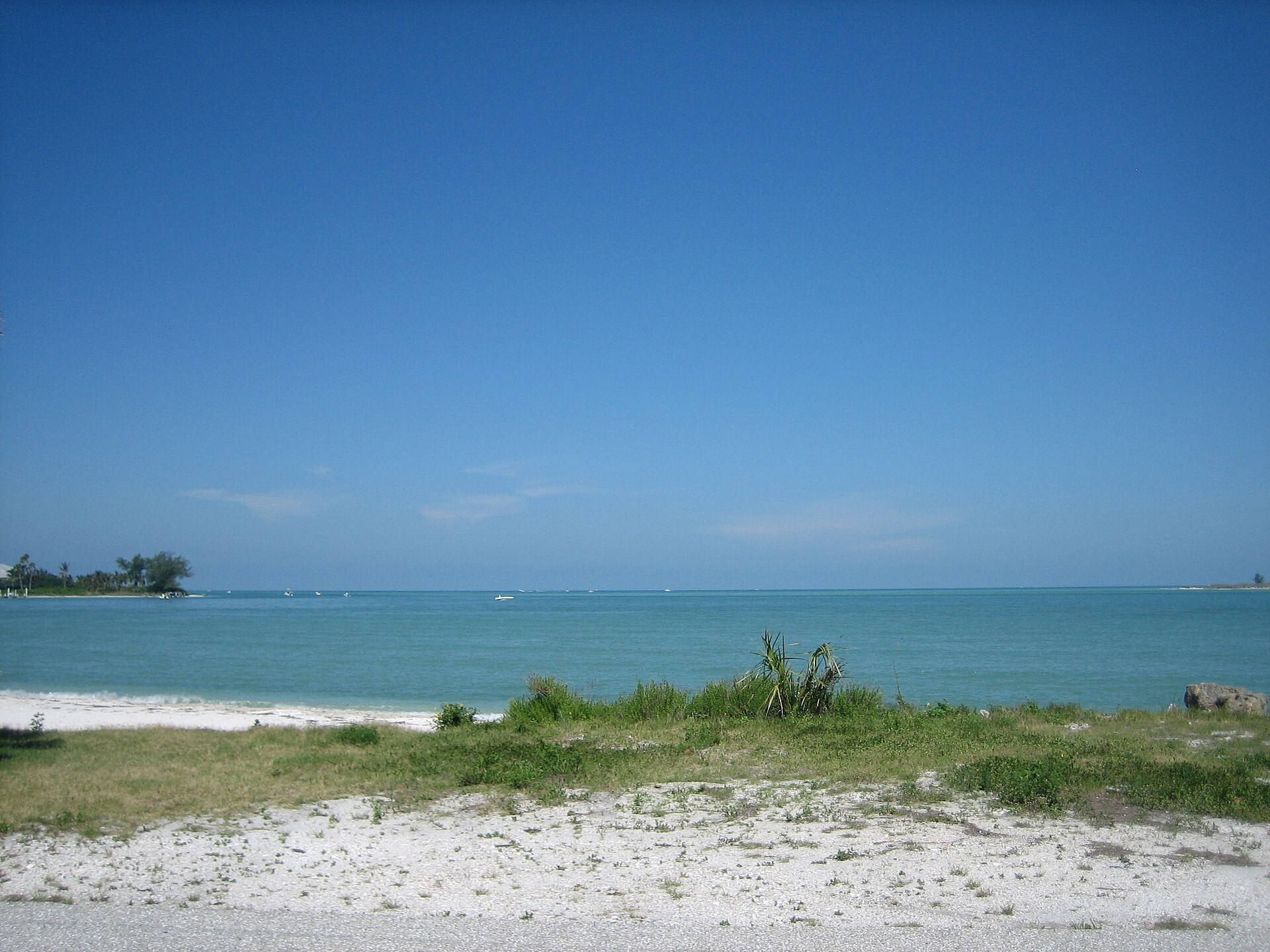
The causeway view in the photograph shows the surrounding coastal setting. It does not identify an unrestricted roadside fishing or parking area. Park only where allowed, keep off private docks and avoid casting across a navigation opening. If your plan depends on a specific bank position, verify that position rather than treating the whole shoreline as public.
Learn the outside of an oyster bar
Oysters form rough, shallow structure that can support crabs, shrimp and small fish. Redfish may patrol the softer bottom beside the shell. Snook can wait where that edge meets a deeper cut. The top of the bar is not always the place to put the bait.
Approach from adequate water depth and cast to the edge first. A falling tide can make the bar easy to see while leaving too little water to cross it. Never use a propeller to dig your way out. Plan the route back before the water drops further.
For a shrimp bait, use only enough weight to reach the feeding lane. For a lure, work along the bar rather than dragging directly over its crest. Check the leader after contact with shell, even if you retrieve the hook successfully.
Targets that fit Placida’s habitats
| Fish | Useful feature | Suggested bait or lure | Key detail |
|---|---|---|---|
| Redfish | Oyster edges and mangrove drains | Live shrimp or a small weedless soft bait | Land the cast softly and allow a natural drift |
| Snook | Points with nearby depth | A paddletail or live baitfish where lawful | Present across the current seam |
| Spotted seatrout | Grass bordering open sand | A shrimp imitation on a light jig | Stay just above the vegetation |
| Mangrove snapper | Shaded hard cover | A small lively shrimp | Keep enough control to prevent an immediate run into cover |
| Sheepshead | Shell-covered structure | A compact crustacean bait | Minimize slack so a short bite is easier to detect |
Jacks can interrupt almost any of these plans. Give a strong fish space without allowing it to tow a small craft into a channel. Choose tackle that can land the intended fish promptly rather than stretching every fight to its limit.
Follow food through a drain
A small creek opening can become interesting when water starts to leave the mangroves. Watch for minnows moving out, shrimp flicking or a line of foam. Position outside the mouth and cast across the flow so the bait enters the lane naturally.
Do not anchor directly in the opening. That blocks the route, disturbs the feeding area and can place your boat in awkward current. Stay to one side with a clear way to leave. Give other boats and paddlers room to pass without crossing your lines.
On rising water, the same fish may move farther into flooded cover. Instead of forcing casts into inaccessible roots, work the outer corners and newly covered sand. The productive position changes with water depth, not just with the direction printed on a tide table.
Seasonal changes without a rigid calendar
Cool fronts can lower shallow-water temperatures and push fish toward deeper pockets. Around Placida, that makes a slow bait near a protected channel edge worth trying. Wait for a bite to develop rather than racing a lure over fish that are holding close to cover.
As spring warms the water, grass edges and mangrove shorelines become more active. Bait movement is a useful clue. A shoreline with scattered mullet and small fish usually deserves a more careful look than an equally attractive bank with no visible life.
Summer brings heat, boat traffic and lightning concerns. Early or late light can improve shallow-water opportunities, but night fishing adds navigation and access complications. Do not assume a daytime launch or parking arrangement extends through the night.
Fall often provides comfortable inshore sessions between weather systems. Keep watching water clarity after rain or wind. Fish can use a slightly stained edge, but thick sediment and no visible food may justify moving to another nearby feature.
Make a kayak route shorter than the map suggests
Shallow bays look compact on a screen, yet wind and current can turn a short crossing into hard work. Choose a route with shelter and an easy turnaround. Wear the life jacket before leaving the launch and secure the phone in a waterproof case that remains accessible.
Use the first part of the trip to learn the water rather than to reach the farthest island. A nearby mangrove corner may offer the same feeding pattern as a distant one. The ability to return comfortably matters more than covering every promising shoreline.
Check tides and wind for the Placida area with attention to the return time. A tide falling across oyster flats can remove shortcuts. Keep to water you know is deep enough and avoid dragging a kayak through living shell beds.
Tackle for shell, roots and open pockets
A medium spinning outfit is a useful base for smaller inshore fish, with stronger equipment available when snook and heavy cover are the main plan. Use a replaceable leader and inspect it often. Oyster scratches can weaken line without making it look badly damaged.
Carry a few light jig heads, weedless hooks and natural-colored soft plastics. A live shrimp rig can be kept simple. Extra swivels, oversized weights and long tangles of hardware can make a small bait look unnatural in shallow water.
Bring pliers, a measuring device and a small landing net suited to the fish. Keep the net clear of loose hooks before a fish reaches the boat. If you intend to release the catch, wet hands and a quick removal of the hook are better than letting it flop across a hot deck.
Small changes that solve common problems
If the lure returns covered in grass, lighten it or raise the rod angle. If the bait snags shell, shift the cast to the sand edge. If fish follow but refuse, reduce the bait size and make a quieter approach before changing every color in the box.
When the current becomes too fast to hold a presentation, fish the slower side of the feature. Predators often use a break in the flow. Do not anchor in a busy channel simply to keep the lure in one place.
A sudden lack of bites may reflect a changed water level rather than fish leaving the entire area. Look at the nearest deeper opening or the next flooded edge. Move deliberately, without running across the shallow habitat you hope to fish next.
Know the limits before leaving the ramp
Review FWC’s saltwater species and license rules for the fish you may encounter. Snook, redfish and trout have different management requirements. A mixed catch needs individual identification and measurement.
Leave mangroves intact and avoid disturbing birds resting on small islands. Take line scraps back to shore. The Placida access record and photograph notes explain the current pier closure and the sources used to distinguish it from the nearby launch options.
Placida fishing questions
Is this mainly a shore-fishing destination?
With the public fishing pier closed, a carefully planned boat or kayak outing offers more options. Do not substitute private docks or roadside shoulders for verified public shore access.
Where should a shrimp land near oysters?
Aim for the softer edge beside the bar and let the water move it naturally. Dropping straight onto exposed shell increases snags and can hide the bait.
Are clear shallow flats safe to motor across?
Visibility does not guarantee depth. Use the channel, watch water level and avoid running the propeller through grass or shell.
Does a closed pier mean the entire area is closed?
No. Each park, ramp and shoreline has its own access status. Check the exact facility that your trip requires.