
SOUTHWEST
Boca Grande
fishing guide
Choose between a modest beach visit and a properly equipped pass trip. Understand why tarpon fishing needs its own plan.
Explore the guide ↓Boca Grande offers more than a tarpon trip
Boca Grande is closely associated with tarpon, but a visitor with one spinning rod has other ways to fish. The Gulf beach offers shallow travel lanes for snook and sandy feeding areas for pompano and whiting. The pass holds powerful moving water. On the protected side of Gasparilla Island, shallow habitat and channels create another set of possibilities for properly equipped boaters.
Choose the kind of trip first. A quiet beach walk, a family bait-fishing session and a tarpon outing in the pass are not interchangeable. They demand different tackle, landing plans and experience. The name of the destination does not make every shoreline suitable for a large fish.
For a first shore visit, start with a legal beach entrance in manageable weather. Learn the nearshore water and keep the pass as something to observe, not a place to enter casually. Strong flow and boat traffic can turn a small mistake into a serious problem.
Public beach access and the closed fishing pier
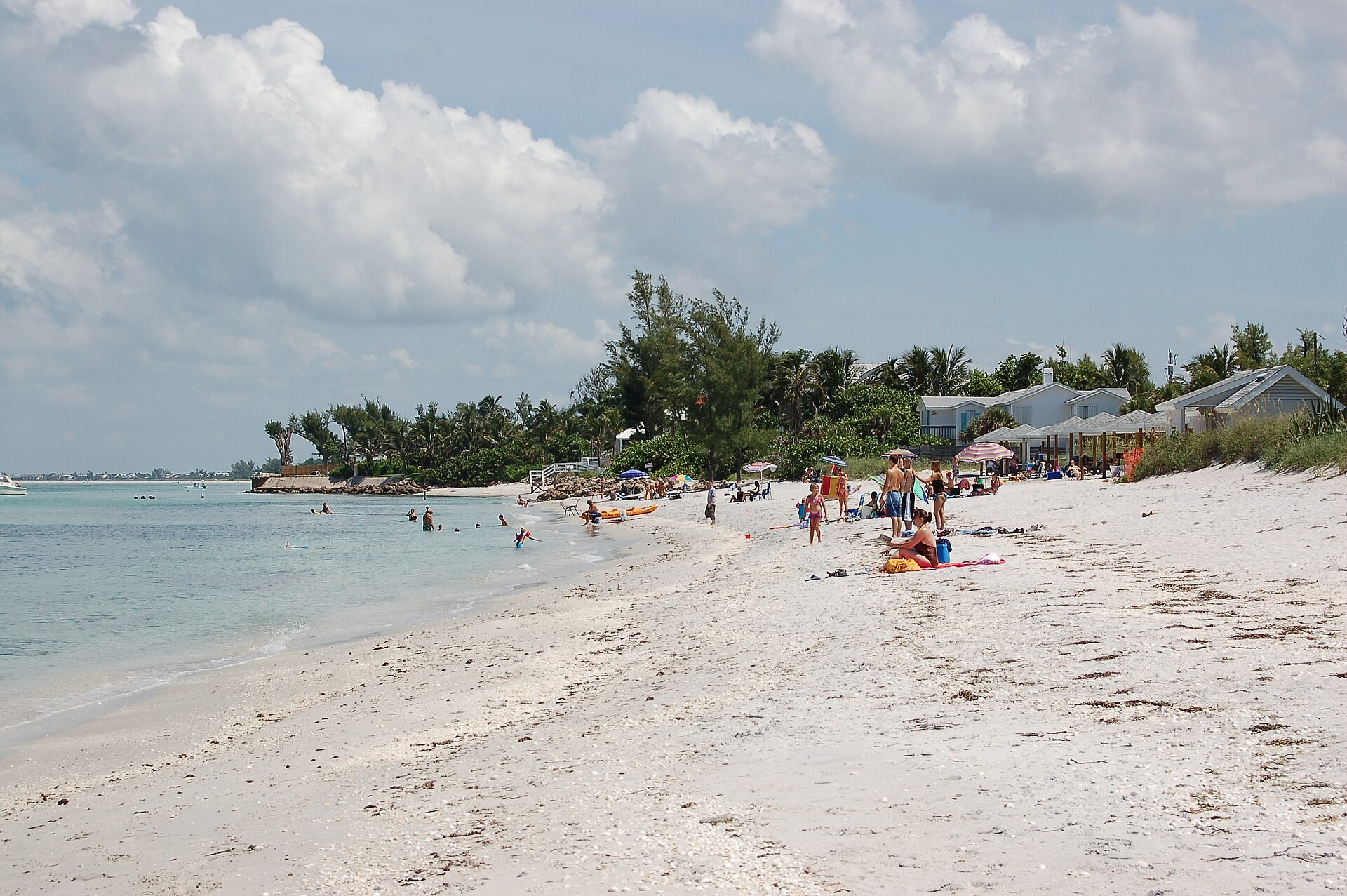
Gasparilla Island State Park provides several parking areas serving the Gulf shoreline and the southern end of the island. Fishing is among the park’s listed activities. Use the open entrance that fits your plan, follow local signs and leave swimming space clear. Park admission and the island’s bridge toll are separate travel costs.
Charlotte County’s Boca Grande Fishing Pier is a different facility. The county lists that pier as closed for restoration. Do not confuse a state park beach opening with permission to use the damaged pier.
At the island’s southern end, the beach meets the influence of Boca Grande Pass. Stay out of the channel and away from steep, unstable or wave-washed edges. A photograph of anglers near the pass cannot establish that the same position is safe under today’s tide and wind.
Understand the tarpon setting
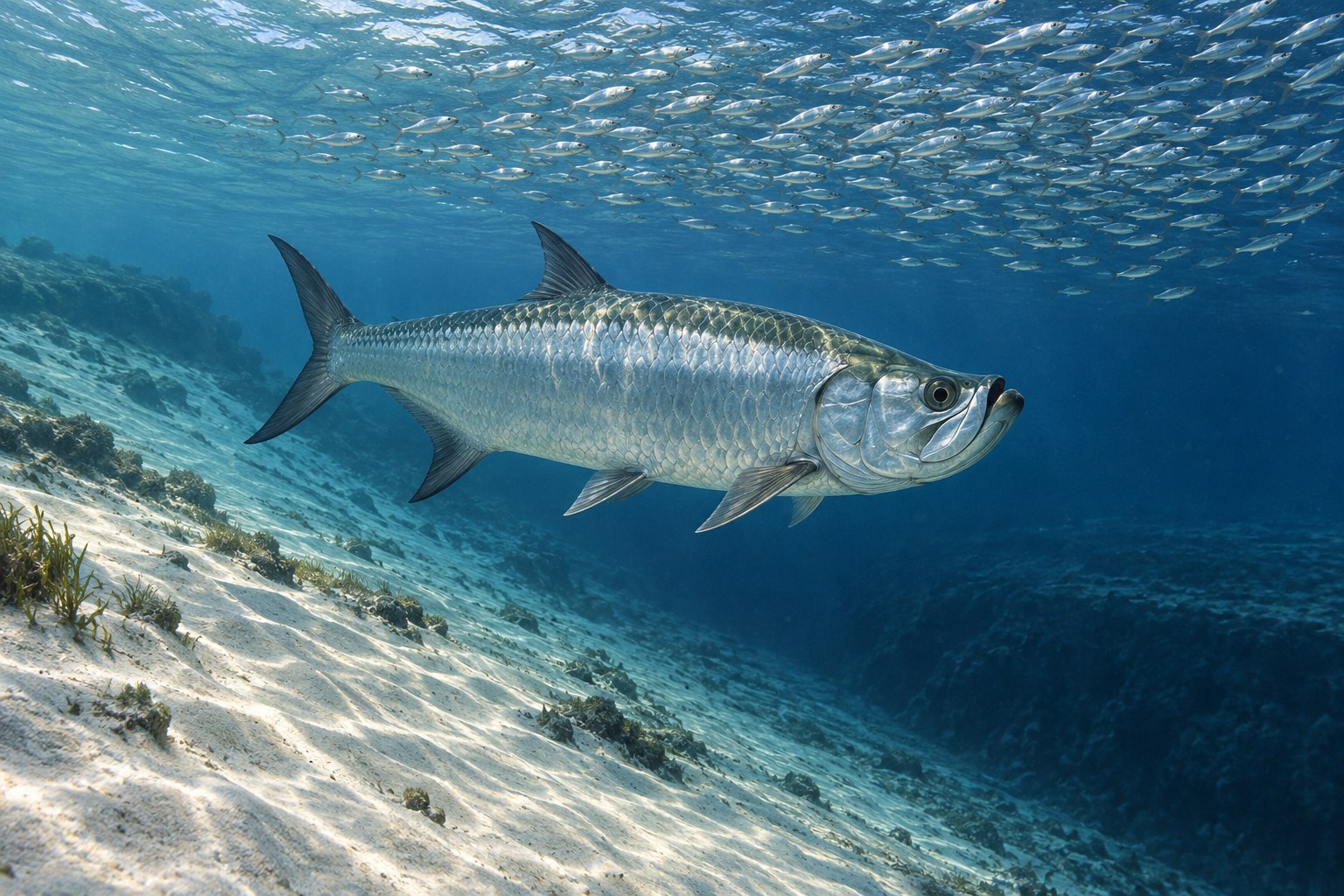
The deep pass connects the Gulf with Charlotte Harbor. Moving water carries food through a confined route, and seasonal tarpon gatherings have made it famous. Large fish, crowded boat movements and strong current make this specialized fishing. It is not a natural next step after catching small fish on a beach rod.
Tarpon tackle must be strong enough to shorten the fight and keep the fish away from hazards. An experienced operator should understand local drift patterns, pass-specific gear restrictions and how to release fish without unnecessary handling. If sharks repeatedly take hooked fish, continuing to feed them exhausted tarpon is not responsible fishing.
Do not assume rolling fish are feeding at that moment. Tarpon surface to breathe, and a visible school can still ignore a poorly placed bait. Good presentation and positioning matter more than casting repeatedly into the center of the group.
Targets for a lighter shore trip
| Target | Where to concentrate | What to try |
|---|---|---|
| Snook | Shallow Gulf shoreline, especially with visible bait | A small paddletail or slender swimming plug cast ahead of the fish |
| Whiting | Sand close to the wash | Fresh shrimp on a small bottom rig |
| Pompano | Clean troughs beyond a gentle breaker | Sand fleas, shrimp pieces or a small jig |
| Spanish mackerel | Open-water bait activity within casting range | A compact spoon retrieved fast enough to imitate fleeing bait |
| Ladyfish | Schools feeding along moving-water edges | A light jig worked through the edge of the activity |
Keep the target realistic for the place where you stand. If you cannot safely land and release a large fish, do not set a large bait merely to see what takes it. Small-fish tackle and careful observation can make a rewarding Boca Grande outing.
How to approach a beach snook
Walk above the wash and scan the water ahead. A snook’s shadow or dark lateral line may be easier to notice than the whole silver body. Once you find a fish, pause. Its direction of travel tells you where the lure should enter the water.
Cast far enough ahead that the lure settles before the fish reaches it. Retrieve across the path with a steady, believable movement. A lure splashing directly over the fish can end the chance before the retrieve begins.
Use a leader that can withstand a snook’s rough mouth without making the presentation unnecessarily bulky. Recheck it after each encounter. If several fish turn away from the same offering, try a smaller profile or a quieter angle before making the retrieve faster and more aggressive.
Seasonal expectations for the island
Late spring and early summer are strongly associated with tarpon movement around Boca Grande. Weather, water conditions and fish behavior still determine the actual opportunity. Peak reputation also brings more traffic, so a novice should not learn pass navigation in the middle of a crowded drift.
Warm months can bring snook into the beach shallows. Early light provides comfortable walking and often fewer people. Summer storms require a shorter plan with a nearby exit, not a long walk that leaves you exposed when lightning develops.
Cooler periods can favor small surf species and a more patient bait approach. After a front, the Gulf may stay rough after the air feels pleasant. Wait for the wave conditions to match your shore position.
Autumn can produce changing bait concentrations along the island. Watch birds and surface activity, but give wildlife space and keep casts clear of diving birds. Fishing seasons described here are patterns of opportunity, not permission to harvest a species.
The pass can disagree with the beach
A calm-looking Gulf shoreline does not prove that the pass is easy to navigate. Current interacting with wind and swell can produce steep, uncomfortable water. Decide separately whether a beach walk, inshore boat trip or pass outing is appropriate.
For shore fishing, compare the tide with the available dry sand and the return route. Avoid getting pinned against an eroded edge as the water rises. For a boat trip, use current charts and local navigation knowledge rather than a habitat illustration or a fishing waypoint alone.
Check the Boca Grande-area weather and tides before choosing the launch time. The strongest flow may not line up neatly with a distant station’s printed high or low tide.
Pack for the trip you actually chose
A light shore kit needs a suitable spinning outfit, leader material, small hooks, modest sinkers and a few lures. Add a measuring tool, pliers and drinking water. A beach angler gains more from moving comfortably than from bringing every possible rig.
A dedicated tarpon trip needs equipment and a release plan built around large fish. Do not reuse a whiting setup because it is already rigged. The longer a fish must fight against undersized tackle, the more difficult a healthy release can become.
Footwear should suit hot sand and the walking route. Keep spare hooks away from bare feet. When fishing with children, stay on the easier beach and choose a target that can be landed without scrambling down a steep bank.
Share a famous fishing destination well
Leave room between shore anglers and keep your line within your own fishing lane. From a boat, avoid running over visible fish or cutting through another vessel’s drift. A sudden chase after a rolling tarpon can ruin the opportunity for several groups and create a collision risk.
Keep tarpon handling to the minimum allowed and needed. Know the current in-water handling requirements before the trip. For smaller species, use wet hands, support the body and return unwanted fish quickly instead of leaving them on the beach while arranging a picture.
Consult FWC’s tarpon rules and Boca Grande guidance before targeting tarpon. Review the park access and photo notes for the facility distinctions in this guide.
Choose an outfit for the fish you intend to meet
Boca Grande’s reputation can encourage visitors to bring a general beach rod and hope for a tarpon. Keep those plans separate. A comfortable pompano or whiting session uses modest tackle and a simple landing area. A deliberate tarpon trip needs equipment, boat handling and release preparation suited to a large fish. If a powerful fish repeatedly breaks the light setup, stop targeting it rather than accepting broken line as part of the day. For a beach visit, pack a small measuring tool, pliers and a closed container for used hooks. Keep the bait supply shaded and discard damaged pieces responsibly. Fresh, compact bait in a controlled lane is a better starting point than a large bait placed where it cannot be managed.
Boca Grande questions before you go
Do I need to fish for tarpon to enjoy Boca Grande?
No. Beach fishing for smaller species can be simpler and more suitable for a short visit. Choose the fish and method that fit your equipment and access.
Can I wade toward the deep pass from the beach?
Do not use the pass edge as a wading shortcut. Current, drop-offs and boat wakes make that a poor place to seek extra casting distance.
Is the county fishing pier open?
The reviewed county notice lists it as closed for restoration. Gasparilla Island State Park’s beach access is a separate option with its own notices.
Why might rolling tarpon ignore a bait?
Surfacing does not necessarily mean feeding. Position, current, bait size and disturbance all affect whether the fish accepts a presentation.