
TAMPA BAY / SUNCOAST
Fort De Soto Park
fishing guide
Choose the park’s pier, beach or bay habitat with practical bait advice and clear reminders about current facility repairs.
Explore the guide ↓Choose a shoreline before choosing a fish
Fort De Soto combines Gulf beach, bay shallows, fishing piers and a major boat launch. That variety is its strength. A visitor can choose a simple shore session, a controlled pier presentation or a more involved small-boat trip without pretending they are all the same kind of fishing.
The park lies south of Tierra Verde. Its beaches and island edges face different directions, so wind can make one area pleasant and another difficult. Look at the whole day’s weather, not only the conditions at the entrance.
A first visit works best with one main method and one backup. Carrying surf rods, pier tackle and kayak equipment at once can turn a fishing day into a long equipment move.
What to check before driving in
The county lists normal park hours as 7 a.m. to sunset. Its facility information includes Gulf and Bay fishing piers and states that a fishing license is required throughout the park, including the piers. Confirm your own license or exemption rather than assuming a pier admission covers it.
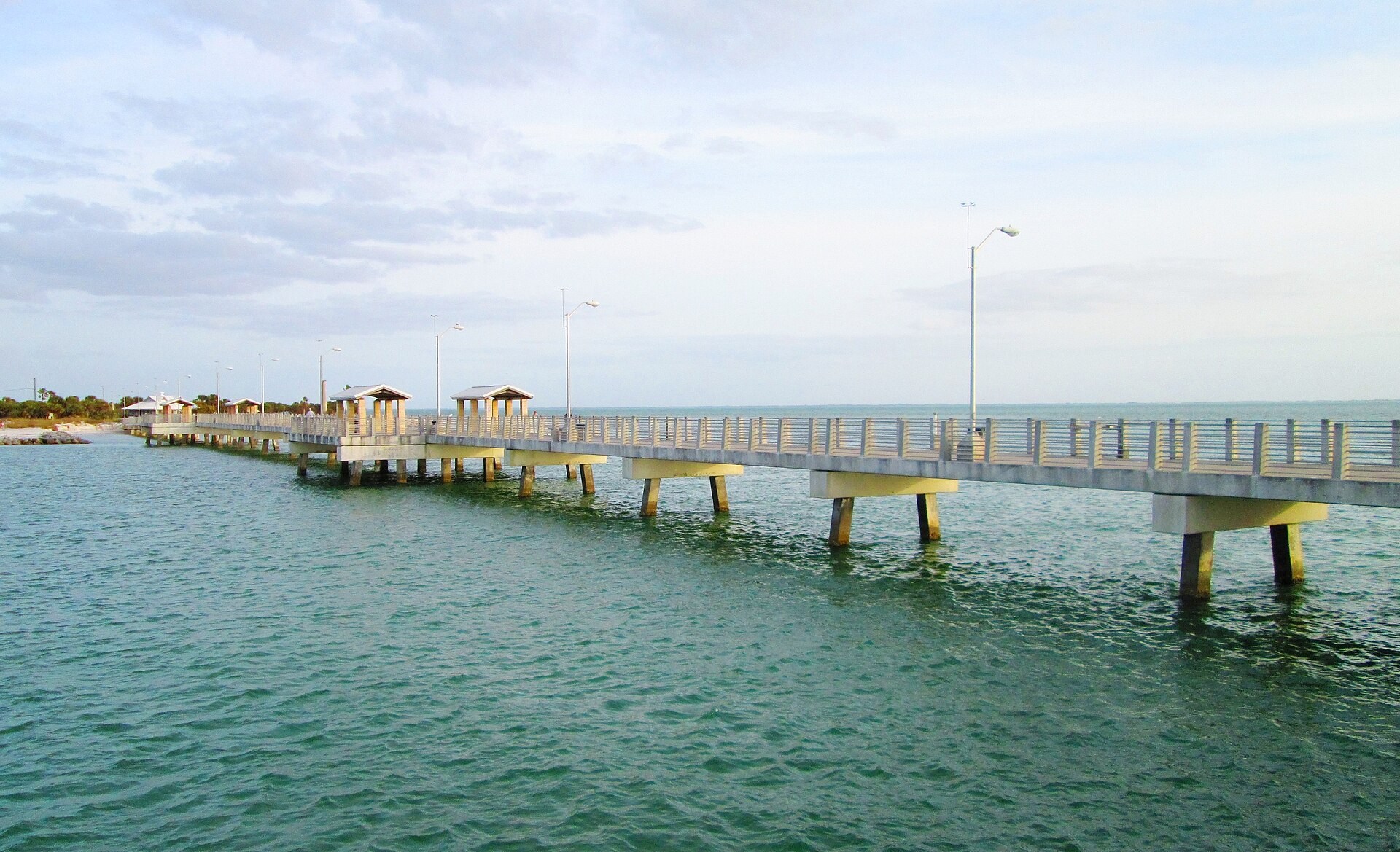
Storm repairs remain an important planning issue. The September 2026 project update lists Bay Pier work and phased boat-dock repairs. Individual sections can be unavailable while the wider park remains open. Check the latest county closure notice and obey on-site barriers.
Parking and launch charges may change, so use current posted fees rather than an old travel article. Bring payment options and allow extra time if operating ramp space is reduced.
Use a pier for controlled presentations
From an open fishing section, inspect the water around supports and shade. Small prey shelter close to structure. Sheepshead and snapper may be within a short drop of the rail, while mackerel can pass farther out when bait is moving.
Lower a shrimp beside an open pocket instead of casting directly beneath the pier. Keep enough contact to lift the rig before it catches a crosspiece or piling. If the flow pushes every bait into the structure, switch sides where permitted or wait for better control.
Watch nearby anglers before making a long cast. A lure cutting across several bait lines creates problems even if the water looks empty. Keep a net and pliers ready so landing a fish does not block the whole platform.
Do not lift a heavy fish on light line. Decide whether your position allows a safe landing and release before targeting anything large.
Read the beach and bay shallows differently
Along Gulf-facing sand, look for small troughs, shell patches and bait near the wash. Whiting and pompano are reasonable light-tackle possibilities when water conditions suit them. A modest cast into a feeding lane can be more useful than reaching maximum distance.
On the bay side, grass and sand transitions offer a different pattern. Seatrout can suspend above vegetation, while redfish may work shallow edges. Keep a lure above the grass rather than dragging it through the bed.
Not every stretch is appropriate for wading. Soft bottom, stingrays, deeper cuts and current can appear close to shore. Stay within a route you understand and never wade toward a channel simply to improve casting reach.

A target list for different parts of the park
| Fish | Useful habitat | First approach |
|---|---|---|
| Sheepshead | Shell-covered pier structure | Small crab or shrimp near the support |
| Spanish mackerel | Open water with active bait | A compact metal lure |
| Whiting and pompano | Clean Gulf sand | Small bottom bait |
| Spotted seatrout | Bay grass with sandy openings | Light paddletail above the weeds |
| Redfish and snook | Shallow edges and moving-water cover | Shrimp or a weedless soft plastic |
Use this as a way to choose equipment. It is not a promise that each fish is present at every pier or beach on the same day.
Carry bait for a specific job
For a pier session, live shrimp gives several species a reason to investigate. Hook it lightly enough to move and use a weight that reaches the intended depth. A bait pinned beneath a large sinker looks and behaves differently from one moving just above the bottom.
For sandy beach fishing, small pieces of fresh shrimp are easy to replace and keep the hook point clear. Sand fleas can be another option for pompano where lawful to collect. Do not dig through protected areas looking for them.
Near grass, a float can prevent repeated weed fouling. Adjust its depth after the first drift. If the hook returns with vegetation, shorten the leader beneath the float before changing bait.
Keep bait covered from birds and shaded from heat. Never toss hooked leftovers toward wildlife or leave scraps on a rail.
Three lure jobs instead of a crowded box
A soft paddletail searches grass edges. A slim spoon reaches moving bait schools. A weedless soft bait works closer to vegetation without catching every stem. Those three jobs cover a useful range for an exploratory visit.
Let the lure’s depth match the target. For trout, start just above the grass tops. For a sandy edge, slow the retrieve until the lure occasionally approaches bottom without plowing through it. For mackerel, keep the lure moving through the active layer.
Replace damaged leaders promptly. A mackerel strike or rough pier support can leave a weak section that fails on the next fish. Carry line cutters that work cleanly on braid.
Launch with the return trip in mind
The boat launch serves broad areas around the park, but an available ramp does not make every route suitable. Choose a destination based on your vessel, experience and forecast. Shallow flats need careful operation, while open crossings need a larger weather margin.
During repair work, prepare the boat away from the active launch lane. Check the drain plug, safety equipment and engine before joining the queue. Have a plan for loading when returning anglers and changing weather arrive together.
Kayaks need the same respect for wind and current as larger boats. Wear a personal flotation device, carry communication within reach and avoid starting with a route through a strong pass.
Use a seasonal pattern, then watch the water
Cool-season structure fishing can suit sheepshead and a slower pace. Spring may bring more open-water bait activity. Summer offers early opportunities around shallow cover but demands a short, weather-aware plan. Autumn can reward anglers ready to follow changes in bait distribution.
Check the fishing tide and weather page before departure. At the park, compare the predicted movement with floating debris and the angle of your line. Wind may alter both water level and fishable shore.
Lightning is a reason to leave a pier or beach promptly. Identify a proper shelter or vehicle route before you walk a long distance with tackle.
Make a first visit easy to enjoy
For a family outing, choose one confirmed open facility and keep the gear simple. A short bait session can fit around breaks, bird watching and a picnic. Avoid setting up where the fishing area overlaps a swimming beach or dog activity.
Give children a clear place to stand and a rule about keeping hooks pointed away from people. Handle fish over a safe surface close to the water. Stop before fatigue makes casting careless.
Bird nesting zones and other protected areas can change through the year. Walk around posted closures and keep food and fishing line secured.
Know what you may keep
Consult the FWC guide to saltwater regulations for your license status, species limits and current closures. Park access and a successful catch do not establish harvest permission.
Decide between pier and beach on arrival
At the entrance, check current facility information before driving directly to an old favorite. A pier repair can change the useful plan without affecting the entire park. Choose an open area with conditions that match the tackle you brought.
At a pier, spend the first few minutes watching anglers’ line angles. If every rig sweeps hard beneath the deck, your light setup may be difficult to control. A quieter open section or another tide stage may be more suitable.
At the beach, the equivalent clue is the direction of the wash. A bait that rolls rapidly along shore will not remain within a safe casting lane. Try a sheltered permitted stretch rather than spreading heavier rigs across a busy beach.
If you brought children, favor stable footing and a simple short drop or cast. Easy supervision is more important than reaching a deeper-looking patch. Keep only one hook exposed at a time while teaching the basics.
For anglers with more experience, the park offers a chance to compare habitats during one visit. Fish a sandy lane, then a grass edge, using methods appropriate to each. Note the difference in bait, clarity and current rather than judging everything by catch count.
Leave enough daylight for the walk back and the drive out. A final cast can become several more minutes when a fish, snag or tangled line needs attention. Build that ordinary delay into your finishing time.
Fort De Soto fishing questions
Does the park fee include a fishing license?
Do not assume that it does. The county states that a license is required in the park, including its piers, unless you qualify for an applicable exemption.
Are both piers always available?
No. Repairs and temporary closures can affect individual facilities. Verify the specific pier before traveling.
Can I have a worthwhile trip without a boat?
Yes. Open fishing piers and appropriate beach access offer useful land-based options when conditions allow.