
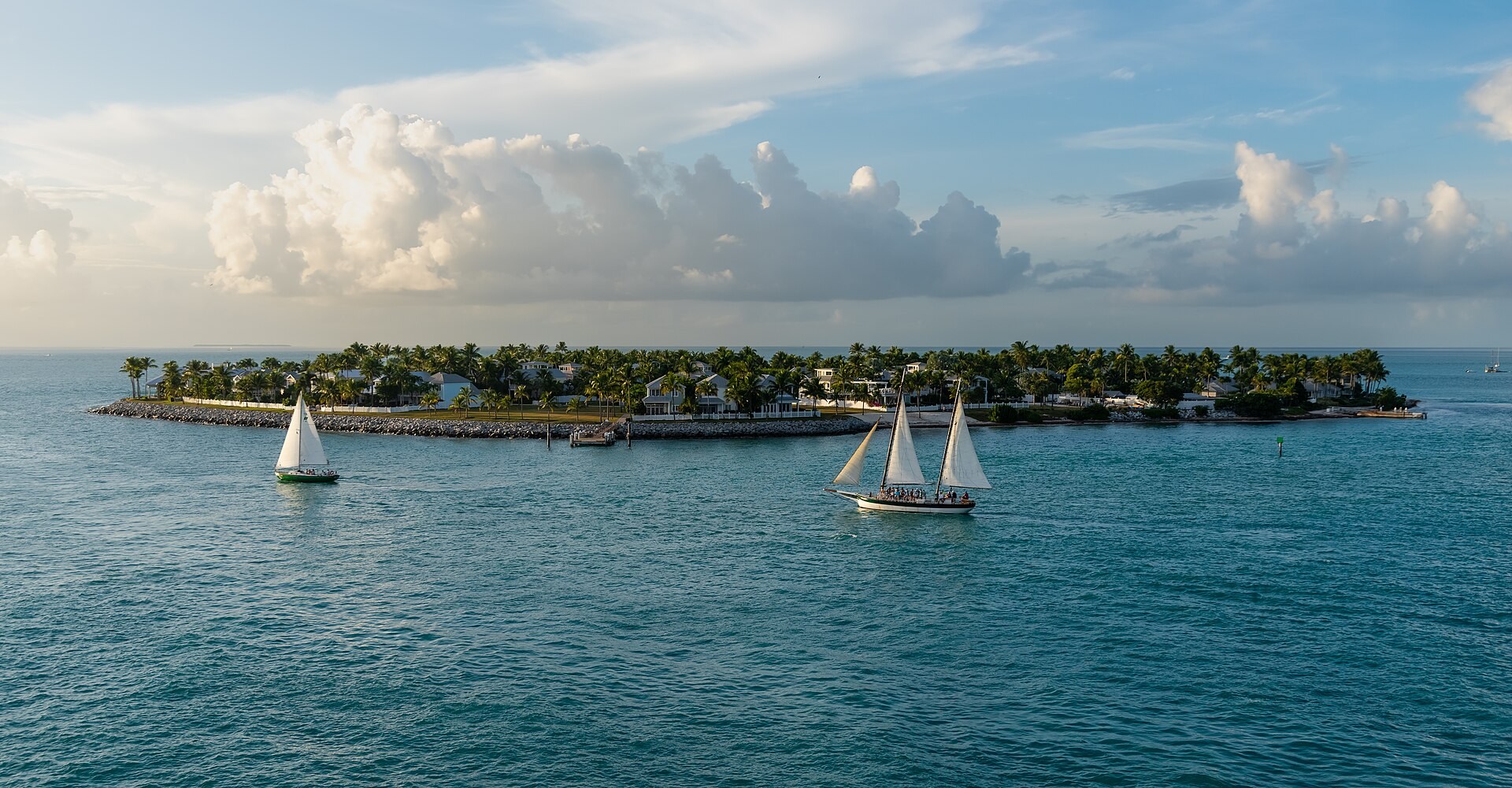
FLORIDA KEYS & EVERGLADES
Key West
fishing guide
Choose a managed shore session, flats trip or offshore day, with access, protected areas and weather matched to the goal.
Explore the guide ↓Choose the fishing day before choosing the fish
Key West can mean a short shore session, a careful flats trip, reef fishing or a full offshore day. Those are different outings with different access, equipment and weather limits. Start by deciding which one fits your time and experience.
For a shore visitor, a designated public fishing area is more useful than a harbor full of visible fish behind private docks. For a small boat, nearby sheltered water may be a better choice than a distant reef. Offshore mahi-mahi and other pelagic fish require a capable vessel and a serious marine forecast.
The island’s working waterfront is busy. Ferries, commercial boats, recreational traffic and swimmers share nearby water. Keep casting and boat positioning clear of those activities rather than treating every open-looking edge as a fishing spot.
Fort Zachary Taylor provides a managed shore option
Fort Zachary Taylor Historic State Park is at 601 Howard England Way. Its official visitor information includes fishing among the permitted activities. The park’s concession information identifies the west side along the shipping channel as the fishing setting.
Confirm the exact current fishing area with staff and signs. Keep away from swimming and snorkeling areas, and do not extend a cast into vessel traffic. The shore can have rough surfaces, so choose stable footing and a safe landing position.
Check current admission, hours and any temporary restrictions before arrival. Pack a small kit that is comfortable to carry, along with water and sun protection. A short session can fit well into a park visit without turning the whole day into a tackle-moving exercise.
Do not confuse permission to fish from a designated shore area with permission to climb breakwaters or enter closed ground. Follow the managed access even if another position looks closer to deep water.
Arrange the boat launch and parking together
City Marina at Garrison Bight has a public boat-ramp role in official access records. Contact the marina for current ramp conditions, fees and trailer parking before relying on it. A harbor slip or mooring arrangement is not automatically the same as a launch pass.
Prepare navigation, fuel and safety equipment before entering the ramp lane. Keep fishing lines away from docks used for boarding. Choose a route that avoids unnecessary travel through congested harbor water.
Private marinas and accommodation docks have their own terms. Obtain permission for the specific use you need. Do not assume a waterfront booking includes launching, trailer storage or fishing from every dock.
For a kayak, confirm a suitable launch separately. A large-boat ramp may be busy, and the water beyond it may be more exposed than a beginner expects.
Make a short shore session deliberate
At a permitted position, begin with a small bait and observe current. Let it settle near a useful depth change without dragging into rough structure. Check for bites, bait loss and leader damage frequently.
If small fish steal bait, reduce the piece rather than adding a larger one. Keep the hook point exposed. A compact rig is easier to control in moving water and easier to remove from a released fish.
Before casting, decide how to bring a fish to hand. A high or rocky edge may require an appropriate landing tool. Do not plan to lift a heavy fish by the line or scramble down an unsafe surface after the bite.
Keep a clear space behind you for casting. Visitors may approach to watch, so pause until the lane is safe. One well-placed cast is better than a hurried one near people.
Why floating weed can matter offshore
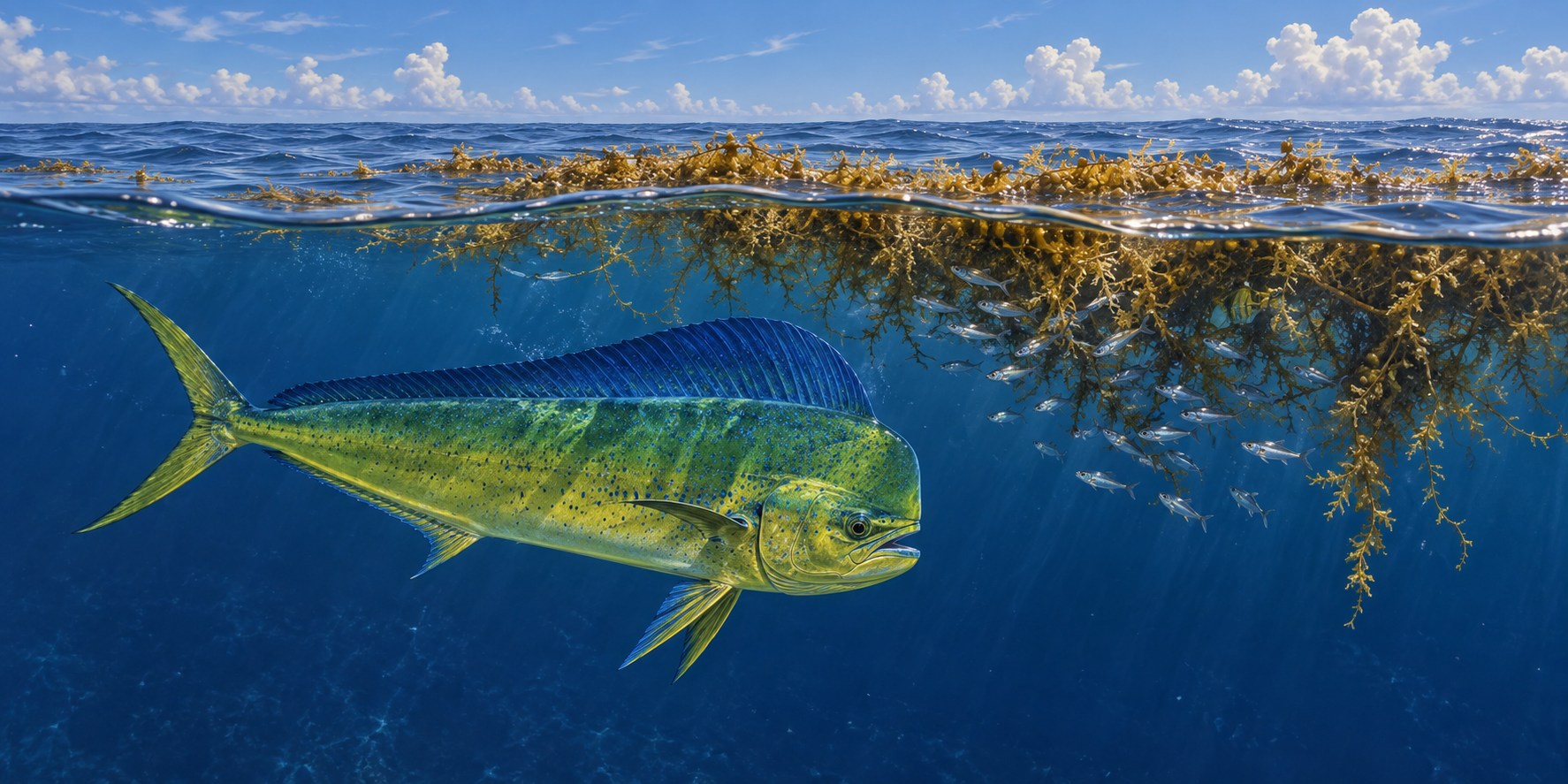
Sargassum can shelter small fish and other prey near the surface. Mahi-mahi may patrol around that food source. A defined weed line with bait and active life is more interesting than isolated weed with nothing happening around it.
Approach without running directly through the feature. Watch for birds, bait and fish before setting a presentation. Keep a safe course and avoid tangling lines with other boats working the same area.
This is an offshore pattern, not a promise about distance from Key West. Productive water can shift. Do not chase a report beyond the boat’s safe range or the crew’s ability.
Check the map before fishing a reef or island
The Lower Keys include marine sanctuary zones and wildlife refuge areas. Some reefs prohibit fishing, and some islands restrict landing or vessel activity. Use current official maps for the exact destination.
Sand Key and other famous snorkeling locations should not become default fishing recommendations. Popularity, mooring buoys and clear water do not establish harvest permission.
Where fishing is allowed, keep anchors and tackle off coral. Respect wildlife closures and give birds room on shallow banks. A quiet island is not necessarily an authorized place to beach a kayak.
Build a seasonal plan with a weather alternative
Winter fronts can make offshore and reef trips unsuitable even when the island feels pleasant. A managed shore visit or another land activity may be the right alternative. Do not assume the harbor’s shelter continues beyond the island.
Spring often draws anglers toward tarpon and flats fishing. Crowded channels require patient boat handling. Leave room for traffic and avoid a fishing position that becomes unsafe when a large fish runs.
Summer can provide offshore opportunities alongside heat and thunderstorms. An early start is only helpful if the return is also planned early enough. Carry water, watch developing clouds and preserve fuel for rougher travel.
Fall patterns depend on bait, wind and tropical weather. Check local facility notices after significant conditions. A past successful trip is useful experience, but it is not current access information.
Use more than a pleasant temperature forecast
Consult the Key West tide and weather outlook, including wind and marine conditions relevant to the route. Sea state can change the practical distance a boat can cover.
Current around channels may differ from the timing at a nearby prediction station. Observe the actual movement and leave a position if control becomes difficult.
For small craft, the return leg deserves its own decision. Wind that pushes you easily away from the launch can make coming home much harder. Keep the route within your ability even if the bite encourages you to continue.
For flats fishing, reduce noise and expectations
Bonefish and permit can be demanding targets in clear shallow water. Approach quietly, watch for movement and cast ahead of the fish. A good chance may be brief, and a refusal is part of the experience.
Keep the lure or bait appropriate to the prey and depth. A heavy splash can end the opportunity before the presentation begins. Practice accurate short-to-medium casts rather than relying on maximum distance.
Do not chase fish across grass with a motor or drag a craft over living bottom. Leave the flat before water becomes too shallow for an undamaging return.
A useful first Key West fishing day
Choose one clear goal: a short managed shore session, a modest inshore route or a properly prepared boat trip. Confirm access, weather and the return time before buying specialized bait.
Bring the tools needed for that goal. For shore fishing, a compact bait kit and safe landing arrangement may matter more than many rods. For offshore fishing, navigation, safety equipment and range matter before lure selection.
Review the result afterward. Note what the water was doing and whether the bait stayed in the intended place. That turns a vacation session into information you can use on the next visit.
Identify, measure and release with care
Check the FWC saltwater fishing regulations for current licenses, seasons and limits. Sanctuary, park and refuge restrictions also apply where relevant.
Keep identification and dehooking tools close. Use wet hands and support fish fully. Avoid long photographs on hot surfaces, and relocate when predators repeatedly threaten released fish.
Key West questions
Can I fish anywhere around the harbor?
No. Working docks, private property, vessel lanes and managed areas have different restrictions. Use a confirmed fishing position.
Is Fort Zachary Taylor a shore option?
Yes, in its designated fishing area. Confirm current signs and keep clear of swimming and snorkeling water.
Does a weed line guarantee mahi-mahi?
No. Bait and active life make it more interesting, but offshore fish move and safe range still limits the search.
Where are the park, marina and image records?
The Key West source notes provide the official references and photograph credit.