
SOUTHWEST
Stump Pass Beach State Park
fishing guide
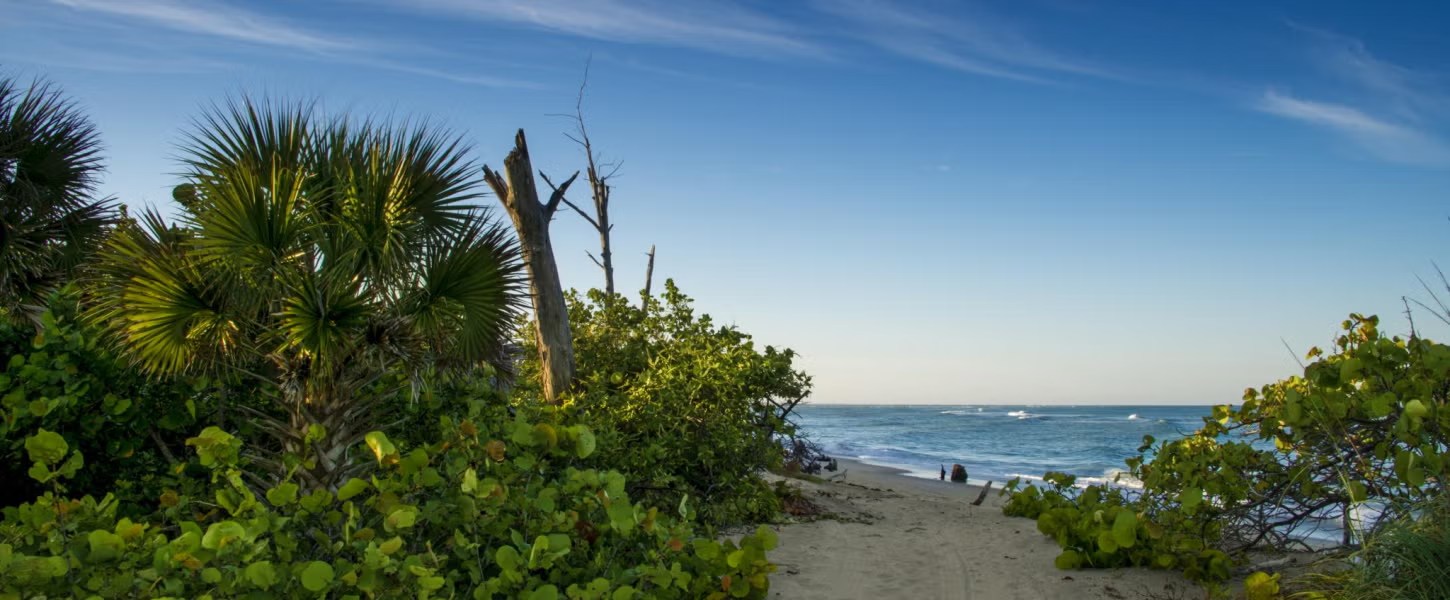
Stump Pass Beach State Park sits at the south end of Manasota Key. Its beach, sheltered eastern water and pass offer varied fishing within one compact park. Keep the strong pass current separate from a safe dry-sand surf plan.
Explore the guide ↓Start at the south end of Manasota Key
The park is at 900 Gulf Boulevard in Englewood, at the southern end of Manasota Key. Florida State Parks lists surf fishing and a kayak launch among its recreation options. Use established access routes and follow the signs for the section you intend to fish.
The normal day-use schedule is 8 a.m. to sunset. A payment change effective October 5, 2026 added a remote kiosk at the beach entrance, accepting credit or debit cards. Display the printed receipt on the vehicle dashboard as instructed.
The listed vehicle fee is $3. Check current park notices before traveling and allow time for parking and the walk. Carry tackle with hooks secured so the beach route stays safe for walkers and shell collectors.
Search the beach before settling into one spot
A narrow surf trough, a sandbar opening or a darker edge can be worth studying. Watch where small waves first break and where foam travels back toward open water. Fish use routes shaped by bottom and prey rather than a fixed distance from shore.
Begin with a modest cast into reachable clean sand. Pompano and whiting can feed in the inner surf when conditions suit them. Casting beyond every visible feature may skip the useful water and make the line harder to control.
A sandbar gap can carry outward flow. Keep the investigation on dry sand instead of wading into that current. The feature can guide a cast without becoming a place to stand.
Use a small offering for surf feeders
Purchased sand fleas, shrimp pieces and prepared strip baits offer practical ways to test for pompano or whiting. Keep the bait compact and the hook point available. A large wad may be difficult for a small feeding fish to take.
A simple one- or two-drop rig can hold bait near the sand. Tiny floats may lift offerings slightly above it. Select enough sinker weight to hold the intended lane without exceeding the outfit's casting rating.
Check baits regularly after light taps. Small fish can remove a shrimp piece without a dramatic rod bend. If one distance produces all the activity, repeat that controlled cast before extending farther offshore.
Work the beach edge with a moving bait
Snook may cruise suitable coastal shallows, especially in warmer conditions. Use a small baitfish-shaped lure along an open trough where fishing is permitted. A quiet cast placed ahead of a visible route gives the fish room to approach.
A three- or four-inch paddle-tail can swim naturally without being dragged across the sand. Choose a light jig for calm water and adjust when flow requires it. The retrieve should stay controlled enough to keep hooks away from people using the wash.
Prepare for snook handling before one is hooked. Wet hands, support the body and minimize time outside water. Check the current regional harvest season and slot rather than treating a beach feeding period as a legal keep season.
Treat the eastern water as a different habitat
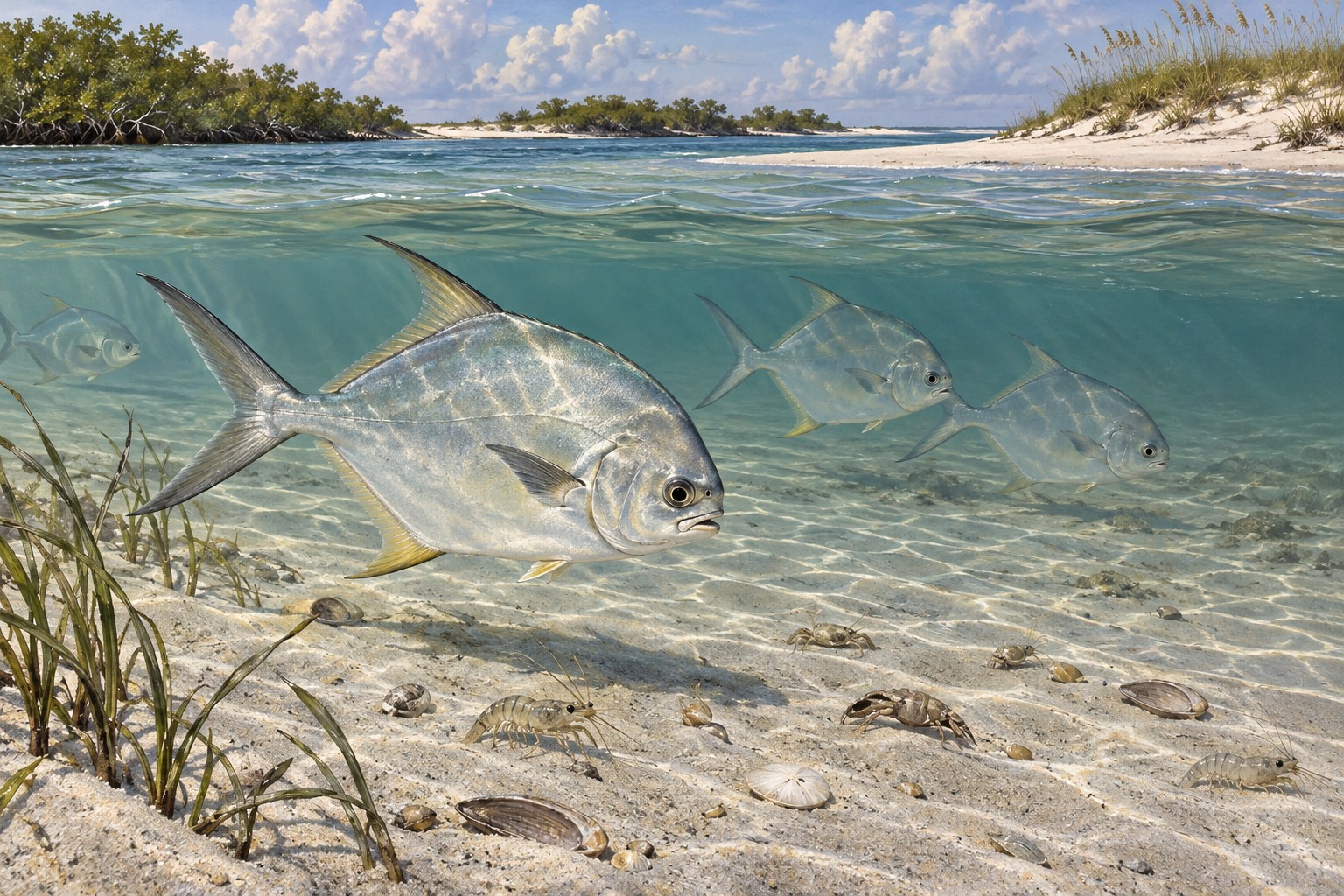
Sheltered water east of the park and the nearby islands offers a different small-boat plan from the surf. Mixed shallow bottom and edges can suit redfish, seatrout and other inshore species. Use current park guidance to choose an allowed launch and route.
A shrimp suspended above vegetation is useful for testing trout water. A soft plastic worked beside sand can search a redfish feeding lane. Move quietly and avoid repeated paddle strikes against the bottom.
Sheltered does not mean free of tidal flow. Compare the intended route with actual water movement and the return forecast. Keep boats away from wildlife closures and leave a generous margin before the park closes.
Pack one kit for the approach you choose
A beach bait setup and a kayak lure setup have different needs. Choose a manageable primary outfit rather than carrying every rod along the trail. A medium spinning rod can handle modest lures, while a suitable surf rod offers more controlled sinker casting.
Take pliers, spare leaders, a measuring board and a closed bag for tackle waste. Carry enough water for the entire walk and return. Keep extra hooks covered so they cannot catch beach bags or bare feet.
These starting choices work only in permitted water and conditions that let you control the rig safely.
| Park water | Initial approach | Safety check |
|---|---|---|
| Inner sandy trough | Compact surf bait | Keep sinker within rod rating |
| Open shoreline edge | Small paddle-tail for mobile fish | Clear lane around beach users |
| Eastern grass margin | Shrimp suspended above bottom | Safe kayak return route |
| Pass margin | Target-specific planned outfit | No wading or crossed vessel route |
Respect the current at Stump Pass
The pass can concentrate prey and larger fish, but it also carries strong moving water and vessel traffic. Do not enter the current to reach a casting position. Fish only from safe allowed land or an appropriately planned boat route.
A tide chart helps predict the broad pattern. The actual flow, wave direction and boat traffic determine whether a spot is workable. Lines drifting into a navigation lane should be reeled in rather than held with more weight.
Avoid targeting large fish where you cannot land or release them safely. A beach outfit does not become a pass outfit simply because a big fish appears. Choose the target and equipment before making that cast.
Use season as a guide to conditions
Cooler months can provide useful pompano opportunities in the region, with fronts sometimes making surf rough. Warm months can favor beach snook searching, but summer heat and storms shorten comfortable fishing windows. Actual bait and water conditions still matter more than a calendar claim.
Compare the marine forecast with the beach flags and on-site signs. Strong surf or lightning is a reason to postpone fishing. A productive-looking trough is not worth an unsafe walk or a difficult paddle return.
Early permitted hours may offer a quieter beach, though the park's opening time sets the start. Keep the kit compact enough to move when swimmers or shell collectors gather in the same area.
Share the shoreline with wildlife and visitors
The park supports shorebirds, turtles and other coastal wildlife. Remain outside posted nesting enclosures and keep dune plants intact. Do not create a shortcut through vegetation to follow a feeding school.
Use current Florida rules for licensing, harvest and methods. Identify pompano, permit and other similar-looking fish carefully before keeping one. Measure promptly with the correct method and release uncertain catches.
Pick up every leader piece and bait wrapper before the return walk. Do not feed scraps to birds or leave hooks in beach sand. A careful finish keeps this small natural park usable for the next angler and visitor.
Common questions
Where is Stump Pass Beach State Park?
At 900 Gulf Boulevard, at the south end of Manasota Key in Englewood.
How are entrance fees paid now?
The October 5, 2026 notice describes a credit or debit kiosk. Display the printed receipt as instructed and check any newer update.
Should I wade into the pass to reach fish?
No. Strong current and boat traffic make that an unsuitable way to extend a shore cast.
What is a simple surf target?
Pompano or whiting can be tested with compact shrimp, purchased sand fleas or strip bait in suitable clean sand.
Prepare for your visit
Check local tides and weather. Read more about snook, florida pompano, whiting. Check current FWC saltwater fishing rules.