
SOUTHEAST ATLANTIC
Ocean Inlet Park
fishing guide
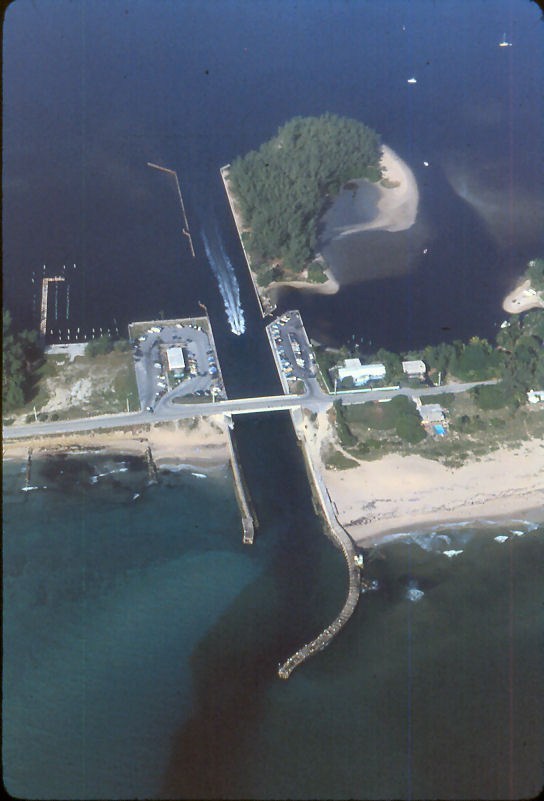
Ocean Inlet Park sits beside Boynton Inlet, where narrow tidal water connects the Intracoastal with the Atlantic. The inlet fishing area, swimming beach and temporarily closed marina require separate plans.
Explore the guide ↓Separate inlet fishing from the marina and beach
Ocean Inlet Park is at 6990 North Ocean Boulevard in Ocean Ridge. It is beside Boynton Inlet, sometimes also called the Boynton Beach Inlet. The narrow entrance creates a different fishing setting from the open beach nearby.
County information lists inlet and jetty fishing access for 24 hours and separately lists the general park for sunrise-to-sunset use. Recreational fishing parking also has a specific around-the-clock provision. Check the posted arrangement at your entrance before relying on overnight access.
The marina is listed as temporarily closed until further notice. Do not plan on its slips or facilities merely because an older description mentions them. The inlet fishing access and the marina closure are different issues.
The beach includes guarded swimming water. Keep hooks outside that area under the applicable county guidance. A place beside the inlet is not exempt from swimming boundaries just because fishing is available nearby.
Expect a narrow inlet to move water quickly
The same tide that creates feeding movement can make a presentation difficult. Look at weed, foam and bait to judge the current at the exact position. Its direction and strength matter more than the tide label alone.
Choose an edge where line can be followed and retrieved before it passes behind rock. A bait swept beneath the structure may be difficult to recover and can leave tackle in the water. Change the angle before increasing weight blindly.
An eddy or a slower seam can provide a more manageable first target than the center of the inlet. Test it with an unbaited rig or a simple lure to learn the drift. Avoid crossing lines through boat traffic.
Do not enter the channel to reach a fish. Narrow inlet current, waves and vessel movement make wading or swimming an unsuitable fishing shortcut.
Put snook bait beside a usable seam
Snook can intercept small fish traveling between the ocean and inland water. A live baitfish or swimming lure can be presented along a clear current edge. Use legally obtained bait and a setup that allows the fish to be controlled from your position.
A natural drift does not mean releasing line without watching it. Keep enough contact to detect the bite and prevent the bait from reaching a snag. Retrieve while the rig is still accessible.
For a lure, adjust the angle and depth so it crosses the seam without scraping the rocks. A slower pass may keep it in the feeding lane longer. If contact remains frequent, fish a different lane rather than accepting repeated leader loss.
The landing plan belongs before the cast. Know where a fish can be safely supported and released. A high edge above water can turn a manageable hook-up into a difficult fish-care problem.
Use a neat bait beside structure
Mangrove snapper may feed around suitable hard edges and sheltered structure. A small shrimp or baitfish offering with the hook point clear can test that habitat. Oversized bait lets a small fish remove pieces without taking the hook.
Keep the bait near open water adjacent to cover. Dropping it directly into a crack can snag before a fish sees it. A clean placement with prompt bite detection is more useful than a heavy rig buried in the rocks.
Set the drag with the structure in mind, but do not lock it so tightly that line or rod breaks under a sudden pull. Use controlled pressure from secure footing. Recheck leader wear after every contact with the edge.
Snapper identification and current harvest rules need checking before retention. Similar-looking fish should not be sorted by assumption at the cleaning stage.

Notice predators following bait at the mouth
Jacks and Spanish mackerel can follow bait near inlet water. Their activity may appear briefly and then move offshore or into the channel. Watch the school rather than expecting a fixed daily schedule.
A small metal lure reaches a clear open lane efficiently. Cast only where the entire line path remains away from boats, people and birds. The best splash to reach may be the one that has to be left alone.
Use suitable handling tools for a toothy catch. Keep fingers clear of the mouth and inspect the bite-resistant section after a strike. A powerful fish near rock also requires a realistic release route.
Leave the inlet when the surf offers a better fit
A permitted beach section can be a useful alternative when inlet flow is too strong for the available tackle. There, the target becomes a clean sand trough for whiting or pompano. Retie the rig for waves rather than carrying an inlet drift arrangement unchanged.
Use a small surf bait and enough sinker to hold in the chosen lane. Keep the line away from guarded water and people walking the beach. Stop if the rig begins rolling toward occupied space.
The ocean alternative is not automatically safer under every condition. Larger shorebreak or onshore wind can make it unsuitable too. Sometimes returning on another day is the most practical change.
Use the water's behavior to decide the next move
A productive-looking inlet can be fished poorly when the method does not match its movement. Make changes based on control and tackle recovery as well as bites.
| What happens | Likely problem | Useful change |
|---|---|---|
| Bait disappears behind rocks | Drift is not controlled | Shorten the drift or use another seam |
| Sinker wedges immediately | Placement is inside rough cover | Move beside the edge |
| Line crosses the channel | Cast does not respect vessel space | Retrieve and choose a shore-side lane |
| Beach rig sweeps toward bathers | Current and space do not fit | Stop or relocate outside swimming water |
Verify the evening route and keep the footing visible
The listed inlet fishing hours make an evening visit possible, but amenities do not all share that access. Check parking, barriers and the return path in daylight. Do not rely on marina services during its closure.
Secure footwear and an organized bag are essential around rough surfaces. Keep small lights from shining across the nesting beach unnecessarily. Never climb an outer edge to recover a snagged rig.
Watch approaching weather and wave wash throughout the session. A strong bite cannot make a wet ledge or lightning exposure acceptable.
Keep the inlet clear of lost tackle
Bring pliers, a measuring tool and a container for line offcuts. Retrieve a snag only from a safe authorized position. Repeated lost leaders are a signal to change the method, not a normal cost that should be ignored.
Check the current FWC regulations before harvest and use the internal species information for identification help. Finish by removing bait waste and recording the inlet stage that allowed a clean, manageable presentation.
Common questions
Is Ocean Inlet Park at Boynton Inlet?
Yes. The park is in Ocean Ridge beside the inlet commonly associated with Boynton Beach.
Can I use the marina during its closure?
The county lists it as temporarily closed until further notice. Do not rely on old slip or facility descriptions when planning the visit.
Does the whole park remain open overnight?
The general park and specific inlet fishing access have different schedules. Check the current fishing entrance and parking rules before an evening session.
What should I do when the current sweeps every rig into rock?
Change the drift, choose a slower clear seam or stop until conditions are manageable. Adding weight without changing the lane may only deepen the snag.
Prepare for your visit
Check local tides and weather. Read more about snook, florida pompano, whiting. Check current FWC saltwater fishing rules.