Destin gives you several very different ways to fish. Cast into the surf for pompano and whiting. Work the bay for redfish and spotted seatrout. Try a nearby fishing pier for a simple day without a boat.
East Pass connects Choctawhatchee Bay to the Gulf. It carries bait, fish, boat traffic and strong current through a narrow area. Farther out, reefs and wrecks offer another kind of fishing. Each place needs a different plan.
FIRST BEACH TRIP
Keep it simple
Bring fresh shrimp, a small bottom rig and a sand spike. Start close to shore.
The open beaches have waves, sandbars and deeper lanes between the bars. Those lanes are called troughs. Small crabs, shrimp and other food collect here. Pompano, whiting and redfish may feed surprisingly close to dry sand.
Best starting point: A small bait on the bottom, away from swimmers.
02
Choctawhatchee Bay
This large bay has shallow flats, deeper channels, bayous and shorelines. A flat is a broad area of shallow water. Seagrass and oyster areas shelter the small animals that larger fish eat. Redfish and trout are key targets.
Best starting point: A grass edge or a change in depth with baitfish nearby.
03
East Pass and the harbor
The harbor is busy working water. East Pass is the route between the bay and the Gulf. Fish use moving water to find food, but this is also a challenging place to fish. Waves, current and boat wakes can combine quickly.
Best starting point: Observe from a safe, legal shore position. New paddlers should choose protected bay water.
04
Gulf reefs and open water
Natural bottom, artificial reefs and wrecks attract different fish from the beach. Snapper and grouper use bottom structure. King mackerel and other fish may feed above it. These trips require a suitable boat, more gear and a sound weather plan.
Best starting point: Learn boat handling and local waters before planning a Gulf trip.
Use these as starting points for a trip. A public park or beach entrance does not mean fishing is allowed everywhere inside it. Read the signs, keep clear of swimming areas and check access before carrying your tackle down.
DESTIN · GULF BEACHGood first surf trip
Henderson Beach State Park
17000 Emerald Coast Parkway, Destin
A good choice for seeing Destin’s dune-backed shoreline and learning to fish a sandy beach. Try small pieces of shrimp for whiting. Sand fleas, which are small mole crabs, are a useful pompano bait. Look for deeper water close to shore before making a long cast.
Access: The park lists day-use hours of 8 a.m. to sunset. Entry fees apply. Its current notice requires day-use reservations from May 15, 2026. Arrange your reservation before traveling.
Know before you cast: Fishing is prohibited between the boardwalks. Ask park staff where you can fish that day. There is no fish-cleaning station.
Park information: 850-837-7550. Access details checked September 29, 2026.
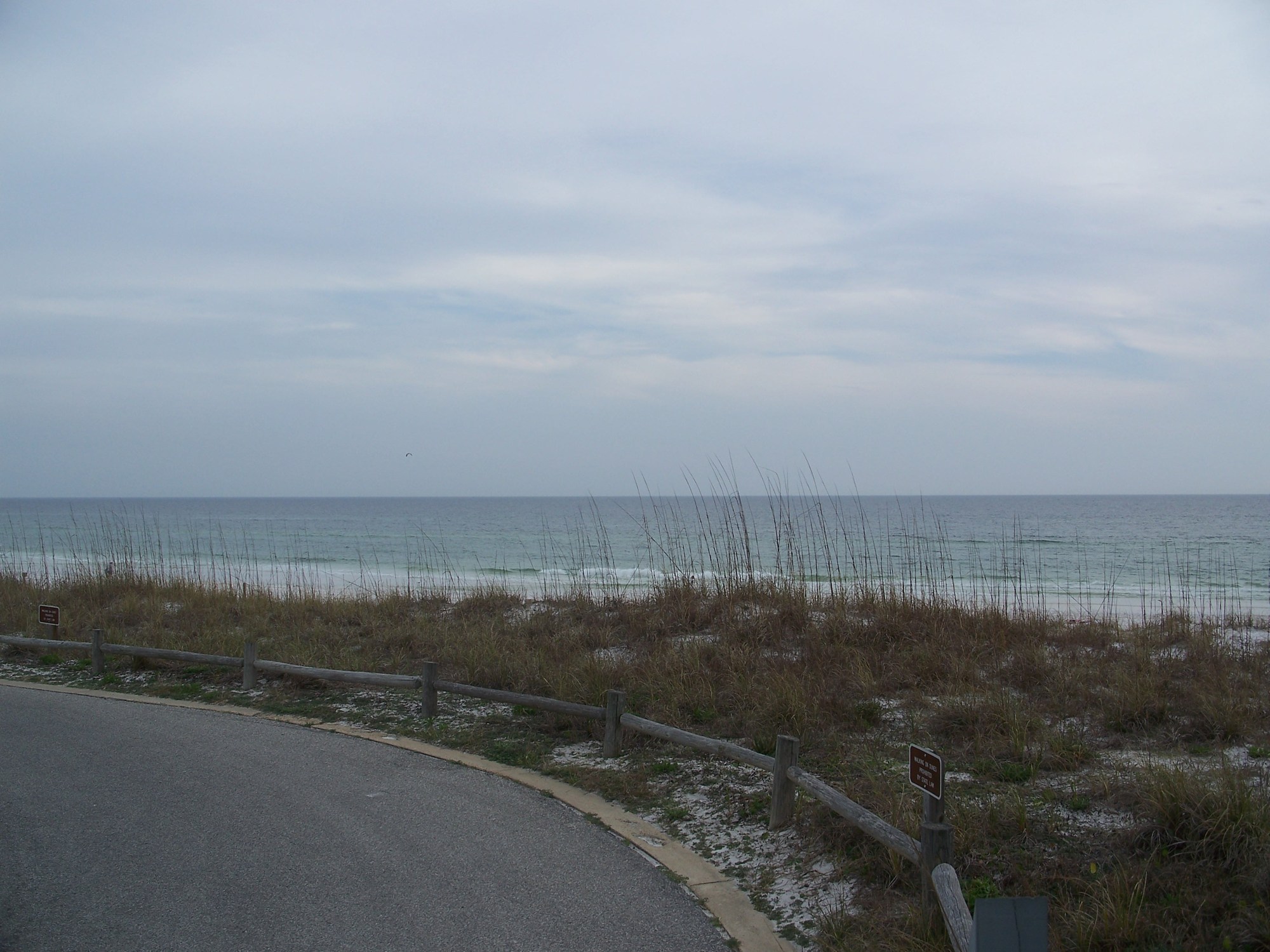
Dunes and Gulf shoreline at Henderson Beach State Park. Photo by Ebyabe, 2008. Photo credits.
EAST DESTIN · GULF BEACHChoose an uncrowded area
James Lee Park and Crystal Beach
These give you access to the open Gulf on the east side of Destin. James Lee Park is a county beach park near the Walton County line. The Shore at Crystal Beach Park is a smaller city access with limited parking, restrooms and showers.
Fishing approach: Look for a stretch where casting is permitted and swimmers are well clear. Try the nearest trough first. A small shrimp bait can help you find feeding fish before switching to a more specific target.
Keep in mind: These are popular swimming beaches. Leave if crowds remove your casting space. Use marked public access and respect neighboring private property.
DESTIN · BAY SHOREShort shore visit
Mattie Kelly Park and Nature Walk
825 Beach Drive, Destin
The city lists a pier, small beach and picnic area beside protected wetlands. This offers a different setting from the Gulf surf. It is a place to look at sheltered shoreline water and nearby changes in depth.
Fishing approach: Where fishing is allowed, start with shrimp or a small soft lure. Cast along a shoreline edge instead of always aiming at open water. Keep the bait above grass rather than burying it in the plants.
Access: Listed hours are dawn to dusk. Confirm that the pier is available before making it the focus of your trip. Stay on established paths and protect the wetland edge.
DESTIN · BAY ACCESSPaddling launch option
Clement Taylor Park
131 Calhoun Avenue, Destin
This waterfront park has a pavilion, restrooms, playground and swimming area. The city also identifies a kayak and paddleboard loading area. It is useful when planning a short bay outing, but the swimming area is not a place to cast hooks.
Fishing approach: Launch only where permitted. Paddle to a suitable fishing area clear of swimmers, docks and boat traffic. Work protected shoreline edges when the weather allows.
Access: The city lists free entry and sunrise-to-sunset hours. Parking is limited. Check current loading and longer-stay parking instructions before unloading your kayak.
DESTIN · HARBOR ENTRANCEStrong current
Norriego Point and East Pass
Norriego Point sits beside the harbor entrance and East Pass. It helps you understand how these waters connect. The park has designated recreation and swimming areas. Do not assume the swimming coves, rocks or neighboring shorelines are open fishing positions.
Fishing approach: If local signs allow fishing at your chosen position, watch the water before casting. A current edge is the line where faster and slower water meet. Fish may hold near that edge while bait passes them. Keep hooks and line well away from vessels.
Use extra care: Do not wade into the pass or climb wet rocks to reach fish. Conditions can be rough even when the beach looks calm. Public park access is not permission to cross private property to the jetties.
NEARBY · OKALOOSA ISLANDNo boat needed
The Island Pier
This Gulf fishing pier is west of Destin on Okaloosa Island. It is a useful option for visitors who want fishing access without choosing a boat launch or finding space on a crowded beach.
Fishing approach: Ask the tackle staff what is biting and where anglers are catching it. Small bottom baits can suit a first trip. When mackerel are feeding on baitfish, small shiny lures may be a better choice.
Access: The official pier website says its daily fishing pass includes fishing-license coverage. Rental tackle is available. Confirm current hours, pass prices and tackle rules before visiting. Follow staff instructions and leave space between anglers.
NEARBY · NICEVILLEExplore the bay
Fred Gannon Rocky Bayou State Park
Rocky Bayou is on the north side of Choctawhatchee Bay near Niceville. It is a separate outing from Destin’s Gulf beaches. The park offers access to a sheltered arm of the bay and is worth considering for a bay-focused day.
Fishing approach: Look for a shoreline edge that meets deeper water. Shrimp or a small soft lure gives you a simple starting point for redfish and trout. Change lure depth before changing every piece of tackle.
Plan ahead: Check park entry, launch access and conditions for your visit. Sheltered does not mean calm in every wind. A strong wind across the bay can make the return trip difficult.
Access information comes from the City of Destin, Florida State Parks, Florida DEP and the pier operator. See the access notes.
WHAT YOU CAN CATCH
Match the fish to its food and home
The fish below are possibilities, not promises. Water temperature, recent weather and bait movement can change a bite quickly. A fish being present does not mean its harvest season is open.
BAY · PASS · BEACH
Redfish
Look around: Shoreline edges, sandy openings in grass and oyster areas. Larger fish may use deeper water and the pass.
Offer: Shrimp, small baitfish, a soft plastic lure or a spoon.
Try this: Cast ahead of a moving fish. Let the bait enter its path. A splash directly on top of it can send it away.
Season: A year-round target. Adjust the location and pace as water cools.
BAY · GRASS EDGES
Spotted seatrout
Look around: Grass beds, sandy gaps and nearby deeper water.
Offer: Live shrimp under a float, a small paddle-tail lure or a surface lure in low light.
Try this: Keep the bait just above the grass. In cold water, slow down and try deeper edges.
Handle carefully: Wet your hands and support the fish. Avoid squeezing its belly.
GULF BEACH
Florida pompano
Look around: Sandy troughs and the edges of sandbars.
Offer: Sand fleas, shrimp or a small piece of a scented surf bait.
Try this: Use a compact bait with the hook point clear. Fish one bait close and another farther out if you can manage both safely.
Season: Spring is a useful local planning window. Watch actual surf conditions and recent catches rather than relying on a date.
GULF BEACH · NEAR SHORE
Whiting
Look around: The first deeper lane off the beach.
Offer: A small piece of fresh shrimp on a small hook.
Try this: Make a short cast. Keep the bait small enough for the fish to take easily. You do not need to reach the farthest sandbar.
Good for: A simple beach session where the goal is learning and steady practice.
PILINGS · ROCKS · OYSTERS
Sheepshead
Look around: Hard surfaces where small crabs and other food collect.
Offer: A fiddler crab, sand flea or small shrimp.
Try this: Keep the bait close to the structure without letting it wedge into it. Watch for a light tap or a change in weight.
Season: Late winter and early spring are useful times to focus on them.
SANDY BOTTOM · CHANNEL EDGES
Flounder
Look around: Sandy patches beside deeper water and places where bait is swept past the bottom.
Offer: A small baitfish or a soft lure worked near the sand.
Try this: Move slowly enough to stay near the bottom. If the lure never reaches it, adjust the weight or position.
Season: FWC lists local opportunities in May and fall. Check the separate harvest rules before keeping one.
PIER · PASS · GULF
Spanish mackerel
Look around: Small baitfish near the surface. Diving birds can help you find feeding activity.
Offer: Small shiny spoons or jigs that resemble the baitfish.
Try this: Cast beside the school and retrieve steadily. Check the leader after each fish because their teeth can damage it.
Season: Generally a warmer-water visitor. Cold winter water reduces local opportunities.
GULF · EXPERIENCED ANGLERS
King mackerel and cobia
These are larger coastal targets that call for more planning than a small beach rig. Match the tackle to the fish and decide how you will land or release it before a bite.
King mackerel are associated with warmer months and moving baitfish. Cobia may appear along the coast during seasonal movement. Neither should be treated as a dependable catch from a casual shore visit.
GULF REEFS · BOAT ACCESS
Snapper and grouper
These names cover several different species. They do not all have the same size limits or open seasons. Reef fish may be present even when you cannot keep them.
Use tackle suited to the depth and structure. Have release gear ready before fishing. Fish brought up from deep water can suffer from expanding gas inside their bodies. A suitable descending device can help return them to depth.
SUMMER · SPECIALIST TARGET
Tarpon
Tarpon are a seasonal possibility in the area, not the easiest first target. They are large, strong fish that need suitable tackle, careful handling and a planned release.
If you are new to coastal fishing, start with a beach or bay species first. Learn how to read bait movement and manage a hooked fish before moving to this kind of fishing.
Destin has fishing opportunities throughout the year. The best approach changes with water temperature and weather. These are broad patterns. They are not legal harvest dates.
01 / MAR TO MAY
Spring
Think pompano on the beach, sheepshead around structure and improving bay activity as the water warms. Watch for returning schools of Spanish mackerel.
Start with: A calm surf session or a bay edge with shrimp. Keep a small shiny lure ready if baitfish begin scattering.
02 / JUN TO AUG
Summer
Use early light for shallow bay fishing. In the heat of the day, look for nearby depth or shade where fishing is allowed. Gulf trips depend on suitable seas.
Start with: A short morning session. Plan an early return and watch for developing thunderstorms.
03 / SEP TO NOV
Fall
Look for bait moving along shorelines and through connecting water. Redfish, trout and flounder can shape an inshore plan. Cold fronts gradually change the pattern.
Start with: A bay edge or beach trough where you can see food. Recheck the wind after a front.
04 / DEC TO FEB
Winter
Slow down. Protected water and nearby depth become useful starting points. Sheepshead are worth considering around suitable structure. Warm spells may change where fish feed.
Start with: Small natural bait and a patient approach. Fish a comfortable weather window rather than forcing a rough day.
Morning, afternoon or evening?
Low light can help when fish are feeding shallow or the beach is busy later in the day. It is not a rule that every fish bites best at sunrise. In winter, a milder afternoon may be more useful than a cold early start. Match the time to access hours, weather and moving water.
A short visit with safe conditions and visible bait is often a better plan than a long visit chosen only because a calendar calls it a good day.
READ THE CONDITIONS
Tides matter. So do wind, waves and bait.
A tide chart shows predicted water levels. It does not tell you exactly when the current will reverse at every shoreline or bridge. Wind and recent rain can also affect the bay. Watch what the water is doing at your fishing spot.
What you see
What to try
Bait drifting along an edge
Cast up-current, toward where the water is coming from. Let the bait travel naturally toward the fish.
Little water movement
Work nearby depth or change position. Do not assume the whole day is over.
Very clear, shallow water
Keep your distance. Use a quiet approach and avoid repeated casts directly over a fish.
Dirty water after wind or rain
Look for a nearby cleaner edge if it is safe to reach. Try a bait with scent or a lure fish can find more easily.
Weed constantly covering the hook
Move a short distance or change the bait’s depth. A hidden hook and buried bait are hard to fish well.
Wind against strong current at the pass
Choose another location. Short, steep waves can build even when the larger forecast looks manageable.
Thunder or a growing storm nearby
Stop fishing and reach a substantial building or enclosed vehicle. An open picnic shelter is not a safe lightning shelter.
Check beach flags and local warnings too. This guide does not provide live conditions.
BEACH FISHING, MADE SIMPLE
Fish the water close to your feet first
A beach can look like one flat stretch of water. Under it, the sand has ridges and dips. Waves often break over a shallow bar, then soften over deeper water. The deeper lane between shore and the first bar is a useful place to start.
Beach contours help you choose a casting distance. This illustration explains the idea. It is not a map or a view of a specific Destin beach.
1
Find a trough
Look for a darker lane or a place where waves stop breaking. Water color alone is not proof of depth, but it gives you something to inspect.
2
Cast at different distances
Start close. Then try farther out. You are finding where fish feed, not competing for the longest cast.
3
Keep the bait working
Check for missing bait, weed and a covered hook point. Use enough weight to hold your chosen position within your rod’s rating.
A simple first beach session
Choose a permitted fishing area with no swimmers in your casting path. Check the flags and spend a few minutes watching the waves. Put a small piece of shrimp on a bottom rig and cast into the nearest deeper lane.
Keep loose line out of the water and watch the rod tip. If the bait returns untouched several times, change the distance. If it disappears immediately, use a smaller, tougher piece and check more often. Change one thing at a time so you learn what helped.
Stay on the sand: Do not wade toward a gap in a sandbar or enter rough water to gain distance. Rip currents often form near breaks in bars, piers and jetties.
BAY FISHING
Find edges, food and room to cast
A useful bay spot often has two different kinds of bottom next to each other. Grass beside sand is one example. A shallow shelf beside deeper water is another. Small fish and shrimp use these places, and larger fish follow the food.
Start with observation
Look for little fish flicking at the surface, shrimp skipping or a brief push of water from a feeding fish. Birds can help, but not every bird marks a fish you can catch. Spend a few minutes watching before you move into a shallow area.
Use a natural drift
A live shrimp below a float is a simple choice. Set the depth so it stays above the grass. Cast slightly into the current and let it move past the edge. If the float pulls the shrimp too quickly, change your casting angle or position.
Cover water with a lure
A small paddle-tail lure is a soft lure with a tail that moves as you reel. Start with a steady retrieve. If it catches grass on every cast, use less weight or keep the rod tip higher. If fish appear to be deeper, let it sink longer before reeling.
Approach quietly
Avoid bumping the hull, dragging an anchor through grass or running a propeller in shallow vegetation. Do not chase fish onto a flat. Keep enough depth under the boat and stay clear of marked channels while you fish.
If you move to a bayou after cold weather, try the edge of deeper water first. Work slowly. A fish in cold water may not chase a fast lure far.
WHAT TO PUT ON THE HOOK
A small bait box can cover a lot of fishing
Fresh bait in good condition is a better starting point than a large collection you do not know how to use. Keep dead bait chilled and live bait in suitable, well-oxygenated water.
Bait or lure
Good starting use
Simple tip
Small pieces of shrimp
Whiting and mixed beach fish
Use enough to attract a fish, but leave the hook point clear.
Live shrimp
Redfish and trout in the bay
Keep it above grass with a float, or use light weight over clean bottom.
Sand fleas
Pompano on sandy beaches
These are small mole crabs. Ask a bait shop about availability and local collection rules.
Fiddler crabs
Sheepshead around hard structure
Match the hook to the small bait. Keep it near the feeding area.
Small baitfish
Redfish, trout and flounder
Match the size to your target and keep the bait moving naturally.
Soft paddle-tail lure
Bay shorelines and grass edges
Use the lightest jig head that lets you fish the intended depth.
Small silver spoon or jig
Spanish mackerel around baitfish
Match the baitfish size. Inspect the leader often for tooth damage.
Surface lure
Shallow bay fish in low light
Pause if a fish misses. Do not immediately pull the lure away.
What is a leader?
A leader is the short section of line between your main fishing line and the hook or lure. It helps resist rubbing against rough surfaces or fish. It still needs checking. Replace it if you feel rough patches, cuts or a damaged knot.
GET SET UP
Three simple ways to fish a bait
01
A beach bottom rig
A sinker sits at the bottom of the rig. One or two short hook branches hold bait above it. This is a common starting setup for pompano and whiting.
Choose a sinker that holds in the surf without exceeding the rod’s stated casting weight. A ready-made rig from a local tackle shop is an easy first option. Ask for hooks and sinker weight suited to the day’s conditions.
02
Shrimp below a float
The float supports the bait above the bottom. Set the leader length for the water you are fishing. Start with the shrimp just above the grass rather than resting inside it.
A popping cork is a float made to splash or click when you pull it. Give it a short pull, then pause. Too much noise or constant pulling can make the bait move poorly.
03
A lightly weighted bottom bait
A small weight helps a shrimp or other bait stay near the bottom. This can work around clean sand or suitable structure. Use enough weight to reach the target, not so much that every cast wedges into rocks.
With a circle hook, let the line tighten and lift smoothly rather than making a hard strike. Match your hook choice to the target fish and current rules.
Two useful tackle starting points
Light bay outfit
A medium spinning rod around 7 feet long is a useful starting point. A 10 to 15-pound braided main line and a 20 to 30-pound leader can cover many small-lure and shrimp presentations.
This is a starting range, not the right setup for every fish. Teeth, heavy structure or larger targets may call for different tackle.
Beach outfit
A surf rod around 9 to 11 feet can help cast a bottom rig and keep line above the shore break. Match the reel, main line and leader to the rod and rig.
Follow the rod’s weight rating. If you are casting heavy sinkers, ask a tackle shop to help you choose a suitable casting leader and safe setup.
Bring the small essentials: Pliers, line cutters, spare hooks, extra leader, a measuring tool, a landing net when useful, drinking water and sun protection. Carry a bag for bait packaging and used line.
KAYAKS AND BOATS
Plan the return trip before you launch
Choctawhatchee Bay can look inviting from the shore and feel very different in a small craft. Wind has room to build waves across open water. Pick a sheltered route that matches your experience and craft.
Wear a properly fitted life jacket. Tell someone where you plan to go and when you expect to return. Bring a way to call for help that stays usable if it gets wet. Check the launch rules and leave ramps clear for other people.
For a first kayak fishing trip
Choose calm, protected bay water close to your launch. Keep the trip short. Carry less tackle so hooks and loose line do not cover the cockpit. Practice landing a fish and handling a snag without losing balance.
Do not make East Pass your first paddle. Strong current, waves and heavy boat traffic leave little room for mistakes. A calm harbor view does not tell you what the entrance is doing.
Before a Gulf trip
Check the marine forecast, not only the land forecast. Know the sea conditions, wind trend and storm risk. Confirm that the boat, safety equipment and your experience suit the trip. Do not rely on a phone map alone for navigation.
For reef fishing, plan how you will release fish before the first drop. Learn the species you may catch and check whether state or federal rules apply at the place you intend to fish.
PUT IT TOGETHER
Three easy ways to shape your day
A FEW HOURS
The first beach trip
Reserve Henderson Beach if that is your chosen access. Arrive after opening. Ask where fishing is permitted. Find space away from swimmers and try a small shrimp bait close to shore.
Try a second casting distance before buying more tackle. Finish when conditions or crowds make fishing awkward.
WITH CHILDREN
The pier visit
Check Island Pier hours and rental availability. Ask staff for a simple setup and an uncrowded starting position. Explain casting space and hook safety before fishing.
Bring water and snacks. Keep the first visit short enough that it still feels fun when you leave.
CALM WEATHER
The bay morning
Choose a suitable launch and a short route. Look for a grass edge or change in depth with small baitfish nearby. Start with a shrimp or soft lure.
Try a different depth if nothing happens. Return before wind or storms make the route uncomfortable.
WHEN THE BITE IS SLOW
Change one thing at a time
The problem
Your next move
The bait keeps disappearing
Use a smaller, firmer piece. Check sooner and make sure the hook point is exposed.
The bait comes back untouched
Try a new distance or depth. Move to an edge with visible food before changing everything else.
The rig rolls down the beach
Check current and weight choice. If you cannot hold safely within the rod’s rating, move or stop.
Every lure returns covered in grass
Reduce weight, raise the rod tip or fish the open edge of the grass.
Fish follow but do not bite
Try a smaller lure, a different pace or a pause. Avoid repeated casts directly onto the fish.
The line keeps breaking
Check knots, leader damage and sharp structure. Match the tackle to the target.
Nothing is happening anywhere nearby
Recheck water movement, temperature and bait. A different location or a shorter trip may be the sensible choice.
BEFORE YOU KEEP A FISH
Check today’s rules. Give released fish a good chance.
Florida fishing rules can change by species, region, date and whether you are in state or federal waters. Do not use a seasonal fishing suggestion as permission to keep a fish.
Check your license requirements before fishing. Shore, boat and licensed-pier situations differ. Do not assume a visitor has the same license options as a Florida resident.
Have pliers and any needed landing gear ready. Wet your hands before touching a fish. Support it horizontally and keep it in the water as much as practical. Avoid placing it on hot sand or lifting it by the gills.
If a fish is deeply hooked, follow species-appropriate handling guidance rather than pulling hard on the hook. For fish brought up from deep water, know how to use the correct release equipment before the trip.
Leave the shoreline ready for the next person
Take used line, hooks and bait containers home. Keep clear of nesting birds and posted wildlife areas. Use beach walkovers instead of crossing dunes. Avoid damaging seagrass with propellers, anchors or dragging equipment.
Beach flags, park closures and instructions from local staff take priority over a planned fishing session.
QUICK ANSWERS
Destin fishing questions
Can I catch fish in Destin without a boat?
Yes. Surf fishing and the nearby Island Pier give you ways to fish without a boat. Choose legal access, check conditions and keep clear of swimmers. Beach fishing still requires you to check the license rules that apply to you.
What bait should I buy for my first trip?
Fresh shrimp is a simple starting point. Small pieces suit beach bottom fishing. Live shrimp can work in the bay. Tell the bait shop where you plan to fish so they can help match the hook and rig.
Do I need to cast a long way from the beach?
No. Whiting and pompano may feed in the first trough close to shore. Try a short cast before aiming beyond the outer sandbar.
Is high tide always the best time?
No. Moving water, food, light and weather all matter. High water at a tide station is not the exact time that every local current turns. Watch the water at your chosen spot.
Can I fish anywhere along a public beach?
No. Swimming zones, park rules, temporary closures and nearby private property can limit where you fish. At Henderson Beach, fishing is prohibited between the boardwalks. Ask staff if you are unsure.
Is East Pass a good place for a beginner in a kayak?
Choose protected bay water instead. East Pass has strong current, waves and busy boat traffic. Conditions can change quickly and make returning difficult.
Which is easier to start with, the bay or the beach?
A small beach rig is simple to understand when surf conditions are safe. A bay trip offers different options but requires suitable access and more attention to depth and vegetation. The pier is another useful first choice.
Is the Island Pier in Destin?
It is on nearby Okaloosa Island, west of Destin. Check travel time, opening hours and current prices before going. Its official site says the daily fishing pass includes license coverage.
Can I fish after dark?
Only where access hours and local rules allow it. Darkness makes waves, rocks, line and boat traffic harder to judge. For a first visit, learn the area in daylight.
Can I keep every fish listed in this guide?
No. Some fish may have closed harvest seasons, size limits or other restrictions. Identify the fish and check the current rules before keeping it. Release it carefully if you cannot confirm it is legal.
What should I do if the beach is rough?
Do not enter the surf to fish. Check warnings and consider a safe, permitted alternative or another day. A sheltered bay area is not automatically safe if the wind or storms are severe.
Does this guide show today’s bite?
No. It explains the area and helps you build a plan. Check current tides, weather, access notices and local tackle-shop reports before your trip.
KEEP EXPLORING
Choose your next stretch of coast
Find more Florida locations, learn about the fish or check the conditions before you go.