
SOUTHWEST
Naples Beach
fishing guide
Build a beach outing around shallow snook lanes and sand feeders while keeping pier construction out of the fishing route.
Explore the guide ↓Build the trip around the beach, not the old pier
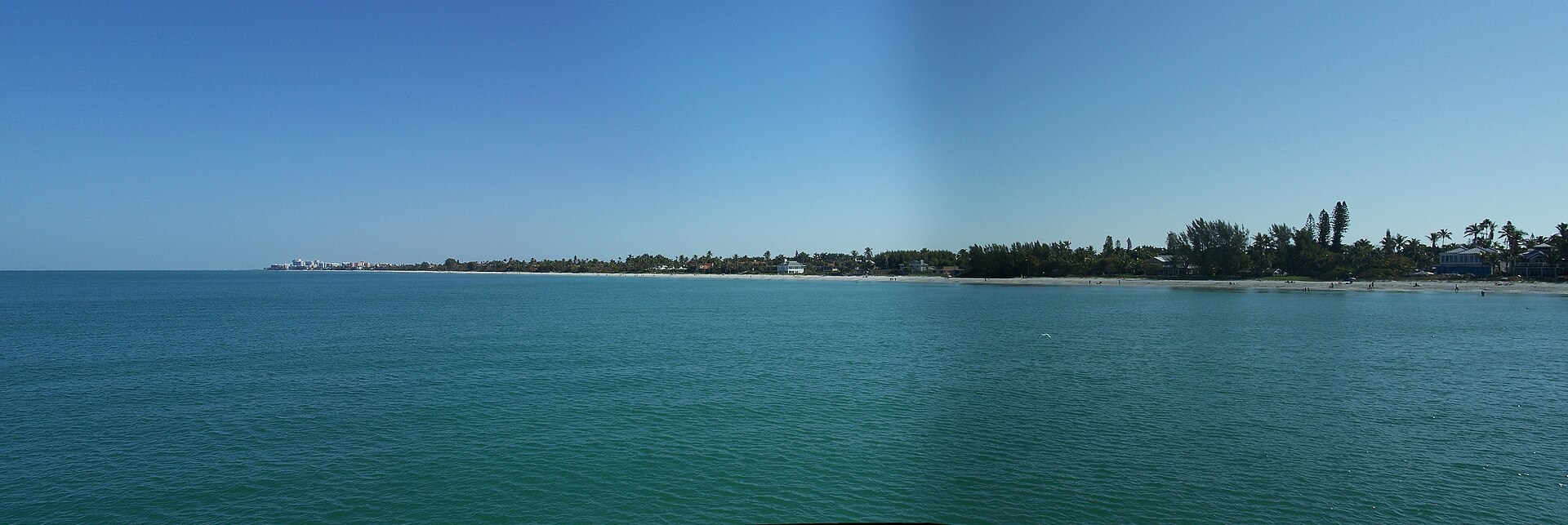
Naples Beach offers a long Gulf shoreline where small changes in depth can matter more than impressive-looking structure. Snook travel the shallows, whiting search the sand, and pompano may feed where waves disturb small crustaceans. Bait schools can also bring jacks or Spanish mackerel close enough for a cast.
The city’s famous pier should not be the foundation of a current fishing plan. The reviewed rebuild information says construction began in January 2026. This guide does not treat the pier as an open fishing platform. Use lawful beach access outside work areas and check the city notice for the latest restrictions.
A beach session can be simple. Carry one casting rod or a modest bait outfit, walk slowly and study the water before choosing a place. Being able to move comfortably is useful when the bait or the swimming crowd shifts along the shore.
Use a public entrance with a clear return route
Naples maintains several beach access points at street ends. Each can have different parking arrangements and temporary work. The city’s reviewed access notice identifies the 12th Avenue South entrance as closed for the pier project. Do not walk into construction limits to reach a familiar fishing position.
Choose an entrance shown as available in the current city information, then read the signs when you arrive. Check parking payment, time limits and the walking route. A legal place to park is just as important as an appealing piece of shoreline.
Lowdermilk Park is another well-known beach setting, but a busy swimming beach is not automatically a suitable casting area. Ask about permitted fishing positions and keep lines well outside people using the water. Move away only through public routes, not through private hotel or residential grounds.
Give yourself time to return before your parking allowance expires. Leaving bait and hooks scattered while rushing back to the car is avoidable. A smaller kit makes both arrival and cleanup easier.
Look for snook in the shallow lane
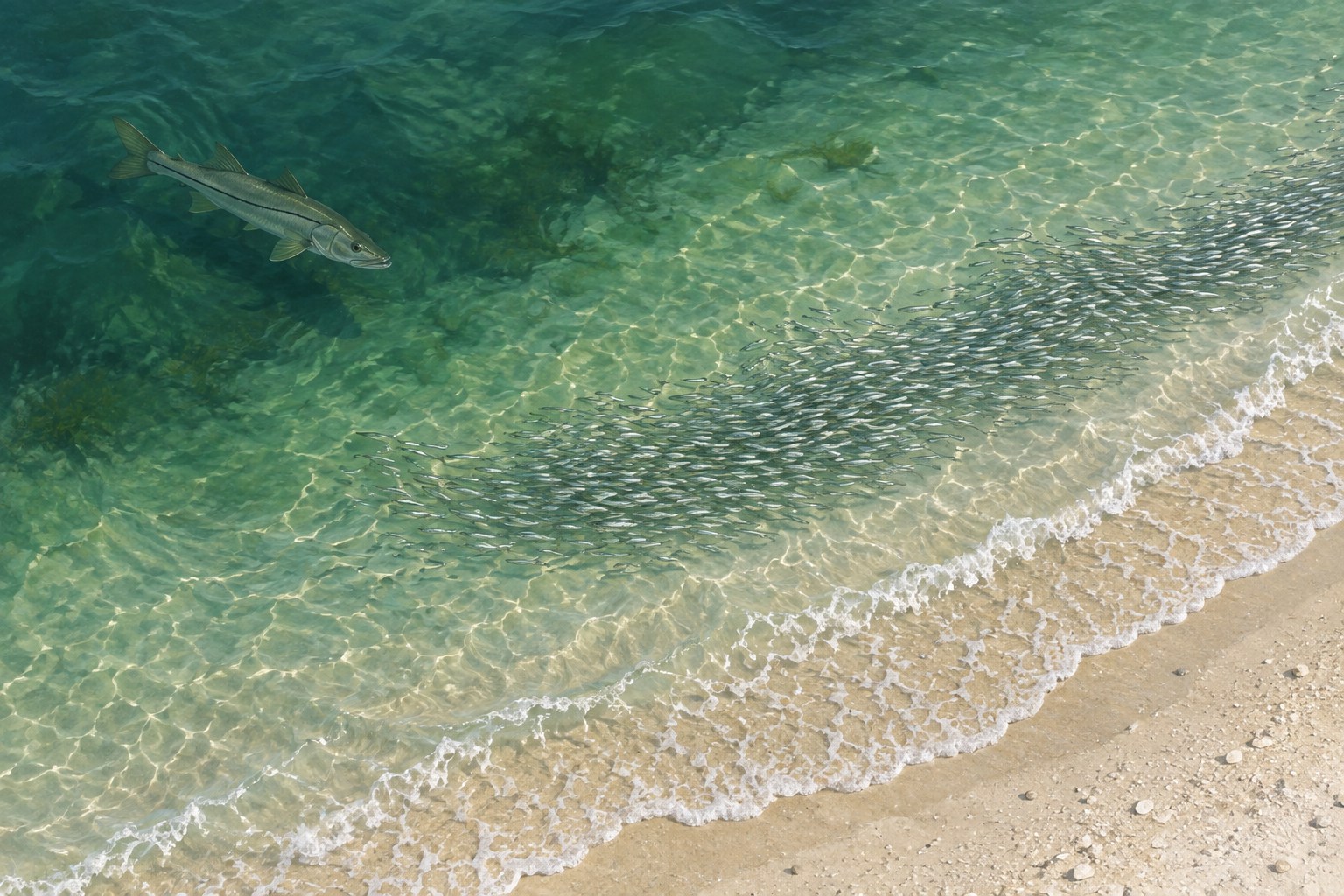
A cruising snook may be only a few feet from dry sand. Its dark side stripe can become visible for a moment as the fish passes across lighter bottom. Polarized glasses help, but patient observation matters more than constantly changing lures.
Stand back from the water where practical. Watch one stretch long enough to notice the direction fish are moving. Make a cast ahead of a fish and bring the lure across its path. Dropping a lure directly beside its head commonly sends it away.
Small paddletails, minnow-shaped lures and suitable flies can imitate beach baitfish. Choose a size close to the minnows present. A steady modest retrieve is a useful starting point; speed up or pause only when you can see how the fish responds.
Give bottom fishing a careful first test
Whiting and pompano are worth considering when the water over the sand is reasonably clean and moving. Small pieces of fresh shrimp offer a straightforward starting bait. Sand fleas can also fit a pompano approach where their collection and use are permitted.
Use a sinker that holds the rig in a useful position without making every cast a heavy effort. The aim is a controlled bait near the bottom. It is not necessary to cast farther than everyone else on the beach.
Check the hook after missed bites. If the bait is stripped, reduce its size and keep the point exposed. If the rig returns covered in weed, move to a clearer lane instead of repeatedly casting into the same drift.
Fish the near trough before trying the outer bar. A short cast also makes it easier to recognize bites and keep the line clear of passing beach users.
Choose a target that fits the conditions
| Target | What to watch | What to try | Best reason to move |
|---|---|---|---|
| Snook | Cruising shapes beside shore or minnows | Light paddletail worked along their route | Heavy foot traffic or repeated spooked fish |
| Whiting | Sand trough within an easy cast | Small shrimp bait near bottom | No bites after checking fresh bait and two distances |
| Pompano | Clean surf and a distinct sandbar edge | Small crustacean bait or compact jig | Dirty water or constant floating weed |
| Spanish mackerel | Fast surface feeding around minnows | Small spoon retrieved briskly | The bait school has moved beyond reach |
| Jack crevalle | Sudden splashes and scattering bait | Durable minnow lure or jig | Too little room to follow or land a powerful fish |
Seasonal patterns without promises
Cooler months often encourage a beach plan centered on sand-feeding fish. After a front, wait for conditions that allow comfortable, controlled fishing. Strong wind and muddy surf can outweigh an otherwise favorable season.
During spring, warming shallows and increasing bait activity can broaden the choices. Keep a small lure ready while fishing bait. A passing school may create only a brief chance.
Summer is a useful time to look for beach snook, especially early when the shoreline is quiet. Heat and storms limit the sensible length of a trip. A short dawn session can be more enjoyable than remaining through a hot, crowded afternoon.
Fall can bring concentrated bait movement. Instead of choosing a target entirely by date, look for repeated feeding signs. One isolated splash is less persuasive than minnows held in a narrow lane with predators returning to them.
Wind changes the value of each beach stretch
An onshore breeze can create enough wave action to stir food from the sand, but stronger wind makes light tackle hard to control. Offshore wind can flatten the immediate shoreline while pushing small craft away from land. Do not judge boating safety from the first few feet of calm water.
Check the Naples-area weather and tide forecast, then inspect the actual surf. Keep an eye on darkening skies inland as well as over the Gulf. Leave exposed sand before lightning becomes close.
Fresh runoff, unusual discoloration or fish distress are reasons to review water-quality notices and reconsider the outing. A fishing guide cannot replace current local beach advisories.
Make a good cast when bait appears
First decide where the school is going. Minnows pushed steadily along the shoreline give you a different opportunity from a stationary cluster circling offshore. Stand still long enough to identify the direction.
Cast beyond the outside edge only when no birds or people are in the path. Retrieve beside the school so the lure looks like a separated baitfish. Repeatedly landing in the center can scatter the bait without improving your chance.
Check the leader after a strike or missed fish. Mackerel can cut light material, while snook and jacks can roughen it. Replace damaged sections before the next cast. If the school leaves, return to a measured search rather than running through other visitors.
A useful plan for a visiting family
Begin with a short fishing period before the beach becomes busy. One person should manage baiting and hook removal. Keep spare rigs in a closed box rather than loose in a towel or cup.
Give a child a target they can reach comfortably, such as a nearshore trough. A small fish caught on manageable tackle is more rewarding than repeated failed casts with an oversized surf rod.
When the family switches to swimming, pack the fishing gear completely. Do not leave a bait soaking beside the swimming group. Rinse sandy hands before handling reels and keep the day’s catch decision separate from the excitement of catching it.
Know the fish before keeping it
Use the FWC recreational saltwater rules to check licenses, legal sizes, seasons and limits. Snook regulations are especially important because a fish being present does not mean harvest is open.
Release unwanted fish quickly with wet hands and full body support. Avoid pulling a fish through dry sand for a photograph. If you cannot land a large fish safely from your chosen position, change the target or location before hooking one.
Make the next cast answer a question
If the first bait produces nothing, decide what the next cast is testing. Move it closer to shore to test the inside trough, or a little farther to compare the bar edge. Keep the bait type the same for that comparison. If bites begin but the bait disappears without a hookup, then adjust bait size or the hook arrangement. Changing distance, bait and weight all at once makes the result harder to understand. This simple method turns an ordinary Naples beach session into useful local knowledge. It also reduces the temptation to keep walking farther when the more important change may be only a few yards offshore.
Naples Beach planning questions
Can I fish from Naples Pier now?
Do not plan on it. The reviewed city information describes a rebuild under way. Check the current project notice for any later opening.
Are snook always far from shore?
No. They may cruise the shallow beach edge. Observe that lane before wading or casting beyond it.
Can every street end be used?
Use only designated public access that is currently available. Construction, parking limits and private property can rule out an otherwise convenient entrance.
Where are the supporting records?
The Naples Beach access and photo notes list the city information used in this guide.