
NORTHEAST ATLANTIC
Ormond-by-the-Sea
fishing guide
Ormond-by-the-Sea fishing guide with Tom Renick and Highbridge access, whiting tactics, river alternatives and useful trip planning.
Explore the guide ↓A narrow strip between surf and river
Ormond-by-the-Sea offers an Atlantic beach on one side and the Halifax River nearby on the other. The ocean is the natural choice for a simple sand-and-bait outing. The river provides a separate option when you want to work an estuary edge or use a designated fishing pier.
Do not confuse the two settings when choosing equipment. A surf rod and holding sinker solve a different problem from a light lure fished beside river structure. Pick the destination first, then pack for the water you will actually reach.
Whiting are a useful beach target because they can feed close to shore. Pompano and bluefish may pass through when conditions suit them. On the river side, habitat and current help determine whether redfish, trout or other estuary fish are realistic targets.
Plan the beach entrance around Tom Renick Park
Tom Renick Park is a county oceanfront access at 1575 Ocean Shore Boulevard. It is a recognizable public starting point for this stretch of coast. Check current parking rules, beach notices and the posted facilities before unloading fishing equipment.
Use the designated dune crossing. The vegetation between the road and water helps hold the shoreline together and should not become a shortcut for a cart. If a crossing is closed, use another open public entrance.
The beach itself may be busy near the access. Walk to a clear legal fishing area while staying out of protected dunes. Keep the casting lane away from people swimming or playing in the wash.
Parking arrangements can change independently of beach access. A space that was free or available on a previous trip may have different conditions now. Read the signs at the lot rather than relying on an old visitor review.
Look close to shore for whiting
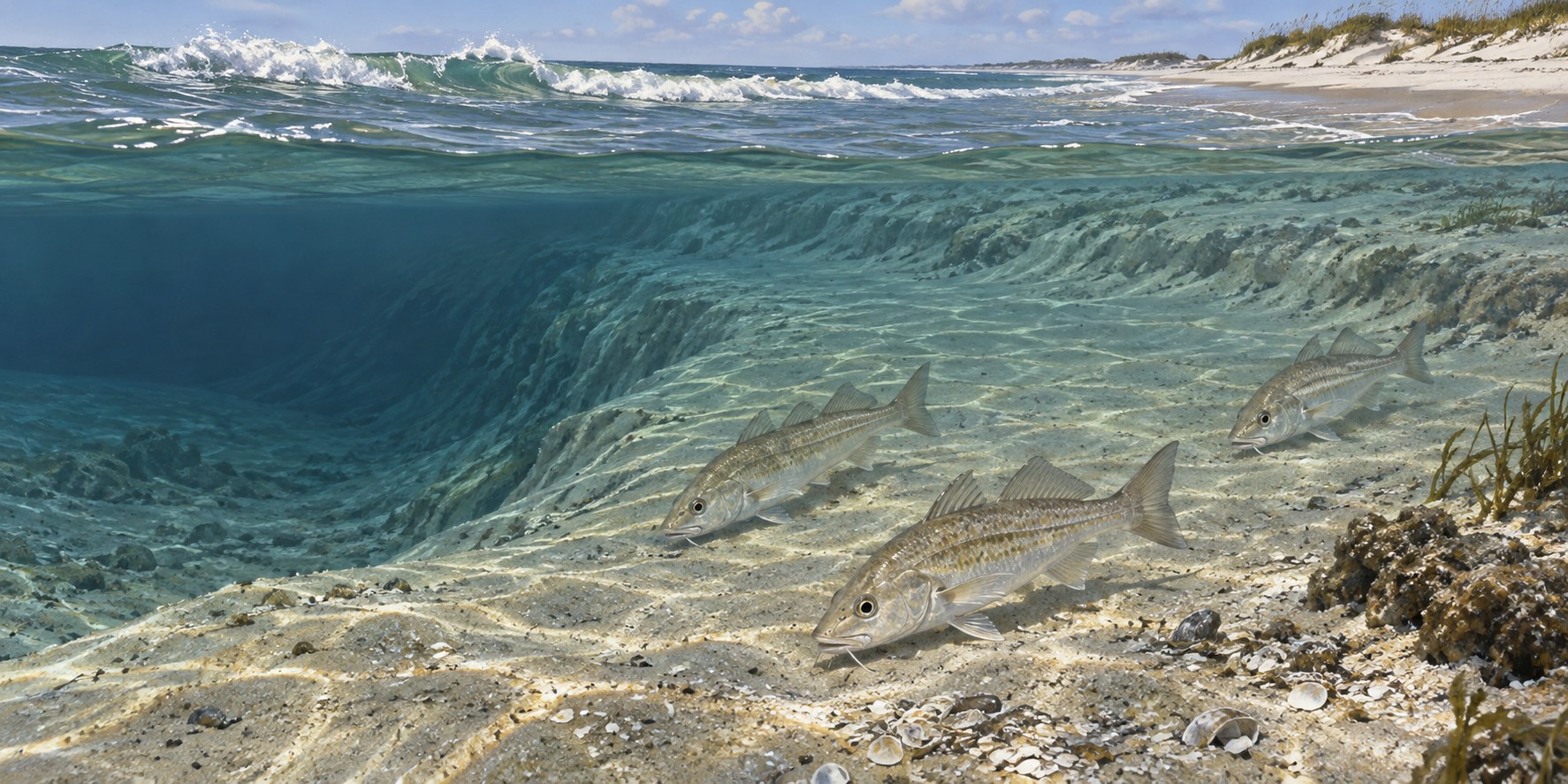
Watch where a wave breaks and where its white water begins to fade. The strip inside a bar may hold enough depth for whiting to travel and feed. Test that lane before throwing a bait as far as possible.
Use a short shrimp piece that leaves the hook point exposed. Small fish often take a compact bait more cleanly than a large soft lump. Check it after light taps, because the bait may be gone before the rod shows a strong pull.
A simple bottom rig is sufficient when it stays under control. Choose a sinker within the rod’s rating and cast smoothly. If the rig sweeps quickly down the beach, retrieve and reassess the conditions.
After a catch, note the distance and direction of the cast. Repeating the useful placement is a better first adjustment than adding more tackle. Fish can be grouped within a surprisingly narrow strip of water.
Use a small set of beach options
| What you see | What to try | What to avoid |
|---|---|---|
| Moderate waves over open sand | Small shrimp bait in the first trough | Assuming only distant water holds fish |
| Clean water and a defined sand lane | Compact pompano bait above bottom | Oversized bait covering the hook |
| Baitfish scattering near the surface | A small moving lure in a clear lane | Casting toward swimmers or resting birds |
| Heavy weed on every retrieve | A shorter trial or a different open stretch | Leaving an overloaded line unattended |
| Strong outward flow through a gap | Observe from dry sand | Wading into the current to gain distance |
The purpose is to keep the first session understandable. Change one part of the presentation at a time so you can tell what helped. A complicated rig can hide a simple problem such as missing bait.
Give pompano a clean, compact presentation
Pompano often feed on small prey associated with sandy surf. A dropper rig holding a small bait above the sand is a familiar approach. Keep the hook, bait and leader proportionate to the target.
Sand fleas can be useful where collecting them is allowed. Shrimp pieces and prepared bait provide alternatives. Carrying two choices is enough for an initial comparison without filling a tackle box with unnecessary options.
Try a different distance if the first lane is quiet. The fish may be beyond a bar, but they may also be inside it. Let the response guide the next cast rather than treating maximum distance as the goal.
If the surf becomes too rough for the outfit to hold safely, stop. An extra-heavy sinker can exceed the rod’s limit and still fail to solve the current problem.
Use Highbridge as a separate river outing
Highbridge Park is listed at 39 Highbridge Road, on the Halifax River. Official facility information describes a fishing pier, canoe access, boat ramp and restrooms, with sunrise-to-sunset hours. Confirm temporary notices before bringing a craft.
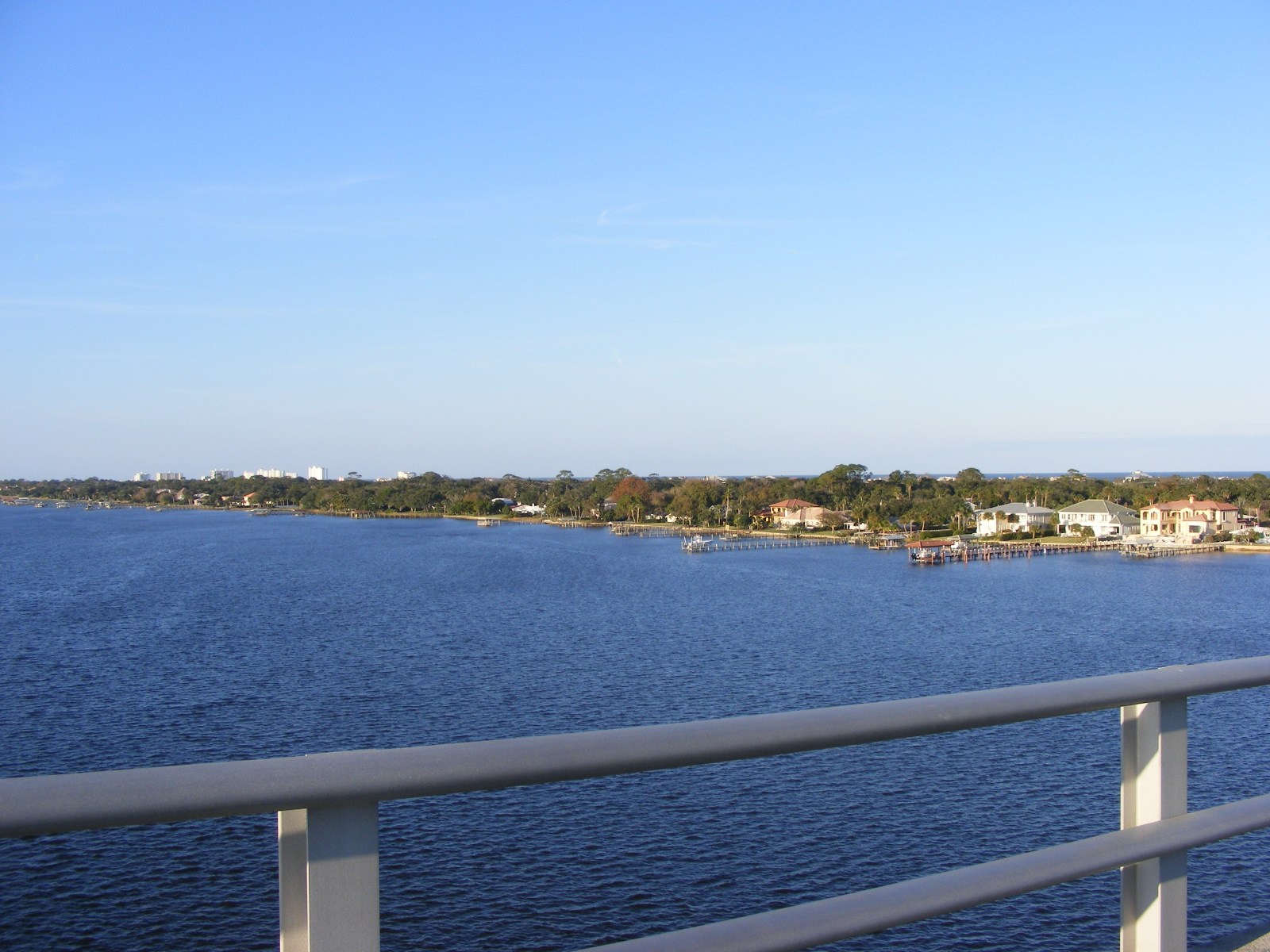
This is not an ocean pier. Expect tidal river movement, boat wakes and estuary habitat. The riverfront photograph accompanying this guide illustrates that different side of the area.
From a permitted fishing position, look for a change in flow or a shallow edge beside deeper water. Live shrimp or a light soft plastic can help explore the reachable lane. Keep the line away from launch traffic.
A kayak route requires its own weather and return plan. Do not move to the river simply because the ocean is rough and assume all small-craft conditions are safe. Wind can still cross the open water with force.
Let the current carry the bait a useful distance
At a river edge, a controlled drift can place shrimp naturally in front of feeding fish. Start with a short lane that remains visible and clear of other users. Retrieve before the bait reaches a piling, boat route or obstruction.
For a lure, work across the seam between faster and slower water. A small swimming plastic can remain above the bottom while covering that boundary. If it hits debris repeatedly, alter the depth before changing color.
Redfish may use shallower margins, while trout often take prey in more open water nearby. Flounder can sit closer to sand beside a current break. These are habitat clues, not guaranteed positions.
Use the Ormond Beach river-fishing guide for more detail on the Granada Bridge parks farther south.
Match the outing to a comfortable window
Spring and fall can bring pleasant temperatures and changing bait movement along the coast. Winter fronts may create rough stretches followed by calmer periods. Summer often rewards a shorter morning outing before heat and storms build.
Neither an incoming tide nor a falling tide is universally best. The beach shape determines where water remains deep enough to fish, while the river’s current changes the drift. Watch both rather than following a fixed rule.
Check wind, tide and weather information before choosing between the ocean and river. Recheck conditions on arrival and be prepared to leave without fishing if the setting is unsuitable.
Keep an easy exit available. A long walk down the beach may be pleasant at the start but difficult with wet gear and a storm approaching.
Keep the kit and the release routine simple
Bring pliers, spare leader, a ruler and a small container for discarded hooks. Keep those items in the same place so you can find them quickly. Sand and loose tackle are an unhelpful combination around bare feet.
Wet your hands before handling a fish that will be released. Support its weight and avoid prolonged time out of water. A quick photograph should never require leaving the fish while searching through a bag.
Confirm the applicable license and harvest rules with FWC’s saltwater fishing information. Access to a county park is separate from permission to retain a particular fish.
Before leaving, check the area around the rod holder or pier position. Remove bait packaging, clipped line and anything sharp. The next visitor may be a child exploring the sand.
Keep a brief record of the shoreline
After the session, describe the trough in words rather than saving only a map pin. Note whether the bites came inside the first bar, close to a low section or at a longer distance. Add the approximate water stage and wind direction. That record helps explain why the spot worked without pretending the sand will remain fixed.
For the river alternative, note the direction the bait drifted relative to the pier. A useful return plan combines those observations with a fresh access and weather check. It does not assume that the same rig will behave identically on a different day.
Put the plan into practice
Prepare shrimp in small portions and leave the remainder chilled. Soft bait warmed on the sand often tears during casting, so a missing bait does not always mean a fish stole it.
Ormond-by-the-Sea fishing questions
Is Tom Renick Park on the river?
No. It provides Atlantic beach access. Highbridge Park is the separate Halifax River option described here.
What is a sensible first beach target?
Whiting are worth trying with a small shrimp bait in a sandy trough. Start near shore and adjust the distance according to the response.
Can I launch a kayak at Highbridge?
Official information lists canoe access and a ramp. Check current conditions and the exact launch arrangement before arriving with equipment.
Does rough surf mean the river is safe?
Not necessarily. River wind, wakes and current need their own assessment, especially for a small craft.