
SOUTHEAST ATLANTIC
Pompano Beach
fishing guide
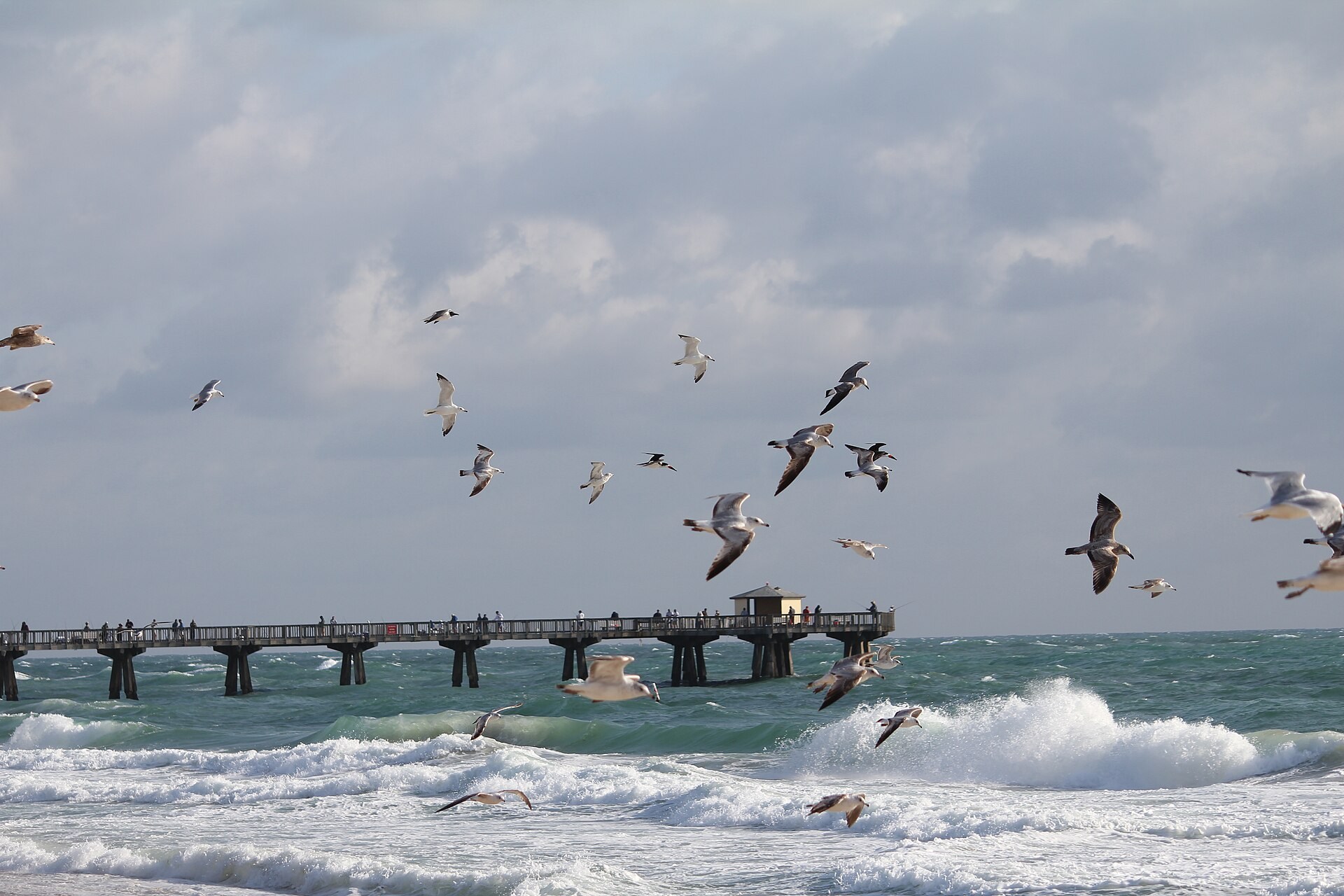
Pompano Beach's Fisher Family Pier provides a defined ocean fishing facility with clear admission and tackle rules. Build the first visit around an orderly rail setup, then change methods only when current or moving bait gives a reason.
Explore the guide ↓Start with the pier's current operating rules
The city lists Fisher Family Pier fishing access from 7 a.m. to 10 p.m. and a daily fishing admission. Verify the current schedule, counter price and any weather notice before arriving. Parking remains a separate arrangement.
The reviewed pier information allows up to three rods per angler and states that its fishing license covers the pier activity. Confirm that arrangement at admission rather than transferring it to another shore or boat destination. A covered pier visit does not provide a personal license for other water.
Shark fishing and netting are prohibited, along with unsafe rail climbing and other listed conduct. Shoes are required. Read the complete current facility rules before choosing equipment or a target method.
The city lists bait and rental options, which can simplify a first outing. Check availability and ask how the supplied setup should be used. Do not treat a rental package as a promise of a particular catch.
Choose a manageable lane rather than the busiest corner
Watch the line angles of nearby anglers and the direction of floating material. Current and wind can pull a rig beneath the pier or across another line. A clear position is a useful first advantage.
Use one rod while learning the lane even though the maximum allows more. Additional unattended tackle can make it harder to react to a snag or passing school. Keep unused hooks packed and the public passage open.
Check the space behind the rod before casting. A sinker swinging near a walking visitor must be controlled before it leaves the rail. Follow staff directions about how and where casts should be made.
Do not climb or lean outside the railing to improve an angle. Safe standing space is part of selecting the presentation.
Test a clean bottom offering
A small shrimp piece or compact baitfish offering can attract mixed coastal feeders. Keep the point exposed and the leader short enough to manage beside structure. Large bait bundles can be stripped without producing a useful hook-up.
Use enough weight to follow the rig under the actual current. If it swings into a piling, change angle or position rather than merely pinning it with a heavier sinker. Inspect leader wear after contact.
Mangrove snapper may use suitable structural margins. Place bait in recoverable open water beside cover. Watch short bites closely and guide a hooked fish outward with steady pressure.
Identify every retained fish before it goes into a cooler. A mixed pier catch can include species with different size, season and possession requirements.
Be ready for small bait passing the pier
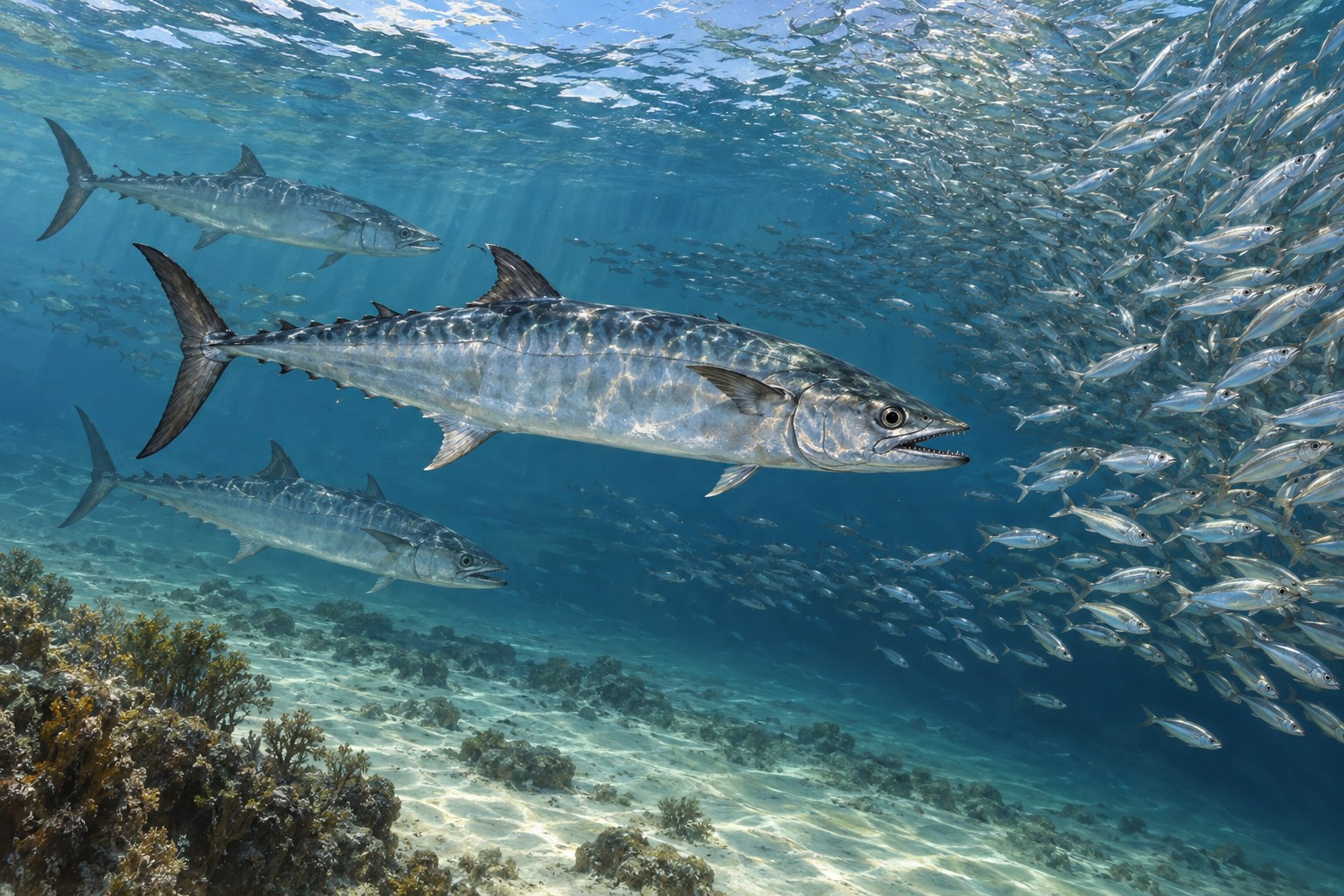
Pompano ocean bait movement can draw Spanish mackerel, bluefish or traveling jacks. Look for prey scattering or repeated feeding movement before switching. One distant splash is not a dependable signal to abandon the original method.
A compact jig or metal lure can cover a clear lane efficiently. Cast along the school edge without crossing neighboring lines. Keep hooks away from birds that are feeding on the same prey.
Toothy fish require a checked leader and pliers. Inspect damage after a strike and avoid gripping an unfamiliar catch near its mouth. A powerful jack also needs a sensible drag and enough room to guide it.
The habitat illustration explains a baitfish school near ocean structure. It is not a guarantee that the same school, depth or species will be beside the pier on the visit.
Prepare a legal landing and release method
A pier's height can make larger fish difficult to handle responsibly. Ask staff about permitted equipment and choose a method that allows safe support. Lifting a large catch by its leader can injure the fish and break the line.
Snook may use suitable cover and prey routes, but a structural presentation requires control and a release plan. Keep the lure or bait beside open water rather than directing it behind pilings. Avoid gear that repeatedly leaves tackle in the structure.
The shark-fishing prohibition should be considered when selecting bait and tackle, not only after a bite. Do not create a deliberate shark-targeting setup at the facility. Follow staff instructions for any unexpected protected or difficult catch.
Prepare the phone, pliers and measuring tool in advance. A release fish should not wait on deck while equipment is being found.
Keep pier permission specific to the facility
The pier's license coverage and maximum rod allowance are useful conveniences. They do not remove other facility limits or extend to all of Pompano Beach.
| Facility detail | Reviewed arrangement | Practical meaning |
|---|---|---|
| Fishing schedule | 7 a.m. to 10 p.m. | Check temporary operating changes |
| Rod allowance | Up to three per person | Use only what can be watched safely |
| Pier fishing license | Facility says pier activity is covered | Confirm at admission; other destinations differ |
| Target and gear limits | No shark fishing or netting | Choose a permitted method before setup |
Check surf fishing separately from a pier visit
The ocean beach beside the pier has swimming and recreation uses. A pier admission does not authorize casting from every part of the sand. Confirm local beach timing and spatial rules before substituting a surf session.
Surf fishing uses troughs and wave control, while the pier uses rail height and structural current. Retie the method for the chosen setting. A rig that is easy to lower from the pier may be difficult to cast cleanly through surf.
Nearby Hillsboro Inlet locations also have separate managing authorities and access questions. Do not assume a scenic lighthouse or inlet view provides a public fishing station.
Pack for an exposed rail and changing conditions
Bring drinking water and sun protection even when the breeze feels cool. Keep a dry place for valuables and avoid spreading coolers across the walkway. A compact bag makes changing rail position less disruptive.
Watch wind, lightning and the facility's weather directions during the session. Line control may deteriorate before a storm arrives. Leave early when the exposed setting or staff instruction requires it.
Use tide and seasonal information as planning clues, then watch the local current and bait. A manageable feeding lane is more useful than a rigid claim that the same tide always produces fish.
Leave the pier ready for the next angler
Verify current FWC species harvest rules even when the facility covers the fishing license. Release unwanted catches promptly with approved safe handling. Keep the catch decision separate from the excitement of a busy bite.
Collect leader offcuts, wrappers and loose hooks before leaving. Follow the facility's restrictions on packaging and waste. Record the cleanest presentation and actual rail conditions for a more informed return trip.
Common questions
Do I need a separate license just for this pier session?
The reviewed city information states that the pier's fishing license covers its fishing activity. Confirm at admission, and do not apply that coverage to other beaches or boats.
How many rods does the pier allow?
The reviewed limit is three per person. A beginner should use only the number that can be monitored safely.
Can I target sharks or use a net?
The facility prohibits shark fishing and netting. Read the full current rules before choosing a method.
Does pier admission also allow surf casting on the adjacent beach?
No. The beach has separate swimming and activity rules. Confirm that permission before making a surf plan.
Prepare for your visit
Check local tides and weather. Read more about snook, florida pompano, mangrove snapper. Check current FWC saltwater fishing rules.