
TAMPA BAY / SUNCOAST
Dunedin
fishing guide
Find the edge between shallow grass and deeper water. Plan around shared causeway space, current launch rules and available services.
Explore the guide ↓CAUSEWAY EDGES AND ST. JOSEPH SOUND
A small change in depth can be the whole fishing spot
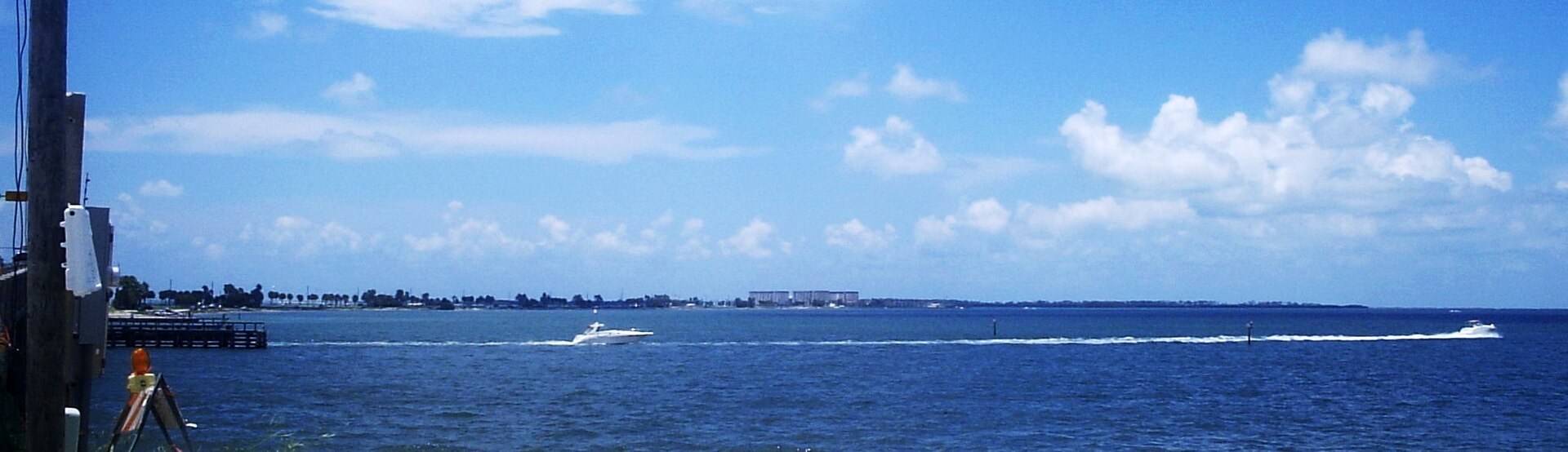
Dunedin’s coast faces St. Joseph Sound, with the causeway leading toward Honeymoon Island. Shallow grass, sandy areas and deeper channels sit close together. That variety makes the area interesting, but it also means that a few steps along the shore can change the presentation you need.
The causeway is a shared recreation space. Paddlers, beach visitors, walkers and anglers all use it. A successful fishing plan starts with room to cast safely and a clear understanding of where you may launch.
You do not need a distant island trip to learn the local water. Start with an accessible edge and watch how current moves past it.
Current causeway access needs a careful read
The city lists Dunedin Causeway at 61 Causeway Boulevard. Its normal recreation hours are 5 a.m. to 11 p.m. The city’s current page marks the amenities, concessions and sailboat/kayak rental area temporarily closed. That notice is not a statement that the entire causeway is closed.
Confirm current service and access arrangements before arriving without your own equipment. Also check launch rules: the city’s 2026 ordinance prohibits motorized vessel launching from the south side of the causeway.
Use the area designated for your activity. A rule affecting motorized launching does not automatically describe every paddlecraft option, so read the posted guidance rather than guessing.
Other Dunedin waterfront choices
The city also identifies a fishing pier at its marina. Verify current access and keep marina operations clear. Honeymoon Island is a separate state park trip with its own entry and fishing arrangements. Do not treat the causeway and park as one unrestricted shoreline.
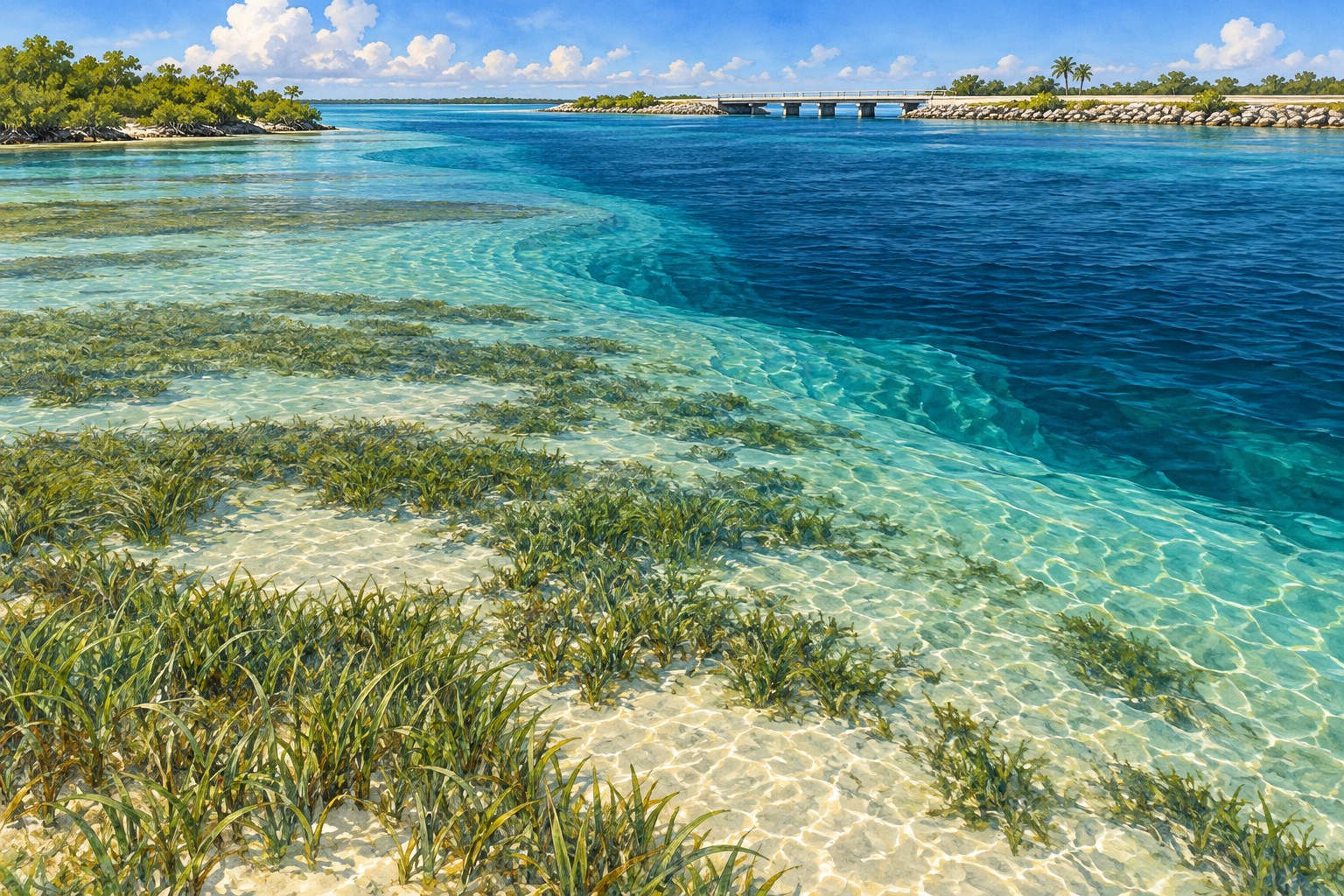
Find the boundary between flat and channel
A pale shallow area may drop toward darker water near a bridge opening or channel. Fish can use the outside edge to find food carried past. You can often work that edge without placing a bait in the strongest flow.
Watch the direction of current before casting. Choose an angle that keeps the rig within allowed fishing space. Avoid letting a line stretch into a navigation route or drift beneath a bridge where you cannot control it.
What to target around the sound
| Fish | Useful feature | Starting presentation |
|---|---|---|
| Spotted seatrout | Grass beside sandy pockets | A light paddletail swimming above the grass |
| Redfish | Shallow feeding edges and permitted shoreline cover | A shrimp or weed-resistant soft plastic |
| Snook | Cover near moving water | A small baitfish imitation along the edge |
| Sheepshead | Hard structure reachable from allowed space | A small crustacean bait close to cover |
| Flounder | Sand near a depth change | A slow, low retrieve with a small jig |
A busy public shoreline may limit which methods are sensible. Choose a target you can fish for without casting over other visitors or occupying a launch lane.
A shrimp rig that adapts to the bottom
Over shallow grass, suspend the shrimp beneath a float. Begin with a short enough setting to clear the vegetation. Watch whether the float travels naturally or keeps stopping in one place.
Near a deeper, open edge, a lightly weighted bait can provide better contact. Use enough weight to feel the presentation without pinning it unnecessarily. A bait that sweeps beneath rough structure may need a new angle rather than a heavier sinker.
Check the shrimp after a few drifts. Small fish can remove it without moving the float much. Keep spare bait cool and avoid leaving the container in direct sun.
Use a compact hook appropriate to the bait and target. Oversized tackle can make a simple inshore presentation clumsy, especially in clear, shallow water.
Make lure changes for a reason
Start with a small soft plastic and a light head. Keep the retrieve steady enough to learn its running depth. If it collects grass, adjust weight or height before changing color.
When fish follow without striking, try a shorter pause or a smaller lure. If the lure never reaches the useful depth, slow down or add only the weight needed. Each change should solve something you observed.
For visible bait-chasing fish in open water, a compact metal lure may suit the moment. Keep the cast clear of birds and people. Do not swing a lure behind you on a crowded causeway without checking first.
Keep a first paddle close
Choose a legal launch and a route you can reverse comfortably. Wear a life jacket and keep essential items secured. A short fishing drift can carry you farther than expected while you are focused on the rod.
Do not assume a nearby island makes an easy crossing. Wind, boat traffic and deeper channels may lie between you and it. Learn the sound from a modest route before adding distance.
Protect the grass by staying afloat over adequate depth. Do not drag a loaded kayak across vegetation simply to reach a deeper patch. Wait for a suitable water level or choose another allowed route.
Choose a fishing window with room for other users
Spring warming can make the sound’s edges worth exploring. Look for bait and suitable water rather than relying on a fixed seasonal schedule. A front may alter both comfort and the bite.
Summer favors early sessions before heat and recreation traffic increase. Watch the sky continuously. A causeway and an open kayak provide little protection when lightning approaches.
Fall can offer pleasant conditions for short shoreline searches. Try several nearby features while maintaining safe space around others. Do not let a brief feeding burst pull you into a swimming zone.
Winter can make wind-driven low water the deciding issue. Check the local tide and weather outlook and inspect actual depth before launching. A sheltered land-based session may fit better than a paddle.
Keep the shared waterfront easy to use
Place spare rods and tackle out of the walking route. Bring a closed container for hooks and clipped line. Reel in when someone needs to pass through your fishing space.
Use a net to land fish from a higher edge and support their bodies for release. Check current fishing requirements with the Florida Fish and Wildlife Conservation Commission. Confirm separate local access rules at the place you choose.
Use a short drift to test the current
Before making a long cast, place a bait in nearby permitted water and watch its path. You can learn whether it moves toward structure, across a shallow patch or into a safe open lane.
If the drift immediately creates a problem, change position before adding more line. A long cast does not solve a poor current angle. It can make the bait harder to retrieve and increase the space it occupies around other users.
Keep the rod in hand while learning the drift. Notice changes in tension and whether the bait touches bottom. A float can make the path easier to follow, provided its depth setting keeps the hook clear.
Once you have a useful route, repeat it several times. Then change bait depth or retrieve speed deliberately. Controlled comparisons teach more than a different rig on every cast.
Separate the causeway rules from the fishing method
The city’s causeway guidance distinguishes motorized craft from kayaks and paddleboards. Non-motorized craft may use permitted areas on the south side, subject to current access. The north-side vessel-launch closure remains in effect. Do not interpret the motorized restriction as permission to launch anywhere else.
The city also describes ongoing storm-related repair work with a planned completion in December 2026. That is a project target, not a guarantee that a particular section or service is available today. Follow current barriers and notices.
Choose a legal launch first, then decide where to fish. Reversing those steps can leave you trying to reach a promising area from the wrong side of a closure. A longer walk is not a reason to ignore a boundary.
Know when a shore plan is better
If rentals are unavailable or wind makes paddling unattractive, consider a permitted shore session. Keep the target close enough to reach with controlled tackle. Do not turn the change of plan into an improvised crossing toward the islands.
For families, a shorter fishing period near a confirmed facility may be easier than a full causeway exploration. Bring shade protection and drinking water, especially when concessions cannot be assumed.
When a fishing area fills with other visitors, reel in before their movement intersects your line. A shared shoreline changes throughout the day. The safe space you had at sunrise may no longer exist by midmorning.
Take used hooks and line home in a closed container. Wind can lift loose packaging or clipped leader from a tackle tray before you notice it.
Dunedin fishing questions
Is all of Dunedin Causeway closed?
The current city notice concerns the amenities, concessions and rental area. Read the specific notice and signs rather than assuming a whole-causeway closure.
Can I launch a motorized boat from the south side?
The city’s 2026 ordinance prohibits that use. Choose an appropriate authorized boat ramp instead.
Can I count on hiring a kayak there?
Not while the listed rental area remains closed. Confirm current arrangements before planning around a rental.
What should a new angler try?
A small shrimp presentation or light soft plastic at a safely reachable depth change is a practical start. Keep the method simple enough to control around other visitors.