
TAMPA BAY / SUNCOAST
Caspersen Beach
fishing guide
Explore sand, limestone and nearby deeper water, with a walking-access plan that accounts for the closed vehicle facilities.
Explore the guide ↓A rocky beach that rewards a lighter load
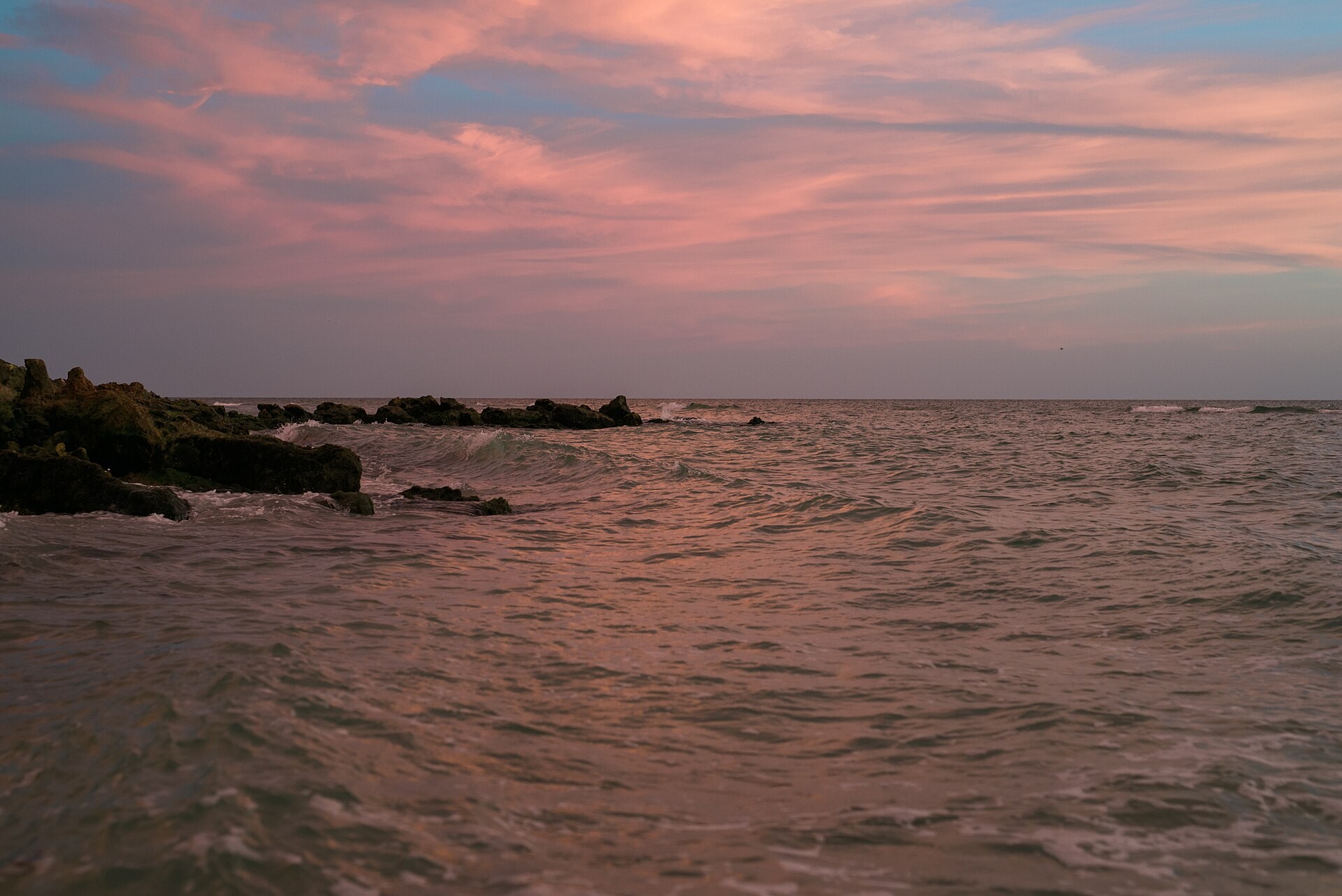
Caspersen Beach is known for shell, dark sand and fossil shark teeth. For anglers, its useful feature is the mixture of sand and natural rock close to shore. Food gathers around those changes in bottom. The challenge is placing a bait beside the rough ground without losing every rig in it.
This is a walking trip at present. Sarasota County reports that the Harbor Drive washout has closed vehicle access, parking, restrooms and the playground. Pedestrians and bicycles can reach the area from South Brohard Park or the Venetian Waterway Park Trail near the City of Venice Festival Grounds. Check that notice before setting out, since restoration can change the route.
Leave the heavy beach cart at home unless you have confirmed that the entire approach suits it. One rod, a small bait container and enough drinking water make far more sense than a full pier setup. The return walk can feel much longer after standing in the sun.
Plan the approach before the fishing
The county lists Caspersen Beach at 4100 Harbor Drive South. That address identifies the park, but it is not proof that a car can currently reach the parking lot. Navigation apps may still route visitors toward the damaged road. Use the current pedestrian access information instead of driving around a closure.
Decide where you will legally park, how far you will walk and when you will turn back. Carry water for both directions. With restrooms closed, choose a different outing if your group needs nearby facilities. An attractive stretch of coast is not automatically a convenient family base.
Stay on established paths and do not cross dunes to shorten the walk. Once on the beach, avoid swimmers, shell collectors and anyone kneeling near the wash. Small hooks are hard to see in dark sand, so keep tackle contained and check the ground before leaving.
Fish the sand beside the rock
From a dry, stable position, watch where waves reveal rock and where they wash smoothly over sand. The border between those surfaces is a useful place to begin. Small fish and crustaceans use rough ground for shelter. Larger fish can patrol the cleaner edge without pushing into every crevice.
A sinker dropped directly into broken rock can lodge firmly. Start with a short cast onto visible sand. If you need to reach past a rough patch, use a presentation that stays above it and retrieve before the lure settles into the bottom.
Do not wade onto submerged rock to improve the angle. Algae, surge and uneven footing make that a poor trade. The beach changes with storms and sand movement, so even a familiar patch may not offer the same footing or snag pattern on the next visit.

Useful targets along the Caspersen shore
| Target fish | Likely feeding area | Practical offering |
|---|---|---|
| Whiting | Soft sand in the inner wash | A small shrimp piece held near bottom |
| Pompano | Clean troughs and sandy openings | Sand fleas or a small bright jig |
| Snook | Shallow beach travel lanes in warm conditions | A slender paddletail worked along the shoreline |
| Sheepshead | Hard bottom and rock edges | A compact shrimp bait close to cover |
| Spanish mackerel | Moving bait schools in open water | A fast, small spoon kept above the rocks |
| Ladyfish | Active schools along a trough | A light jig or shrimp drifted through the school |
These fish do not occupy every section at once. If a patch produces only snagged tackle, move toward cleaner bottom. If small baitfish suddenly scatter, have a lure ready to cover that water without changing the whole outfit.
Three presentations worth learning
A close shrimp rig
Use a small hook and enough weight to keep a shrimp piece in the first sandy lane. A compact bait is easier for whiting to take than a large loose clump. Keep light contact with the sinker and reel in before it rolls into exposed rock.
A lure above the bottom
A light paddletail lets you cover the space over uneven ground. Begin retrieving before it reaches the rocks, and adjust speed to keep it swimming. If it constantly strikes bottom, reduce the jig weight or choose a shallower route through the water.
A quiet beach cast for snook
Walk slowly and look into the shallow water ahead. Cast beyond the fish’s path and bring the lure across its direction of travel. Keep your shadow and footsteps back from the edge where possible. A fish that has already been startled is a poor target for repeated casts.
When a Caspersen trip makes sense
A calm morning gives the best chance to see the rock and sand clearly. The walk is also more comfortable before the day becomes hot. Check the allowed access hours rather than assuming every approach is available before dawn.
Cooler weather often favors a patient surf approach for whiting and pompano. Winter fronts can stir up enough sediment and surf to make the rocky sections unsuitable. Let the sea settle and reassess from shore. Sunshine alone does not remove the leftover swell.
Warm months shift attention toward snook in the beach shallows and bait schools moving along the coast. Late-day thunderstorms can arrive during the walk back. Start with a firm return time and shorten the fishing period if clouds build inland or thunder becomes audible.
In autumn, watch for changes in bait size and water color. A small lure that matched summer minnows may be less useful beside a school of larger baitfish. Match the visible food before adding more tackle to the bag.
Tide height changes what you can reach
Lower water exposes more of the bottom and can help you study the layout from dry land. It can also leave a shallow, snag-filled strip between you and the fish. Rising water covers some of those features, but the rocks do not disappear simply because you cannot see them.
A little wave action can move food across sand. Strong surge around rock is another matter. If waves force you to step back repeatedly or make a safe landing difficult, leave that section. Do not try to hold a position just because a bait has already been cast.
Review the coastal forecast and tide choices, then choose a route that remains practical at the higher water level expected during your walk home. Leave a wide margin around any narrowing beach or active repair area.
What belongs in the walking bag
Bring a medium spinning outfit with a leader you can replace after abrasion. Carry a few hooks, light jig heads, one spoon and a small amount of fresh bait. A handful of well-chosen items is easier to manage than a tackle box opened on a windy beach.
Add sturdy footwear for the approach, sun protection and a charged phone kept dry. Polarized glasses help separate dark rock from deeper water. They do not reveal every hazard, so use them to choose casts rather than to justify stepping farther out.
Take a small rubbish bag for line ends and used bait packets. A simple dehooking tool reduces the need to handle a fish in the sand. If keeping a lawful catch is part of the plan, account for the extra weight and cooling needed on the return trip.
What to do when the first spot is slow
First check the bait itself. A shrimp that has been stripped or buried cannot catch much. Next change the distance by a few yards to test the next sand lane. Only then consider switching targets or walking farther.
If every cast snags, stop using that bottom route. If the water is full of drifting grass, search for a cleaner pocket within your planned walking distance. Do not turn a short trip into an unplanned long hike while chasing conditions that are deteriorating everywhere.
Shell collectors can reveal where waves concentrate material, but avoid casting beside them. The same beach can support both activities when anglers leave enough space and retrieve lines before people approach the water.
Protect the fish and the shoreline
Use the FWC recreational fishing guide to check licenses, identification and current harvest restrictions. A shore-caught snook has the same handling needs as one caught from a boat. Support it properly and release it promptly when required or preferred.
Respect posted wildlife areas and keep equipment away from marked nests. Do not leave bait or unwanted fish for birds near the walking route. Review the Caspersen access notes and photo credit before making a trip that depends on the closed facilities reopening.
Caspersen questions answered
Can I drive to the beach parking lot?
The county’s reviewed notice says vehicle access and the lot remain closed after the Harbor Drive washout. Plan from the designated walking or cycling approaches unless a newer official notice confirms reopening.
Is rock always better than sand for fishing?
No. Rock attracts some feeding activity, but whiting and pompano often use clean sand. The boundary can be more useful than the roughest part.
Would a heavier sinker stop the snags?
It may make them worse by anchoring the rig in a crack. Change the casting lane or keep the lure higher instead of automatically adding weight.
Is this a good place for a large family setup?
The current walk-in access and closed restrooms make a compact outing more practical. Choose a beach with confirmed facilities if your group needs frequent breaks or easy vehicle access.