
NORTHEAST ATLANTIC
New Smyrna Beach
fishing guide
New Smyrna Beach fishing guide comparing surf, inlet and lagoon options, with public access, redfish methods, bait and paddling advice.
Explore the guide ↓Choose a beach, inlet or lagoon outing
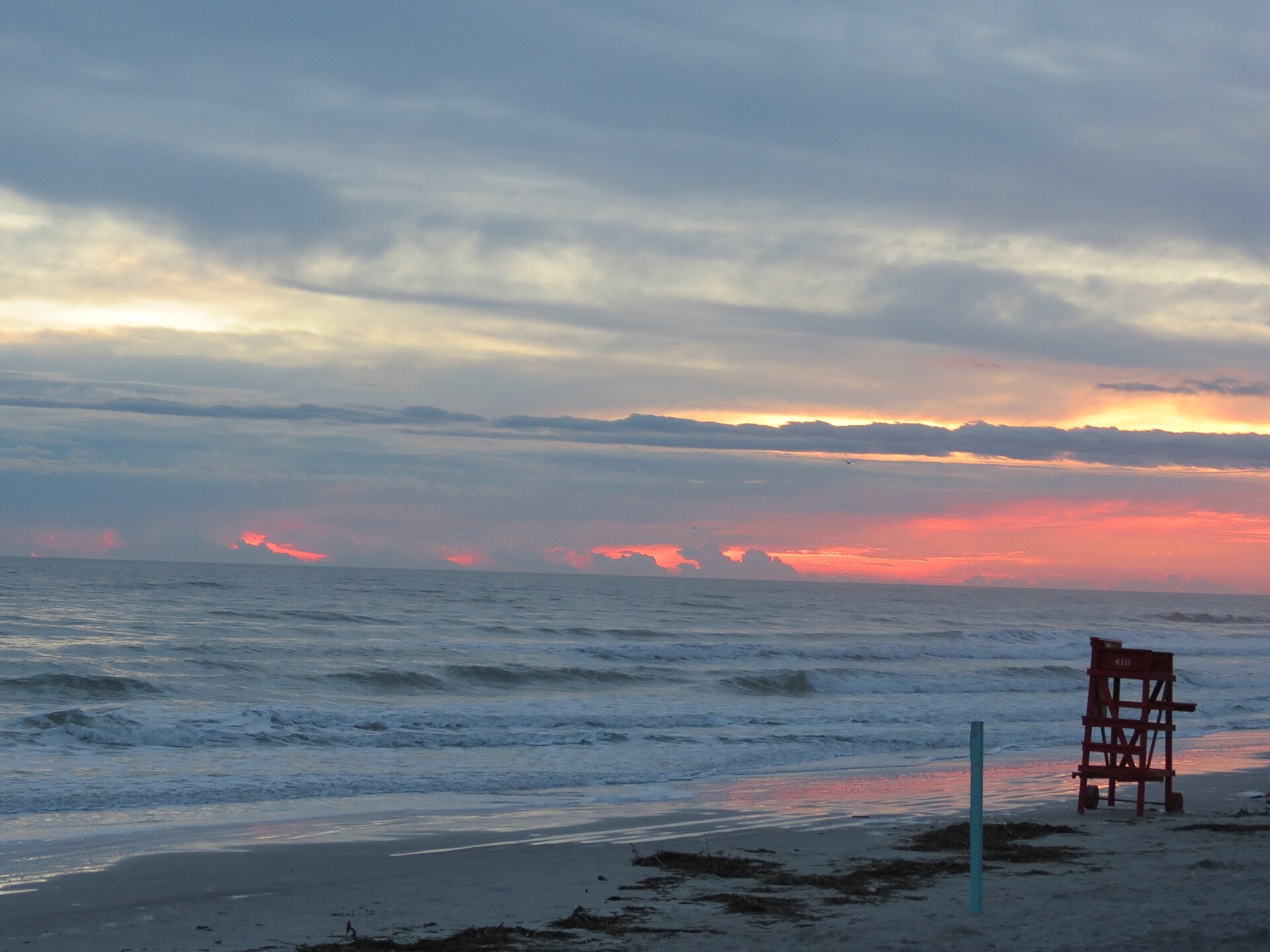
New Smyrna Beach has several distinct fishing settings within a relatively short drive. The Atlantic shore favors surf presentations. The northern end reaches Ponce Inlet, where stronger moving water and structure change the approach. The estuary and lagoon side offers shallow edges, bait and quieter-looking water that still needs careful planning.
Choose one setting for the first trip. A day spent moving between all three can become more about parking and carrying gear than fishing. The right entrance and a few well-chosen rigs are more useful than a large collection of tackle.
Whiting and pompano are reasonable surf targets. Redfish and spotted seatrout fit suitable estuary habitat, while inlet structure can attract snook and sheepshead. Those possibilities depend on the exact water you can legally reach.
Separate the public access points
Smyrna Dunes Park at the north end provides a county park setting near the inlet, including a designated fishing pier. It has its own entry and parking arrangements. Use the maintained routes and check current notices before planning around a particular facility.
Mary McLeod Bethune Beach Park lies farther south and offers ocean and lagoon-side settings. Its current access details deserve a separate check, especially for visitors who need an accessible route to the beach.
Apollo Beach in Canaveral National Seashore is another distinct destination south of the developed beachfront. It uses national seashore entrance rules and should not be confused with Apollo Beach on Tampa Bay.
For a standard town beach visit, use an open marked public crossing and follow the posted parking rules. A hotel walkway or private dock is not a substitute when the nearest public entrance is busy.
Read an estuary edge for redfish
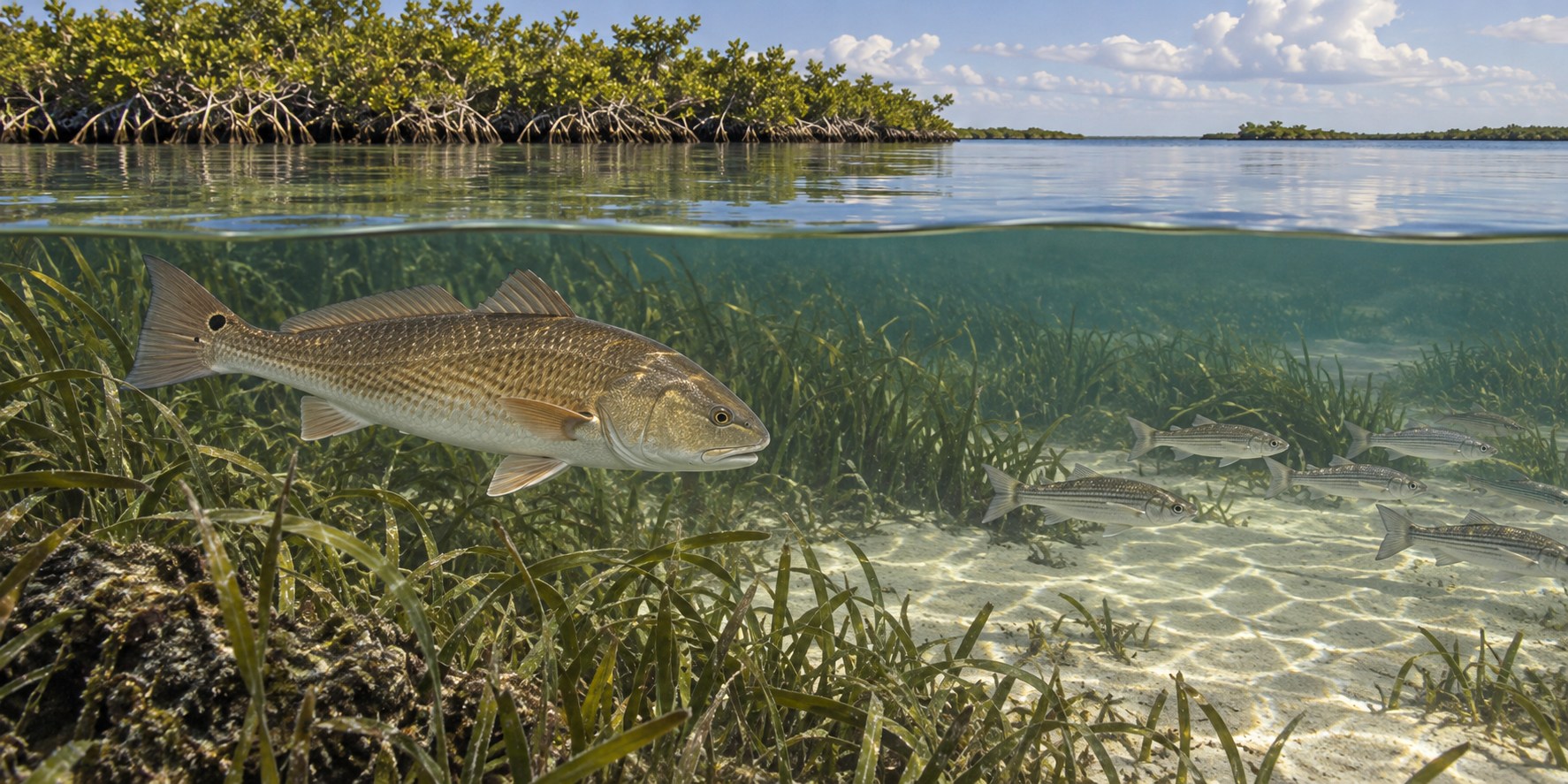
Look for a place where shallow habitat meets a usable strip of deeper water. A drain, point or break in vegetation can direct small prey past a waiting fish. Cast along the boundary instead of dropping the lure into the thickest cover.
A weedless soft plastic is useful when plants or shell make an exposed hook difficult to manage. Work it slowly enough to stay within the feeding lane. If it repeatedly catches the same obstruction, choose a different angle.
Live shrimp can be presented with a light weight or another controlled rig depending on depth. Let the bait move naturally where current allows. Avoid anchoring it heavily in a lane where everything else is drifting.
Shallow-water fish are sensitive to disturbance. From a kayak or small boat, reduce noise and keep a respectful distance from the edge. Do not drive over seagrass or force a craft into water too shallow for safe operation.
Match the place to the method
| Setting | Target to consider | First method |
|---|---|---|
| Atlantic sand trough | Whiting | Small shrimp piece on a simple bottom rig |
| Clean surf over sand | Pompano | Compact bait held slightly above bottom |
| Lagoon edge with bait | Redfish or seatrout | Light swimming lure or live shrimp |
| Reachable hard cover | Sheepshead | Small bait placed close to structure |
| Inlet current seam | Snook or passing predators | Controlled lure or bait suited to rough surroundings |
The table is a way to narrow the plan, not a promise that each fish will appear. A bank with no safe access is not a usable location, even when the habitat looks ideal on a map.
Let the surf show you where to begin
Observe several wave sets from the sand. A regular breaking line often marks a bar. The water inside it may form a trough that carries feeding fish along the beach.
Make an initial cast at moderate distance with a small shrimp bait. Whiting can feed close enough that a long cast passes beyond them. Repeat a productive lane before experimenting farther offshore.
For pompano, keep bait compact and the hook point clear. Sand fleas, where legal to collect, or small shrimp pieces can be tried on a dropper rig. Adjust distance and bait separately so you can learn which change helps.
Stay well away from swimmers and surfing activity. New Smyrna’s oceanfront is heavily used, and a fishing line may be hard to see. Reel in when people move into the lane rather than expecting them to locate the hook.
Search for trout without dragging through cover
Spotted seatrout may feed in open water beside shallow habitat. A small swimming lure lets you cover a strip of water at a controlled depth. Start above the bottom and lower the presentation gradually if needed.
A shrimp suspended under a float can stay visible above plants or rough ground. Set the depth for the particular lane. A bait dragging through cover is unlikely to drift naturally for long.
Watch for small prey rather than only large splashes. A subtle gathering of bait along a current edge can be enough to justify several careful casts. If nothing is moving, explore another reachable edge before cycling through many lure colors.
Keep handling gentle when releasing trout. Support the body, use wet hands and avoid gripping tightly around the belly.
Approach the inlet as a more demanding option
Ponce Inlet brings strong movement and navigation traffic. Use designated fishing areas and maintained walking surfaces. Do not climb onto wet rock or wade toward the channel for a longer cast.
Fish the seam you can control rather than the fastest current you can reach. A bait swept across several other lines creates problems quickly. Recast before it drifts into a piling or vessel route.
Plan how a catch will be landed from the actual platform. A suitable net and clear handling area matter more than an extra rod. Large fish should not be hauled up by a line from an unsuitable height.
The Smyrna Dunes Park guide explains the south-side public setting in more detail. Keep its rules separate from the north-side park across the inlet.
Keep a first lagoon route short
A calm launch can hide a windy return. Before paddling, consider the direction of the breeze across open water and how tidal movement may change during the outing. Choose a route with recognizable landmarks and an early turnaround point.
Wear a life jacket and carry communication equipment that remains accessible. Store hooks securely and keep the deck uncluttered. When a wake approaches, control the craft before continuing to fish.
Give manatees, dolphins and birds space. Do not chase feeding wildlife to reach the bait it may be following. Slow careful travel also helps protect shallow habitat.
Use only authorized launches. An inviting gap in mangroves or marsh plants is not a public path, and soft mud is not a dependable place to step out.
Build the day around actual conditions
Warmer months can favor an early, short outing before heat and thunderstorms build. Cooler periods may offer comfortable fishing, but a passing front can change the wind and water quickly.
On the beach, tide changes the depth of the trough and the width of dry sand. In the estuary, it changes the movement around edges and drains. The same tide stage can affect those two settings differently.
Check local tides and the weather window before choosing the entrance. On arrival, let visible conditions decide whether the planned method still makes sense.
Have a backup that does not depend on forcing a difficult situation. A shorter park visit is a better result than fishing through lightning, crowded swimming water or uncontrolled current.
Keep the harvest decision separate from the bite
Carry a ruler and identify the catch before deciding what to keep. Consult FWC’s recreational saltwater requirements for the current license, season and size rules. Different species have different restrictions.
Prepare pliers and a landing tool before fishing. Release unwanted catches promptly with body support and minimal time out of water. Keep legal retained fish properly chilled.
Take every piece of clipped line with you. A busy coastal area shares space with wildlife and many visitors, so leaving hooks or bait packaging has consequences beyond the fishing session.
After the trip, record the habitat, current and presentation that produced attention. A useful note such as “shrimp above the grass edge” teaches more than a vague claim that the whole town was fishing well.
Name the habitat in your trip notes
Record whether the day’s useful water was ocean trough, inlet seam or lagoon edge. A report labeled only New Smyrna Beach hides that important distinction. Add the presentation depth and the kind of access used so the next visit begins with a clearer plan.
New Smyrna Beach fishing questions
Which setting is simplest to start with?
An uncrowded sandy beach in manageable surf offers a straightforward small-bait session. A designated pier is another option when current access and a safe landing method are confirmed.
Is Apollo Beach here the Tampa Bay location?
No. The nearby Apollo Beach is the northern entrance area of Canaveral National Seashore, south of New Smyrna Beach.
Can one rig cover the beach and lagoon?
Some tackle overlaps, but the presentations differ. Surf weight and bait placement are not the same as working a light lure along an estuary edge.
Are all visible docks open to anglers?
No. Use designated public fishing areas and respect private property and boat-launch operations.