
NORTHEAST ATLANTIC
Kathryn Abbey Hanna Park
fishing guide
Hanna Park fishing guide comparing the freshwater lake and Atlantic beach, with separate rules, bait choices and family planning.
Explore the guide ↓Choose freshwater or saltwater before packing
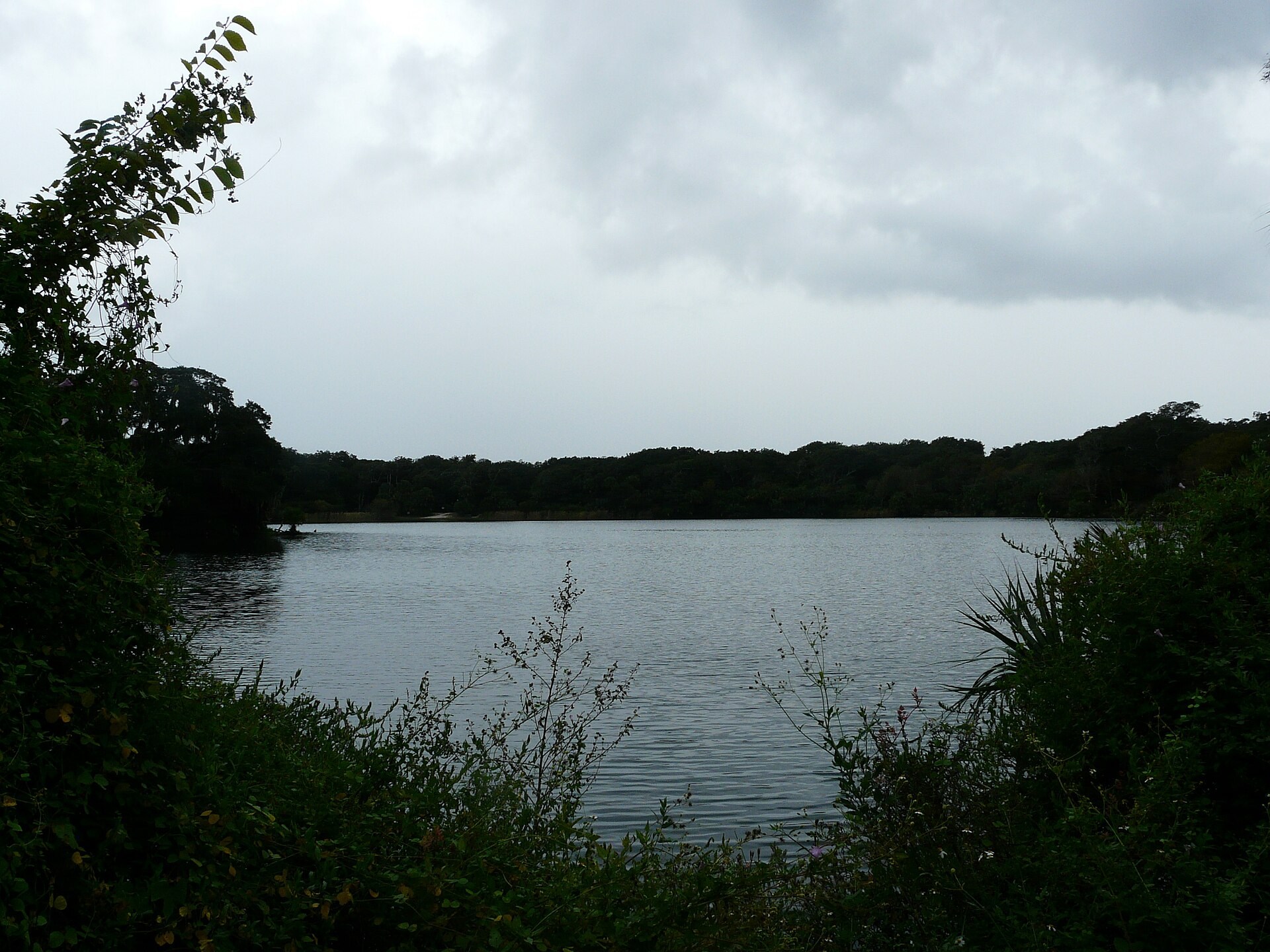
Kathryn Abbey Hanna Park offers two very different fishing settings in one Jacksonville park. Its freshwater lake calls for small lures, floats and a quiet bank approach. The Atlantic beach calls for surf tackle, wave reading and plenty of room from people in the water.
Do not treat the lake as a sheltered version of the ocean. Freshwater fish, bait choices and license rules differ. A family can enjoy either setting, but the easiest first visit is one with a clear target and a simple setup.
The park is at 500 Wonderwood Drive. Plan around its current gate arrangements and the distance to the chosen access. An early start is useful only when your admission or pass allows entry at that time.
Know the lake’s specific restrictions
The city describes a lake of about 60 acres. It prohibits swimming, powerboats, cast nets and night fishing on the lake. These rules are important even if a particular activity appears harmless from the bank.
Use permitted access and keep clear of launch activity. A convenient-looking gap in shoreline vegetation is not necessarily an authorized route. Avoid trampling reeds to make a personal casting platform.
Bring bait obtained legally elsewhere rather than planning to collect it with a cast net. Do not move fish from another water body into the lake. Unused live bait also needs to be handled according to current rules instead of being released casually.
For the beach, follow the separate oceanfront signs. Hanna Park includes the popular surf area known as The Poles. Surfers and swimmers need clear water, so fishing should take place only where hooks and lines can be kept well away from them.
Two tackle plans for two kinds of water
| Plan | Habitat to examine | Starting offering |
|---|---|---|
| Freshwater panfish | Permitted bank near shade or vegetation | Small worm piece beneath a float |
| Largemouth bass approach | Open edge beside cover | Weedless soft plastic worked slowly |
| Beach whiting | Inner sandy surf trough | Compact shrimp bait near bottom |
| Possible pompano | Clean moving water over sand | Sand flea or small shrimp bait |
| Passing bluefish | Visible coastal bait activity | Small metal lure in a clear lane |
The freshwater methods describe sensible habitat-based approaches, not a promise that a certain fish will be at a named bank. Walk and observe before choosing a place. The same cover can be productive at one time and quiet at another.
Keep bait containers separate between outings. A lake worm rig and an ocean shrimp rig need different hook sizes and handling. Switching water types should be a deliberate change, not simply carrying the same baited rod across the park.
Work the outside of lake cover
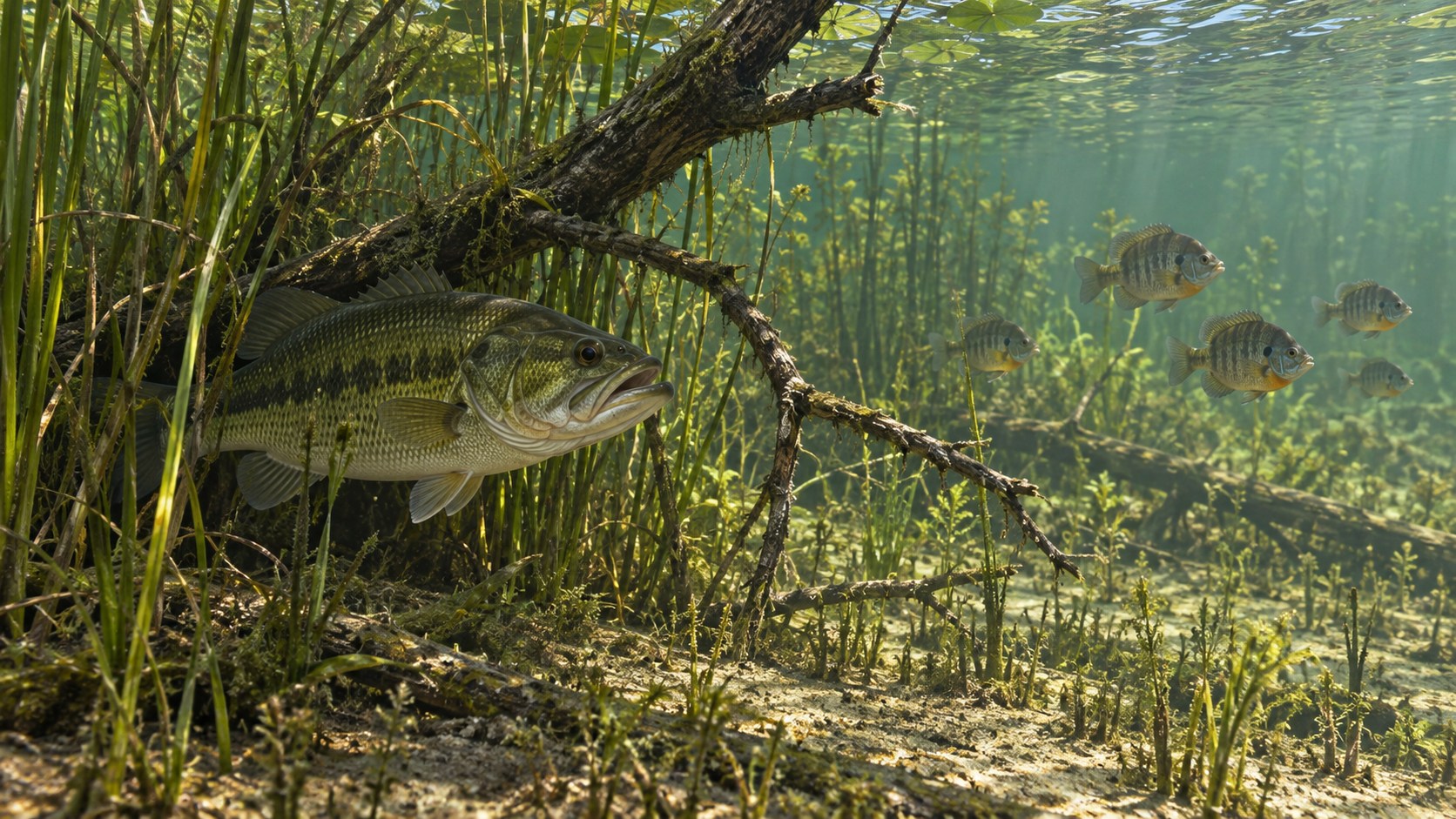
A bass presentation often works best along the boundary between vegetation and open water. Cast beyond the likely holding place and bring the lure through the edge. Landing directly on top of the cover can create a snag before a fish has a chance to respond.
A weedless soft plastic is a useful first choice. Let it settle, move it a short distance and pause. Watch for the line shifting unexpectedly as well as a pull on the rod.
Use enough tackle to guide a fish away from vegetation without applying excessive force. A heavy-handed strike followed by locked drag can break line or tear a hook free. Match the rod and hook to the lure rather than choosing by size alone.
If repeated casts collect plants, alter the angle or use a lighter presentation. The goal is to pass beside useful cover. Pulling through the thickest patch on every cast adds frustration without covering more water effectively.
A float keeps a beginner involved
For a simple freshwater lesson, use a small bait under a float from a permitted bank. Set the bait at a depth that keeps it above weeds. A float lying oddly or remaining half submerged may be telling you the hook is caught below.
Start with a small worm portion rather than a long dangling bait. Little fish can peck at the loose end without taking the hook. A compact offering makes the connection between a bite and a catch easier to understand.
Keep the float close enough for the beginner to see it clearly. Long casts add slack and make timing harder. An adult should manage hooks and supervise the water’s edge.
Give each cast a purpose. Try the edge of shade, a small opening beside vegetation or a slightly deeper patch, where access permits. Repeatedly throwing into the same snagged position is not useful practice.
Read the beach as a separate fishing place
Hanna Park has about a mile and a half of ocean beach. Watch the surf before setting a rod holder. A trough inside the first bar may hold feeding whiting within a modest cast.
Small shrimp pieces are a practical starting bait. Keep the hook point visible and check after light taps. If the bait comes back untouched, compare another distance before replacing the whole rig.
Use a sinker inside the rod’s casting range. Heavy surf can demand more holding power than a light outfit safely provides. When that happens, the correct adjustment may be returning another day.
Stay well away from active surfing and swimming areas. A school of bait moving through occupied water is not a reason to cast there. A quiet legal section farther along the open beach may be better, provided the walk and access remain suitable.
Share the bank without feeding wildlife
Florida freshwater banks deserve awareness of alligators and other wildlife. Keep a generous distance from any animal, avoid low overgrown edges and supervise children closely. Never offer food or discarded bait to wildlife.
Do not enter the lake to recover a lure. Swimming is prohibited, and a snagged hook is not worth a risky retrieval. Point the rod safely and use an appropriate method to free or break the line without wrapping it around bare hands.
Birds can take exposed hooks from a bait tray. Close containers and secure rigs while walking. Pack out line clippings before they disappear into grass.
Fish intended for release should be handled promptly with wet hands. Keep them low and supported. Preparing the camera first avoids holding a fish while someone searches a bag.
Use daylight and weather well
Lake fishing is a daylight activity under the park’s rules. Early-bird access arrangements may allow entry during a specific morning period for eligible passholders, but do not assume that ordinary admission provides the same access. Confirm the current gate policy.
In hot weather, shade and an early finish can make a freshwater outing more comfortable. On the beach, the breeze may hide how quickly heat and sun are affecting the group. Carry drinking water for both settings.
Thunder means leaving exposed water and open shoreline. Plan the walk back before weather develops. An open picnic shelter is not a dependable lightning refuge.
The weather planner helps with the ocean side and general conditions. Tide predictions do not describe fishing depth in the freshwater lake, so use them only for the appropriate part of the trip.
A manageable family visit
Start by selecting one water type. For the lake, bring a float outfit and a small bait supply. For the ocean, bring a bottom rig and a rod suited to the sinker. Leave enough time for restrooms, walking and a break away from hooks.
Give young anglers a clear place to stand. Keep spare rods out of the path and cover hooks when moving. A single attended line makes supervision much easier than several rods spread along the bank.
If the chosen area is crowded, move only to another permitted place. The Atlantic Beach guide describes nearby tidal options for a future outing, with different access and conditions.
Check the correct fishing rules
Use FWC’s fishing information to check freshwater or saltwater licensing and harvest requirements for the water you will fish. One type of fishing trip should not be assumed to cover every other type.
Park rules remain additional limits. No lake cast nets, powerboats, swimming or night fishing means exactly that, even if a general state rule would otherwise allow an activity elsewhere.
Do not carry saltwater assumptions into the lake
The lake and ocean differ in water type, fish community and permitted methods. Label the tackle intended for each so a quick change of plan does not lead to using an unsuitable rig or prohibited method. Start a lake presentation within easy reach and learn the depth before adding weight. On the beach, check the surf separately rather than treating a calm lake as evidence that the ocean will also be manageable.
Hanna Park fishing questions
Can I use a cast net in the lake?
No. The city’s lake rules prohibit cast nets. Bring a suitable legal bait supply instead.
Can I fish the lake at night?
No. Night fishing is prohibited on the lake. Plan the session and return during the allowed daylight access period.
Should I bring the same rig for lake and ocean?
Usually not. A small freshwater float rig and a surf bottom rig serve different conditions. Choose one setting first and pack for it.
Is the surf area at The Poles a place to cast around surfers?
No. Keep fishing lines well clear of people using the water. Find a permitted open stretch or choose another time.