
TAMPA BAY / SUNCOAST
St. Petersburg
fishing guide
Compare the downtown fishing deck with Weedon Island’s natural edges, then choose a clear plan for Tampa Bay fish and changing conditions.
Explore the guide ↓Bay fishing inside a waterfront city
St. Petersburg offers fishing on Tampa Bay, with public pier access, mangrove preserves and shallow coastal habitat. It is different from St. Pete Beach on the Gulf barrier island. Choose the correct side of the peninsula before judging wind, tide or travel time.
A visitor can begin at the downtown fishing deck or investigate a quieter natural setting such as Weedon Island. Those choices suit different moods and methods. One provides an urban platform; the other asks you to pay more attention to trails, preserve rules and shallow-water habitat.
The most useful plan pairs a confirmed public access point with one target. Trying to cover the entire city’s waterfront in a morning usually leaves too little time to understand any one piece of water.
Use the designated St. Pete Pier fishing deck
The official pier information limits fishing to the Fishing Deck east of the Pier Point building. The rest of the waterfront complex is not an unrestricted fishing rail. Carry your rod to the correct area before rigging.
The published fishing hours run from thirty minutes before sunrise to 11 p.m., subject to change. Bait-shop hours are separate. If arriving early, bring the supplies you need rather than assuming a shop is open whenever the deck is accessible.
Walk through the area and identify a safe landing space. Watch wind direction, boat movement and neighboring lines. A short accurate presentation beside suitable structure is often easier to manage than a long cast across several fishing positions.
Keep walkways clear and avoid leaving spare rods where visitors stop to look at the bay. The pier is a shared destination, not a private fishing platform.
Explore Weedon Island with a different pace
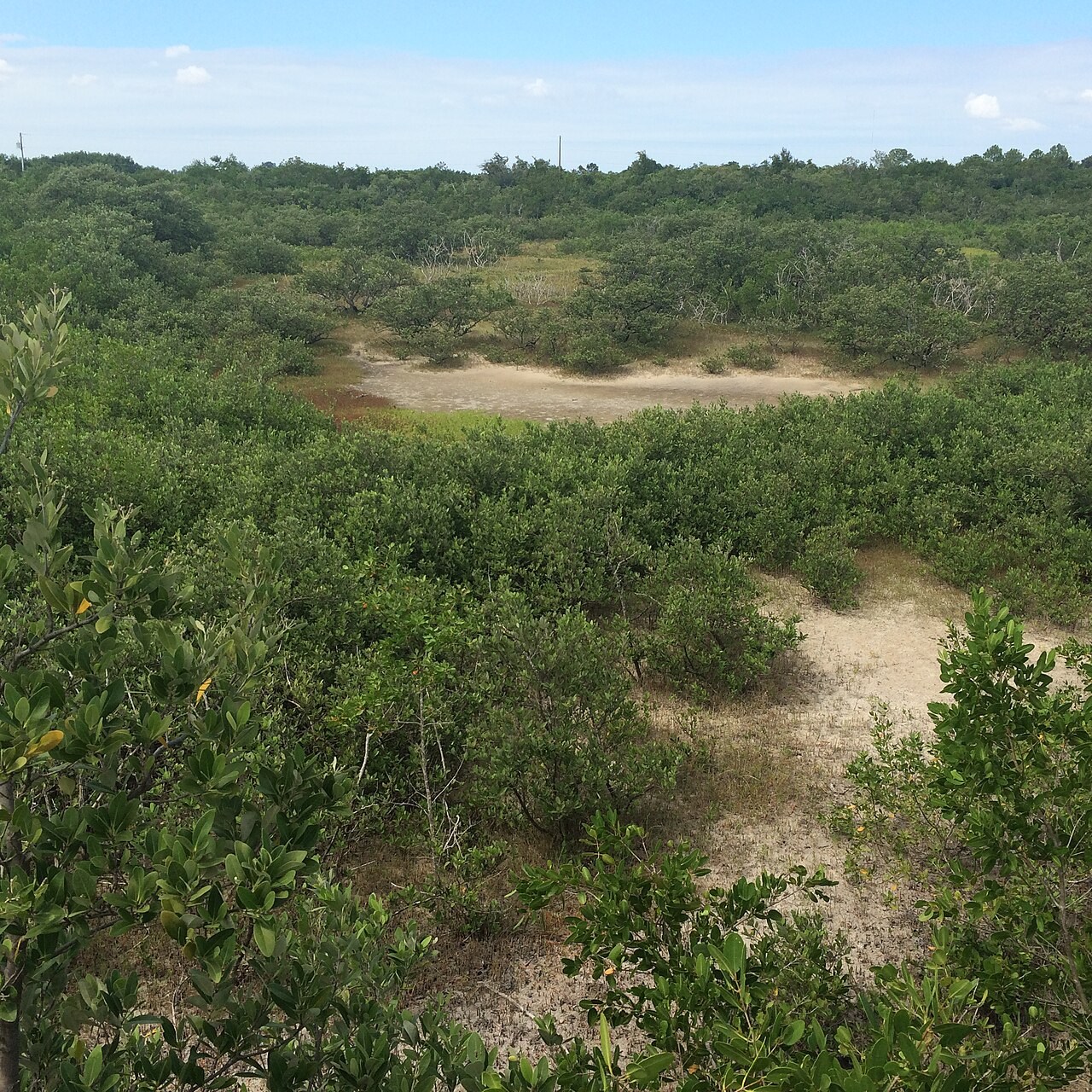
Weedon Island Preserve provides mangroves, oyster habitat and a public fishing pier in northern St. Petersburg. County information identifies snook, trout and sheepshead among the fishing possibilities and prohibits commercial fishing within the preserve.
Check trail and paddle-route notices before visiting. A closure on one route does not always close the whole preserve, but it can change the outing you planned. Use designated access and avoid pushing through mangroves to reach a private-looking pocket of water.
For paddle fishing, begin with a short known route and a conservative return time. Shallow channels can become difficult when water falls. Carry drinking water and navigation information, and do not rely on finding a convenient landing anywhere along the shore.
Learn what an oyster edge does
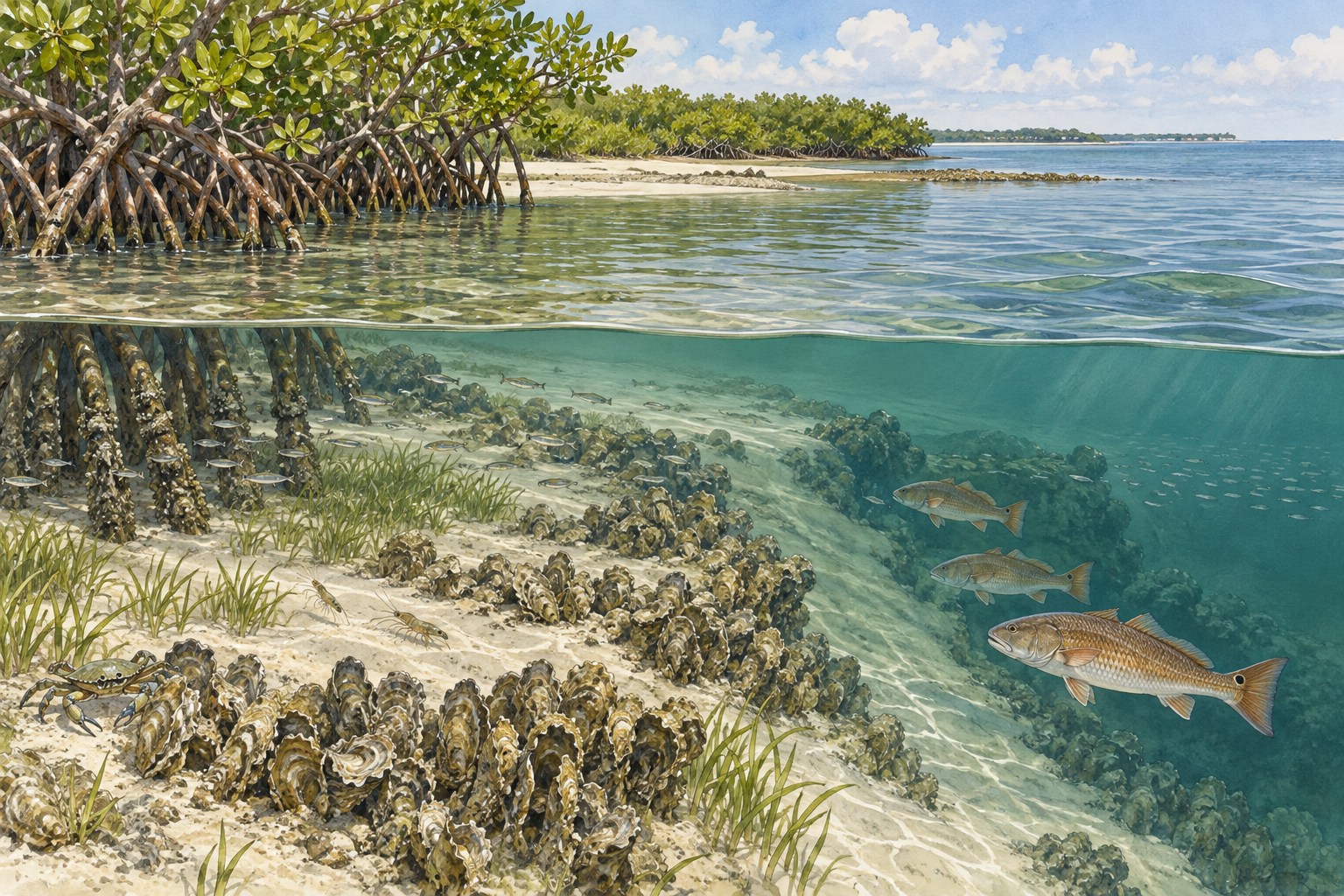
Oysters create rough cover where small crabs and other food gather. They also change the way water passes a shoreline. A small opening beside a bar can channel prey into a narrow lane.
Keep lures above the roughest shell whenever possible. A bait constantly wedged between oysters is not fishing effectively. Cast across the open edge and retrieve before the line drags over the top of the bar.
Redfish may feed along shallow shell and grass transitions. Sheepshead tend to stay close to hard feeding surfaces. Snook can use nearby shade or a deeper pocket. You can investigate all three patterns without treating every mangrove root as a casting target.
Choose tackle for the water you visit
| Fish | Where to focus | Useful first presentation |
|---|---|---|
| Sheepshead | Pilings and shell-covered edges | A crab or small shrimp close to cover |
| Mangrove snapper | Shade with a clean retrieval lane | A lightly weighted live shrimp |
| Spotted seatrout | Grass patches and sandy openings | A soft plastic above the grass |
| Redfish | Shallow feeding edges | Weedless bait or shrimp |
| Snook | Mangrove points and warm moving water | A small baitfish lure |
Jacks and ladyfish can provide fast action when bait is active. Keep enough room to follow a fish safely, and do not turn a strong run into a collision with another visitor.
Control depth before changing color
Many unproductive casts pass above or below the feeding fish. Start with a lure weight that lets you feel its depth without dragging constantly. Over grass, count a short pause after the cast, then retrieve just above the vegetation.
If the lure returns clean but receives no attention, try a slightly slower retrieve or another angle. If it returns covered in grass, reduce depth. If it snags shell every time, move to a clearer lane. These changes are more informative than cycling through ten colors.
For shrimp under a float, set the bait shallow first and deepen it gradually. A float that repeatedly lies flat may indicate shallow bottom or a bait caught in vegetation. Inspect the rig instead of waiting indefinitely.
From a pier, watch how the line angles below you. More angle may mean the bait is drifting out of the intended area. Reel in before it reaches a piling or another line.
A compact city fishing kit
A medium spinning rod with 10 to 20-pound braid is a useful base. Carry leader in different strengths for open water and abrasion. Small hooks, a few jig heads, a paddletail and a small spoon cover a broad set of situations without filling a large cart.
Add pliers, a measuring tool and a suitable net. Keep a wet-hand towel handy, but do not wrap delicate fish in a dry cloth. Use the towel for your hands and equipment rather than stripping protective slime from the catch.
Pack bait in a way that prevents spills on public paths. A small aerated bucket is easier to supervise than an oversized open container. Keep food separate from fishing equipment.
Watch wind across Tampa Bay
A breeze crossing a long stretch of bay can create choppy conditions at an exposed deck. A sheltered preserve position may be more comfortable, but only if access remains suitable. There is no single wind direction that makes every St. Petersburg shore equally good.
Compare the local tide and weather forecast with the direction your chosen shore faces. Leave enough time to change location if the first stop is unsafe.
Winter can favor structure and slower baits. Spring increases shallow-water activity as temperatures rise. Summer asks for early starts, shade and storm awareness. Fall bait movement may create brief chances along open edges and the downtown waterfront.
After heavy rain, clarity and salinity can vary between neighborhoods. Fish the water you find, and avoid any area with an active water-quality warning.
Two different first outings
A downtown introduction
Use the designated deck, one bait rod and a short session. Learn how the current affects a shrimp presentation beside open structure. Take breaks when the area becomes crowded. This plan suits visitors who want an easy return to other city activities.
A preserve morning
Confirm the open access at Weedon Island, bring a light lure kit and study the natural shoreline. Fish one shell edge and one grass transition carefully. If paddling, keep the first route near a familiar return and stay within your ability.
Both outings can be useful without a large catch. Write down where the bait traveled and which depth produced attention. That makes the next visit more deliberate.
Handle fish close to the water
Keep fish supported and photographs brief. If a release requires climbing over a barrier, your landing position needs reconsideration. Avoid leaving a fish on a hot deck while searching for a camera.
Review the FWC saltwater harvest and license rules before fishing. Preserve restrictions and city fishing zones apply in addition to those statewide requirements.
Compare the deck with the preserve
The downtown deck gives you a fixed position. Your main adjustments are depth, angle and presentation. Weedon Island offers more natural habitat to interpret, but access routes and preserve restrictions shape where you can stand or paddle.
At the deck, begin with a bait you can monitor closely. Watch whether the line stays clear of supports and neighboring rigs. If the bait is swept away from the feature, shorten the cast or adjust weight in small steps.
At the preserve, begin by identifying the boundary between shell, grass and deeper water. Fish the open side of that boundary. There is little benefit in placing a lure deep in roots if retrieving it will disturb the habitat.
Keep separate notes for these two outings. A successful deck session during one wind does not establish a useful paddle route at the preserve. The same city contains several different exposures and kinds of bottom.
If bringing someone with limited walking ability, confirm the specific open access and distance from parking before traveling. A general statement that a park has fishing does not answer whether the route suits that person today.
For repeat visits, change the tide stage while keeping the location and method similar. This makes it easier to see what the water movement changes. Altering the place, bait, depth and time all at once leaves less useful information to carry forward.
St. Petersburg fishing questions
Can I fish along every rail at the downtown pier?
No. Fishing is restricted to its designated Fishing Deck. Follow the current signs and staff directions.
Is Weedon Island only for kayakers?
No. The preserve also has land-based facilities, including a fishing pier. Check which facilities are open for your visit.
Will Gulf beach advice work on Tampa Bay?
Some tackle overlaps, but bay grass, oysters and structure call for different presentations than open surf sand.