
PANHANDLE
Santa Rosa Beach
fishing guide
Read the surf, understand the dune lakes and choose an allowed access. Discover the different waters around Santa Rosa Beach.
Explore the guide ↓SURF, DUNE LAKES AND A CHANGING SHORE
Three kinds of water in one small area
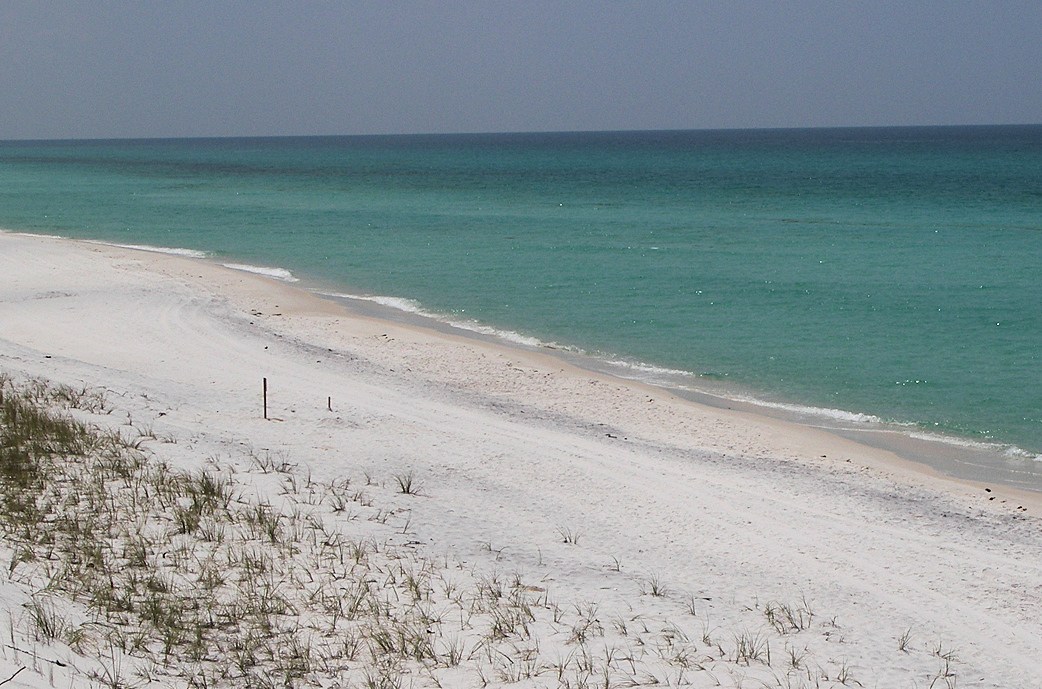
Santa Rosa Beach is part of South Walton’s coast. Its open Gulf beaches sit close to rare coastal dune lakes. Choctawhatchee Bay lies farther north. These waters may look close on a map, but they call for different fishing plans.
The beach is the easiest place to start with a small bottom bait. A dune lake rewards quieter fishing and careful attention to access. A bay outing requires a separate launch or shoreline plan. Do not expect a road ending near water to provide a public place to cast.
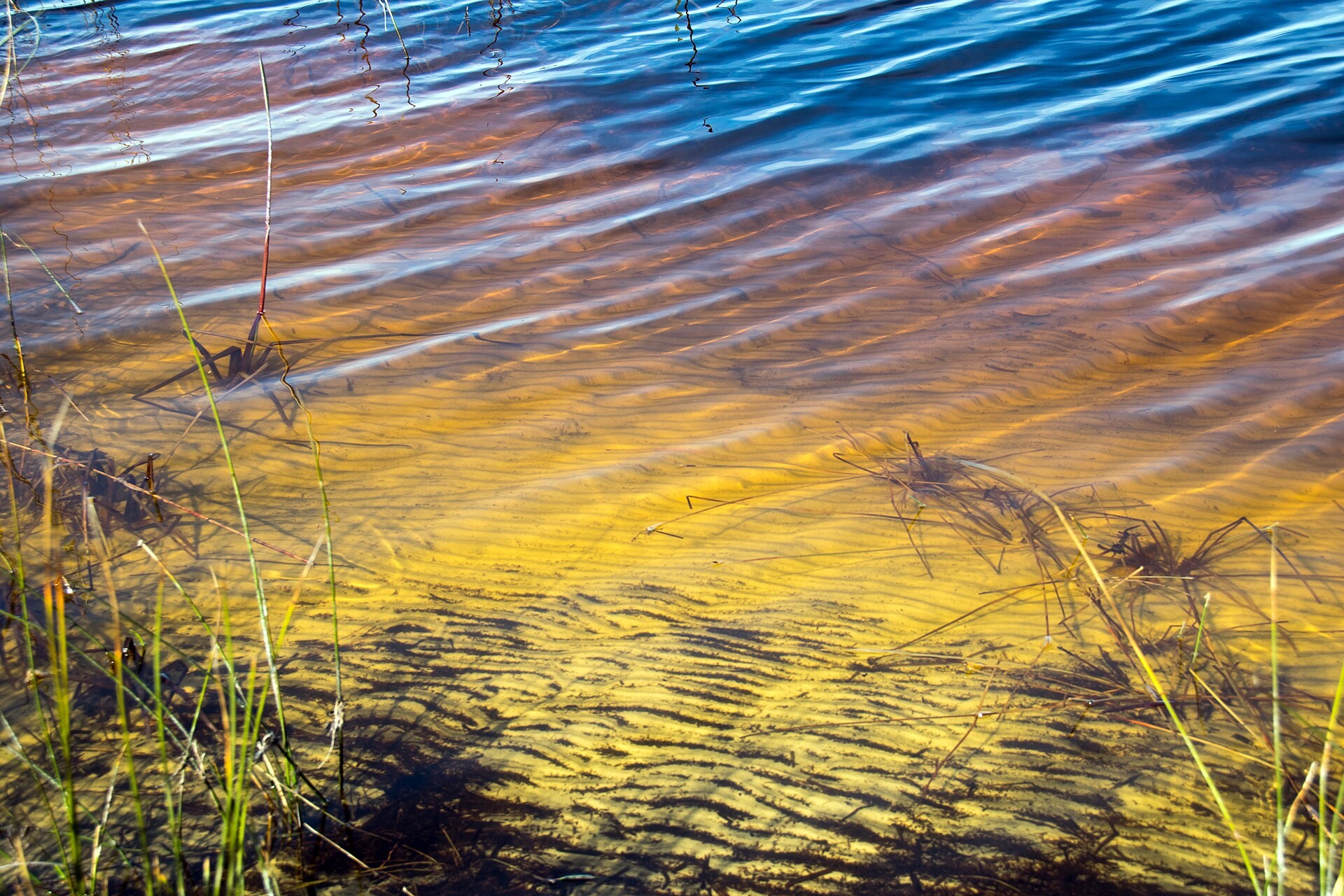
Much of the appeal here is the change between habitats. A lake outlet can carry dark water across white sand. A beach bar can shift after one rough night. Learn to notice those changes rather than returning to an exact patch of sand simply because it produced last year.
Places to build a trip around
Grayton Beach State Park
The park offers access to both the Gulf shore and Western Lake. It is a useful starting point for someone who wants to understand the area’s two contrasting settings. Check the park’s entry conditions before traveling. Capacity closures can affect a busy day’s arrival.
On the beach, carry a light load and walk until you find room outside the swimming activity. On Western Lake, study the permitted launch and fishing areas first. A calm lake can be more comfortable than the surf, but it is still open water with changing wind.
Topsail Hill Preserve State Park
Topsail adds a different stretch of protected shoreline to the choices around Santa Rosa Beach. Plan the trip from the park entrance to the water rather than assuming you can unload beside the surf. Check the day’s transport, trail and fishing arrangements with park staff. Keep gear manageable for the return journey.
County beach accesses
Use a signed public access and read its rules. Parking, restrooms and walking distance differ between entrances. Choose a place that fits your group before choosing the fishing method. A long walk with two surf rods and a heavy cooler may be reasonable alone and difficult with young children.
The bay side
Choctawhatchee Bay offers grass edges, shore structure and creeks. Treat it as its own trip. Establish a lawful access point, a weather plan and a return route. The same north wind that flattens the Gulf beach can make an exposed bay shoreline unpleasant.
Understand the dune lake outlets
Coastal dune lakes can connect to the Gulf through temporary outlets across the beach. The opening, water level and salt content change. An outlet is not a permanent fishing channel, and a lake is not automatically freshwater just because it sits behind a dune.
When water is moving, small animals may collect along an edge between dark lake water and clearer surf. Watch that edge from a safe, permitted position. It can suggest where to place a modest bait or small lure. Dark water alone does not prove that fish are feeding.
Never dig an outlet, disturb its banks or drive through it to improve fishing. Avoid crossing moving water. An apparently shallow cut can deepen quickly under your feet. Give wildlife and other beach visitors a wide path around your lines.

Match the fish to the water
| Target | Where to look | Useful approach |
|---|---|---|
| Whiting | Shallow sandy surf | Small shrimp pieces close to shore |
| Pompano | Clean surf and sandy feeding lanes | Sand fleas or a small bait strip on a bottom rig |
| Redfish | Bay edges and suitable brackish water | A shrimp or slowly swimming soft plastic |
| Spotted seatrout | Bay grass beside deeper pockets | A light paddletail above the vegetation |
| Spanish mackerel | Gulf bait schools within casting range | A small, fast-moving metal lure |
Dune lake fish communities depend on each lake’s connection and salt content. Ask about the specific water you intend to fish. Avoid planning around a species merely because it appears in a broad South Walton fishing list.
A simple way to work the beach
Look for a gap in the breaking waves. It may mark deeper water between bars. Also inspect the narrow trough just beyond the wash. Begin with a short cast there before reaching for the longest cast your rod can make.
A light two-hook bottom rig lets you compare small baits. Keep the hooks modest and leave the points clear. Use a sinker that holds without exceeding the rod’s casting rating. Large baits and heavy tackle can make the bites of small surf fish harder to notice.
After a few casts, check the bait rather than leaving it untouched for half an hour. Small fish can strip shrimp without a strong pull. If weed repeatedly covers the rig, move to a cleaner stretch. Changing location is often more useful than continually adding weight.
When birds gather over active bait, keep a small lure ready. Cast from a clear position and stay outside the swimming area. If the bait moves beyond reach, return to your beach plan instead of wading after it.
Keep lake fishing quiet and deliberate
A small canoe or kayak can help you reach allowed shoreline away from a crowded entrance. Wear your life jacket and keep the first route short. Wind blowing along an open lake can make a return paddle much harder than the outward trip.
Search for a shoreline change, a deeper pocket or a visible gathering of bait. Cast beyond the likely holding area and bring the lure through it. Avoid landing a heavy sinker directly on top of the feature you want to fish.
Where vegetation catches an exposed hook, use a more weed-resistant presentation. Retrieve just fast enough to stay clear of the bottom. If you cannot tell whether you are touching grass or feeling bites, try a slightly lighter lure and watch the line as it falls.
Choose conditions before choosing a date
Spring can offer comfortable beach fishing and returning coastal bait. A clear-water surf window is more useful than a promise based on a particular weekend. Watch the wind forecast as well as the temperature.
Summer favors early starts before heat and beach traffic build. Keep a short, sheltered alternative in mind. Leave the lake or beach when thunderstorms approach rather than waiting for the first nearby lightning strike.
Fall can bring moving bait and pleasant walking conditions. Search several short stretches of shore. A small concentration of food may hold the only active fish along an otherwise quiet beach.
Winter rewards a slower pace. Try a mild afternoon after a cold spell, especially in sheltered water. Keep expectations flexible when wind or cold rain changes the water overnight.
See the local tides and weather before leaving. A coastal tide prediction cannot tell you the exact water level inside a temporarily closed dune lake.
Make the outing comfortable
Pack drinking water, sun protection, pliers and a small bag for clipped line. A compact bait container is easier to carry than a large bucket across a long beach access. Keep footwear on around shell fragments and hidden debris.
For a first family visit, choose either the lake or the beach for the fishing session. Leave time for a walk afterward. Trying to move a full camp between both waters can use the best part of the day without adding much fishing.
Release fish with wet hands and keep them low over the water. Do not place them on hot sand for photographs. Check the appropriate license and harvest requirements with the Florida Fish and Wildlife Conservation Commission. Confirm which rules apply to the particular lake or shoreline.
Scout one access before bringing the whole family
A useful scouting visit answers practical questions. Where can you park legally? How long is the walk? Does the path end near swimmers, an outlet or open sand? Is there a sensible place to set a rod holder without blocking anyone?
At a dune lake, look at the launch surface and the wind across the water. A protected corner beside the car may hide a breezier main basin. Notice whether your intended shoreline is actually reachable from public land. Write down the access name so a later visit does not depend on remembering an unmarked turn.
Keep the first fishing session separate from the first long exploration. Learn the walk or paddle with a light load. Once you know the route, you can decide whether a second rod or cooler is worth carrying. That simple choice often makes the outing feel much easier.
What the fish are looking for
On the Gulf sand, small crustaceans and other animals become exposed by wave movement. That is why a small bait held in a trough can work without dramatic surface activity. You are presenting food where fish can search for it, not waiting for a visible feeding frenzy.
In suitable bay habitat, grass provides shelter for shrimp and small fish. A lure passing above the grass imitates a moving meal. A lure buried inside it usually does not. Think about the height of the presentation as carefully as its color.
What to change when the first plan is quiet
If beach baits return untouched, compare a closer and a farther cast before changing bait. If they return empty, reduce the bait size and inspect them more often. Those are different problems and need different responses.
If a dune lake lure constantly catches vegetation, change the hook arrangement or weight. If wind prevents a controlled cast, fish an allowed sheltered edge or end the session. A heavier lure may cast farther while becoming much less suitable for the shallow water.
After rain, avoid assuming an outlet will have the same flow as on your last visit. Observe from a safe distance. A new opening or stronger outflow is a reason to reassess where to stand, not an invitation to walk across it.
Keep a few notes after each visit: access used, wind, water appearance, bait and where the bites occurred. A short record can turn a pleasant vacation stop into a place you gradually understand. Record what you actually saw rather than repeating a broad claim that a whole season is always good.
Questions about Santa Rosa Beach
Are all the dune lakes the same?
No. Their openings, depth, salt content and access differ. Advice for Western Lake should not be treated as permission or a fish list for every nearby lake.
Can I fish beside an outlet?
Only where access and local rules allow it. Stay back from moving water, avoid swimmers and leave the outlet undisturbed.
What is the easiest beach bait?
A small piece of fresh shrimp is a practical first choice. Keep it firm and the hook point visible.
Is a kayak necessary?
You can enjoy the Gulf beach from shore. A kayak expands some lake and bay options, but it also adds wind, launch and return-planning responsibilities.