
SOUTHWEST
Tarpon Bay Road Beach
fishing guide
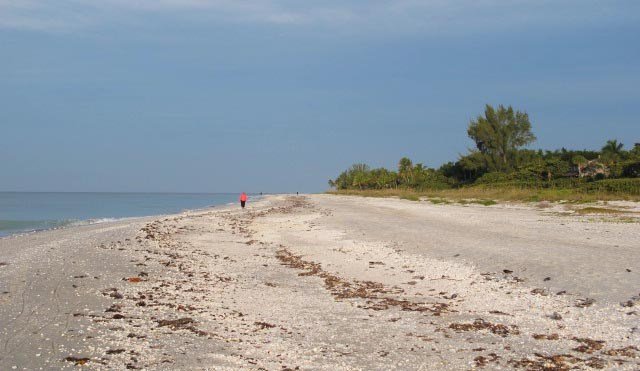
Tarpon Bay Road Beach gives anglers a distinct access decision on Florida’s Gulf Coast. Tarpon Bay Road Beach is a Gulf-side access reached from West Gulf Drive. It is separate from Tarpon Bay’s interior waters.
Explore the guide ↓Plan the access at Tarpon Bay Road Beach
Tarpon Bay Road Beach gives anglers a distinct access decision on Florida’s Gulf Coast. Tarpon Bay Road Beach is a Gulf-side access reached from West Gulf Drive. It is separate from Tarpon Bay’s interior waters.
Find the entrance and the part of the facility you intend to use before unloading tackle. At a coastal park, the fishing shore, boat ramp and walkway can sit close together while serving different activities. Read the notice at the actual access and keep an alternate in mind if the place you planned to use is closed or occupied.
Fish the Gulf shore off Tarpon Bay Road
Make a short cast into the first trough from a permitted shore position. Use a longer cast only if it gives a clear retrieve.
Use the full beach name when planning directions. An interior bay launch or preserve is a different outing.
Read the shape of the first wave
Look for a nearshore trough where water remains darker between sets. A wave breaking outside that strip and fading over it suggests room for a short cast. Watch long enough to see whether each set shifts the safe standing area. A small piece of shrimp placed just beyond the wash can test the location without reaching over the far bar.
If the rig tumbles back bare, check whether the bait washed off before choosing a heavier sinker. Make a shorter cast and keep the rod high enough to reduce bow in the line. A crowded beach calls for frequent retrieves, so use one rod and pack it away when swimmers or walkers approach.
Choose targets that suit the available water
In the surrounding coastal habitat, pompano and whiting are examples to consider. The water level, season and food available on the day matter more than a species list. Look for repeated movement at a bank or depth change before interpreting a single splash as feeding. Observe from a legal position and leave wildlife room.
For a controlled first presentation, try a small piece of shrimp on a single-hook bottom rig. Choose the spot that lets you keep it in the intended lane from the cast through the retrieve. A productive-looking seam is of little use if reaching it puts your line across another visitor, a boat route or a prohibited area.
Try a single presentation at a time
One rod is enough while you learn where the current takes a bait. Watch the line for several seconds and make a small change in angle if it swings outside the lane. Use a second rod only if the place has ample room and you can attend to both lines. Pack hooks away before changing positions.
At Tarpon Bay Road Beach, give the local method above a short test before setting out more equipment. A moving bait may draw attention while still being hard to keep in place. If you need to choose between control and distance, use the shorter retrieve. Watch what happens on the way back to your position before deciding whether to change the bait.
Check the forecast, then watch the shoreline
The tide and weather forecast is a good first filter for the trip. From the public access, look for repeated flow in the same direction and see if other visitors are already using that lane. When wind turns across the water, make a short test before settling in. Change the plan if the line cannot stay clear.
Give yourself enough time to leave before a gate closes, traffic increases or a storm arrives. Do not use all remaining daylight waiting on one feeding window. A useful alternate has its own access and timing checks, so verify it before relying on it late in the day.
Leave a clean route to the water
Walk the approach before taking a chair or tackle cart. You should be able to reach your equipment, use a landing tool and pack up without stepping through another person’s space. If there is no place to set gear out of foot traffic or waves, take only what you can carry and keep moving.
Decide before you go what will make you change the plan. Closed access, an unusable landing, crowded shore and a falling tide can all be good reasons. Pick a confirmed alternative before leaving so the decision is easy. On the way out, check the water and ground around the position for loose leader, bait wrappers and hooks.
Make a first-trip plan for Tarpon Bay Road Beach
Tarpon Bay Road Beach is a Gulf visit, so look at the beach wash and dune crossover rather than using an interior bay launch plan. On a calm day, start with one bait just past the final small break. If the usable sand narrows, leave the first setup behind and look for a clearer legal lane.
Common questions
What should I check first at Tarpon Bay Road Beach?
Tarpon Bay Road Beach is a Gulf-side access reached from West Gulf Drive. It is separate from Tarpon Bay’s interior waters.
Where should my first cast go?
Make a short cast into the first trough from a permitted shore position. Use a longer cast only if it gives a clear retrieve.
What if the place I planned to fish is busy or closed?
Use the full beach name when planning directions. An interior bay launch or preserve is a different outing. Verify a separate facility before moving, and leave barriers and posted areas alone.
Do state fishing rules apply here?
Check current FWC license, harvest and gear rules for the specific species and coast. The site manager can set separate limits on hours, access and where you may cast.
Prepare for your visit
Check tides and weather. Read current FWC saltwater fishing rules. Research notes and photograph credit.