
PANHANDLE
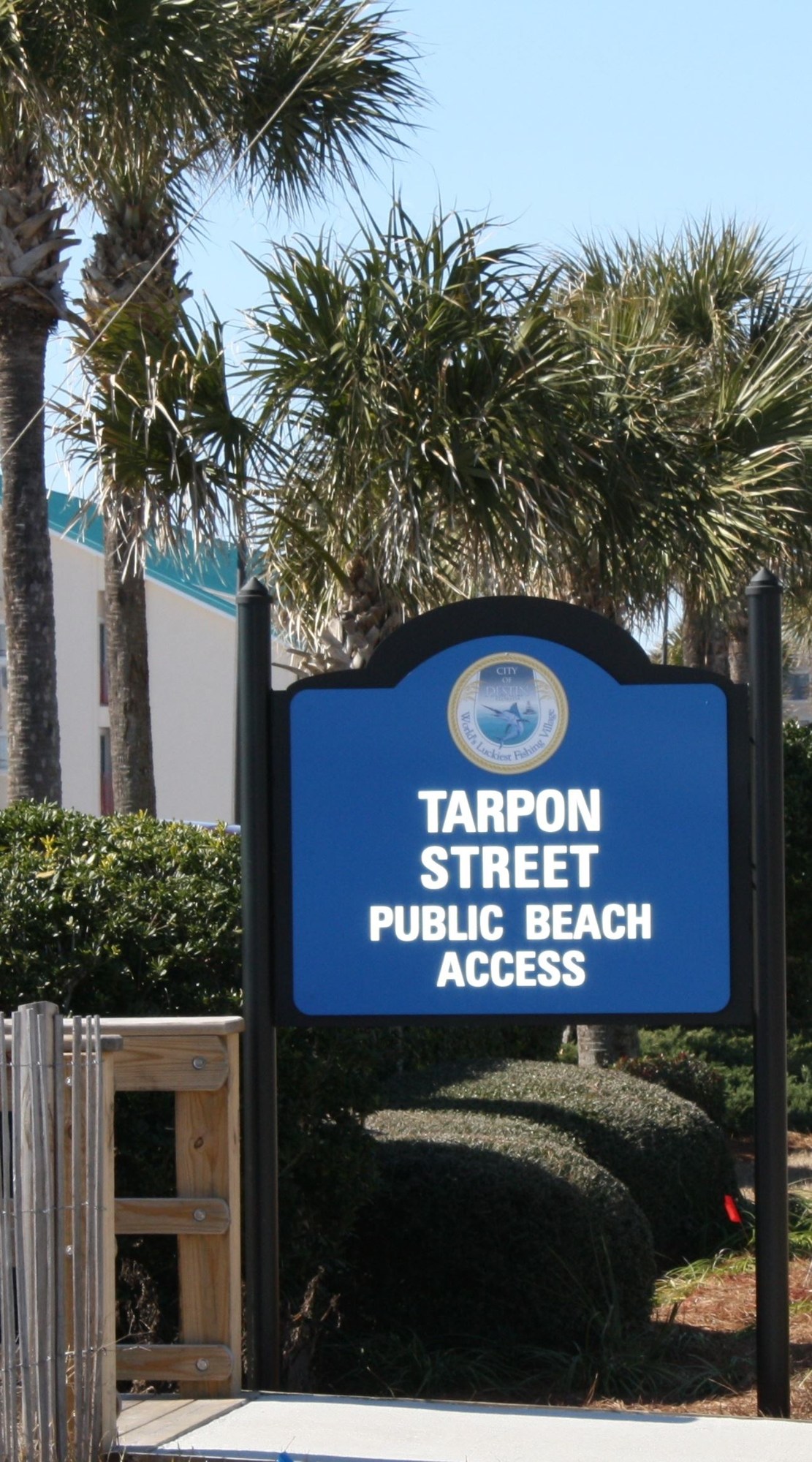
Tarpon Beach
fishing guide
Tarpon Beach is a public Destin Gulf frontage in the Crystal Beach area. Its name identifies the park, not a promise of tarpon fishing. Approach it as a sand-and-surf session, with careful attention to public boundaries, swimmers and current conditions.
Explore the guide ↓Use Tarpon Beach's public park route
Destin describes Tarpon Beach as its newest beach acquisition, with more than 340 feet of beachfront and covered pavilions, restrooms and showers. It is a distinct public beach park in the Crystal Beach area. Check the present entrance signs for parking, opening arrangements and any unfinished work before relying on a particular facility.
Tarpon Trail also appears in the city's list of beach trails. Avoid assuming that every similarly named crossing has identical parking or facilities. Locate the park on the current city beach map and use its signed route. Private walkovers nearby remain separate, even when they lead to the same-looking Gulf sand.
Choose a surf target rather than chasing the park name
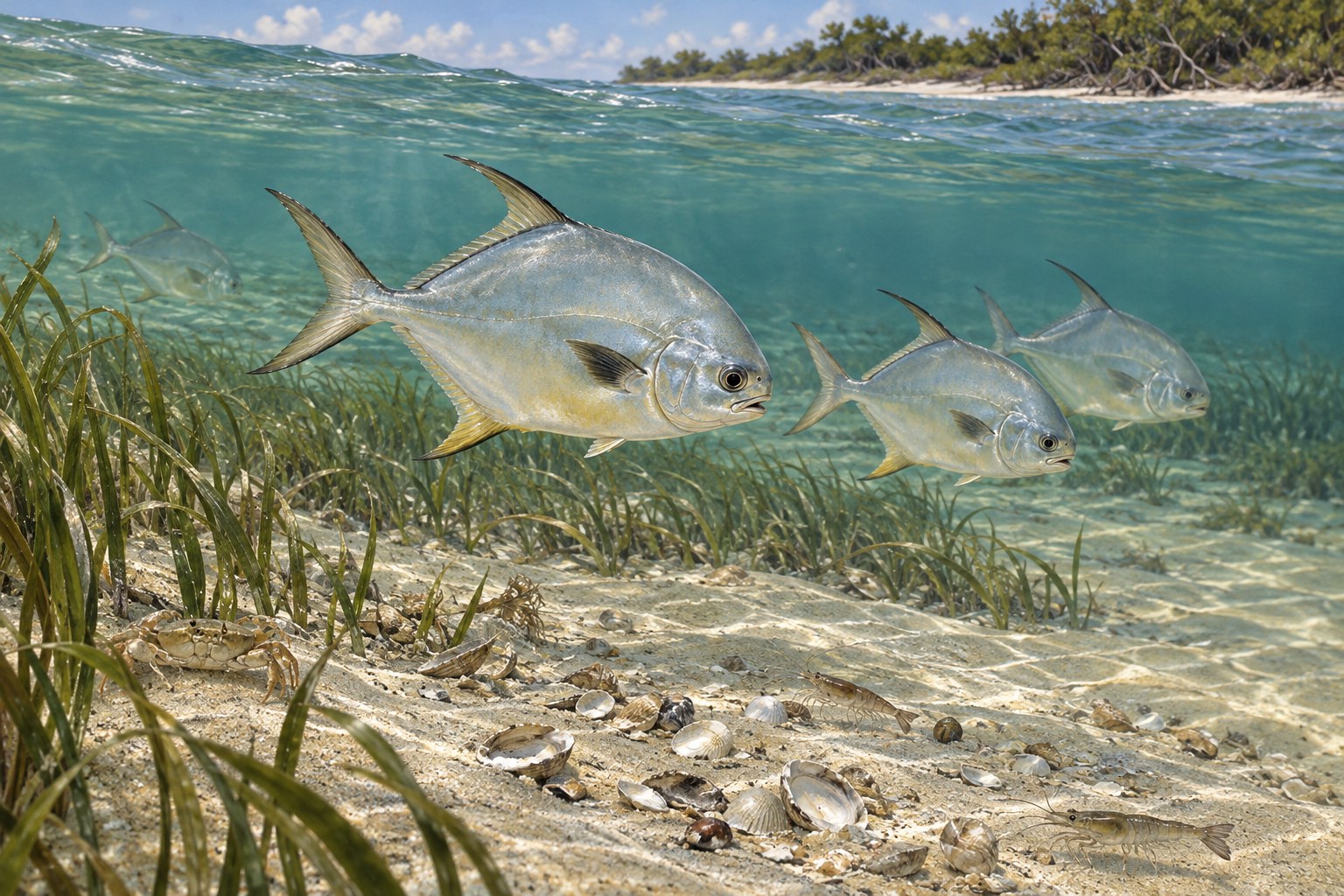
Tarpon Beach's name should not determine the size of your tackle. A normal shore outing can focus on whiting, passing pompano and other fish feeding along sand troughs. Large coastal fish may appear anywhere conditions suit them, but this guide does not present the park as a dependable tarpon location.
A smaller target plan is easier to match to a busy public beach. Carry a manageable spinning outfit and compact baits instead of choosing an oversized rig without evidence of the fish you intend to pursue. Decide how you will identify, land and release a catch before the first offering reaches the water.
Leave a clear route along the beach
Public access is not a license to spread gear across neighboring property or the main walking route. Keep the camp within lawful public space and follow any marked limits. A shelter, cooler and several rods can occupy much more room than expected. Choose a setup that lets others pass without stepping over hooks or line.
Look beyond the sand when checking a lane. Swimmers may approach from the side after the cast. Be ready to retrieve before they reach your line. A quiet section early in the visit may become busy later. The best adjustment can be ending the fishing part while still enjoying the rest of the park.
Look for food routes along clean sand
Gulf waves help expose the position of shallow bars and troughs. Watch where waves repeatedly break and where they soften into darker water. A trough edge can give surf fish a route to search for small crustaceans. Test one clear lane before moving to the next visible depth change.
The darkest patch is not always deep water. Clouds, vegetation fragments and disturbed sand can change color. Compare the pattern with the waves, then use short test casts to learn more. Do not wade into a bar gap just because it seems to offer a convenient route toward deeper water.
Keep the offering small and secure
Shrimp pieces provide a flexible starting point for whiting and mixed bottom feeders. Sand fleas and prepared bait strips let you compare a different offering for pompano. Use only enough bait to attract attention while leaving the hook able to engage. A large clump can spin or hide the point.
Renew bait before it becomes a pale soft scrap with little scent or shape. Keep the main supply cool and take out only a few pieces at a time. If the hook is emptied rapidly, shorten checks and use a tougher offering. Record that change rather than changing bait, hook and distance simultaneously.
Fit the rod to the actual beach task
Select a rod that can comfortably cast the holding weight required today. Its rated range is more important than a desired extra distance. A sinker that slides across the lane may need a different design or better line tension. If the water demands unsafe weight or force, the site is not right for that outfit.
A short spare rig and a few suitable weights are usually more useful than a crowded tackle box. Keep hook removal tools and a measuring device close at hand. A closed container for worn leaders prevents windborne litter. Use the table to connect the first problem you see with a simple adjustment.
| Fishing aim | Starting method | Adjustment to test |
|---|---|---|
| Small bottom feeders | Shrimp near the sand | Reduce bait size after frequent stripping |
| Seasonal pompano interest | Sand flea or strip bait | Compare a second trough distance |
| Passing visible prey | Compact casting lure | Change speed while preserving a clear lane |
| A stable attended rig | Appropriate holding sinker | Reduce excess line bow before adding weight |
Plan a visit around surf and visitor numbers
On this developed Destin coast, available space can matter as much as a preferred tide. Check the park's opening rules and choose a time with good visibility. A family visit may work best with a short fishing window followed by a picnic, rather than an all-day rod spread.
Pompano season interest often rises during spring and fall movement along the Panhandle. Summer adds heat, thunderstorms and substantial swimming activity. Cool fronts can quickly change winter water conditions. Treat these patterns as planning clues, then decide from the beach whether waves and current allow the intended presentation.
Make a land-based plan that stays on land
Beach flags and lifeguard instructions remain relevant during shore fishing. A hooked fish, a dropped tool or a snag can tempt an angler into hazardous surf. Avoid that escalation. Stand where footing is secure and keep the landing process outside occupied swimming water. Retrieve your rig when conditions become harder to control.
Carry plenty of water and keep the storm forecast in mind. A covered pavilion does not make an exposed beach safe during lightning. Start the return to a suitable shelter before the weather reaches you. Protect dune plants and nesting wildlife by staying on the designated crossing in both directions.
Take a careful catch decision and a clean departure
A park name does not change harvest rules. Identify the species accurately, use a proper measure and check current regulations before retaining a catch. Have wet hands and suitable tools ready for release. Do not drag a small surf fish across dry sand while searching through the bag for pliers.
Destin's beach information asks visitors to remove their belongings and keep trails clear. Take every used leader, wrapper and discarded bait item away with you. Check around the sand spike before it comes out. Tarpon Beach remains a practical public option when fishing occupies only the space it can safely share.
Common questions
Is this guide promising tarpon at Tarpon Beach?
No. The name identifies a Destin park. The recommended beginner plan focuses on ordinary surf species and observable feeding water.
Does Destin list facilities at the park?
The city's beach page lists covered pavilions, restrooms and showers. Check current site notices for availability and access conditions.
Is Tarpon Trail the same thing as every part of the park?
The city separately lists a Tarpon beach trail. Use the current map and signs to locate the park and avoid assuming identical facilities at nearby crossings.
What is the safest way to begin?
Choose lawful public space, inspect the swimming lane and test a small bait in the nearshore trough from stable sand.
Prepare for your visit
Check local tides and weather. Read more about florida pompano, whiting, tarpon. Check current FWC saltwater fishing rules.