
SOUTHEAST ATLANTIC
Key Biscayne
fishing guide
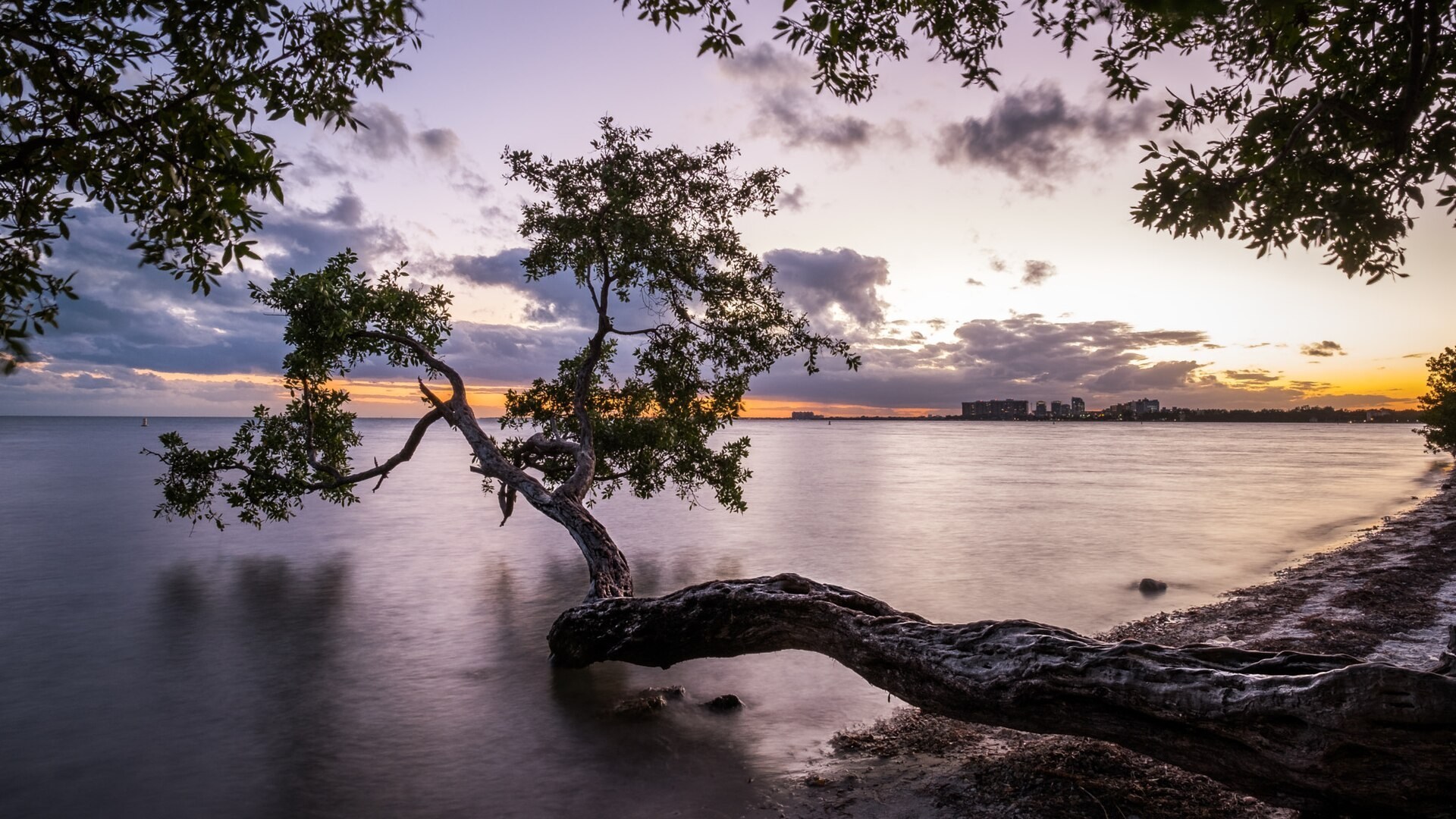
Key Biscayne offers several different coastal settings within a short drive. The village shore, Crandon Park, Bill Baggs and Biscayne Bay each need their own access plan. Choose the legal setting first, then match the fish, bait and method to its water.
Explore the guide ↓Keep the island's destinations separate
Key Biscayne is a place name rather than a single fishing facility. Village beach access, county-managed Crandon and state-managed Bill Baggs have different entrances and rules. Confirm the exact destination instead of searching for any patch of open shoreline.
Crandon includes swimming recreation, marina access and protected habitat. Bear Cut Preserve should not be used as a wading fishing route. Bill Baggs currently lists its fishing platforms as closed and excludes fishing on the ocean beach and in mangroves.
Ask the relevant park or village about any permitted shore position. A public walk is not automatically a fishing edge. Use the separate detailed park guides for current access distinctions.
A legal bay boat trip is another kind of outing altogether. It needs an authorized launch, navigation preparation and habitat care, not merely a rod and beach parking.
Decide which water suits the day
The Atlantic side faces ocean swell, while the bay side includes shallow flats, grass and deeper connections. A tackle choice made for one setting may be awkward in the other. Think about the water you can legally reach rather than carrying every possible rig.
A calm bay window can support careful sight fishing from a lawful route. A deeper authorized bay edge may suit a small bait presentation when glare or wind hides the flats. Offshore fishing requires a different boat and weather plan.
Shelter is relative. Wind can produce rough water in the bay, and a calm departure does not guarantee a calm return. Select a route with a realistic alternative before leaving the launch.
Watch a permit before making the cast
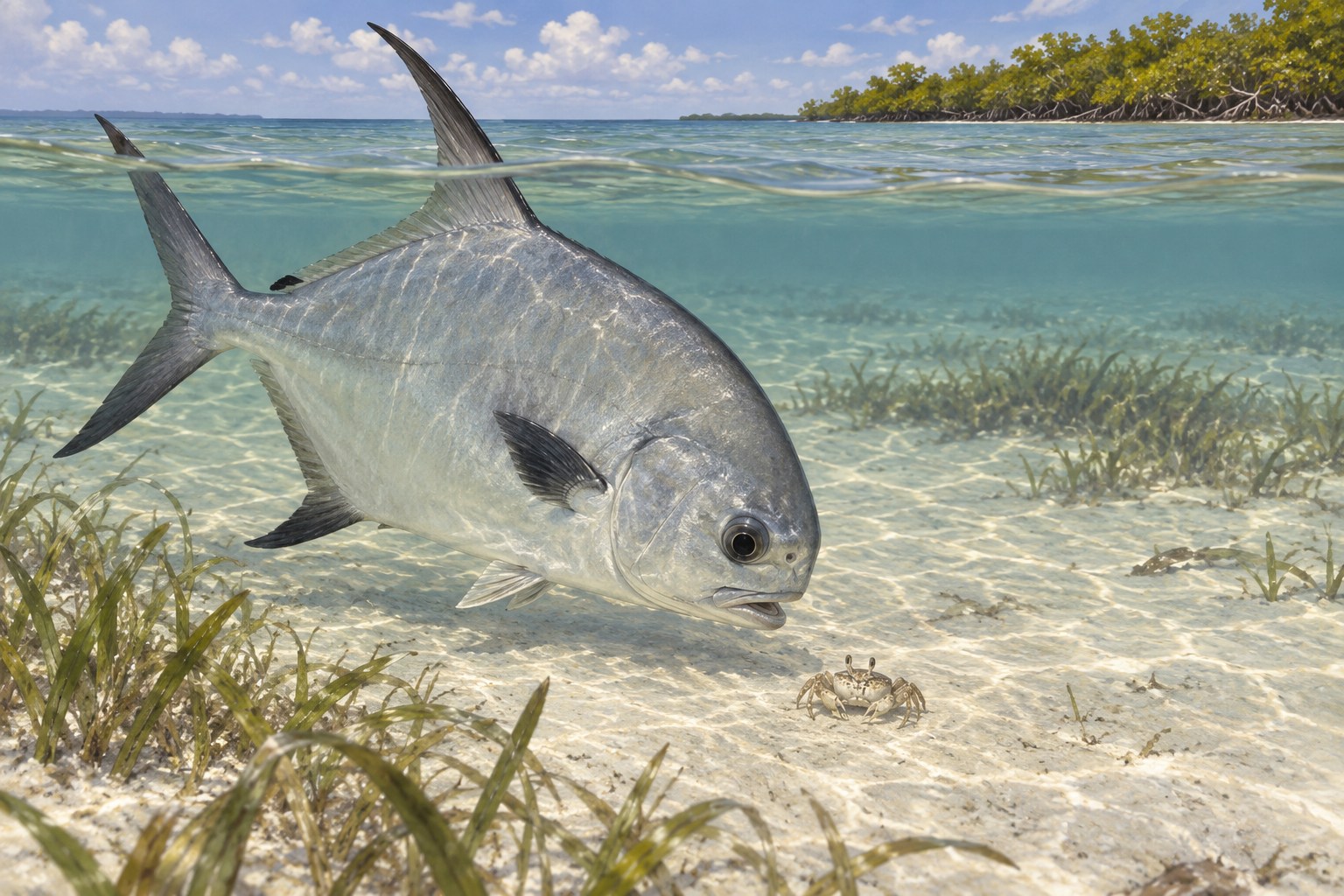
Permit search suitable flats for crabs and other bottom food. Their route and posture can be more useful than a blind long cast. Observe from an authorized position with enough room to keep the boat or angler quiet.
A crab presentation should meet a feeding fish without landing on it. Check current bait rules before choosing the setup. Wait for a clear angle instead of forcing the cast across another boat or protected habitat.
A strong run needs clear water and a sensible drag. Do not target a fish when the only available fight path crosses moorings or people. The illustration explains flats feeding rather than identifying an exact accessible flat.
Use shrimp knowledge for a quieter flats search
Bonefish also use suitable shallow bottom, but their search for small prey can call for a compact shrimp offering. Look for a tail, a moving shadow or a small group changing direction. Glare can turn grass patches into false fish sightings.
Place the offering ahead of the path and reduce unnecessary movement. Allow the fish to find it rather than repeatedly dragging it through the group. If the fish startle, pause and reassess the approach.
Shallow routes require more than sight-fishing skill. Know the legal access and navigable depth before moving across the bottom. Protect grass from propellers and anchors.
Choose a recoverable bay presentation when sight fishing is difficult
Mangrove snapper may feed near suitable deeper cover. A small shrimp piece or firm baitfish portion can test open water beside the edge. Follow the line closely and retrieve before it reaches an inaccessible snag.
Jacks may chase prey through a clearer open lane. A compact swimming lure can cover that moving opportunity without resting on the bottom. Stop the retrieve if its route approaches vessel traffic or another user's space.
Keep a leader check between catches. Rough cover and toothy encounters can damage a line that still looks usable at a distance. A short inspection is worthwhile before the next cast.
Choose a trip with the access and conditions it needs
A successful plan can be modest. Match the goal to the usable water and the crew's experience rather than treating every fish as available from shore.
| Trip goal | Suitable planning approach | Critical limit |
|---|---|---|
| Learn flats feeding | Legal quiet bay route and good visibility | Protected habitat and shallow navigation |
| Test small bay bait | Confirmed open recoverable edge | Snags, moorings and landing space |
| Visit a scenic park shore | Current park-specific visitor guidance | Walking access is not fishing permission |
| Fish offshore | Suitable vessel, forecast and safety plan | Return conditions and crew experience |
Use season and light to set expectations
Warm coastal water supports different prey activity from a sudden cool spell. Watch actual bait and water clarity rather than promising one fish throughout every month. A seasonal idea becomes useful only when the day's habitat and access also fit.
Higher light can improve flats visibility, while lower light can make an open-edge predator harder to see but more willing to move. Neither condition is universally best. Pick the method whose water can be read and controlled.
Keep a small record of wind, visible prey and the legal route used. That provides more useful return-trip information than a calendar date alone.
Check species rules before preparing the cooler
Verify current FWC licensing, bait and harvest requirements. Bonefish, permit, snook and snapper do not share one simple rule. Identify the fish before deciding what can be retained.
Support released fish, keep them wet and reduce handling time. Leave shallow habitat free of line and avoid damaging grass during departure. The island's fish depend on the same feeding areas that make it interesting to visit.
Common questions
Can I treat all of Key Biscayne as one public fishing beach?
No. Village, county and state settings have separate access and rules.
Are the Bill Baggs platforms available?
The reviewed park notice lists them as closed for repairs. Confirm any permitted open bay-side alternative with staff.
Where does the permit illustration point me?
It teaches general flats habitat. It does not identify a legal route, surveyed depth or guaranteed fish location.
What is a simpler first bay method?
A small controlled bait in confirmed legal recoverable water can be easier than a difficult flats target, provided landing and navigation are suitable.
Prepare for your visit
Check local tides and weather. Read more about snook, mangrove snapper, permit. Check current FWC saltwater fishing rules.