
PANHANDLE
Seacrest
fishing guide
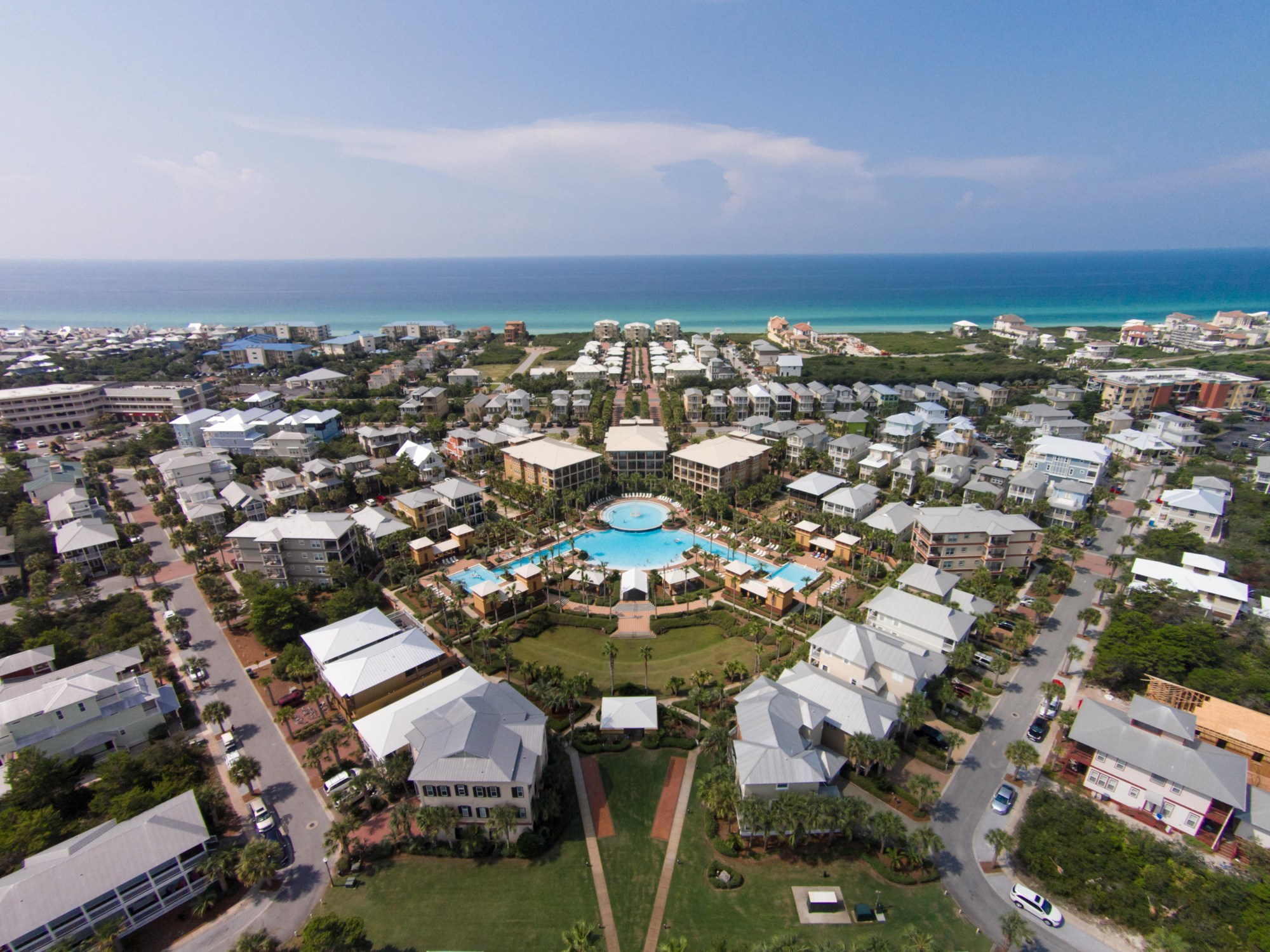
Seacrest includes small public neighborhood beach crossings as well as managed guest access. The names can be confusing, so choose a specific route before carrying tackle south of 30A. A compact surf session can then focus on clean sand, small baits and clear space.
Explore the guide ↓Choose a listed neighborhood access
Visit South Walton's directory lists Seabreeze Access 6 at 8286 East County Highway 30A and Seacrest Drive Access 5 at 8520 East County Highway 30A. Gulf Lakes Estates is another listed nearby crossing. These named routes are better planning references than a broad description that a rental is close to the beach.
Public neighborhood accesses are generally designed around walk-up use. Do not assume a substantial car park, restroom or a broad public frontage at every crossing. Check today's map, signs and boundaries. A private guest route bearing a Seacrest name may have different conditions from the county's listed neighborhood entries.
Confirm rental access rather than inferring it
Ask the accommodation manager which crossing is included with the stay and whether fishing is permitted there. A beach tram, gate code or access band may cover a particular guest route without settling every activity rule. Keep the response specific to the exact property and shore area instead of relying on another guest's old account.
If permission is unclear, plan a separate regional public beach with listed facilities. Inlet Beach is one nearby option to investigate. Do not move through private residential paths when a public crossing is busy. The outing needs a lawful route from parking to the water and back, not just a good-looking sandbar.
Pack for a walking access rather than a large park
A manageable rod, small bait container and essentials bag suit a neighborhood crossing. Long stairs or loose sand can turn a heavy load into the hardest part of the day. Check the return route and keep enough water for both directions. Do not put equipment across a narrow walkway while deciding where to go.
Hooks should remain covered during the approach. Keep rods controlled beside people on the 30A path and while crossing the road. A small kit makes it easier to use a different lawful access if the first shore lacks clear space. Additional outfits only help when every line can be watched and safely placed.
Look for a clean trough near the crossing
Observe the line of breaking waves and the calmer water beside it. A trough along a sandbar can hold small food and passing surf fish. Check the pattern through several sets rather than judging depth from a single shadow. Start with a modest accurate cast into the visible lane.
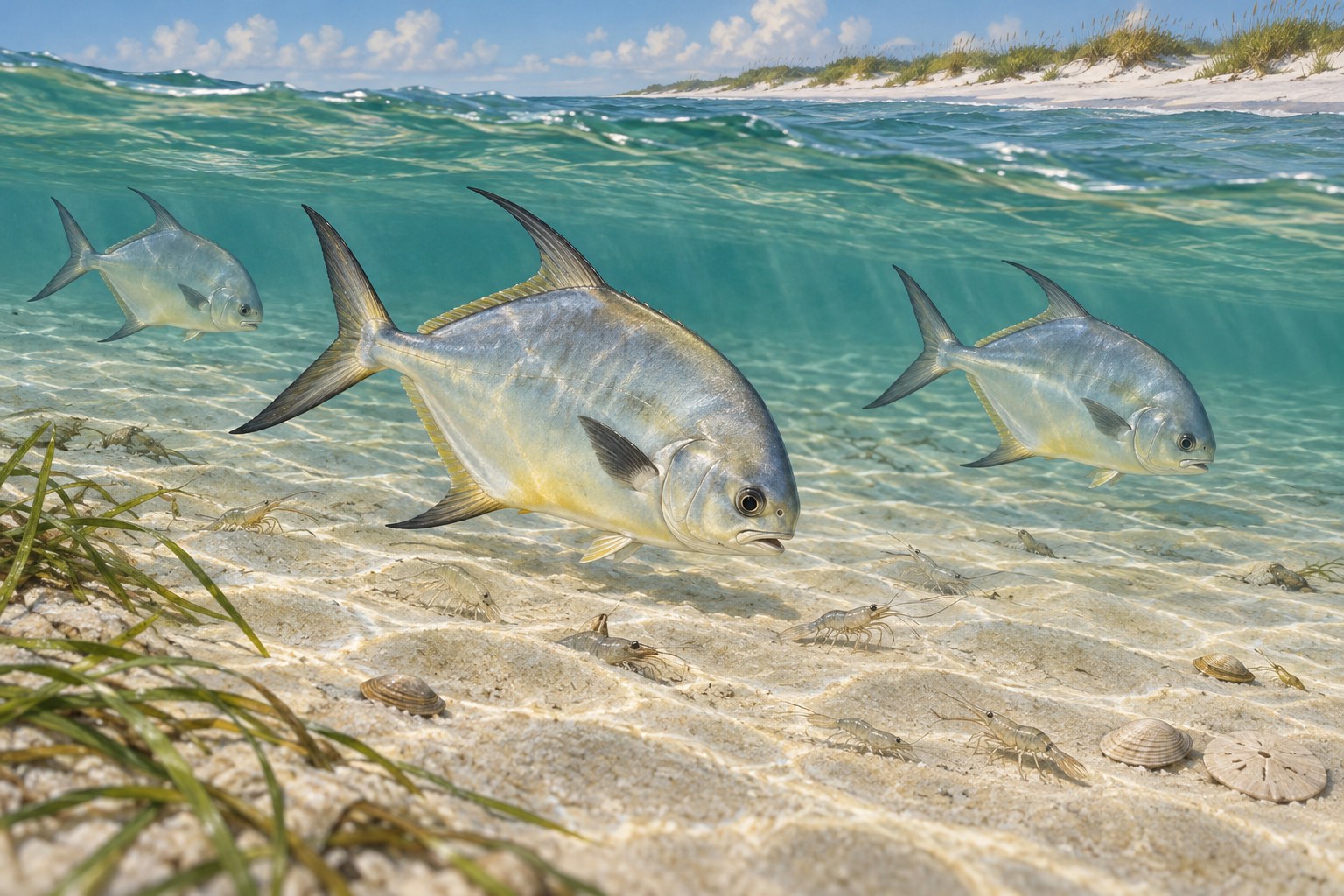
Whiting and seasonal pompano can be reasonable sandy-surf possibilities. A nearer range may be productive without demanding maximum casting effort. If a bar channel appears calm, remember that it may carry returning water. Keep the fishing position on firm sand and do not follow the feature offshore.
Use tidy offerings that survive the trip and cast
Shrimp pieces, sand fleas and prepared bait strips allow different compact tests. Choose a hook size that fits the offering and leave the point clear. A large loose bundle can catch air during the cast, fold over the hook or be removed quickly. More bait can create more problems than attraction.
Keep spare bait cool in the small container during the walk. Use fresh working portions and inspect often. When shrimp is repeatedly stripped without a visible strike, try shorter checks or a tougher small offering. If bait remains intact, compare a different trough distance before changing the entire setup.
Hold one line where it can stay clear
A sinker and rod should be matched to the amount of wash. Stay within the rod's rated casting weight and inspect the line for wear. Strong bow from side wind can move a rig even when the lead is on sand. Tighten excess slack and track the lane instead of setting the rod down and ignoring it.
Carry pliers and a measure in a position you can reach during landing. Put damaged hooks and leader offcuts straight into a closed container. The table helps separate travel, permission and presentation issues at small Seacrest crossings. None of them can be solved simply by adding a longer rod.
| Issue | What to check | Useful response |
|---|---|---|
| Unclear rental route | Current property authorization | Use only the confirmed crossing |
| No parking at a neighborhood entry | Official access facilities | Plan lawful walking transport or another entrance |
| Limited clear beach water | Swimming activity and line travel | Use one attended rod or pause |
| Bait lost in the wash | Hook size and bait firmness | Shorten the offering and inspect sooner |
Choose comfortable conditions for the walk and surf
Warm-weather trips need extra drinking water and a plan for lightning. A small crossing may have fewer services than a regional park. Cooler fronts can alter Gulf clarity and wind quickly. Spring and fall often attract pompano interest, but the useful decision is whether today's surf allows a clean controlled presentation.
Check flags at the access and assess the actual water, even if the tide forecast looks favorable. A tide time does not account for every local bar channel or gust. Be willing to shorten the session as swimmers arrive or the breeze builds. The return walk should remain comfortably within the group's ability.
Keep the dunes and narrow access open
Use the constructed crossing and avoid dune vegetation beside it. A shortcut can damage habitat and create a path that other visitors follow. Nesting enclosures should remain undisturbed. Do not place a cooler or rod holder where it blocks the route from the crossing to the beach.
Loose bait can attract shorebirds into hooks, particularly when space is already limited. Secure it before moving between positions. Watch the landing area as well as the cast; children may approach a caught fish without recognizing the tackle danger. A calm controlled unhooking is safer for people and better for the fish.
Make a confident harvest choice and remove every scrap
Identify a catch correctly and use current size, season and bag rules. Similar surf fish can require different decisions. A photograph from a neighboring property does not establish today's conditions. Release promptly when uncertain, keeping the fish supported with wet hands and minimizing contact with dry sand.
After reeling in, examine the sand around the bag and rod holder for small line pieces. Carry all packets and personal items back over the designated route. Seacrest's small entries work best when each fishing visit uses only the space it can lawfully and safely share, leaving the crossing clear for the next group.
Common questions
Which public Seacrest crossings are named in the tourism directory?
Seabreeze Access 6 and Seacrest Drive Access 5 are listed, along with nearby Gulf Lakes Estates.
Do neighborhood accesses have the same facilities as regional beaches?
Do not assume that. They are primarily walking entries, so confirm parking, restrooms and the exact route before arriving.
Does a rental beach-access band settle fishing permission?
Ask the property manager about the specific activity and shore area. A guest access arrangement may have additional rules.
How many rods should I bring to a small crossing?
Begin with one attended outfit and a compact kit. More lines are only appropriate when ample clear space and close monitoring are available.
Prepare for your visit
Check local tides and weather. Read more about florida pompano, whiting, permit. Check current FWC saltwater fishing rules.