
PANHANDLE
Camp Helen State Park
fishing guide
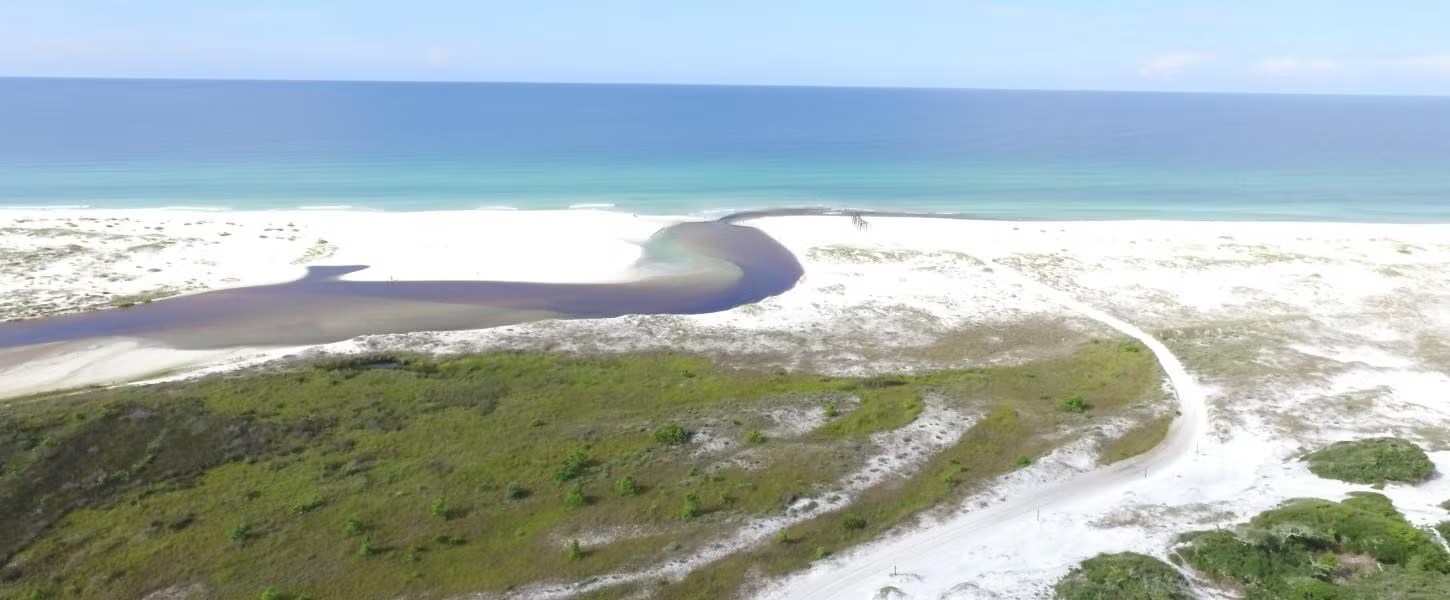
Camp Helen State Park offers Gulf surf and Lake Powell fishing in a distinctive coastal dune setting. The lake's connection to the Gulf can change the fishing possibilities. Confirm reopening first, then choose one approved route and do not rely on older kayak-rental information.
Explore the guide ↓Check the current gate and rental notices
The official Camp Helen page showed a storm closure notice when checked October 11, 2026. Confirm reopening with the park at 850-233-5059 before traveling. The entrance is 23937 Panama City Beach Parkway. Its normal daytime schedule does not prove that a temporary closure has ended.
The same page states that kayaks are not offered for rent, effective May 13, 2026. Older park learning pages still describe rental arrangements. Treat the newer notice as the planning guide and do not arrive depending on a hire craft. Ask staff about current personal-equipment launch conditions after reopening instead.
Choose Lake Powell or the Gulf after entry is confirmed
The park identifies freshwater and saltwater fishing opportunities. Lake Powell is a coastal dune lake that can connect with the Gulf through an outfall. That connection helps explain why its fish possibilities and water conditions differ from a typical inland lake. Observe the present setting instead of assuming one fixed salinity or species mix.
The Gulf beach is a separate surf environment with sandbars, waves and swimming activity. A lake-edge lure and a surf holding rig serve different tasks. Choose the main water for the group's ability, the day's weather and the route staff confirm as open. A focused first session avoids carrying two full camps through the park.
Ask about the fishing dock and open lake route
The park manager's page identifies a fishing dock as an angling opportunity. Confirm its current condition and permitted use when the park reopens. A dock or launch can be affected by weather and maintenance even when other paths are available. Do not climb barriers or use an old structure shown in a historic photograph.
The park's learning information also describes a personal kayak approach at the North Trail area. Verify the exact current launch and carry route before bringing a craft. Wear a flotation device, locate the return landing and consider wind over open water. The absence of rentals does not by itself establish today's personal-launch arrangement.
Use the lake's actual prey and cover to guide a cast
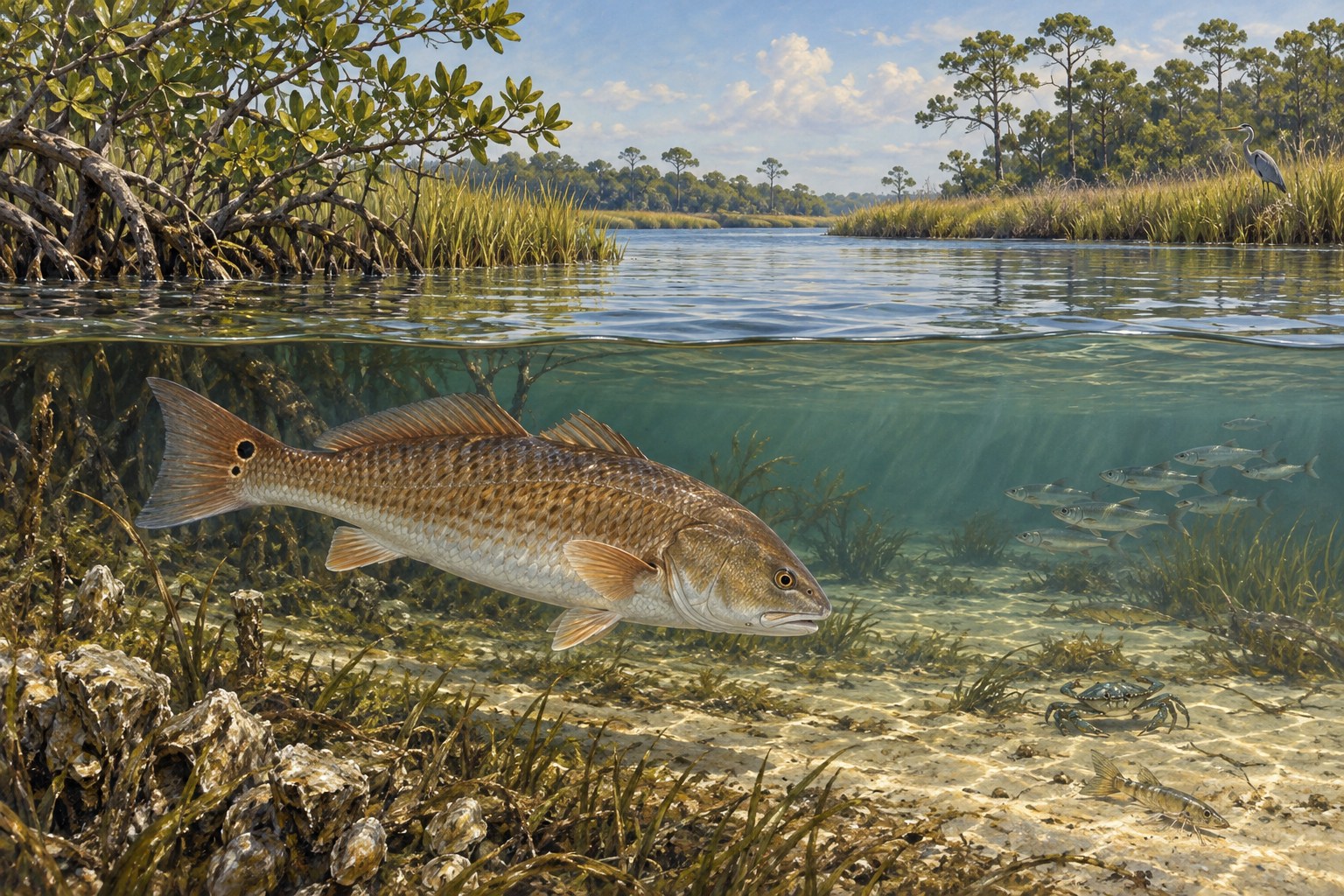
Park learning material lists redfish, spotted seatrout, mullet and bass among possible lake catches when coastal conditions suit them. That mixed list is not a promise that all species will be present at one bank. Observe water clarity, prey and bottom cover. Ask staff about appropriate license conditions for the specific activity.
A small soft plastic can search an open sand edge, while a suitable bait under a float can stay above vegetation. Choose the offering for the target and actual water, not just the park's name. If cover gathers on the hook every cast, shorten the depth or select a cleaner approved lane rather than tearing repeatedly through plants.
Test a compact bait on the Gulf sand
Whiting and seasonal pompano interest provide a practical surf starting point. Watch waves for the trough alongside the first shallow bar. Use a small shrimp piece, sand flea or bait strip with a hook suited to its size. Place the offering where you can repeat the cast and keep the whole line controlled.
A holding weight must fit the rod's rating. Check bait regularly because small feeders and waves can remove it without a clear strike. A gap near an outfall or sandbar may also carry strong flow. Stay on stable beach and do not wade into moving water simply because it appears likely to carry fish.
Prepare tools for the chosen setting
A modest lake outfit and a surf rig may share pliers and a measuring tool, but their working weights differ. Select the main method and keep any backup compact. Secure hooks during the walk past historic buildings and shared routes. Bring water and cooled bait only where its use is permitted.
The table compares starting approaches without declaring a universal best tide or guaranteed catch. Each method depends on current access and the water present. A helpful observation should lead to one purposeful change, not a wholesale replacement of tackle after every quiet cast.
| Setting | Starting test | Useful adjustment |
|---|---|---|
| Open lake sand edge | Small controlled soft plastic | Reduce weight if it drags into cover |
| Suitable vegetated lake margin | Bait suspended above plants | Shorten float depth after fouling |
| Gulf trough | Compact crustacean bait | Compare a second clear range |
| Fishing dock | Current staff-approved method | Keep walkways and other users clear |
Observe the outfall without altering or entering it
Lake Powell's connection can open or close as coastal conditions change. Moving water can carry prey, but it can also create unsafe footing and strong flow. Do not dig, deepen or force the opening. Use it as a habitat observation from an approved position instead of treating it as an access route.
A tide forecast for the coast does not describe every change in lake level or outfall flow. Watch actual movement and ask staff if uncertain. Wind can also make a lake return paddle harder than the outward trip. Keep the route conservative and turn back before weather removes the easy landing option.
Protect the natural and historic setting
Camp Helen is a day-use park with restored historic buildings as well as natural habitat. Keep tackle handling separate from visitor surfaces and walking paths. Old pier remains and historic images do not establish current climbable fishing structures. Use staff-approved positions, not whichever rail or remnant looks close to deeper water.
Stay out of dunes and nesting enclosures, and avoid feeding birds with scraps. Put exposed hooks away before moving between the lake and beach. Hot weather requires enough water for the return walk; thunderstorms require an earlier exit to suitable shelter. The park's scenic setting does not remove those ordinary coastal hazards.
Use the right fish rules for a mixed-water place
Confirm licensing and current species requirements for the chosen activity before casting. A lake name alone does not resolve freshwater and saltwater conditions. Identify a catch accurately, measure it properly and release promptly when uncertain. Keep the fish supported with wet hands and avoid delaying release for a long photograph.
Collect clipped leaders and every packet before the walk back. No fishing method here needs damaged tackle left along a historic path or lake bank. Camp Helen's appeal is the connection between different coastal environments, best enjoyed with a clear access check, an observed water condition and a carefully chosen presentation.
Common questions
Is Camp Helen confirmed open after the storm notice?
Its official page showed closure on October 11, 2026. Confirm reopening before planning a visit.
Can I rely on park kayak rentals?
No. The current main page says rentals stopped May 13, 2026, even though older learning information still describes them.
Does the park identify a fishing dock?
The manager's page does. Check its current condition and permitted use after reopening.
Why can Lake Powell have different fish from an inland lake?
It is a coastal dune lake with a changing Gulf connection. Actual water conditions and prey help guide the target and method.
Prepare for your visit
Check local tides and weather. Read more about florida pompano, whiting, permit. Check current FWC saltwater fishing rules.