
SPACE / TREASURE COAST
Robert P. Murkshe Memorial Park
fishing guide
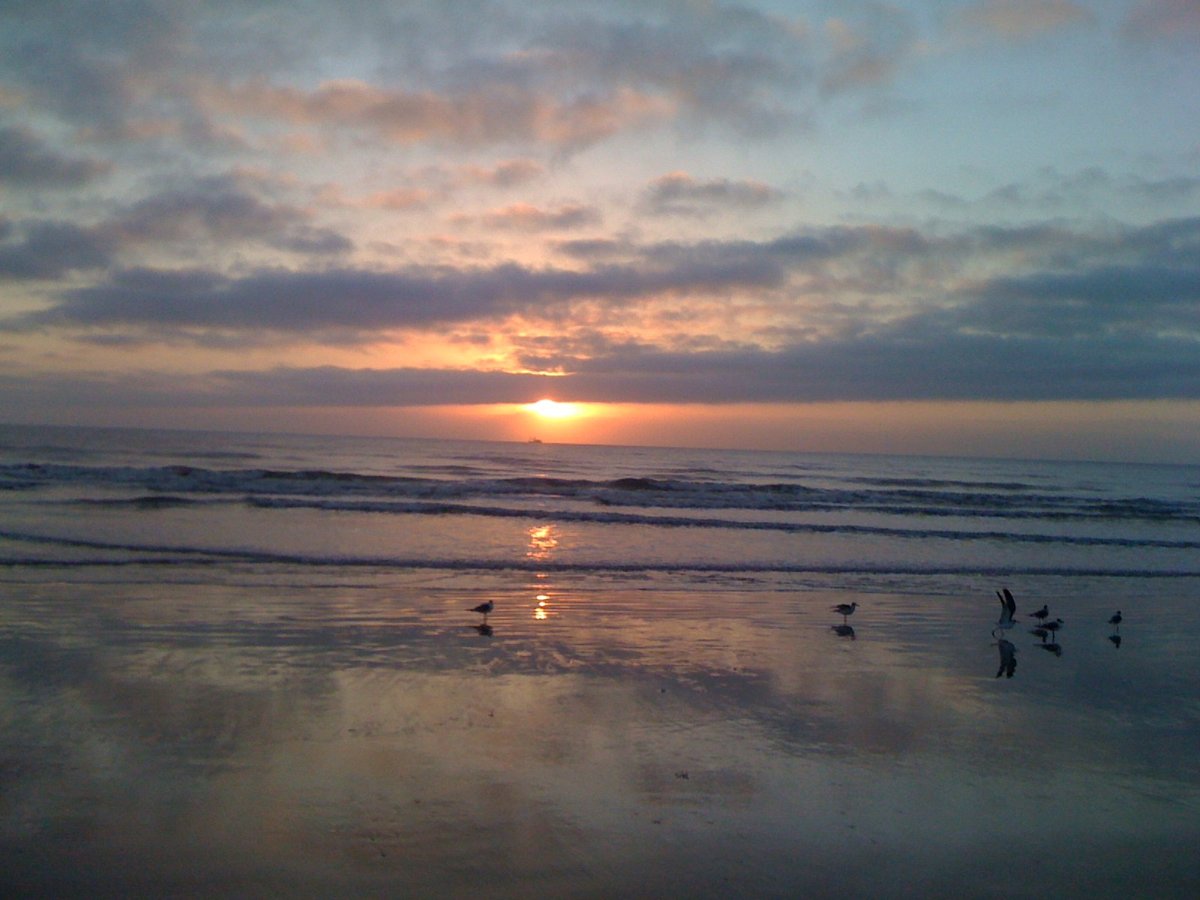
Small Cocoa Beach park with paved approach to dune crossover.
Explore the guide ↓Plan your access
Small Cocoa Beach park with paved approach to dune crossover.
County explicitly lists Atlantic surf fishing.
Start light at Murkshe Memorial Park
Walk the paved approach and take a look from the crossover before unloading extra gear. Work the near trough with shrimp on a small bottom rig while the water stays clear of swimmers.
The lot is small. If you find a crowded beach or heavy surf on arrival, keep a second legal access in mind rather than casting through the occupied stretch.
Separate the access choices at Robert P. Murkshe Memorial Park
Take the paved route to the crossover and choose an open casting lane once on the sand. Set a meeting location before carrying gear down to the Atlantic surf at Robert P. Murkshe Memorial Park. Confirm that the path to the fishing position is open, that you can keep your line clear of anyone using the water, and that a hooked fish can be brought to you without crossing a ramp or another person’s space. Pick a separate option if the only available position is closed or occupied.
Read the shape of the first wave
Look for a nearshore trough where water remains darker between sets. A wave breaking outside that strip and fading over it suggests room for a short cast. Watch long enough to see whether each set shifts the safe standing area. A small piece of shrimp placed just beyond the wash can test the location without reaching over the far bar.
If the rig tumbles back bare, check whether the bait washed off before choosing a heavier sinker. Make a shorter cast and keep the rod high enough to reduce bow in the line. A crowded beach calls for frequent retrieves, so use one rod and pack it away when swimmers or walkers approach.
Use a small bait and check it often
A hook that returns bare after a minute tells you something different from one that comes back clean after a long wait. Shorten the time between checks and leave the point of the hook clear. Give each lane two clean presentations before changing distance. If you still cannot tell whether the bait is fishing, choose a closer position with more control.
At Robert P. Murkshe Memorial Park, give the local method above a short test before setting out more equipment. A moving bait may draw attention while still being hard to keep in place. If you need to choose between control and distance, use the shorter retrieve. Watch what happens on the way back to your position before deciding whether to change the bait.
Choose tide, daylight and room together
A tide table tells you when water is expected to turn. It does not tell you whether the usable shore will be covered or whether the wind will drag the line sideways. Check local conditions from the access before moving to the water. Plan a short first session with time for a second stop if the original position is busy.
Watch whether the current stays stable for several minutes or arrives in bursts from wakes and wind. The first case can give you a predictable drift. In the second, set the rod down between passes and wait for a more useful interval. End the trip when the return becomes less manageable.
Prepare a landing plan before the first cast
Look for a place where you can reach the fish from solid ground or the approved deck. Choose a tackle weight that can bring the fish toward that spot. Keep pliers where you can reach them and avoid lifting a large fish by a leader or climbing down for it. If the location gives you no reasonable landing angle, pick another one.
Decide before you go what will make you change the plan. Closed access, an unusable landing, crowded shore and a falling tide can all be good reasons. Pick a confirmed alternative before leaving so the decision is easy. On the way out, check the water and ground around the position for loose leader, bait wrappers and hooks.
Choose a first target around the Atlantic surf at Robert P. Murkshe Memorial Park
Whiting and pompano are possible surf targets when the water lets a bait settle. A small piece of shrimp on a single-hook rig gives you a useful first test in the nearest trough. Keep the rig as light as conditions allow, and bring it in whenever swimmers or other visitors enter your path.
Make a short first session at Robert P. Murkshe Memorial Park
For a first session at the Atlantic surf at Robert P. Murkshe Memorial Park, make the opening cast a short one. Count how long the lure or bait takes to reach the depth you want, then retrieve it along the same route. Give the line a little time to show you the water movement. A short cast is easier to repeat when the best angle is beside a bank or piling. Check the first retrieve for vegetation and abrasions. Move the bait up in the water if it keeps returning covered in grass.
Common questions
Where should I start at Robert P. Murkshe Memorial Park?
Take the paved route to the crossover and choose an open casting lane once on the sand. Walk to the open facility before committing to a rig or choosing a casting direction.
How can I tell when to move?
If two clean casts still put your line into boat traffic, grass or other visitors, move to a clear approved position. Change the spot first if the problem is the available room, and change tackle if you have a good lane but the bait will not stay in it.
Is a listed launch also a fishing spot?
Use the current site signs to identify each activity. A boat or kayak launch needs to remain clear even if the same park has a separate pier or shore fishing area.
Check the rules before you fish
Review Florida recreational saltwater rules for current license and species requirements. Follow the managing agency’s access instructions and any facility restrictions. Research notes and photograph credit.