
Plan your access
County lists saltwater fishing.
Inland waterway facility distinct from oceanfront Juno Beach Park.
Choose the Intracoastal Juno Park
Use the waterway park for a sheltered fishing plan and check the signed fishing position. A shrimp bait close to a depth change is a reasonable first cast here.
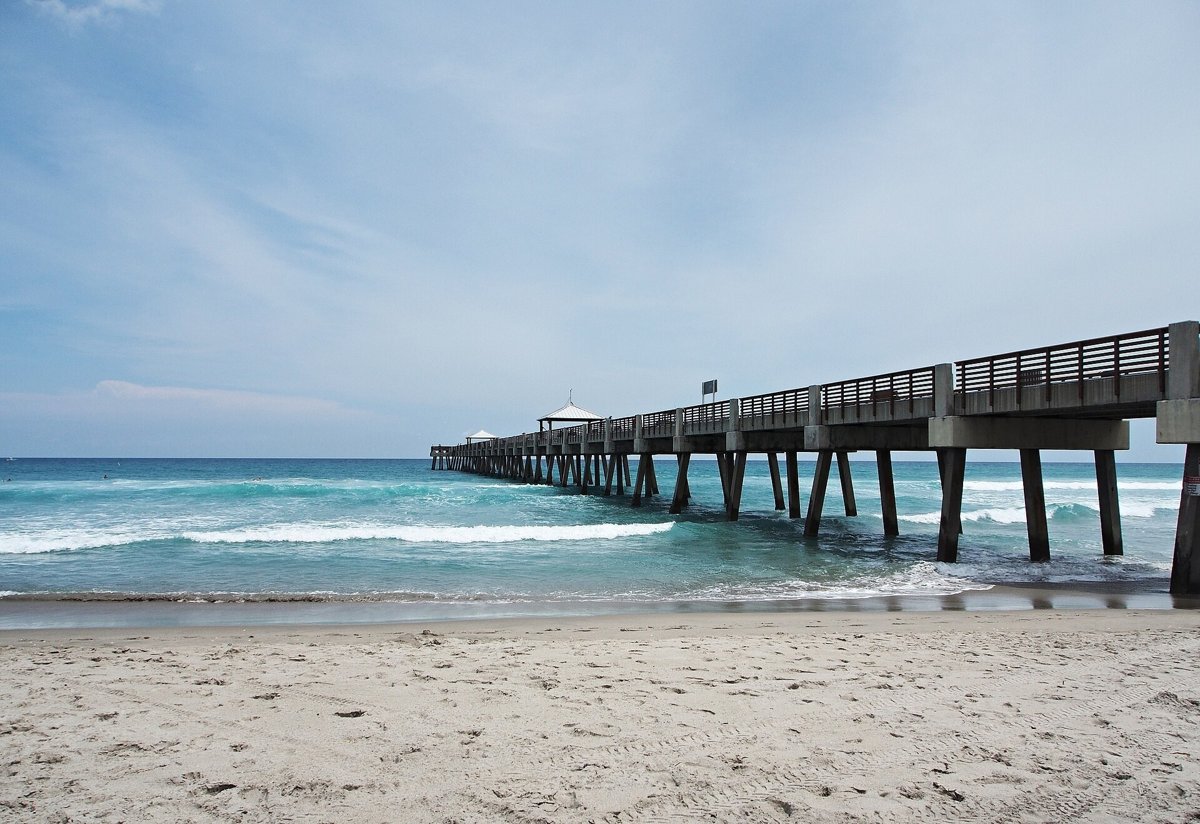
If you meant to fish over the Atlantic surf, you need Juno Beach Park instead. Double-check the name before driving to the water.
Separate the access choices at Juno Park
Use the county waterway park for this trip. Juno Beach Park is a separate oceanfront destination. Set a meeting location before carrying gear down to the Intracoastal shore at Juno Park. Confirm that the path to the fishing position is open, that you can keep your line clear of anyone using the water, and that a hooked fish can be brought to you without crossing a ramp or another person’s space. Pick a separate option if the only available position is closed or occupied.
Look for a change where the bank meets the bay
A flat shoreline is easier to fish if you identify a grass edge, a small drain or the outside of a point first. When water passes a corner, prey can cross the edge of the shelter. Fish the quieter side where you can retrieve a bait without dragging it through grass or across a launch lane.
Choose a leader length that lets your bait ride just above the bottom rather than grabbing leaves or shell. If the water is too shallow to fish the same setup without dragging, raise the bait or switch to a small lure that you can swim steadily. Use a clear landing spot you can reach from public ground.
Change the line angle before adding weight
Notice whether the rig moves because the sinker rolls or because the wind is pulling on a bow in the line. Raise the rod and shorten the cast for another try. If the rig still moves out of your lane, change sides or wait for slower water. A heavier sinker only helps when you still have room to bring it back.
At Juno Park, give the local method above a short test before setting out more equipment. A moving bait may draw attention while still being hard to keep in place. If you need to choose between control and distance, use the shorter retrieve. Watch what happens on the way back to your position before deciding whether to change the bait.
Set a first-visit window you can change
Start in daylight when possible. It is easier to read parking signs, identify the working access and decide whether the route from the vehicle fits the gear you brought. The best predicted tide still needs enough open room for the cast and retrieve. If the only available position is unsafe or occupied, keep your alternate.
Summer storms and rising wind can make a quiet stretch unusable before the tide reaches its forecast peak. Watch for developing weather, and leave time to pack before conditions deteriorate. A short outing that teaches you one useful tide or access detail is enough for a first visit.
Pack for a short, flexible session
Carry one small tackle box, a landing tool that fits the position and enough leader for a few replacements. Bring water and give yourself time to find the entrance while there is daylight. Keep the load manageable so you can move to a second location without returning to the vehicle for several trips.
Decide before you go what will make you change the plan. Closed access, an unusable landing, crowded shore and a falling tide can all be good reasons. Pick a confirmed alternative before leaving so the decision is easy. On the way out, check the water and ground around the position for loose leader, bait wrappers and hooks.
Choose a first target around the Intracoastal shore at Juno Park
Spotted seatrout and redfish are possibilities in suitable lagoon or estuary habitat. Start with a small jig in an open strip between vegetation and moving water, or let a shrimp drift under a float. Keep each drift short enough to stop before it reaches an adjacent dock or channel.
Make a short first session at Juno Park
Build your visit around the part of the Intracoastal shore at Juno Park that you can actually use. Take a few minutes to watch arrivals and departures and see which direction foot traffic passes the fishing area. Leave spare rods packed until there is room. On a brief outing, knowing where to stand and how you will bring the fish in matters more than finding the longest cast. Set a second stop on the route if the main area has no legal casting position.
Common questions
Where should I start at Juno Park?
Use the county waterway park for this trip. Juno Beach Park is a separate oceanfront destination. Walk to the open facility before committing to a rig or choosing a casting direction.
How can I tell when to move?
If two clean casts still put your line into boat traffic, grass or other visitors, move to a clear approved position. Change the spot first if the problem is the available room, and change tackle if you have a good lane but the bait will not stay in it.
Is a listed launch also a fishing spot?
Use the current site signs to identify each activity. A boat or kayak launch needs to remain clear even if the same park has a separate pier or shore fishing area.
Check the rules before you fish
Review Florida recreational saltwater rules for current license and species requirements. Follow the managing agency’s access instructions and any facility restrictions. Research notes and photograph credit.