
- Published
- August 20, 2026
- Author
- hebdj
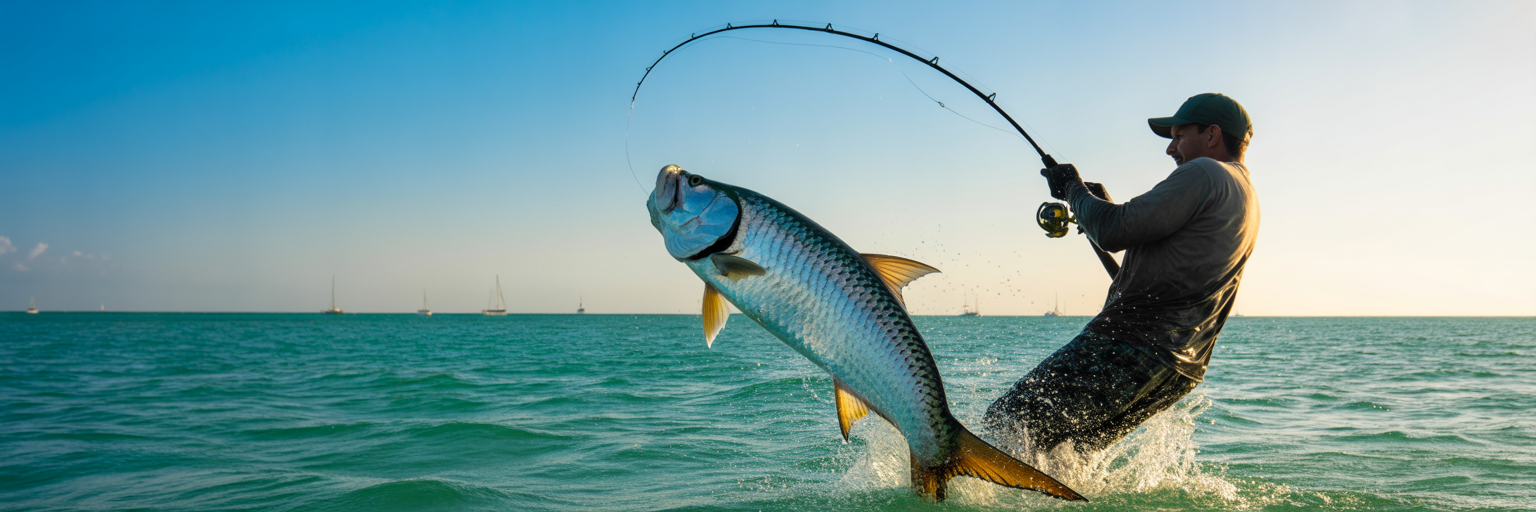
The Silver King is Florida’s premier inshore gamefish, a bucket-list catch known for explosive runs and acrobatic leaps. These powerful fish patrol coastal waters, meaning your battle will likely happen in bays, passes, and along beaches, not far offshore.
Getting ready for your first trip can feel overwhelming, but it doesn’t have to be. While some guides might call it an offshore trip, the real action for tarpon happens close to land. The most important thing to remember is that your captain’s local knowledge is your greatest asset. They live and breathe these waters and have their boat rigged with perfectly matched gear for the day’s conditions. This guide is here to help you understand the equipment, baits, and techniques you will encounter on your tarpon fishing charter. With the right preparation, you will be ready for the fight of a lifetime. At Hook Current, we believe that preparation is the first step to any great day on the water.
Preparing for Your Florida Tarpon Fishing Trip
Tarpon are often found in coastal waters, bays, passes, channels, and near bridges and beaches. While some Florida charters might describe these trips as offshore, the fishing itself is typically a nearshore pursuit. The terminology is less important than understanding the environment. You will be targeting powerful fish in dynamic, current-filled areas.
Your charter captain is the expert. They have spent countless hours figuring out the local patterns, and their boat is equipped with the right tackle for the job. Trust their guidance above all else. This article will give you the background knowledge to understand the gear your captain provides, select the best baits and lures for the situation, and prepare yourself for an incredible experience. Let’s get you ready to connect with one of the most exciting fish in the ocean.
Essential Rods, Reels, and Line for Tarpon
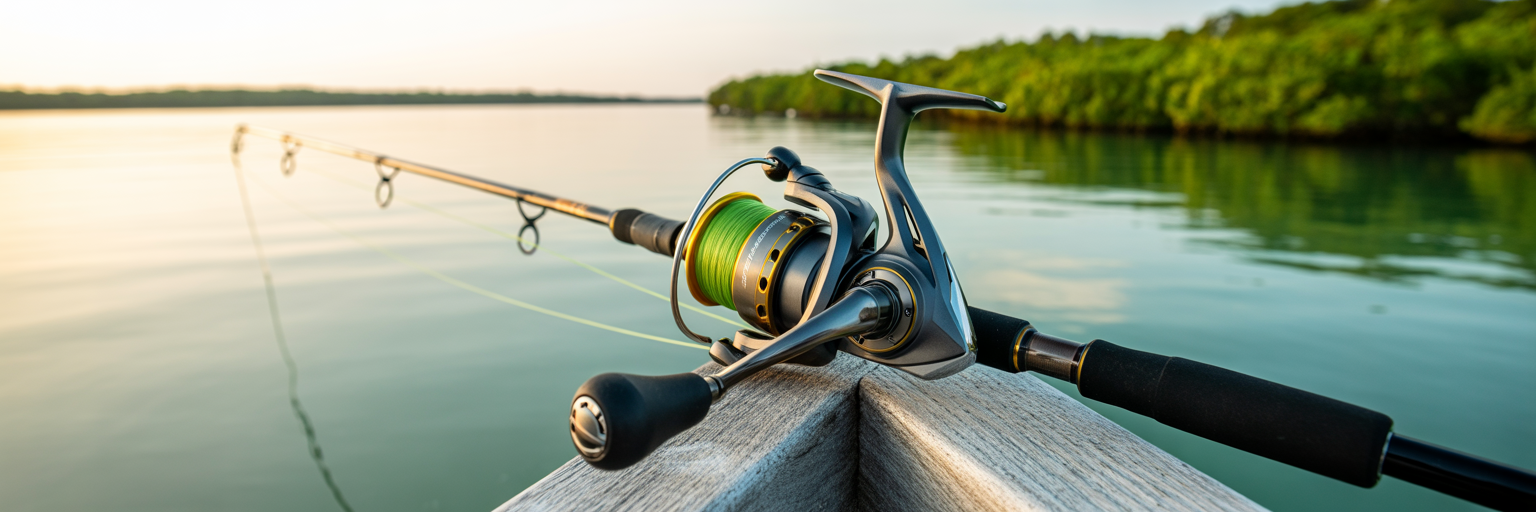
Having the right tarpon fishing gear is not just about landing the fish, it is about respecting its power. Your captain will provide a balanced setup, but understanding the components will make you a more effective angler. Most charters use spinning tackle for its versatility and ease of use, which is perfect for casting live baits and lures.
Rods: Power and Action for the Silver King
For most Florida tarpon fishing situations, you will be using a 7 to 7.5-foot spinning rod. The key is a combination of medium-heavy to heavy power with a fast action tip. The rod’s power provides the backbone needed to pressure a big fish and turn its head during the fight. The fast action gives you the sensitivity to feel the bite and the responsiveness to set the hook firmly when using J-hooks with artificials. This setup is also ideal for casting heavy live baits like crabs or mullet into the current.
Reels and Line: Winning the Battle
A tarpon’s first run can strip hundreds of feet of line in seconds, so a high-quality reel is non-negotiable. Look for spinning reels in the 5000 to 10,000 class with a smooth, sealed drag system. Ample line capacity is crucial. Most charter captains spool their reels with braided line for its strength and thin diameter. For a deeper look into tackle, check out our guide to essential gear for Florida inshore fishing.
Braided line strength depends on the target fish and environment:
- 40-50 lb Braid: Excellent for smaller tarpon on open flats or beaches.
- 50-65 lb Braid: The all-around workhorse for most charter situations in passes and channels.
- 80 lb+ Braid: Necessary for trophy tarpon fishing around heavy structure like bridges, where you need to stop a fish quickly.
Leaders: The Critical Connection
The leader is the invisible link between your line and the hook. A 4 to 8-foot section of 60 to 100 lb test fluorocarbon or monofilament leader is standard. Fluorocarbon is preferred in clear water for its low visibility, while durable monofilament is a great choice around abrasive structures. Your captain will adjust the leader strength based on water clarity, current, and the size of the fish being targeted.
| Setup Type | Rod | Reel Size | Braided Line | Leader | Best For |
|---|---|---|---|---|---|
| Lighter Coastal Setup | 7′ Medium-Heavy, Fast Action | 5000-6000 | 40-50 lb | 60 lb | Smaller tarpon (20-60 lbs) on flats and beaches |
| All-Around Charter Setup | 7′ – 7’6″ Heavy, Fast Action | 6000-8000 | 50-65 lb | 80 lb | Versatile use in passes, channels, and nearshore |
| Heavy Structure Setup | 7′ Heavy or Extra-Heavy, Fast Action | 8000-10,000 | 80-100 lb | 100-125 lb | Large tarpon near bridges, deep channels, and strong currents |
Choosing the Best Live Baits and Lures
While tarpon will hit a variety of offerings, live bait is often the most reliable ticket to a bite. Your captain’s baitwell will be stocked with what the fish are actively feeding on, a decision driven by season, location, and tide. Understanding the dietary habits of these fish is key, and you can learn more from our detailed profile on tarpon.
The best bait for tarpon often depends on the region, but here are the top producers across Florida:
- Live Blue Crabs: The undisputed king in many passes like Boca Grande. They are typically free-lined or fished on the bottom.
- Mullet: A universal favorite, whether it is smaller finger mullet or larger sizes for trophy fish.
- Threadfin Herring and Pilchards: Excellent choices when tarpon are feeding on schools of baitfish along beaches.
- Pinfish: A hardy bait that sends out vibrations tarpon can’t resist.
- Large Shrimp: Especially effective during the spring and early summer, free-lined with the current.
When it comes to artificials, the goal is to match the local forage. Large swimbaits, soft-plastic jerkbaits, and paddle tails are incredibly effective. In deeper channels or around bridges, a heavy jig gets down into the strike zone. For heart-stopping action, nothing beats a topwater plug during low-light periods. In clear water, stick to natural silver and white profiles. For stained water or at night, darker silhouettes or chartreuse can trigger aggressive strikes.
What to Bring vs. What the Charter Provides
One of the best parts of a charter is that the captain handles the heavy lifting. You can step aboard knowing the most important equipment is already there. This lets you focus on the experience instead of worrying about gear.
What Your Captain Provides:
- Perfectly matched rods and reels for the day’s conditions.
- All terminal tackle, including hooks, leaders, and weights.
- A full baitwell of fresh, live bait and a selection of proven lures.
- All required Florida fishing licenses for everyone on board.
- USCG-approved safety equipment, including life jackets.
What You Should Bring:
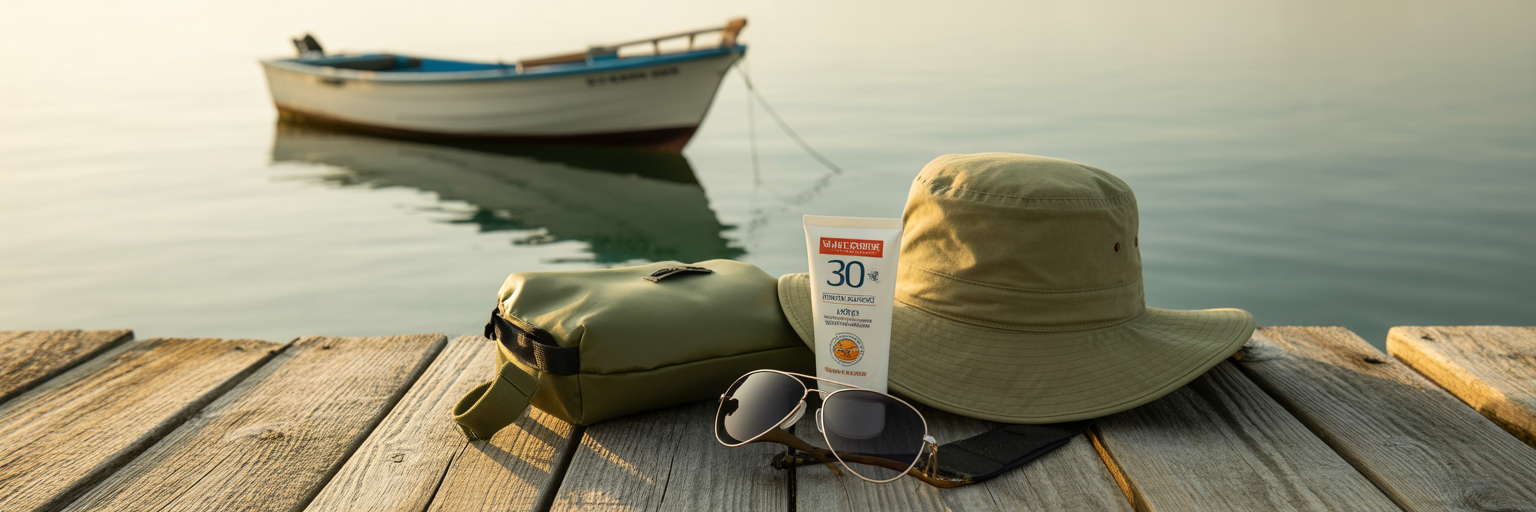
- High-Quality Polarized Sunglasses: This is the single most important personal item. They cut through the glare, helping you spot fish and protect your eyes.
- Sun Protection: A wide-brimmed hat, a UPF long-sleeve shirt, and reef-safe sunscreen are essential.
- Non-Marking Shoes: Deck-friendly shoes with good grip are a must for safety and to keep the boat clean.
- Small Dry Bag: To protect your phone, wallet, and keys from spray.
- Motion Sickness Medication: If you are prone to it, take it before you leave the dock.
Before your trip, it is always a good idea to connect with your captain. Ask questions like, “Do you prefer I use your tackle?” or “Is there anything specific you recommend I bring?” This shows respect for their expertise and ensures you are fully prepared.
Fighting and Handling Tarpon Correctly
Hooking a tarpon is one thing, but landing it is another. The key to learning how to catch tarpon is technique, not brute force. Many first-timers make a few common mistakes, but you can avoid them with a little knowledge.
First, when fishing with circle hooks and live bait, do not perform a traditional hookset. Instead of jerking the rod up, simply point the rod at the fish and reel down until the line comes tight. The circle hook will slide to the corner of the fish’s mouth and set itself. Second, when the tarpon jumps, you must “bow to the king.” Lower your rod tip and point it directly at the fish. This creates a bit of slack, preventing the violent headshake from throwing the hook.
Fight the fish using the rod’s leverage, applying steady pressure and changing angles to keep it off balance. Understanding how environmental factors influence the fight is also crucial, as tides and weather can add another layer of challenge. Finally, prioritize the health of the fish. According to the Florida Fish and Wildlife Conservation Commission, tarpon over 40 inches in fork length must remain in the water during release. As the FWC highlights, this practice dramatically increases their survival rate. Your captain will help you get a quick, safe photo boat-side before reviving the fish. Hold it gently in the water, facing the current, until it swims away strong. A healthy release ensures these magnificent fish are here for generations to come.