
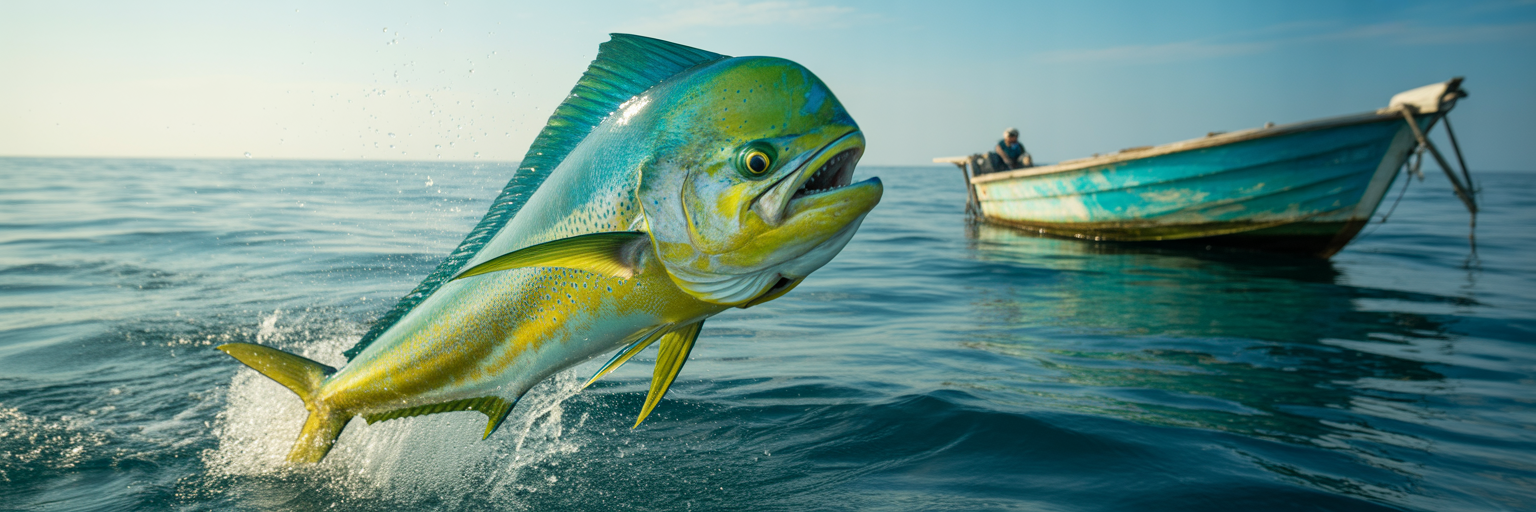
The deep blue waters off the Florida coast hold countless secrets, but few are as vibrant and thrilling to uncover as the flash of a Mahi Mahi. These acrobatic fighters represent the pinnacle of offshore adventure for many anglers.
The Thrill of Mahi Mahi Fishing Florida
There is nothing quite like the moment a Mahi Mahi strikes. One second, you are trolling under the warm Florida sun, and the next, your reel is screaming as a streak of electric blue, green, and gold erupts from the water. This is the heart of Mahi Mahi fishing Florida, an experience that combines the beauty of the open ocean with pure adrenaline. Known also as dolphinfish, these fish are celebrated not just for their spectacular colors and powerful leaps, but also for being one of the best-tasting rewards you can bring back to the dock.
The adventure begins long before the first bite. It is about the early morning departure, the salty spray, and the shared anticipation of what the day will bring. The peak season generally runs from spring through summer, when warmer waters bring these fish closer to shore. A successful day on the water is a mix of skill, preparation, and a little bit of luck. In this guide, we will cover exactly where to find them, the gear you need for the fight, and the proven techniques to turn a good day of Florida offshore fishing into a great one.
Where to Find Mahi in Florida Waters
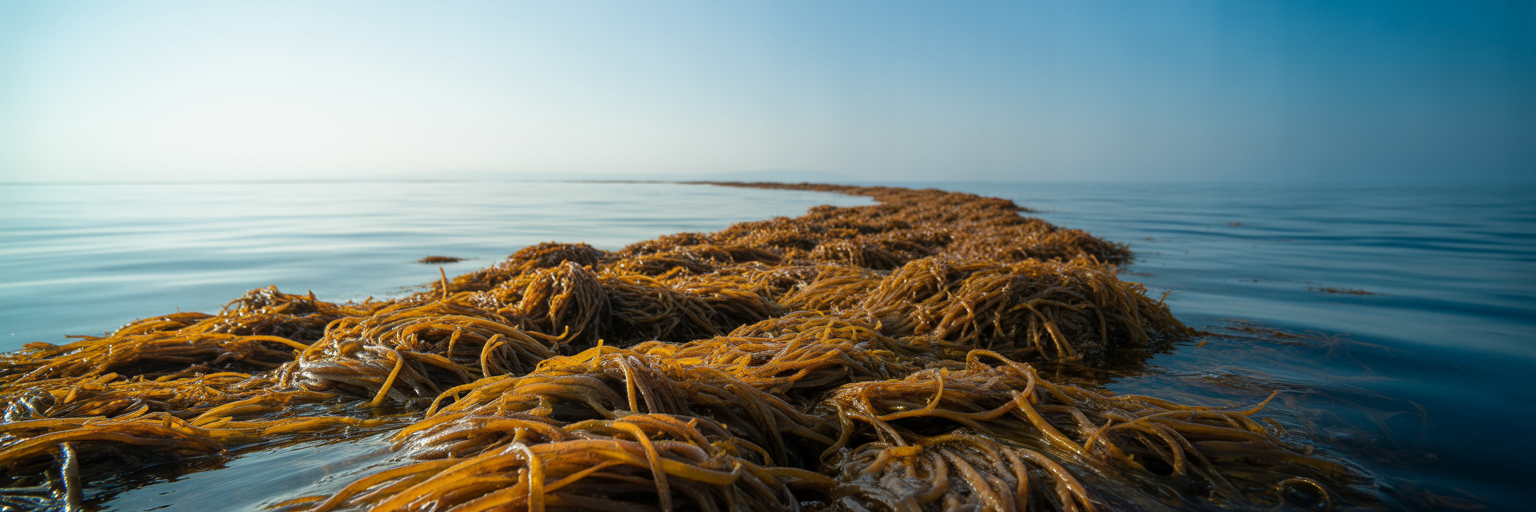
Finding Mahi is all about finding their food. These aggressive predators are constantly on the move, and locating them means reading the ocean’s surface for clues. The single most important feature to look for is a sargassum weed line. These floating golden-brown mats of seaweed are not just random patches, they are entire ecosystems. They provide cover for countless small baitfish and crabs, creating a concentrated buffet that Mahi find irresistible. Successful sargassum weed line fishing involves trolling along the edges of these lines, watching for the telltale flash of a hungry fish.
While weed lines are the top prize, other offshore structures also hold plenty of fish. Keep a sharp eye out for:
- Current rips and eddies where different bodies of water meet, trapping bait.
- Significant temperature breaks, which you can find on your boat’s electronics.
- Floating debris like logs, pallets, or even discarded buoys that provide shade and structure.
Mahi prefer warm water, typically around 82°F (28°C), so paying attention to your sea surface temperature gauge is critical. A successful day often starts at home, by checking satellite imagery and understanding the local tides and weather patterns to pinpoint the most promising zones before you even leave the dock.
Gearing Up for an Epic Fight
Having the right equipment ready is the difference between a fish story and fish in the cooler. You do not need an arsenal of overly heavy gear, but you do need setups that can handle both trolling for hours and casting to a frenzied school of fish. For a primary Mahi Mahi trolling setup, think versatile and strong. A 7-foot medium-heavy action rod paired with a 6000 to 8000 series spinning reel or a conventional reel is ideal. Spool it with 50-pound braided line, which gives you great sensitivity and strength. Many experienced anglers add a 50-yard monofilament top shot to provide some stretch, which acts as a shock absorber when a big bull Mahi makes a sudden run or acrobatic jump.
Your leader is the business end of the setup. A 60 to 80-pound fluorocarbon leader is perfect for trolling, as it is nearly invisible underwater and tough enough to withstand abrasion. For hooks, 6/0 to 8/0 circle hooks are an excellent choice. They tend to hook the fish in the corner of the mouth, making for a healthier release if you catch a smaller one. It is a great practice to have a second, lighter setup ready to go. A 7-foot medium action spinning rod with a 4000 series reel and 30-pound braid is perfect for pitching baits to fish that swim up to the boat.
| Gear Component | Heavier Trolling Setup | Lighter Pitch Bait Setup |
|---|---|---|
| Rod | 7′ Medium-Heavy to Heavy Action | 7′ Medium Action Spinning Rod |
| Reel | 6000-8000 Series Spinning or Conventional | 4000-5000 Series Spinning Reel |
| Main Line | 50-lb Braided Line | 30-lb Braided Line |
| Leader | 60-80 lb Fluorocarbon or Monofilament | 30-40 lb Fluorocarbon |
Note: This table provides a baseline for a versatile approach. The heavier setup is for searching and trolling, while the lighter setup is for the exciting moment you cast to a school of fish near the boat.
The Best Baits and Lures for Mahi
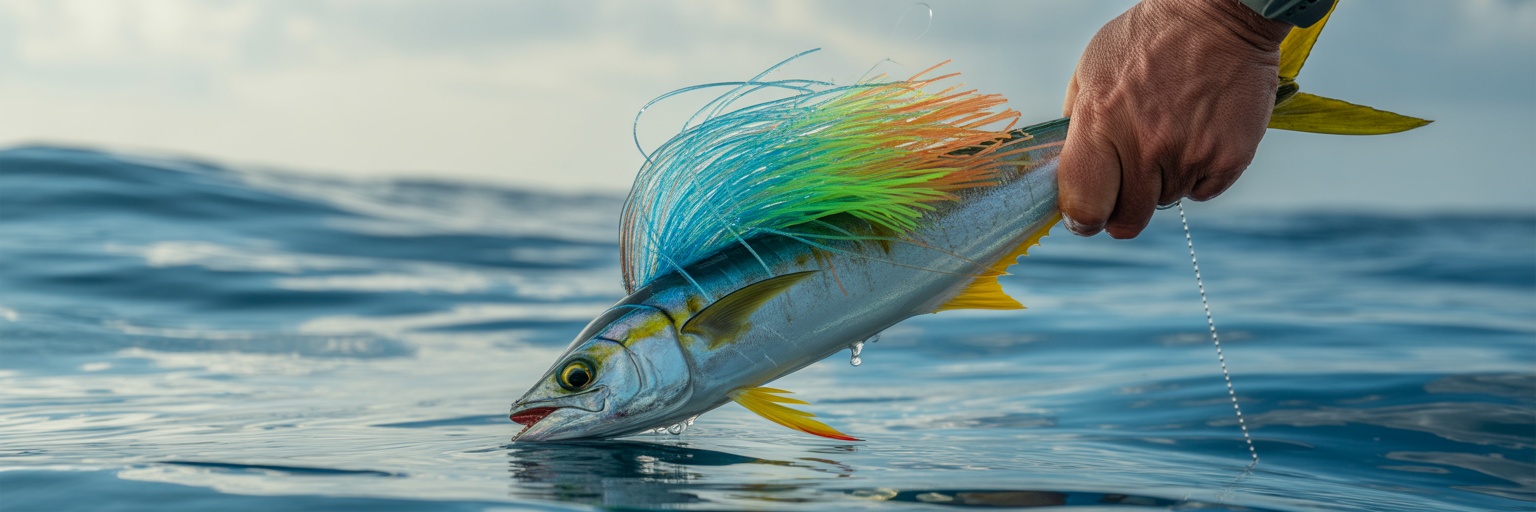
Mahi are opportunistic feeders, but they definitely have their favorites. When it comes to the best bait for Mahi Mahi, it is hard to beat live or freshly rigged ballyhoo. Trolling rigged ballyhoo behind a colorful skirted lure is a classic and incredibly effective technique. The skirt adds flash and protects the bait, while the ballyhoo’s natural swimming action is something few Mahi can resist. For pitching to fish near the boat, live pilchards or goggle eyes are fantastic choices. A frisky live bait cast into a school of curious Mahi is often eaten instantly.
Of course, you cannot always get live bait, and artificial lures are responsible for catching thousands of Mahi every year. They are perfect for covering water and triggering aggressive reaction strikes. It is always a good idea to have a well-stocked tackle box. While live bait is a top performer, having a box of the top 5 lures for Mahi this season ensures you are always prepared. Some must-haves include:
- Chugger heads and small trolling lures in bright colors like pink, chartreuse, and blue.
- Soft plastic jigs that can be cast and retrieved quickly.
- Erratic action twitchbaits that mimic a wounded baitfish.
- Classic shiny silver spoons that flutter and flash on the drop.
Finally, never underestimate the power of chumming. Once you have a school of fish near the boat, tossing out small chunks of cut bait like bonito or squid can create a feeding frenzy. This simple trick can hold a school’s attention for a surprisingly long time, giving you and your crew multiple shots at hooking up.
Proven Techniques to Hook and Land Mahi
With the right gear and bait, it is time to focus on strategy. The primary search method for anyone wondering how to catch dolphinfish is trolling. By pulling a spread of lures or rigged ballyhoo at speeds between 2 and 10 knots, you can cover large areas of water in search of active fish. Troll along weed lines, temperature breaks, and any floating structure you find. Once you get that first strike, the most important technique comes into play: keep one fish in the water. Do not immediately boat the first Mahi you hook. Leaving it in the water next to the boat will often draw the entire school in, as their curiosity and competitive nature take over.
This sets the stage for the most exciting part of the day, pitch baiting. With the school lit up and swimming around the boat, grab your lighter spinning rods and cast baits directly to visible fish. It is an incredible visual experience. Once you are hooked up, be ready for the fight. Follow these steps to successfully land your catch:
- Keep steady pressure on the line at all times. Any slack can give the fish a chance to throw the hook.
- Be prepared for their signature acrobatic jumps. When a Mahi leaps, “bow” to the fish by lowering your rod tip to create slack and prevent the hook from pulling free.
- Use a gaff for larger bull Mahi and a landing net for smaller “schoolies” to safely bring them aboard.
Florida Regulations and Responsible Angling
Part of the joy of fishing is ensuring the resource remains healthy for generations to come. Before you head out, knowing and following the current regulations is non-negotiable. Size and bag limits for Mahi Mahi can differ between Florida’s Atlantic and Gulf waters, so it is essential to check the rules for your specific area. Regulations can change, so always verify the latest Mahi Mahi rules directly from the Florida Fish and Wildlife Conservation Commission before you head out.
Embrace a conservation mindset by releasing the smaller, juvenile fish. This allows them to grow and reproduce, protecting the future of the fishery. Being a responsible angler is about more than just following rules, it is about being a steward of the ocean we love. Understanding the rules for Mahi is just one part of being a prepared angler, and you can learn about many other popular species and their habitats to continue your journey as a knowledgeable outdoorsman.